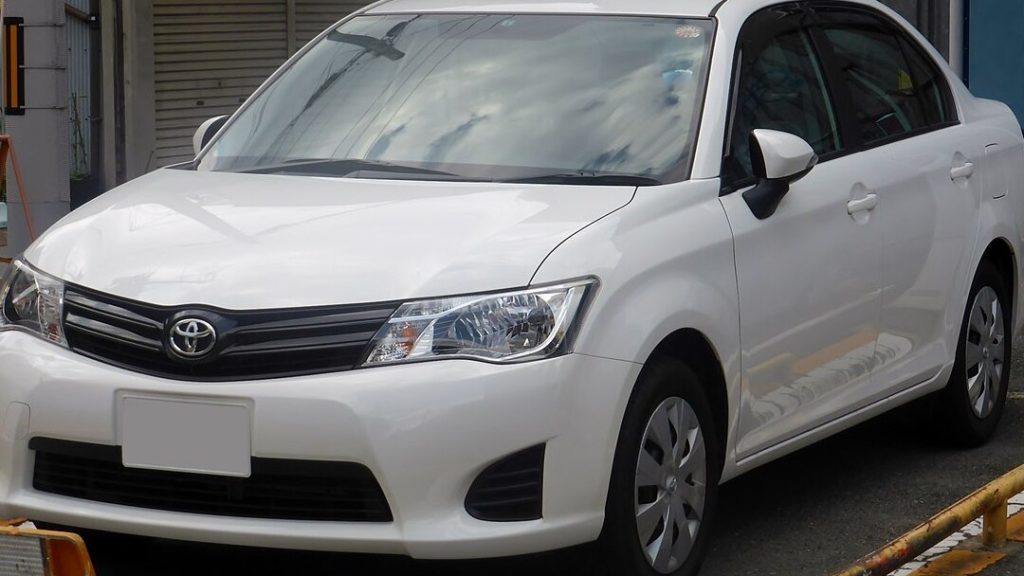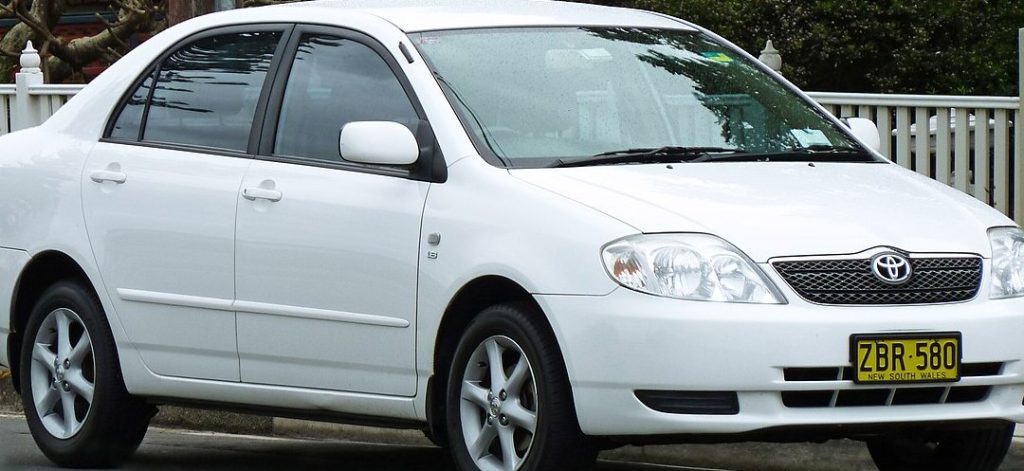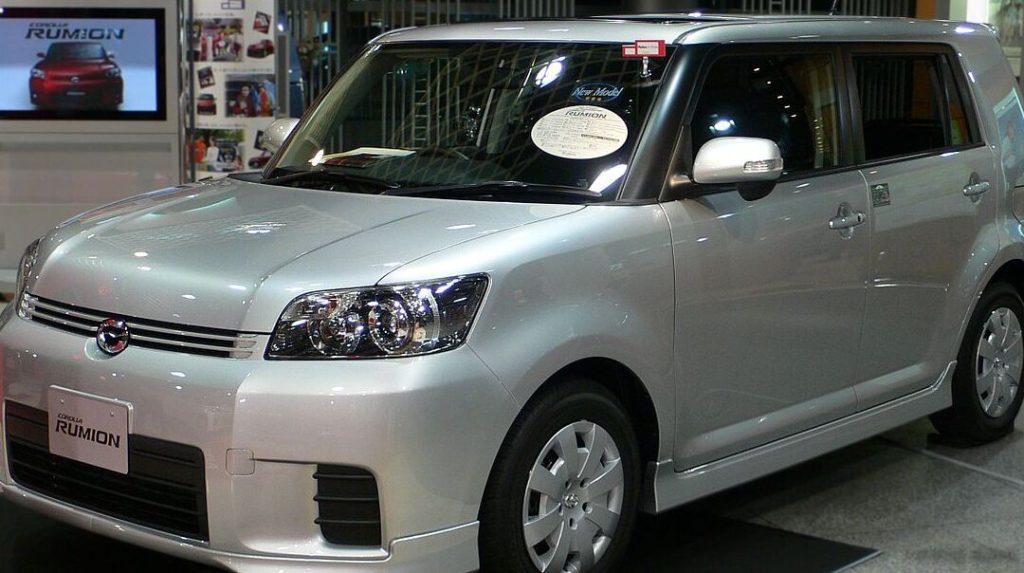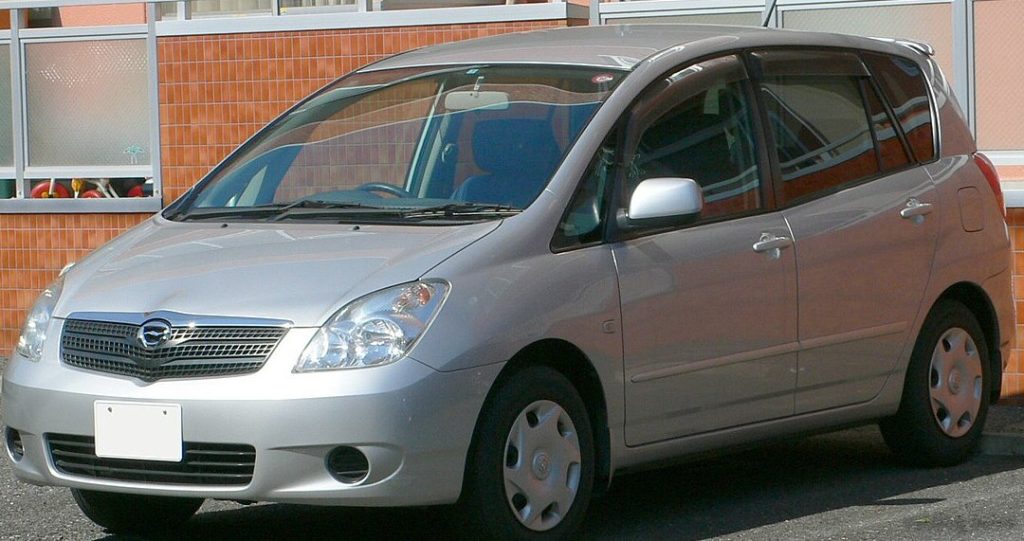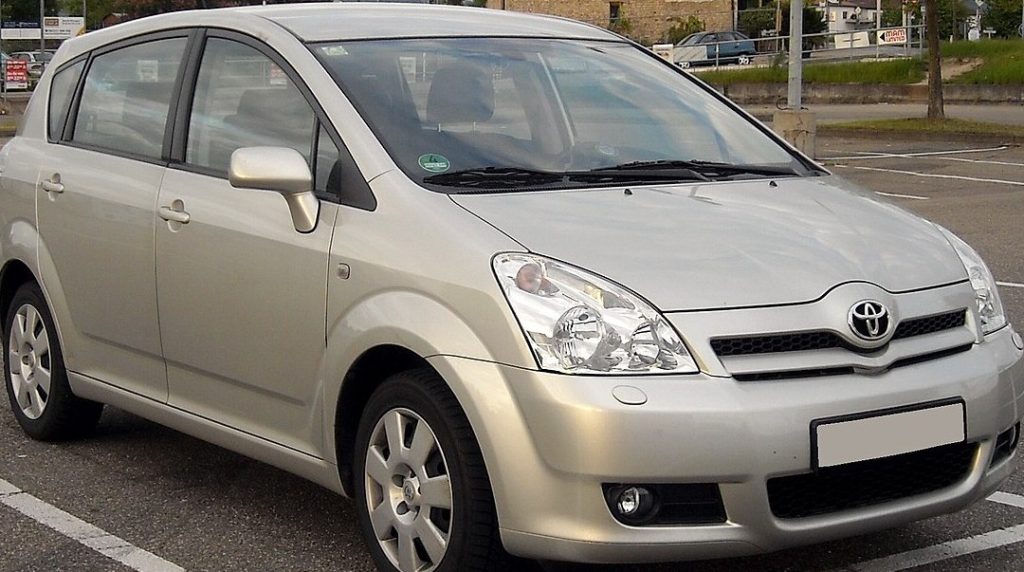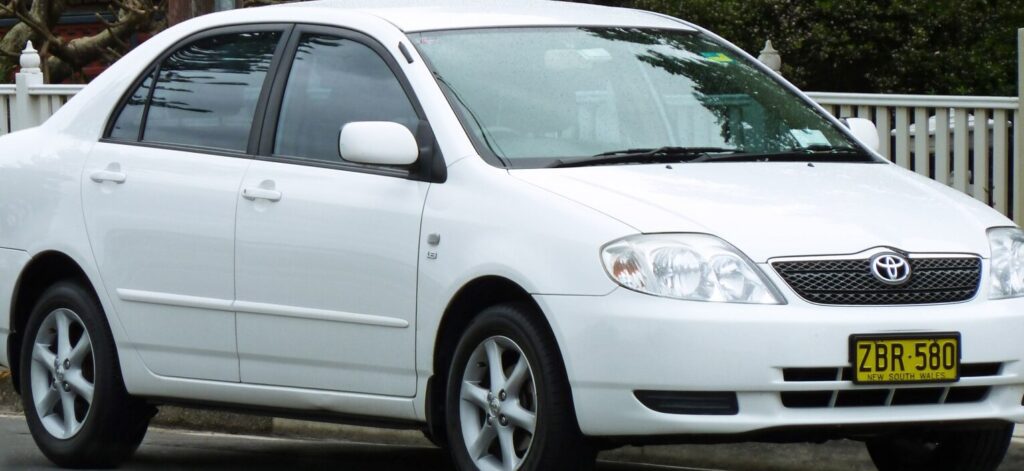
The Toyota Corolla IX, encompassing the E120 and E130 chassis codes, represented the ninth generation of Toyota’s globally renowned Corolla compact car. Produced from 2001 to 2006, this generation saw continued refinement of the Corolla’s reputation for reliability and practicality. Within the North American market, the 1.6i 16V variant with a four-speed automatic transmission served as a popular entry-level option, offering a balance of affordability and ease of use. This configuration was positioned as the standard automatic trim, sitting below any potential limited edition or higher-displacement engine options.
The 1.6i 16V Automatic: A Core Corolla Offering
The 1.6i 16V Automatic trim was a mainstay of the Corolla IX lineup. It targeted buyers seeking a dependable, fuel-efficient, and comfortable daily driver. Unlike the more performance-oriented options (which were less common in the US market), or the diesel variants available in other regions, this model prioritized practicality and low running costs. It was designed to appeal to a broad demographic, including first-time car buyers, families, and those prioritizing reliability over sporty handling.
Powertrain & Engine Architecture
At the heart of the 1.6i 16V Automatic Corolla lies the 3ZZ-FE engine, a 1.6-liter (1598 cc) inline-four cylinder gasoline engine. This engine is characterized by its all-aluminum construction, contributing to a relatively lightweight design. The “16V” designation indicates the engine features four valves per cylinder, utilizing a Double Overhead Camshaft (DOHC) valvetrain. This configuration enhances volumetric efficiency, improving both power and torque output. The 3ZZ-FE employs a multi-port fuel injection system, delivering fuel directly into the intake ports for optimized combustion.
The engine produces 110 horsepower at 6000 rpm and 150 Nm (110.63 lb-ft) of torque at 4800 rpm. The engine’s compression ratio is 10.5:1. Paired with this engine is a four-speed automatic transmission. This transmission, while not offering the most modern gear selection, was known for its smooth operation and reliability. It was a conventional hydraulic automatic, lacking the electronic controls found in some contemporary transmissions. The gear ratios were tuned for fuel efficiency and comfortable cruising, rather than aggressive acceleration. First gear was relatively short for initial takeoff, while higher gears were spaced to maintain low engine speeds at highway velocities.
Driving Characteristics
The driving experience in the 1.6i 16V Automatic Corolla is best described as competent and predictable. Acceleration from a standstill to 60 mph takes approximately 10.3-10.8 seconds, and the car has a top speed of around 108.74 mph (175 km/h). While not particularly quick, the engine provides adequate power for everyday driving situations, including merging onto highways and navigating city streets. The automatic transmission shifts smoothly, although it can sometimes feel hesitant during quick overtaking maneuvers. Compared to a manual transmission equipped Corolla, the automatic version sacrifices some responsiveness and fuel economy. The automatic also feels noticeably slower than any potential higher-displacement engine options that may have been available in other markets.
The power delivery is linear, with peak torque arriving at 4800 rpm. This means the engine requires moderate throttle input to maintain speed when climbing hills or carrying a full load of passengers. The steering is light and precise, making the car easy to maneuver in tight spaces. Overall, the driving experience is geared towards comfort and ease of use, rather than sporty performance.
Equipment & Trim Levels
The 1.6i 16V Automatic trim typically came standard with a reasonable array of features. These generally included air conditioning, power windows and locks, a basic audio system (often a CD player with AM/FM radio), and cloth upholstery. Safety features such as dual front airbags and an Anti-lock Braking System (ABS) were also standard.
Optional extras varied depending on the specific market and package selected. Common options included alloy wheels, a sunroof, upgraded audio systems with more speakers and features, and keyless entry. Interior trim levels could also be upgraded, offering different cloth patterns or, in some cases, leather upholstery. The dashboard configuration was generally straightforward and functional, with clearly labeled controls and a simple instrument cluster.
Chassis & Braking
The Corolla IX utilized a front-engine, front-wheel-drive layout. The front suspension consisted of a MacPherson strut setup, while the rear suspension employed a coil spring arrangement. This suspension configuration provided a comfortable ride quality, absorbing bumps and imperfections in the road surface effectively. The chassis was designed to prioritize stability and handling, although it wasn’t particularly sporty.
Braking duties were handled by ventilated discs on the front wheels and solid discs on the rear. The ABS system helped to prevent wheel lockup during hard braking, enhancing safety and control. The 195/60 R15 tires provided adequate grip in most driving conditions. The curb weight of the 1.6i 16V Automatic Corolla was approximately 2458.15 lbs (1115 kg), contributing to its relatively nimble handling.
Market Reception & Comparison
The 1.6i 16V Automatic Corolla was generally well-received by critics and consumers alike. It was praised for its reliability, fuel efficiency (achieving around 31.4 US mpg combined), and affordability. However, some reviewers noted that the engine lacked significant power, and the four-speed automatic transmission felt dated compared to newer transmissions with more gears.
Compared to other trims in the Corolla lineup, the 1.6i Automatic offered the most accessible price point. It was a more economical choice than any potential higher-displacement engine options, but it also sacrificed some performance. In terms of reliability, the 3ZZ-FE engine proved to be exceptionally durable, with many examples exceeding 200,000 miles with proper maintenance. Fuel economy was comparable to other compact cars in its class, making it an attractive option for budget-conscious buyers.
Technical Specifications
| Engine Model/Code | 3ZZ-FE |
| Engine Displacement | 1598 cm3 (97.52 cu. in.) |
| Number of Cylinders | 4, Inline |
| Power | 110 Hp @ 6000 rpm |
| Torque | 150 Nm (110.63 lb.-ft.) @ 4800 rpm |
| Fuel Injection System | Multi-port manifold injection |
| Valvetrain | DOHC |
| Compression Ratio | 10.5:1 |
| Transmission | 4-speed Automatic |
| Drive Wheels | Front Wheel Drive |
| Kerb Weight | 1115 kg (2458.15 lbs.) |
| Fuel Consumption (Combined) | 7.5 l/100 km (31.4 US mpg, 37.7 UK mpg) |
| Fuel Tank Capacity | 55 l (14.53 US gal, 12.1 UK gal) |
| Acceleration 0-100 km/h | 10.8 sec |
| Maximum Speed | 175 km/h (108.74 mph) |
Legacy
The 1.6i 16V Automatic Corolla IX remains a popular choice in the used car market today, largely due to its reputation for reliability and affordability. The 3ZZ-FE engine is known for its longevity, and the automatic transmission, while not the most advanced, is generally dependable. Maintenance costs are relatively low, and parts are readily available. However, potential buyers should be aware of the possibility of oil consumption issues, which can occur in some 3ZZ-FE engines.
This particular powertrain configuration cemented the Corolla’s position as a practical and dependable transportation option. While it may not offer the excitement of more powerful or sporty vehicles, the 1.6i 16V Automatic Corolla provides a comfortable, efficient, and reliable driving experience that continues to appeal to a wide range of buyers.