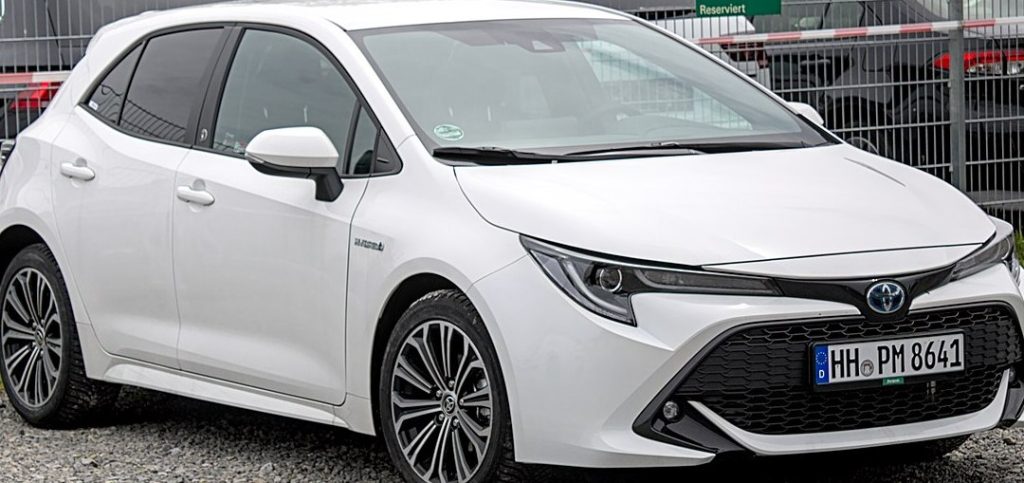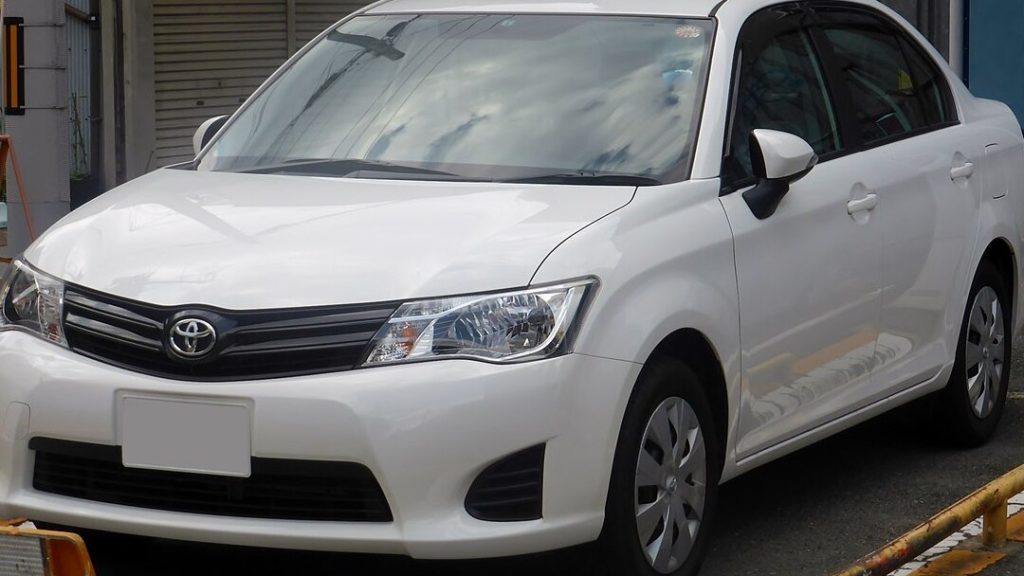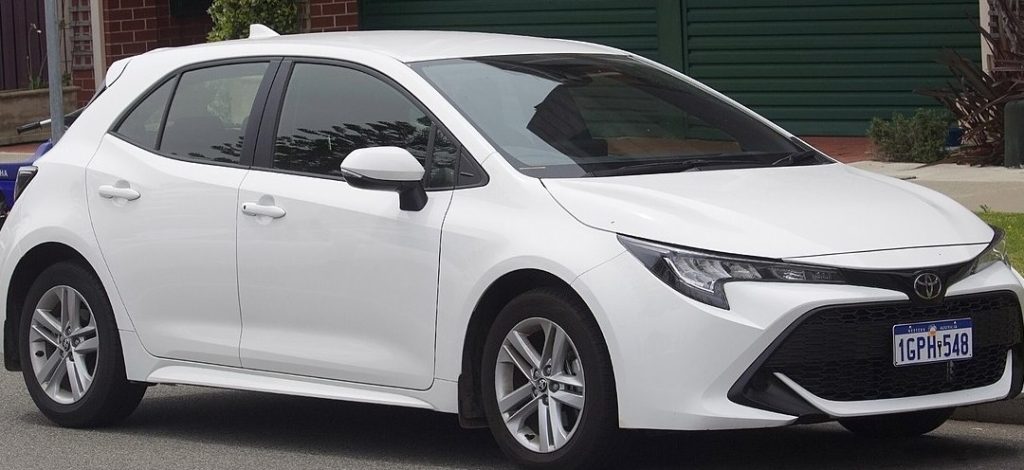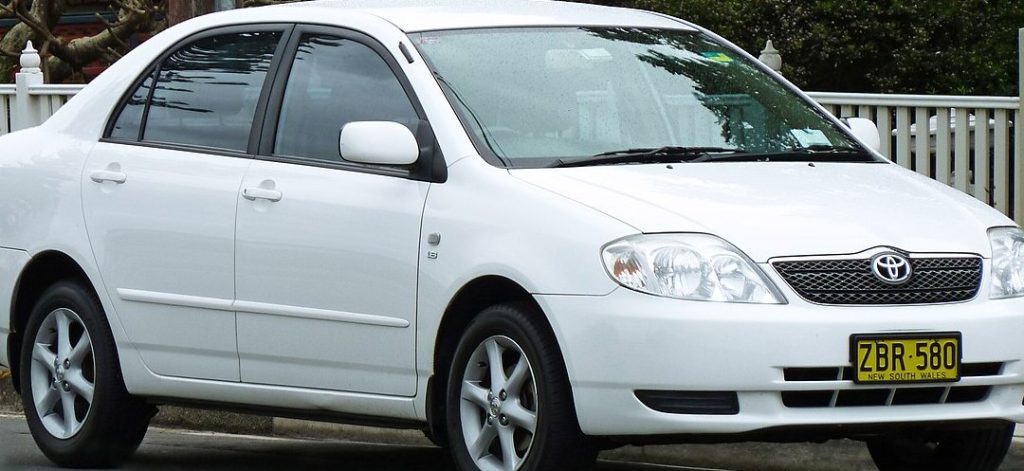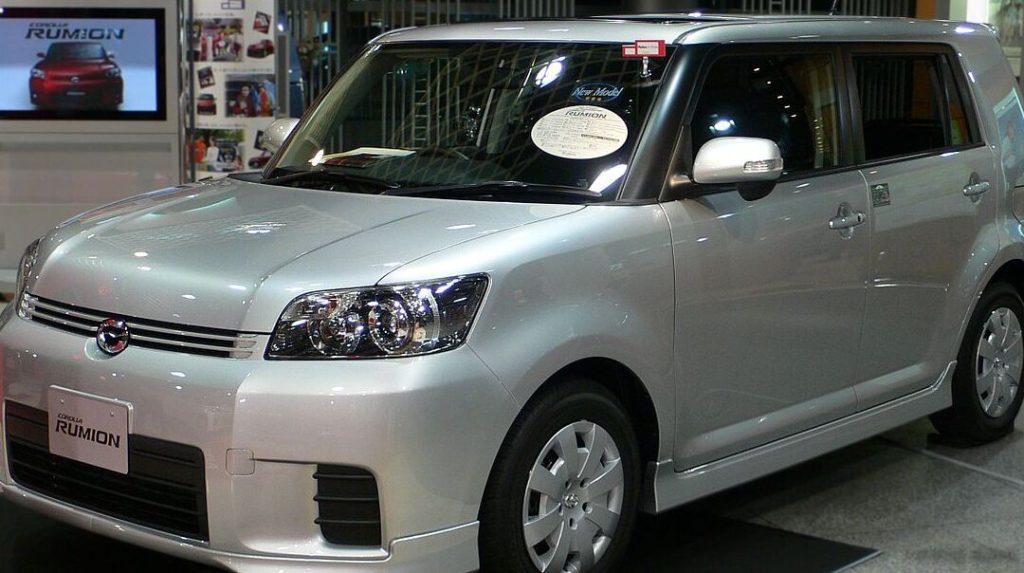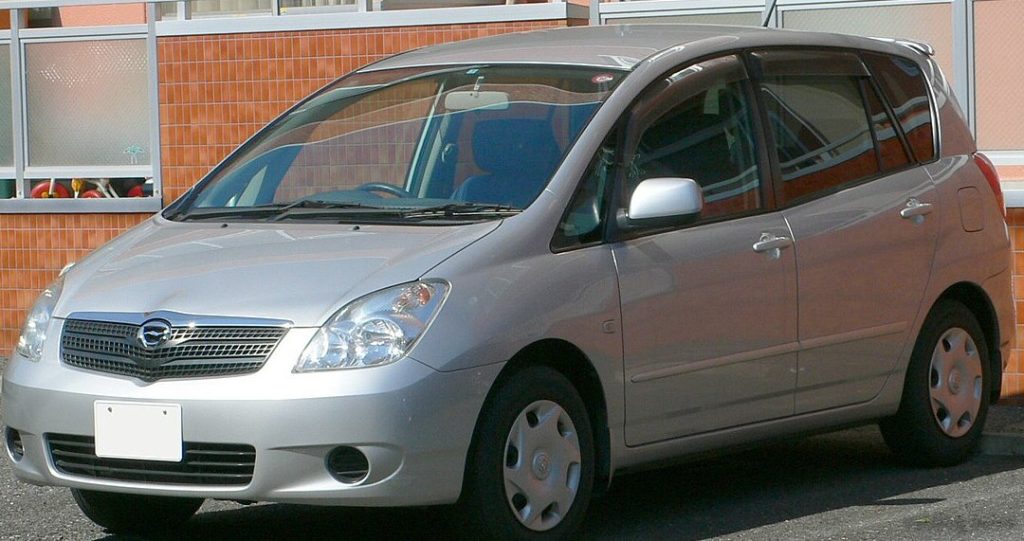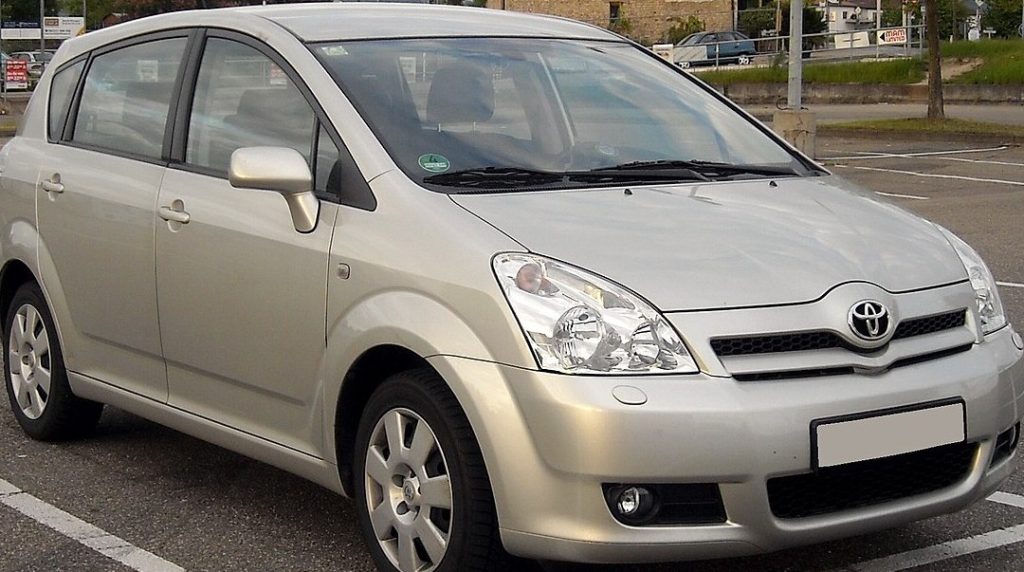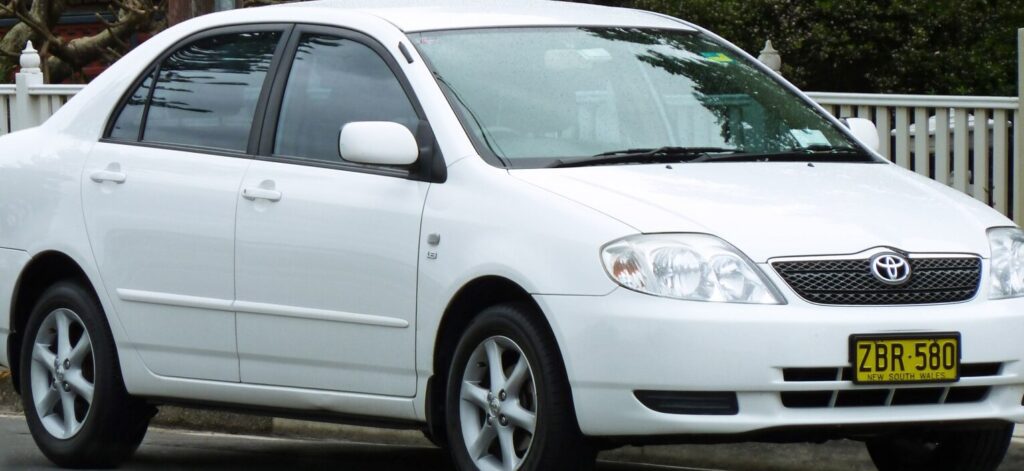
The Toyota Corolla IX, encompassing the E120 and E130 chassis codes, represented the ninth generation of Toyota’s globally renowned Corolla compact sedan. Produced from 2000 to 2007, with specific variations continuing through 2008 in some markets, the E120/E130 series offered a range of engines and trim levels to cater to diverse consumer needs. The 2.0 D-4D variant, powered by the 1CD-FTV engine and producing 116 horsepower, was introduced in 2004 and continued through 2006. This model occupied a mid-range position within the Corolla IX lineup, offering a balance between fuel efficiency, performance, and equipment, appealing to buyers seeking a practical and economical diesel-powered sedan.
Toyota Corolla IX (E120/E130) 2.0 D-4D: An Overview
The Corolla IX represented a significant step forward in terms of refinement and features compared to its predecessor. The E120 chassis (2000-2004) was facelifted in 2004 to become the E130, featuring revised styling and updated interior elements. The 2.0 D-4D model was primarily aimed at European and Asian markets where diesel engines were more popular due to fuel costs and emissions regulations. It provided a compelling alternative to gasoline-powered Corollas, offering superior fuel economy and torque for highway driving and carrying loads. The D-4D designation signified Toyota’s direct-injection diesel technology, emphasizing efficiency and reduced emissions.
Powertrain & Engine Architecture
At the heart of the 2.0 D-4D Corolla lies the 1CD-FTV engine, a 1.995-liter (121.74 cubic inches) inline-four cylinder diesel engine. This engine is a turbocharged and intercooled design, utilizing a common rail direct injection system. The common rail system, operating at extremely high pressures, allows for precise fuel delivery and optimized combustion, contributing to both power and fuel efficiency. The engine features a double overhead camshaft (DOHC) valvetrain with four valves per cylinder, enhancing volumetric efficiency and overall performance. The 1CD-FTV boasts a compression ratio of 18.6:1, typical for a diesel engine, and produces 116 hp at 3600 rpm and 280 Nm (206.52 lb-ft) of torque at 2000 rpm. This torque output, available at relatively low engine speeds, provides strong acceleration and effortless cruising. The engine oil capacity is 5.9 liters (6.23 US quarts), and the cooling system requires 7.6 liters (8.03 US quarts) of coolant.
Driving Characteristics
The 2.0 D-4D Corolla offered a distinctly different driving experience compared to its gasoline counterparts. While not a performance-oriented vehicle, the diesel engine’s substantial torque provided brisk acceleration, particularly in the mid-range. The 0-62 mph (0-100 km/h) acceleration time was approximately 10.9 seconds, and it could achieve a maximum speed of 114.95 mph (185 km/h). The engine’s power delivery was smooth and linear, making it easy to drive in various conditions. Compared to the 1.6L or 1.8L gasoline engines, the 2.0 D-4D offered superior pulling power, making it well-suited for towing or carrying passengers and luggage. However, the diesel engine was noticeably louder and produced more vibration than the gasoline engines, a characteristic common to diesel technology. The five-speed manual transmission provided precise gear changes, allowing drivers to effectively utilize the engine’s torque.
Equipment & Trim Levels
The 2.0 D-4D Corolla typically came equipped with a reasonable level of standard features, positioning it as a well-rounded mid-range offering. Standard equipment often included air conditioning, power windows, central locking, and an audio system. Higher trim levels, such as the Sol or Executive, added features like alloy wheels, a multi-function steering wheel, automatic climate control, and upgraded upholstery. Interior upholstery was typically cloth, with options for leather in higher trims. The dashboard layout was functional and ergonomically designed, providing easy access to controls. Optional extras included a sunroof, navigation system, and parking sensors. Safety features, such as ABS (Anti-lock Braking System) and airbags, were standard across the range.
Chassis & Braking
The Corolla IX utilized a front-engine, front-wheel-drive layout. The suspension system consisted of a MacPherson strut setup at the front and a coil spring arrangement at the rear. This configuration provided a comfortable ride quality while maintaining reasonable handling characteristics. The front brakes were ventilated discs, offering superior stopping power compared to the rear disc brakes. The steering system employed a rack and pinion setup, providing precise and responsive steering feel. The standard tire size was 195/60 R15, offering a good balance between grip and ride comfort. The kerb weight of the 2.0 D-4D Corolla was approximately 1245 kg (2744.76 lbs), contributing to its relatively nimble handling.
Market Reception & Comparison
The 2.0 D-4D Corolla received generally positive reviews from automotive critics. It was praised for its fuel efficiency, strong torque, and comfortable ride. However, some critics noted the engine’s noise and vibration compared to gasoline alternatives. In terms of fuel economy, the 2.0 D-4D offered significant advantages over the gasoline-powered Corollas. Urban fuel consumption was around 7.2 l/100 km (32.7 US mpg), while extra-urban consumption was as low as 4.7 l/100 km (50 US mpg). Compared to the 1.8L gasoline engine, the 2.0 D-4D offered similar performance with significantly better fuel economy. Reliability was also a strong point, with the 1CD-FTV engine proving to be durable and long-lasting when properly maintained. However, diesel engines generally require more diligent maintenance, including regular oil changes and filter replacements.
Technical Specifications
| Brand | Toyota |
| Model | Corolla |
| Generation | Corolla IX (E120, E130) |
| Type (Engine) | 2.0 D-4D (116 Hp) |
| Start of production | 2004 |
| End of production | 2006 |
| Engine Model/Code | 1CD-FTV |
| Engine displacement | 1995 cm3 (121.74 cu. in.) |
| Number of cylinders | 4 |
| Engine configuration | Inline |
| Cylinder Bore | 82.2 mm (3.24 in.) |
| Piston Stroke | 94 mm (3.7 in.) |
| Compression ratio | 18.6:1 |
| Power | 116 Hp @ 3600 rpm |
| Torque | 280 Nm @ 2000 rpm (206.52 lb.-ft. @ 2000 rpm) |
| Fuel Type | Diesel |
| Fuel consumption (urban) | 7.2 l/100 km (32.7 US mpg) |
| Fuel consumption (extra urban) | 4.7 l/100 km (50 US mpg) |
| Acceleration 0 – 100 km/h | 10.9 sec |
| Acceleration 0 – 62 mph | 10.9 sec |
| Maximum speed | 185 km/h (114.95 mph) |
| Kerb Weight | 1245 kg (2744.76 lbs.) |
| Fuel tank capacity | 55 l (14.53 US gal) |
| Engine oil capacity | 5.9 l (6.23 US qt) |
| Coolant capacity | 7.6 l (8.03 US qt) |
Legacy
The 2.0 D-4D Corolla IX remains a popular choice in the used car market, particularly in regions where diesel engines are favored. The 1CD-FTV engine, when properly maintained, is known for its durability and longevity. Common issues include turbocharger wear and potential problems with the fuel injection system, but these are generally manageable with regular servicing. The Corolla’s reputation for reliability and affordability continues to make it an attractive option for budget-conscious buyers seeking a practical and economical sedan. The 2.0 D-4D variant, with its strong torque and excellent fuel economy, offers a compelling package for those who prioritize efficiency and driving comfort.