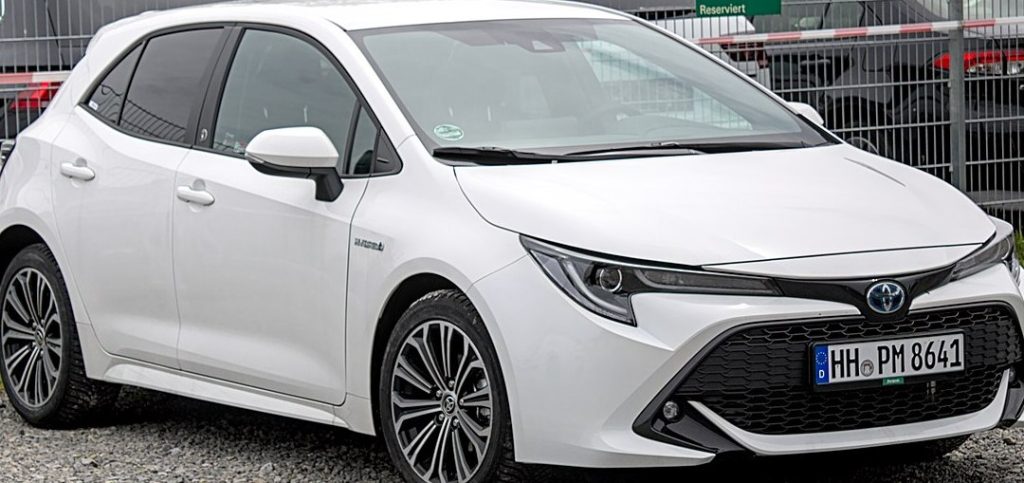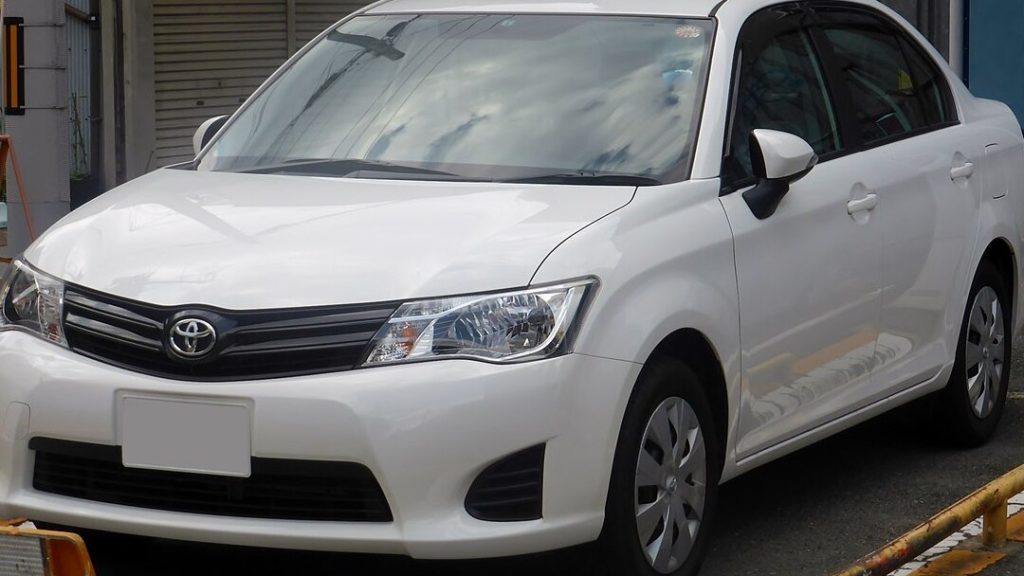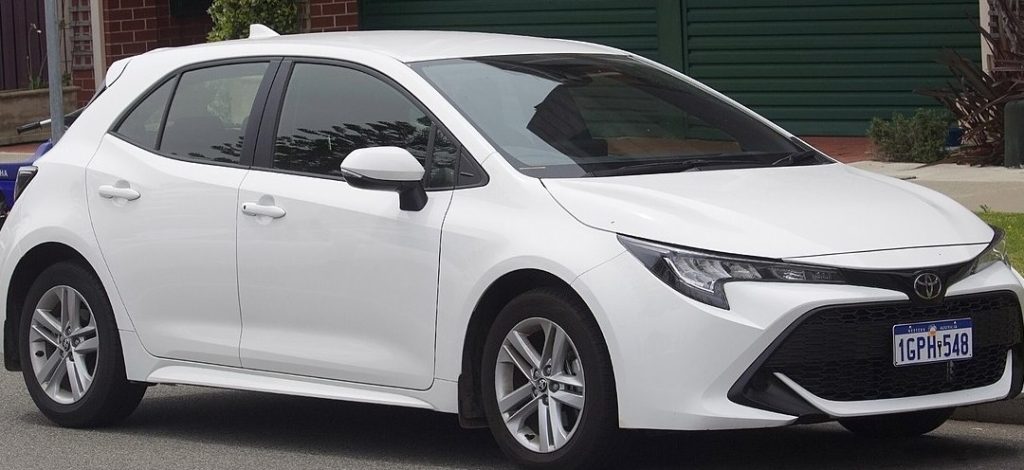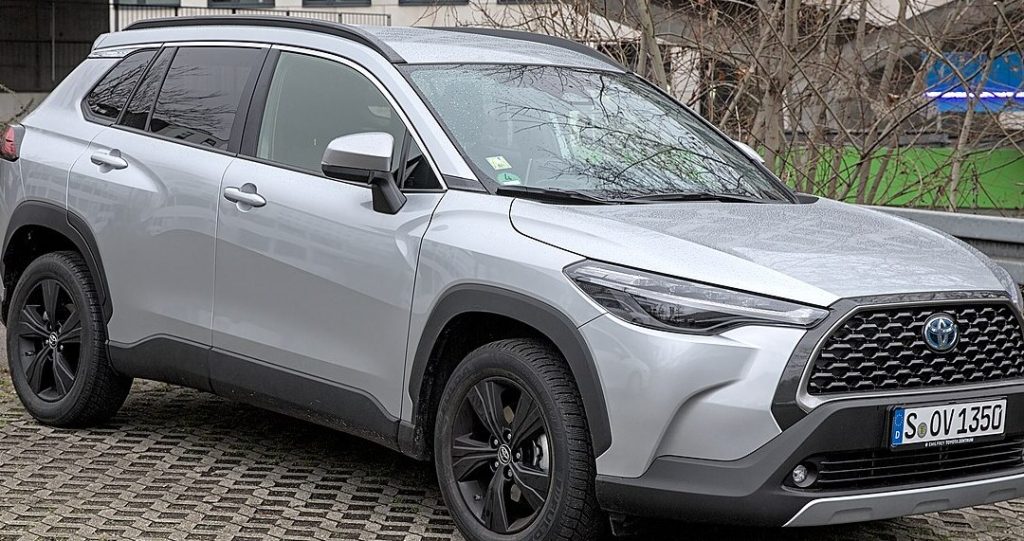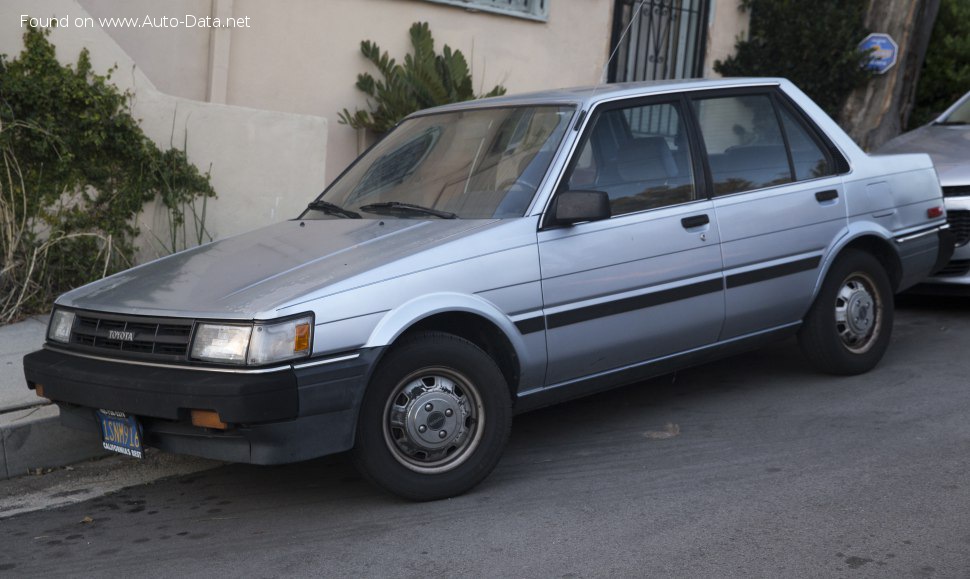
The Toyota Corolla E80, produced between 1983 and 1987, represented the fifth generation of Toyota’s globally successful Corolla line. Within this generation, the AE82 designation specifically denotes the 1.6-liter, 84 horsepower variant, primarily aimed at providing economical and reliable transportation. This model occupied the mid-range position within the E80 lineup, offering a step up from the base 1.3-liter engine while remaining more affordable than the higher-performance and larger-displacement options available. The AE82 was a mainstay of Toyota’s offering during this period, known for its practicality and durability, and was sold in significant numbers across numerous international markets.
The 1.6L (AE82) Corolla: A Detailed Overview
The AE82 Corolla 1.6 was designed to appeal to a broad customer base seeking a dependable and fuel-efficient compact sedan. It was positioned as a sensible choice for families and commuters, prioritizing practicality over outright performance. While not a sporting model, the 1.6L engine provided adequate power for everyday driving, and the car’s overall design emphasized comfort and ease of use. The E80 generation marked a significant evolution in Corolla design, moving towards a more modern and aerodynamic aesthetic compared to its predecessors.
Powertrain & Engine Architecture
The heart of the AE82 Corolla 1.6 is the 4A-ELU engine, a 1.6-liter (1587 cc) inline-four cylinder gasoline engine. This engine is naturally aspirated and features a single overhead camshaft (SOHC) valvetrain with two valves per cylinder. The 4A-ELU engine utilizes a carburetor fuel delivery system, a common feature for vehicles of this era, rather than fuel injection. This carburetor setup, while simpler and less expensive to maintain than fuel injection, contributes to slightly lower fuel efficiency and potentially higher emissions compared to later Corolla models. The engine produces 84 horsepower (62 kW) at 6,000 rpm and 99 lb-ft of torque at 3,600 rpm.
The AE82 was typically paired with either a 5-speed manual transmission or a 3-speed automatic transmission. The automatic transmission, while offering convenience, was known to slightly diminish the car’s acceleration and fuel economy. The transmission’s gear ratios were optimized for fuel efficiency and smooth cruising rather than spirited driving. The final drive ratio varied slightly depending on the specific market and transmission configuration.
Driving Characteristics
The driving experience in an AE82 Corolla 1.6 is characterized by its smooth and predictable handling. The suspension, consisting of MacPherson struts in the front and a torsion beam rear axle, provides a comfortable ride, absorbing bumps and irregularities in the road surface effectively. However, the suspension is not particularly sporty, and the car exhibits noticeable body roll during cornering. The steering is light and easy to use, making it well-suited for urban driving.
Acceleration with the 1.6L engine and automatic transmission is adequate for merging onto highways and maintaining highway speeds, but it is not particularly brisk. The 0-60 mph time is estimated to be around 12-14 seconds. The engine feels relatively strained at higher speeds, and passing maneuvers require careful planning. Compared to the manual transmission version, the automatic results in a noticeable decrease in responsiveness. The 1.6L engine offers a more balanced driving experience than the base 1.3L, but falls short of the performance offered by the 1.8L or 2.0L engines available in other E80 Corolla variants.
Equipment & Trim Levels
The AE82 Corolla 1.6 typically came standard with features considered essential for the time, including cloth upholstery, a basic AM/FM radio, and manual windows and door locks. Air conditioning was often an optional extra, as were power windows and a more advanced audio system. Interior trim levels varied depending on the market, with some models offering upgraded seat fabrics and additional convenience features. The dashboard layout was functional and straightforward, with clearly labeled controls. The instrument cluster typically included a speedometer, odometer, fuel gauge, and temperature gauge. Safety features were relatively basic, consisting primarily of seatbelts and a collapsible steering column.
Trim levels varied by region. In some markets, the AE82 was offered in base, DX, and LE trims, with the LE representing the highest level of equipment. The DX trim typically included features such as a better stereo and upgraded interior trim, while the LE trim added options like air conditioning and power windows.
Chassis & Braking
The AE82 Corolla 1.6 utilizes a body-on-frame construction, which contributes to its durability and ease of repair. The chassis is relatively lightweight, helping to maximize fuel efficiency and handling. The front suspension features MacPherson struts, coil springs, and an anti-roll bar. The rear suspension employs a torsion beam axle with coil springs. The braking system consists of disc brakes in the front and drum brakes in the rear. The brakes are adequate for normal driving conditions, but they lack the stopping power of more modern braking systems. The steering system is a recirculating ball type, providing a relatively simple and reliable steering experience.
Stabilizer bar thickness varied depending on the trim level and market. Higher trim levels often featured a thicker front stabilizer bar, which helped to reduce body roll during cornering.
Market Reception & Comparison
The AE82 Corolla 1.6 was generally well-received by automotive critics and consumers alike. It was praised for its reliability, fuel efficiency, and affordability. However, some critics noted that the engine lacked power and that the automatic transmission diminished the car’s performance. Compared to other compact sedans of the era, such as the Honda Civic and Nissan Sentra, the Corolla 1.6 offered a competitive combination of features and value.
Within the E80 Corolla lineup, the 1.6L model offered a good balance between performance and economy. The base 1.3L engine was considered underpowered by many, while the larger 1.8L and 2.0L engines were more expensive and less fuel-efficient. The 1.6L engine provided a reasonable compromise, offering adequate power for most driving situations without sacrificing fuel economy. Fuel economy figures typically ranged from 28-32 mpg in the city and 35-40 mpg on the highway.
Technical Specifications
| Body Type | Sedan, 4 Doors, 5 Seats |
| Engine Type | Inline-4, Naturally Aspirated |
| Engine Displacement | 1.6 L (1587 cc) |
| Engine Code | 4A-ELU |
| Power Output | 84 hp (62 kW) @ 6,000 rpm |
| Torque Output | 99 lb-ft (134 Nm) @ 3,600 rpm |
| Fuel System | Carburetor |
| Transmission | 3-speed Automatic (Optional 5-speed Manual) |
| Front Suspension | MacPherson Strut |
| Rear Suspension | Torsion Beam |
| Front Brakes | Disc |
| Rear Brakes | Drum |
| Fuel Capacity | 13.2 US gallons (50 L) |
| Engine Oil Capacity | 3.1 L (3.28 US qt, 2.73 UK qt) |
| Coolant Capacity | 5.5 L (5.81 US qt, 4.84 UK qt) |
Legacy
The AE82 Corolla 1.6 has proven to be a remarkably durable and reliable vehicle. Many examples are still on the road today, a testament to Toyota’s engineering and build quality. While not particularly collectible, the AE82 is appreciated by enthusiasts for its simplicity, affordability, and ease of maintenance. Parts availability remains good, and the car’s relatively straightforward design makes it a popular choice for restoration projects. In the used car market, AE82 Corollas in good condition can fetch reasonable prices, particularly those with low mileage and well-maintained interiors. The 4A-ELU engine is known for its longevity and is considered a relatively trouble-free powerplant. The AE82 continues to represent a practical and dependable option for those seeking a classic, fuel-efficient compact sedan.