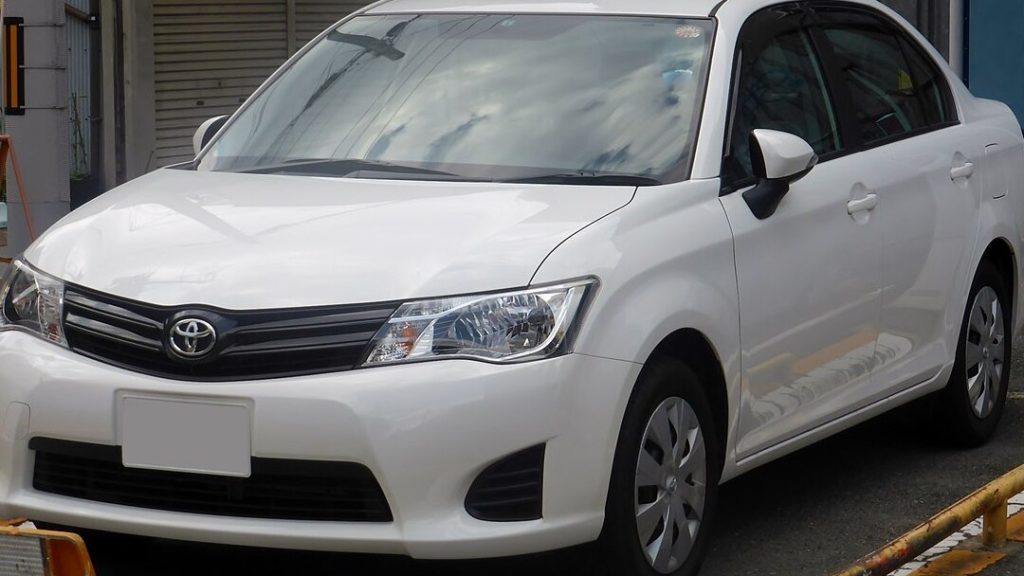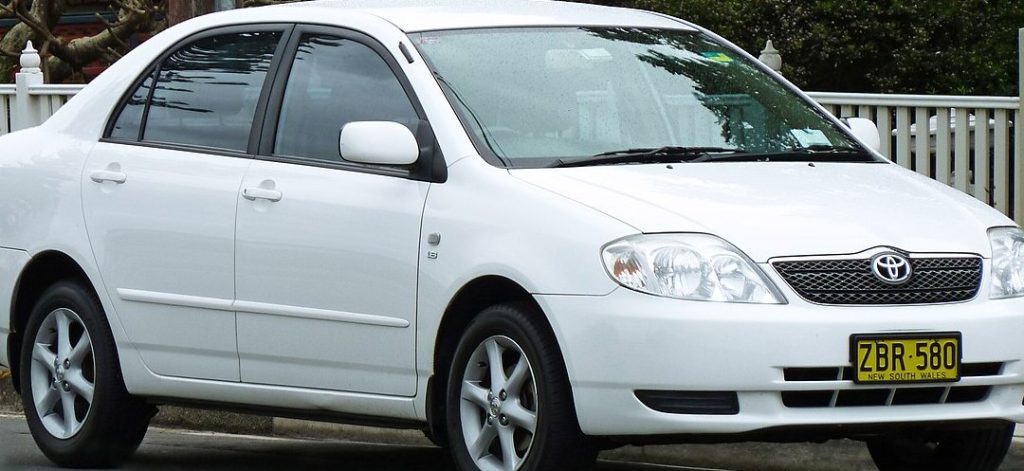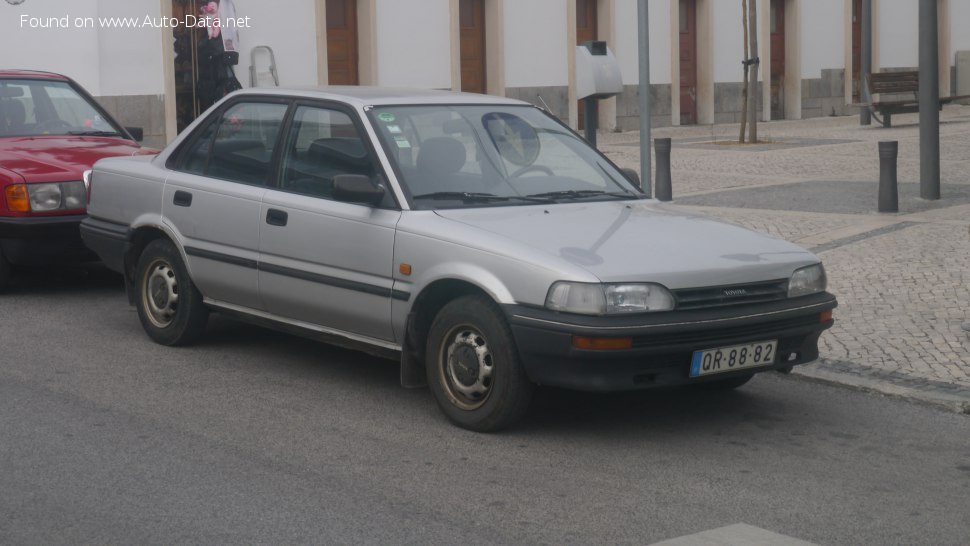
The Toyota Corolla E90, produced between 1987 and 1992, represented the sixth generation of Toyota’s globally successful Corolla line. Within the E90 range, the 1.3-liter (EE90) variant, producing 75 horsepower, served as the entry-level model in many markets, particularly in Europe and Asia. This model was designed to offer affordable and reliable transportation, prioritizing fuel efficiency and practicality over outright performance. The E90 chassis, part of the T platform, was a significant redesign from the previous generation, offering improved aerodynamics and interior space. The EE90 1.3L model was primarily a sedan, though limited wagon and hatchback versions were available in certain regions.
The 1.3L (EE90) Corolla: Entry-Level Efficiency
The EE90 1.3L Corolla occupied the base trim level within the E90 lineup. It was positioned below the 1.6-liter variants, which offered increased power and were often equipped with more features. While the 1.6L models appealed to drivers seeking a more engaging driving experience, the 1.3L focused on economy and accessibility. This made it a popular choice for first-time car buyers, commuters, and those prioritizing low running costs. The EE90 1.3L was often seen as a sensible and dependable vehicle, embodying Toyota’s reputation for reliability.
Powertrain & Engine Architecture
The heart of the EE90 1.3L Corolla is the 2E-E engine, a 1.3-liter (1298 cc) inline-four cylinder gasoline engine. This engine is a naturally aspirated, single overhead camshaft (SOHC) design with two valves per cylinder. The 2E-E engine utilizes a multi-point fuel injection system, a significant upgrade from the carburetor systems found in earlier Corolla generations, contributing to improved fuel efficiency and reduced emissions. The engine’s bore and stroke are 76.0 mm x 83.0 mm, resulting in a compression ratio of 9.5:1. The engine produces 75 horsepower (56 kW) at 6,000 rpm and 88 lb-ft (120 Nm) of torque at 3,600 rpm.
The EE90 1.3L was typically paired with either a 4-speed or 5-speed manual transmission, but a 3-speed automatic transmission was also available, though less common. The automatic transmission was designed for smooth, comfortable operation, prioritizing ease of use over sporty performance. The automatic transmission’s gear ratios were optimized for fuel economy and low-speed drivability. The transmission was a conventional hydraulic control unit, lacking the electronic controls found in more modern automatic gearboxes. The 2E-E engine, while not particularly powerful, was known for its durability and relatively simple maintenance requirements.
Driving Characteristics
The driving experience in the EE90 1.3L Corolla is best described as practical and undemanding. Acceleration is modest, with 0-60 mph times typically exceeding 13 seconds. The engine feels strained at higher speeds, and overtaking maneuvers require careful planning. However, the engine is responsive enough for everyday driving conditions, providing adequate power for city commuting and highway cruising at moderate speeds. The 5-speed manual transmission allows for better control and slightly improved acceleration, while the 3-speed automatic prioritizes convenience. The suspension is tuned for comfort, providing a relatively smooth ride over uneven surfaces. Handling is predictable but not particularly sporty, with noticeable body roll in corners. The steering is light and easy to use, making it well-suited for urban environments.
Equipment & Trim Levels
The EE90 1.3L Corolla typically came with a fairly basic level of equipment, reflecting its position as the entry-level model. Standard features generally included cloth upholstery, a basic AM/FM radio, and manual windows and door locks. Power steering was often an optional extra, as was air conditioning. Higher trim levels within the 1.3L range might include features such as a more advanced radio with a cassette player, upgraded interior trim, and color-coded bumpers. The dashboard layout was functional and straightforward, with clearly labeled controls. Safety features were limited by the standards of the time, typically consisting of seatbelts and a collapsible steering column. The interior space was reasonably generous for a compact sedan, offering comfortable seating for five passengers.
Chassis & Braking
The E90 Corolla utilized a front-engine, front-wheel-drive layout. The suspension consisted of MacPherson struts at the front and a torsion beam axle at the rear. The torsion beam rear suspension was a cost-effective solution that provided adequate ride comfort and handling characteristics for the target market. The braking system was typically comprised of disc brakes at the front and drum brakes at the rear. The brake system was adequate for the vehicle’s weight and performance, but lacked the stopping power of more advanced braking systems. The EE90 1.3L Corolla’s chassis was relatively lightweight, contributing to its fuel efficiency. Stabilizer bars were often omitted on the base models to further reduce cost, impacting handling slightly.
Market Reception & Comparison
The EE90 1.3L Corolla was generally well-received by critics and consumers alike. It was praised for its reliability, fuel efficiency, and affordability. However, its lack of power and basic equipment levels were also noted. Compared to its 1.6-liter siblings, the 1.3L offered significantly less performance but at a lower price point. The 1.6L models were often preferred by drivers who valued a more engaging driving experience. In terms of fuel economy, the 1.3L Corolla excelled, achieving fuel consumption figures in the range of 35-45 mpg, depending on driving conditions and transmission type. Compared to competitors such as the Honda Civic and Nissan Sentra, the Corolla offered a similar level of reliability and fuel efficiency, but was often perceived as being slightly less sporty.
Technical Specifications
| Body Type | Sedan, 4 Doors, 5 Seats |
| Engine Type | Internal Combustion Engine, Petrol (Gasoline) |
| Engine Model/Code | 2E-E |
| Engine Aspiration | Naturally Aspirated |
| Engine Displacement | 1.3 L (1298 cc) |
| Cylinders | 4 |
| Valves per Cylinder | 2 |
| Maximum Power | 75 hp (56 kW) @ 6000 rpm |
| Maximum Torque | 88 lb-ft (120 Nm) @ 3600 rpm |
| Compression Ratio | 9.5:1 |
| Fuel System | Multi-point Fuel Injection |
| Transmission | 4-speed Manual, 5-speed Manual, 3-speed Automatic |
| Engine Oil Capacity | 3.2 L (3.38 US qt, 2.82 UK qt) |
| Coolant Capacity | 4.9 L (5.18 US qt, 4.31 UK qt) |
Legacy
The EE90 1.3L Corolla has proven to be a remarkably durable and reliable vehicle. Many examples are still on the road today, a testament to Toyota’s engineering and build quality. While not particularly collectible, well-maintained examples are sought after by enthusiasts looking for a simple, affordable, and dependable classic car. The 2E-E engine is known for its longevity and relatively low maintenance costs. Common issues include oil leaks and wear on the timing chain, but these are generally easily addressed. In the used car market, the EE90 1.3L Corolla remains an attractive option for budget-conscious buyers seeking a reliable and fuel-efficient vehicle. Its simplicity and ease of repair make it a popular choice for those who prefer to work on their own cars. The EE90 generation, and the 1.3L variant specifically, solidified Toyota’s reputation for building cars that simply last.