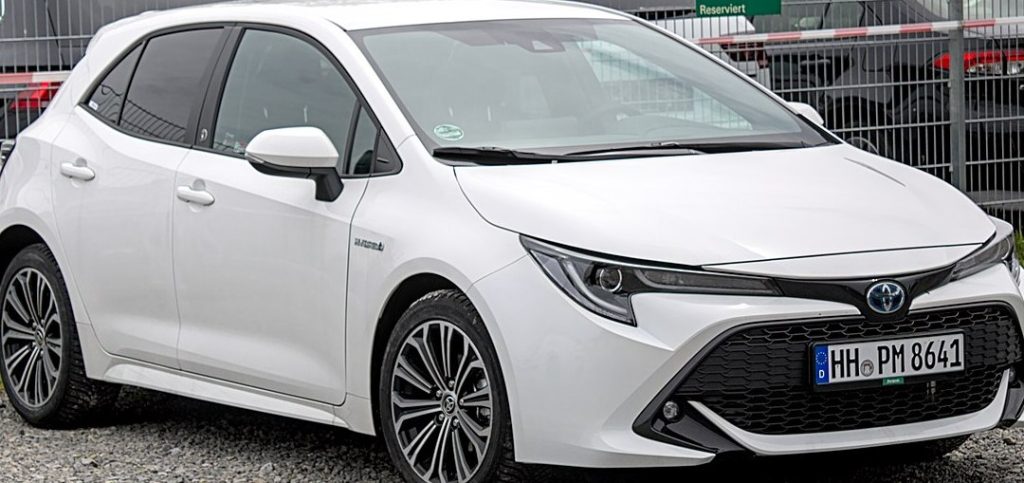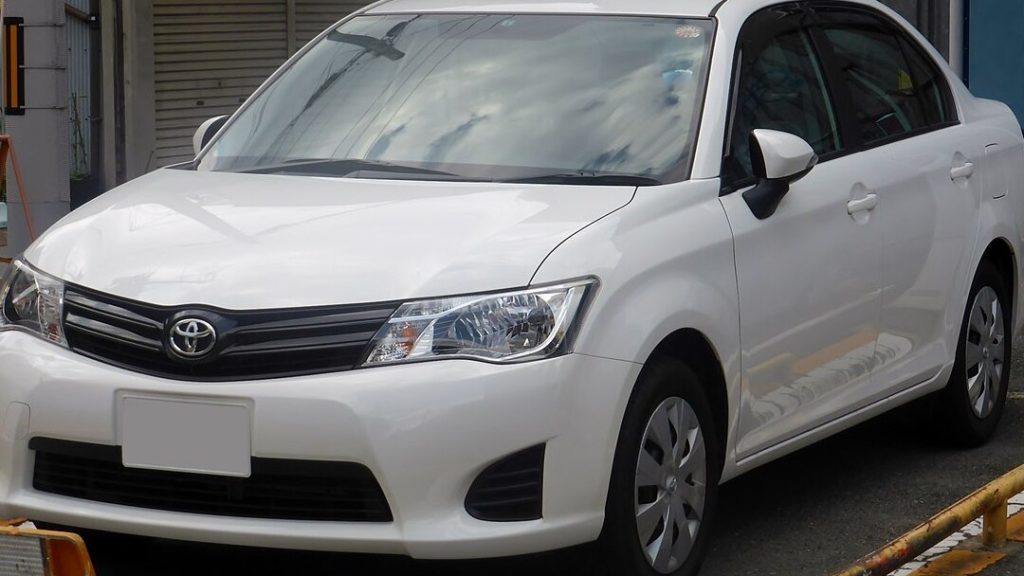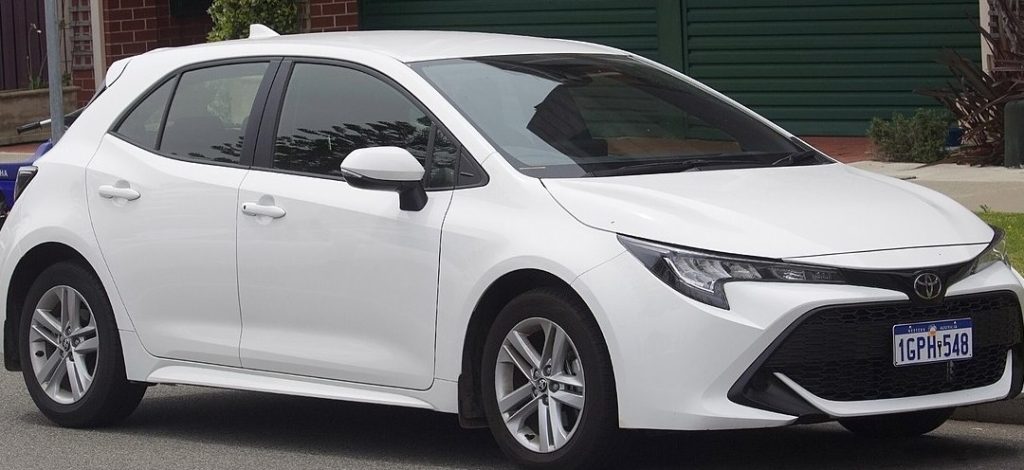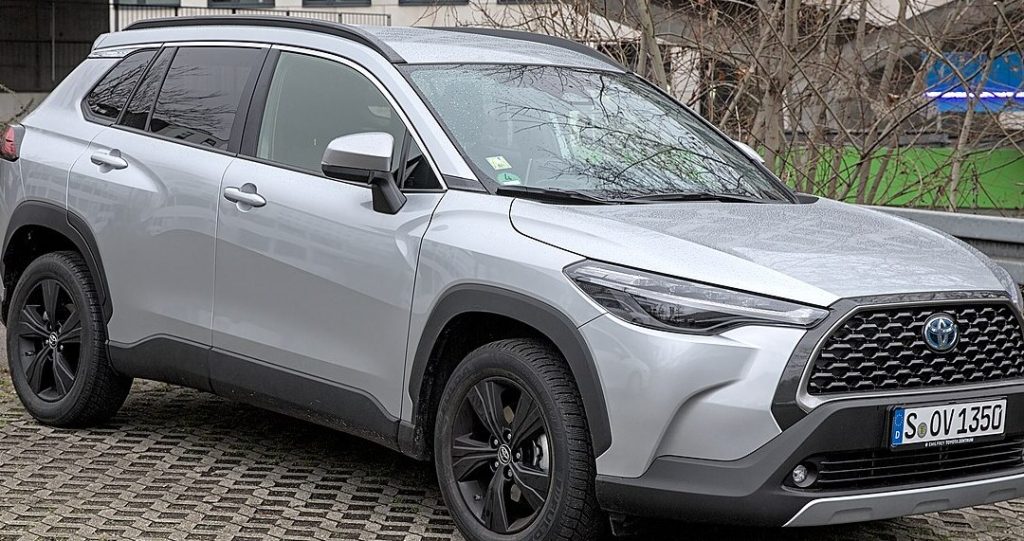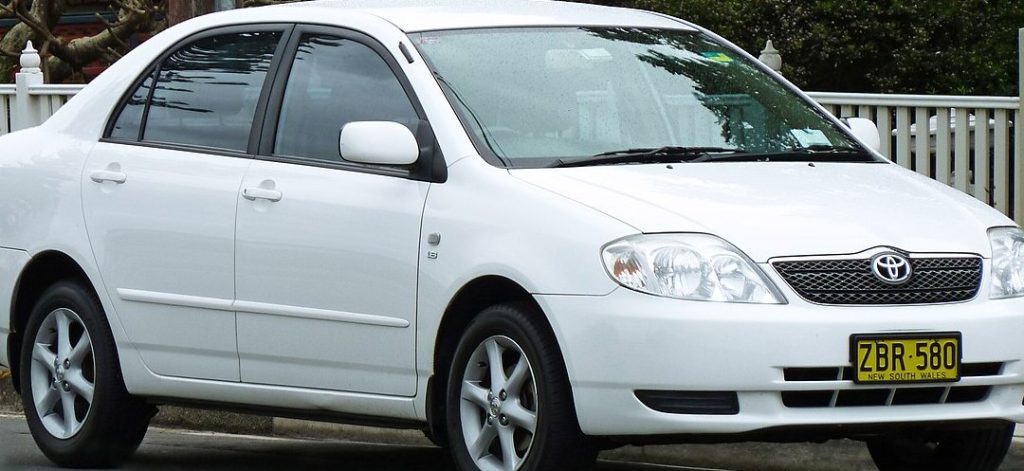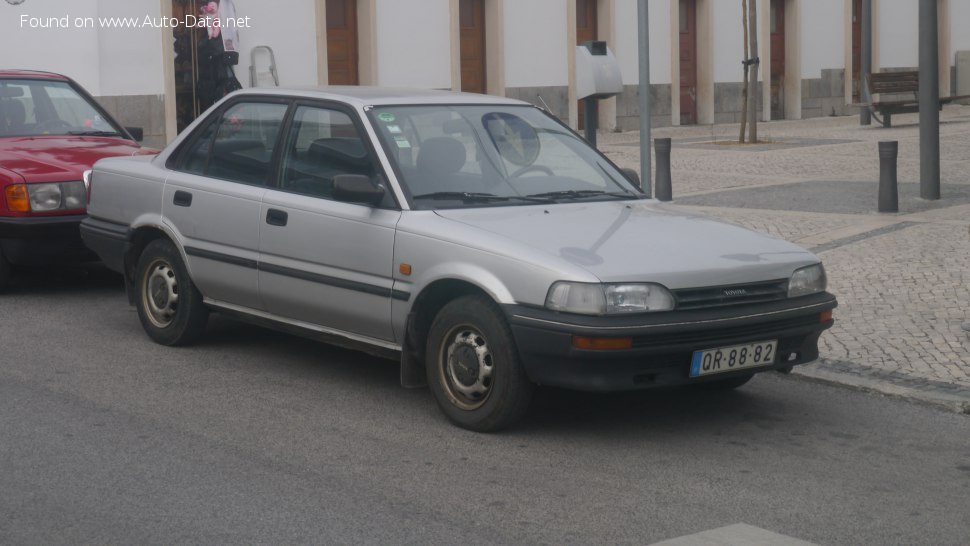
The Toyota Corolla E90, produced between 1989 and 1993, represented the sixth generation of Toyota’s globally successful Corolla line. Within this generation, the 1.6-liter (105 hp) variant, powered by the 4A-F engine, occupied a significant position as a mid-range offering. It bridged the gap between the more economical, lower-powered 1.3 and 1.5-liter models and the higher-performance, though less common, 1.6L Twin Cam and diesel options. This version was primarily aimed at buyers seeking a balance of fuel efficiency, reliability, and adequate performance for everyday driving. The E90 chassis, part of the T platform, saw significant advancements in safety and comfort compared to its predecessor, the E80 series.
The 1.6L (105 hp) Corolla E90: A Detailed Overview
The 1.6L Corolla E90 was a mainstay of Toyota’s lineup during its production run. It was available in various body styles, including a four-door sedan, a five-door hatchback (liftback), a wagon, and a coupe, though the sedan was the most prevalent in North American markets. The 105 hp output positioned it as a practical choice for families and commuters, offering sufficient power for highway driving and daily errands without the higher running costs associated with the more powerful engine options. This trim level was often equipped with a comfortable interior and a reasonable level of standard features, making it a popular choice for those prioritizing value and dependability.
Powertrain & Engine Architecture
The heart of the 1.6L Corolla E90 is the 4A-F engine, a 1.6-liter (1587 cc) inline-four cylinder gasoline engine. This engine is a naturally aspirated, single overhead camshaft (SOHC) design featuring eight valves (two per cylinder). It utilizes a multi-point fuel injection system, contributing to improved fuel efficiency and reduced emissions compared to earlier carburetor-equipped models. The 4A-F engine is known for its robust construction and inherent reliability. Bore and stroke dimensions are 86.0 mm x 85.0 mm, resulting in a compression ratio of 9.5:1. The engine produces 105 horsepower (78 kW) at 6,000 rpm and 100 lb-ft (136 Nm) of torque at 4,800 rpm.
The transmission options for the 1.6L E90 included a five-speed manual and a four-speed automatic. The automatic transmission, often the preferred choice for North American buyers, was designed for smooth and comfortable shifting. It featured electronic control for optimized gear selection based on throttle position and vehicle speed. While not particularly sporty, the four-speed automatic provided adequate performance for typical driving conditions. The automatic transmission’s gear ratios were geared towards fuel economy and smooth operation rather than outright acceleration. The first gear ratio was approximately 2.8:1, second 1.5:1, third 1.0:1, and fourth 0.7:1, with a final drive ratio typically around 4.2:1.
Driving Characteristics
The 1.6L E90 with the automatic transmission delivers a comfortable and predictable driving experience. Acceleration is adequate for merging onto highways and passing slower vehicles, but it’s not a particularly quick car. The 0-60 mph time is estimated to be around 11-12 seconds. The automatic transmission shifts smoothly, though it can sometimes feel hesitant when downshifting for quicker acceleration. Compared to the five-speed manual version, the automatic sacrifices some responsiveness and fuel economy. The manual transmission offered a more engaging driving experience and slightly improved performance. The 1.6L engine provides sufficient power for everyday driving, but it lacks the punch of the Twin Cam 1.6L or the torque of the diesel options. The suspension is tuned for comfort, providing a relatively soft ride that absorbs bumps and imperfections in the road well. However, this also results in some body roll during cornering.
Equipment & Trim Levels
The 1.6L Corolla E90 was available in several trim levels, varying by market. Base models typically included features such as cloth upholstery, manual windows and locks, and a basic AM/FM radio. Higher trim levels added features like power windows and locks, central locking, a better stereo system, and upgraded interior trim. Air conditioning was often an optional extra, even on higher trim levels. Interior upholstery was typically a durable cloth material in shades of gray or blue. The dashboard layout was functional and straightforward, with clearly labeled controls. Optional extras included a sunroof, alloy wheels, and upgraded sound systems. Safety features were relatively basic for the time, typically including seatbelts and a collapsible steering column. Anti-lock brakes (ABS) were not standard equipment and were only available on select models.
Chassis & Braking
The Corolla E90 utilizes a front-engine, front-wheel-drive layout. The suspension consists of MacPherson struts in the front and a torsion beam axle in the rear. This suspension setup provides a comfortable ride and predictable handling. The steering is rack-and-pinion, offering reasonable precision and feedback. The braking system on most 1.6L E90 models consists of disc brakes in the front and drum brakes in the rear. Higher trim levels sometimes featured disc brakes on all four wheels. The brake system is adequate for everyday driving, but it lacks the stopping power of more modern braking systems. Stabilizer bars were typically included in the front suspension to reduce body roll during cornering. Tire size was typically 175/70R14 or 185/60R14, depending on the trim level.
Market Reception & Comparison
The 1.6L Corolla E90 was well-received by critics and consumers alike. It was praised for its reliability, fuel efficiency, and comfortable ride. However, some critics noted that it lacked the performance and refinement of some of its competitors, such as the Honda Civic and Nissan Sentra. Compared to the other engine options in the Corolla E90 lineup, the 1.6L offered a good balance of performance and fuel economy. The 1.3 and 1.5-liter models were more economical but lacked sufficient power for highway driving, while the Twin Cam 1.6L and diesel options offered more performance but were more expensive and less fuel-efficient. Fuel economy for the 1.6L automatic was typically around 25-30 mpg in combined driving. Reliability was a major strength of the E90 Corolla, and the 4A-F engine is known for its longevity and minimal maintenance requirements.
Technical Specifications
| Body Type | Four-Door Sedan |
| Engine Type | Inline-Four Cylinder, Gasoline |
| Engine Code | 4A-F |
| Displacement | 1.6 L (1587 cc) |
| Bore x Stroke | 86.0 mm x 85.0 mm |
| Compression Ratio | 9.5:1 |
| Maximum Power | 105 hp (78 kW) @ 6,000 rpm |
| Maximum Torque | 100 lb-ft (136 Nm) @ 4,800 rpm |
| Fuel System | Multi-Point Fuel Injection |
| Valvetrain | SOHC, 8 Valves |
| Transmission | Four-Speed Automatic |
| Drivetrain | Front-Wheel Drive |
| Front Suspension | MacPherson Struts |
| Rear Suspension | Torsion Beam Axle |
| Front Brakes | Disc |
| Rear Brakes | Drum |
| Curb Weight | Approximately 2,400 lbs (1,089 kg) |
| Fuel Tank Capacity | 13.2 gallons (50 liters) |
Legacy
The 1.6L (105 hp) Corolla E90 remains a popular choice among used car buyers due to its reputation for reliability and affordability. The 4A-F engine is known for its durability and relatively low maintenance costs. Parts are readily available and inexpensive. While not a particularly exciting car to drive, the E90 Corolla provides dependable transportation and is a testament to Toyota’s engineering prowess. Today, well-maintained examples can still be found on the road, serving as a reminder of a simpler era of automotive design. The E90 generation, and specifically this 1.6L variant, solidified the Corolla’s position as a global leader in the compact car segment, a reputation it continues to hold today.