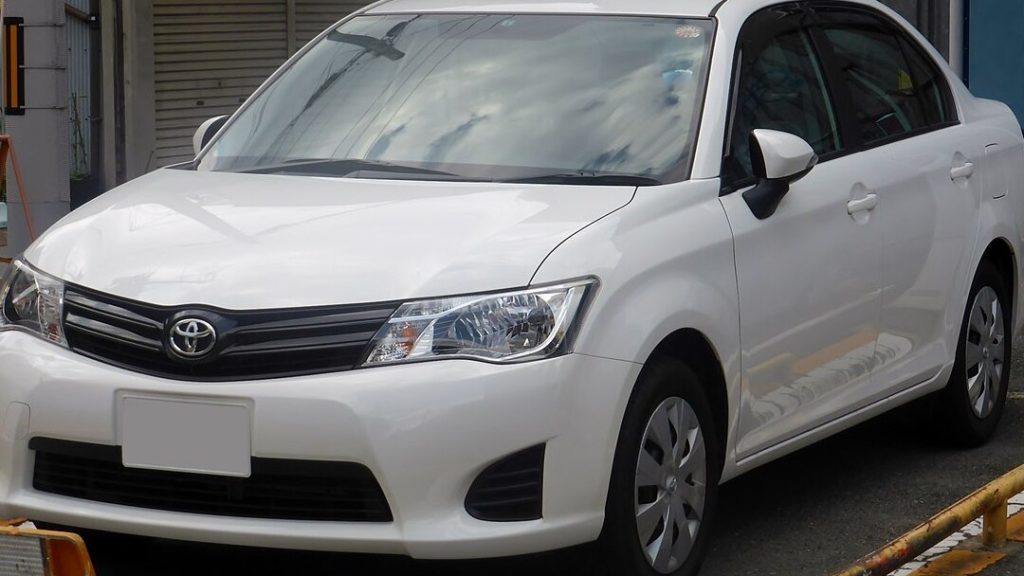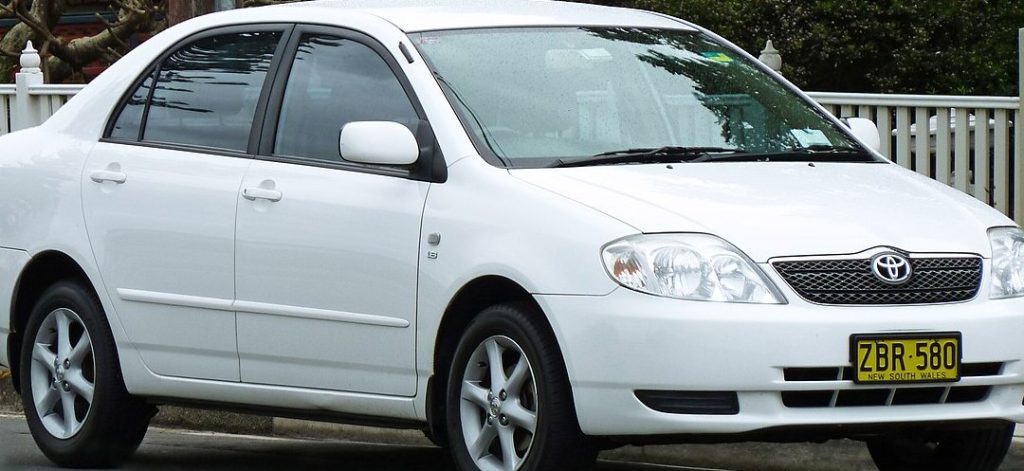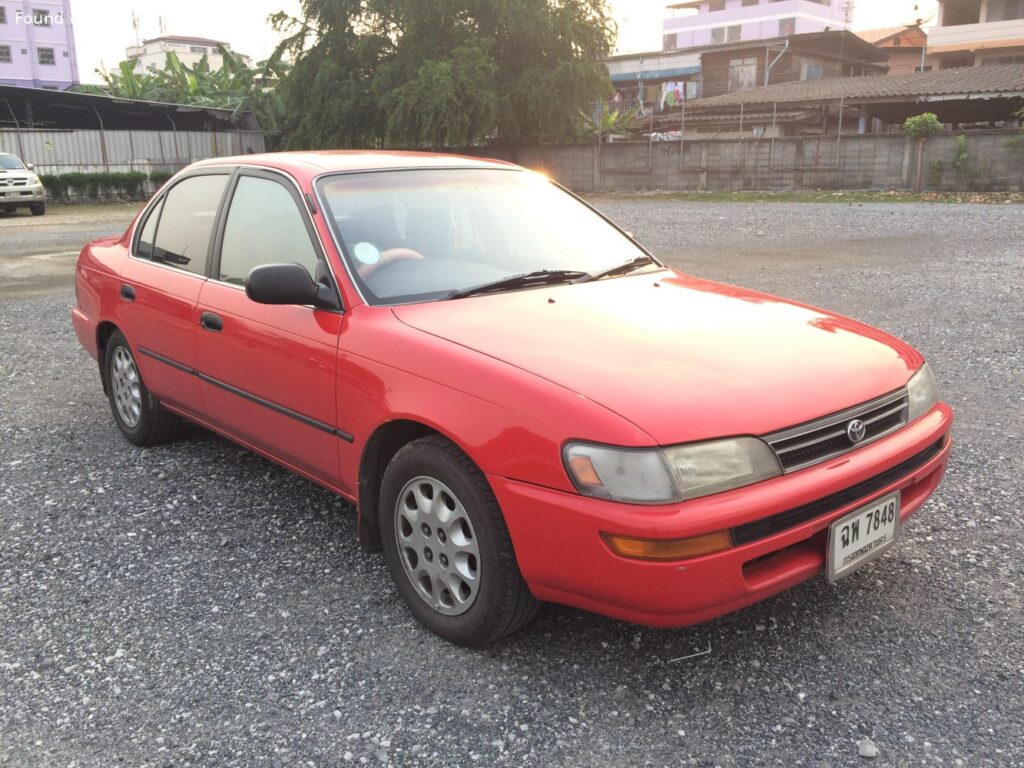
The Toyota Corolla E100, produced between 1992 and 1995, represented the seventh generation of Toyota’s globally successful Corolla line. Within this generation, the 1.3 XLI 16V (EE101) variant, powered by the 2E-E engine producing 88 horsepower, served as an entry-level offering, positioned below the more powerful 1.6L and 1.8L models. It was designed to provide reliable and economical transportation, appealing to a broad customer base seeking a practical and affordable compact sedan. The E100 series was built on the 1HX0 platform, representing a significant redesign from the previous E90 generation, with improvements in styling, safety, and overall refinement.
1.3 XLI 16V (EE101): Powertrain & Engine Architecture
The heart of the 1.3 XLI 16V was the 2E-E inline-four cylinder engine, displacing 1299cc (79.27 cubic inches). This engine featured a cast iron block and an aluminum cylinder head, incorporating a double overhead camshaft (DOHC) valvetrain with four valves per cylinder – hence the “16V” designation. This configuration allowed for improved breathing and higher engine speeds compared to older, simpler designs. Fuel delivery was managed by a multi-port fuel injection system, providing precise fuel metering for optimal combustion and efficiency. The 2E-E engine boasted a compression ratio of 10.5:1.
While a five-speed manual transmission was standard, the 1.3 XLI 16V was also offered with a four-speed automatic transmission. This automatic, a common Toyota unit of the era, was chosen by many buyers for its convenience, particularly in urban driving conditions. The automatic transmission featured electronically controlled torque converter lock-up for improved fuel economy at highway speeds. The gear ratios were tailored to provide smooth acceleration and reasonable fuel efficiency, prioritizing usability over outright performance. The automatic transmission, while reliable, was not known for its sporty responsiveness, and contributed to a slightly slower 0-60 mph time compared to the manual version.
Engine Specifications
The 2E-E engine produced 88 hp at 6000 rpm and 123 Nm (90.72 lb-ft) of torque at 4400 rpm. This output translated to a power-to-weight ratio of approximately 87.6 hp per tonne, making it adequate for everyday driving but not particularly quick. The engine’s power per liter was 67.7 hp/l, a respectable figure for a naturally aspirated engine of this displacement in the early 1990s.
Driving Characteristics
The 1.3 XLI 16V with the automatic transmission offered a comfortable, if uninspiring, driving experience. Acceleration was adequate for merging onto highways and navigating city streets, but the engine felt strained when pushed hard, especially when fully loaded with passengers or cargo. The automatic transmission’s shift points were calibrated for fuel economy, resulting in a somewhat leisurely pace. The 0-60 mph time was around 10.9 seconds, and the top speed was approximately 108.74 mph. Compared to the manual transmission version, the automatic resulted in a noticeable decrease in performance. The 1.6L and 1.8L Corolla variants offered significantly more power and a more engaging driving experience, but at a higher price point.
Handling was predictable and safe, with the front-wheel-drive layout providing good stability. The suspension, tuned for comfort, absorbed bumps and imperfections in the road reasonably well. However, it wasn’t particularly sporty, and body roll was noticeable during cornering. Overall, the driving experience was geared towards practicality and ease of use rather than performance.
Equipment & Trim Levels
The 1.3 XLI 16V typically came standard with features considered essential for the time, including power steering, a basic audio system, and cloth upholstery. The interior was functional and durable, with a focus on practicality rather than luxury. The dashboard layout was straightforward and easy to use. Optional extras included air conditioning, power windows, and upgraded audio systems. The XLI trim level represented a step up from the base model, offering a slightly more refined interior and additional convenience features. The interior color schemes were typically conservative, with shades of gray and beige being common.
Chassis & Braking
The Corolla E100 featured an independent front suspension with wishbone configuration, providing a comfortable ride and reasonable handling. The rear suspension utilized a spring strut setup, which was cost-effective and space-efficient. The braking system consisted of ventilated discs on the front wheels and drum brakes on the rear. This configuration was typical for vehicles in this class at the time. Anti-lock braking system (ABS) was available as an option, enhancing safety by preventing wheel lockup during hard braking. The steering system employed a rack and pinion setup with hydraulic power assistance, providing light and precise steering feel. The standard tire size was 165/70 R14.
Market Reception & Comparison
The 1.3 XLI 16V was generally well-received by critics as a reliable and economical compact sedan. It was praised for its fuel efficiency, durability, and affordability. However, it was often criticized for its lack of power and somewhat unrefined driving experience. Compared to the 1.6L and 1.8L Corolla variants, the 1.3L model offered lower running costs but sacrificed performance. Fuel economy was a strong point, achieving around 35.1 US mpg (6.7 l/100 km) in combined driving. Reliability was also a key strength, with the 2E-E engine proving to be exceptionally durable. In terms of competition, the 1.3 XLI 16V faced rivals such as the Honda Civic, Nissan Sentra, and Mazda 323, all of which offered similar levels of practicality and affordability.
Technical Specifications
| Body Type | Sedan, 4 Doors, 5 Seats |
| Engine Type | Petrol (Gasoline) |
| Engine Displacement | 1.3 l / 1299 cm3 / 79.27 cu. in. |
| Number of Cylinders | 4, Inline |
| Power | 88 Hp @ 6000 rpm |
| Torque | 123 Nm @ 4400 rpm / 90.72 lb.-ft. @ 4400 rpm |
| Fuel Consumption (Combined) | 6.7 l/100 km / 35.1 US mpg / 42.2 UK mpg / 14.9 km/l |
| Acceleration 0-60 mph | 10.9 sec (Calculated) |
| Acceleration 0-100 km/h | 11.5 sec |
| Maximum Speed | 175 km/h / 108.74 mph |
| Kerb Weight | 1005 kg / 2215.65 lbs. |
| Max. Weight | 1555 kg / 3428.19 lbs. |
| Trunk (Boot) Space | 420 l / 14.83 cu. ft. |
| Fuel Tank Capacity | 50 l / 13.21 US gal / 11 UK gal |
| Transmission | 4-speed Automatic |
| Drive Type | Front Wheel Drive |
| Length | 4270 mm / 168.11 in. |
| Width | 1685 mm / 66.34 in. |
| Height | 1380 mm / 54.33 in. |
Legacy
The 1.3 XLI 16V (EE101) powertrain, while not the most powerful or exciting in the Corolla E100 lineup, has proven to be remarkably durable and reliable over the long term. The 2E-E engine is known for its longevity and relatively low maintenance costs. Today, these Corollas are increasingly sought after by enthusiasts and collectors who appreciate their simplicity, reliability, and affordability. Parts availability remains good, making them relatively easy to maintain and repair. While not a performance icon, the 1.3 XLI 16V represents a significant chapter in the Corolla’s history, embodying Toyota’s commitment to building dependable and practical vehicles.