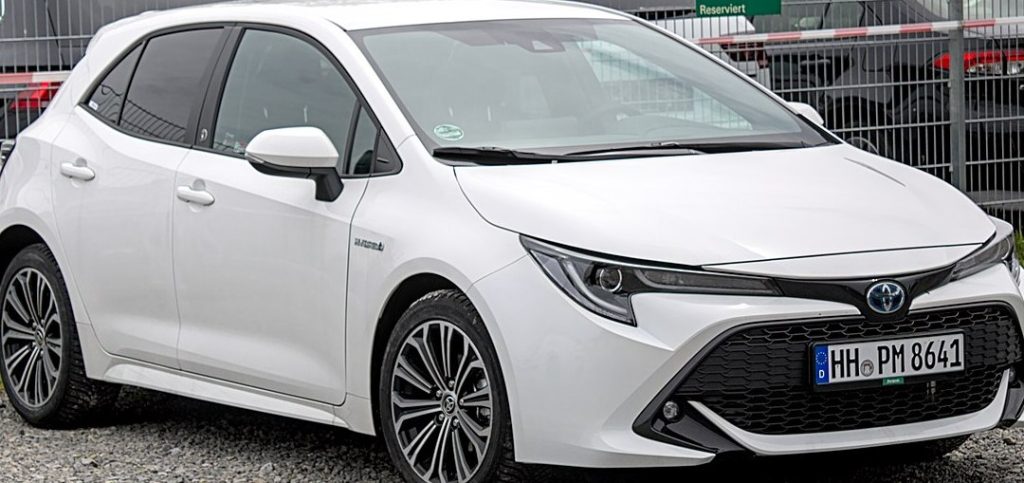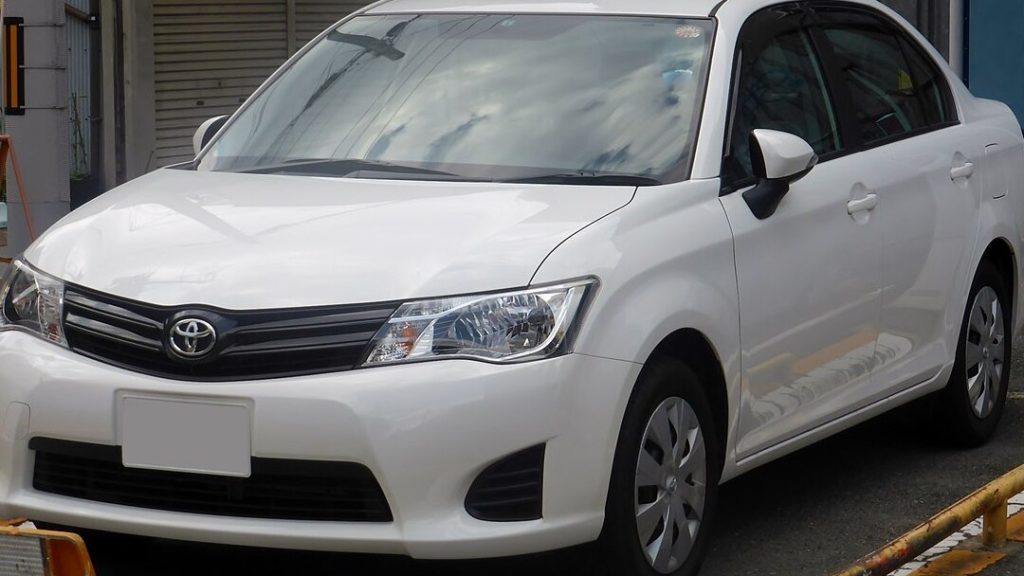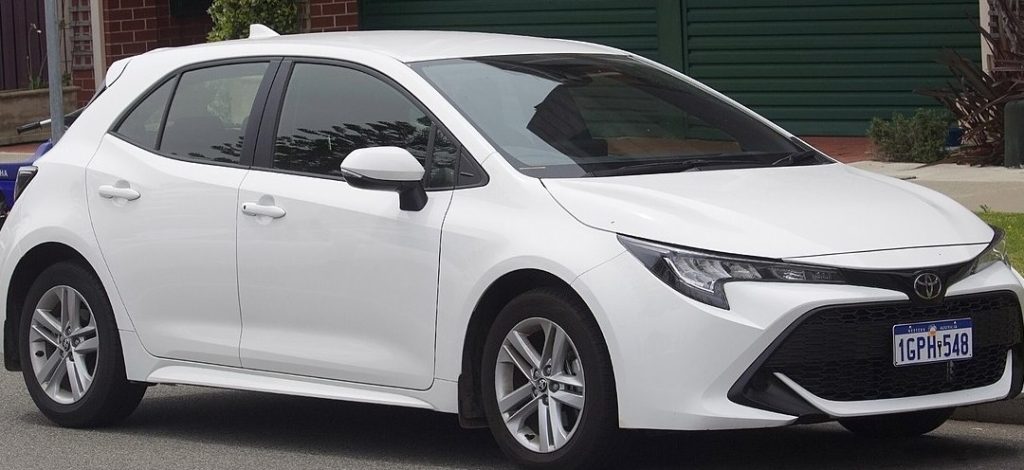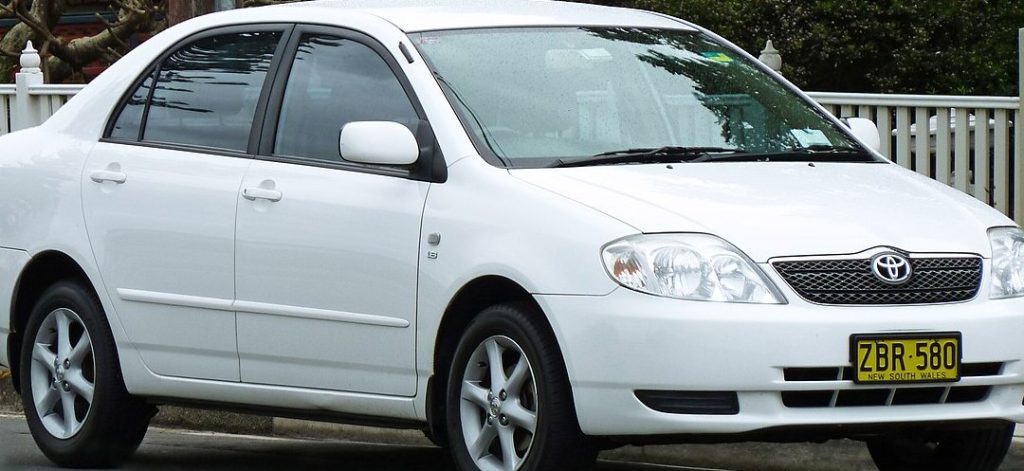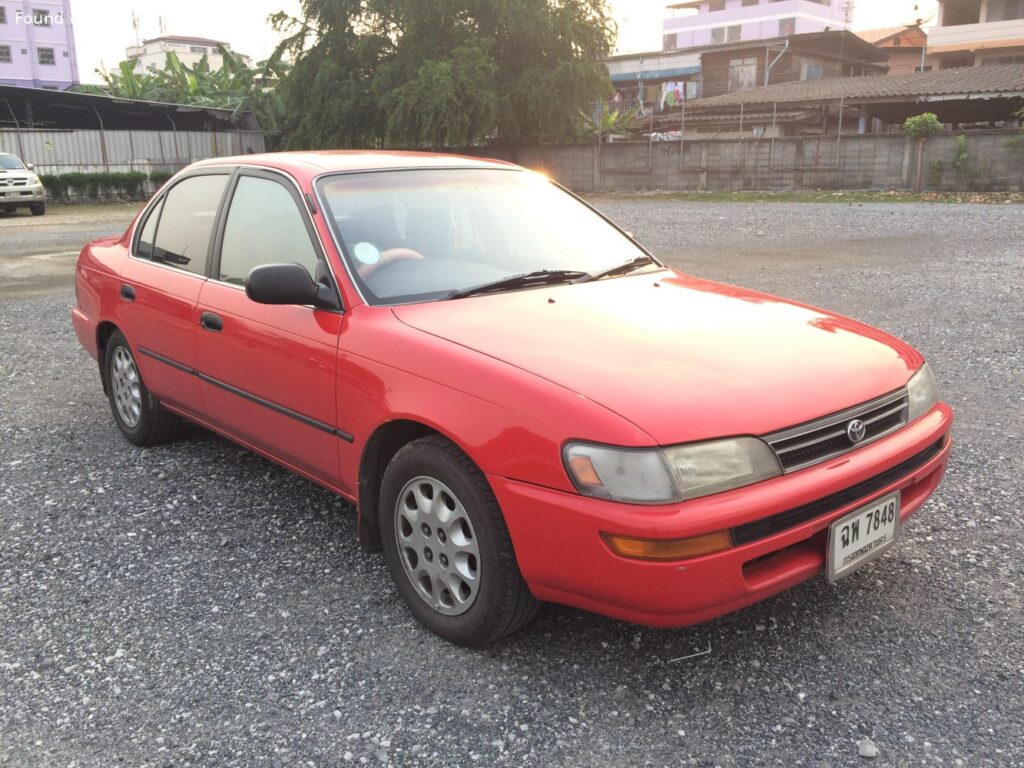
The Toyota Corolla E100, produced between 1992 and 1997, represented the seventh generation of Toyota’s globally successful Corolla line. Within this generation, the 2.0 D variant, powered by a 72 horsepower diesel engine, occupied a specific niche. It was positioned as an economy-focused option, appealing to buyers prioritizing fuel efficiency and durability over outright performance. This model was primarily sold in European and other international markets where diesel engines were more popular than in the United States. The E100 series was built on the T platform, also known as the 1HX0 series, and represented a significant redesign over the previous E90 generation, offering increased interior space and improved safety features.
The 2.0 D (72 hp) Corolla: A Detailed Overview
The 2.0 D variant of the E100 Corolla distinguished itself through its diesel powertrain. While gasoline-powered Corollas were common, the diesel offered a different driving experience and catered to a different set of needs. This trim level was generally considered the entry-level diesel offering within the E100 range, with more powerful diesel options available in some markets. The 2.0 D was typically a more basic trim, focusing on practicality and affordability, making it a popular choice for fleet vehicles and budget-conscious buyers.
Powertrain & Engine Architecture
At the heart of the 2.0 D Corolla lay the 2C diesel engine. This 1.975-liter (120.52 cubic inches) inline-four cylinder engine produced 72 horsepower at 4600 rpm and 131 Nm (96.62 lb-ft) of torque at 2600 rpm. The engine featured a compression ratio of 23:1, indicative of its diesel design. It utilized a precombustion chamber injection system, a common technology for diesel engines of the era, which improved combustion efficiency and reduced noise compared to direct injection systems. The engine employed an Overhead Camshaft (OHC) valvetrain with four valves per cylinder. The 2C engine was known for its robustness and relatively simple design, contributing to its longevity and ease of maintenance.
The 2.0 D was exclusively offered with a 5-speed manual transmission. An automatic transmission was not available with this engine option. This pairing was chosen to maximize fuel economy and provide adequate, though not sporty, performance. The transmission was a standard, fully synchronized unit, designed for durability and ease of use.
Driving Characteristics
The driving experience in the 2.0 D Corolla was characterized by its focus on fuel efficiency and practicality. Acceleration was modest, with a 0-100 km/h (0-62 mph) time of approximately 14.1 seconds. Top speed was limited to around 165 km/h (102.53 mph). The engine’s torque peak at 2600 rpm meant that usable power was available at lower engine speeds, making it suitable for everyday driving and hauling moderate loads. However, it lacked the responsiveness of higher-output gasoline engines or even more powerful diesel variants. The 5-speed manual transmission allowed drivers to optimize engine speed for fuel economy or to extract the most available power when needed. Compared to the gasoline-powered Corollas, the 2.0 D offered significantly better fuel economy but at the expense of acceleration and refinement. The diesel engine was noticeably louder and produced more vibration than its gasoline counterparts.
Equipment & Trim Levels
The 2.0 D Corolla typically came with a relatively basic level of equipment. Standard features generally included power steering, a basic audio system, and cloth upholstery. Air conditioning was often an optional extra, as were power windows and central locking. The interior design was functional and durable, prioritizing practicality over luxury. The dashboard layout was straightforward, with clearly labeled controls. Trim levels varied depending on the market, but the 2.0 D was generally positioned as the entry-level diesel option, meaning it lacked many of the premium features found in higher-spec Corollas. Safety features were also relatively basic, typically including seatbelts and, in some markets, Anti-lock Braking System (ABS).
Chassis & Braking
The E100 Corolla 2.0 D utilized a front-engine, front-wheel-drive layout. The front suspension consisted of wishbones, providing a comfortable ride and predictable handling. The rear suspension employed a spring strut design, which was cost-effective and space-efficient. The braking system featured ventilated discs on the front wheels and drum brakes on the rear. ABS was available as an option, enhancing braking performance and safety. The steering system was a rack and pinion setup with hydraulic power assistance, providing responsive and relatively light steering. The vehicle’s curb weight of 1040 kg (2292.81 lbs) contributed to its reasonable fuel economy and manageable handling characteristics. Tire size was typically 165/70 R14.
Market Reception & Comparison
The 2.0 D Corolla received generally positive reviews for its fuel efficiency, durability, and affordability. Critics praised its robust engine and practical design. However, it was often criticized for its lack of performance and refinement compared to gasoline-powered alternatives. In terms of fuel economy, the 2.0 D offered a significant advantage over gasoline models, achieving approximately 5.9 l/100 km (39.9 US mpg) on a combined cycle. Reliability was also a strong point, with the 2C engine proving to be exceptionally durable. Compared to other diesel Corollas in the E100 range, the 2.0 D was the least powerful, but it also offered the lowest price point. It competed with other compact diesel sedans from manufacturers like Volkswagen, Ford, and Peugeot.
Technical Specifications
| Brand | Toyota |
| Model | Corolla |
| Generation | Corolla VII (E100) |
| Type (Engine) | 2.0 D (72 Hp) |
| Start of production | 1992 |
| End of production | 1997 |
| Engine Model/Code | 2C |
| Engine displacement | 1975 cm3 (120.52 cu. in.) |
| Number of cylinders | 4 |
| Engine configuration | Inline |
| Cylinder Bore | 86 mm (3.39 in.) |
| Piston Stroke | 85 mm (3.35 in.) |
| Compression ratio | 23:1 |
| Power | 72 Hp @ 4600 rpm |
| Torque | 131 Nm @ 2600 rpm (96.62 lb.-ft. @ 2600 rpm) |
| Fuel Type | Diesel |
| Acceleration 0 – 100 km/h | 14.1 sec |
| Acceleration 0 – 60 mph | 13.4 sec |
| Maximum speed | 165 km/h (102.53 mph) |
| Kerb Weight | 1040 kg (2292.81 lbs.) |
| Fuel tank capacity | 50 l (13.21 US gal | 11 UK gal) |
| Trunk (boot) space | 420 l (14.83 cu. ft.) |
| Transmission | 5 gears, manual transmission |
Legacy
The Toyota Corolla E100 2.0 D, while not the most glamorous or powerful variant of the seventh-generation Corolla, has earned a reputation for exceptional reliability and longevity. The 2C diesel engine is known for its ability to withstand high mileage with minimal maintenance. Today, these vehicles are relatively rare, but those that remain are often well-maintained and sought after by enthusiasts and those seeking a dependable and economical vehicle. The 2.0 D’s simple design and robust construction make it a relatively easy car to repair and maintain, even decades after its production ended. In the used car market, these Corollas typically command reasonable prices, reflecting their age and mileage, but their reputation for reliability ensures continued demand.