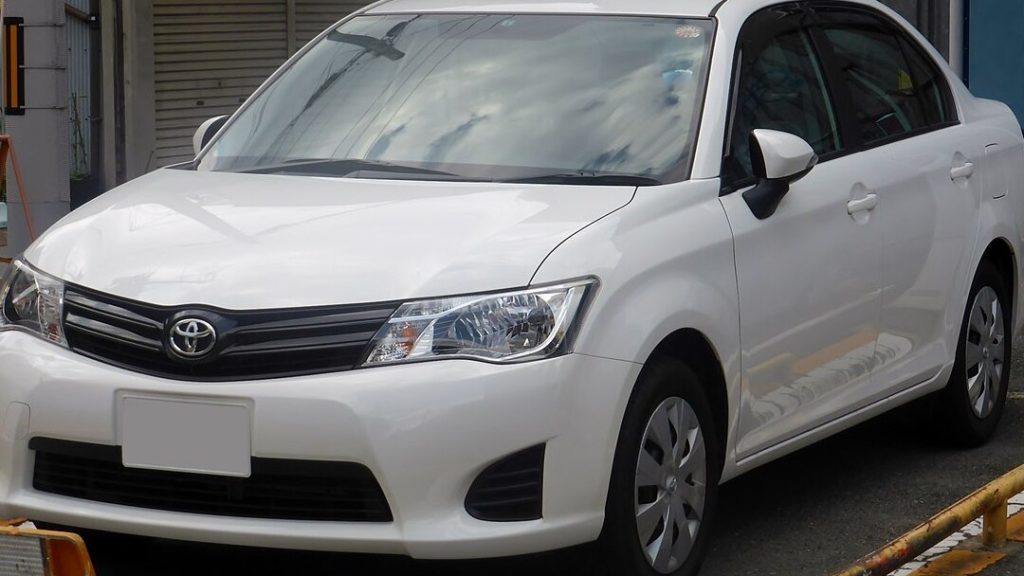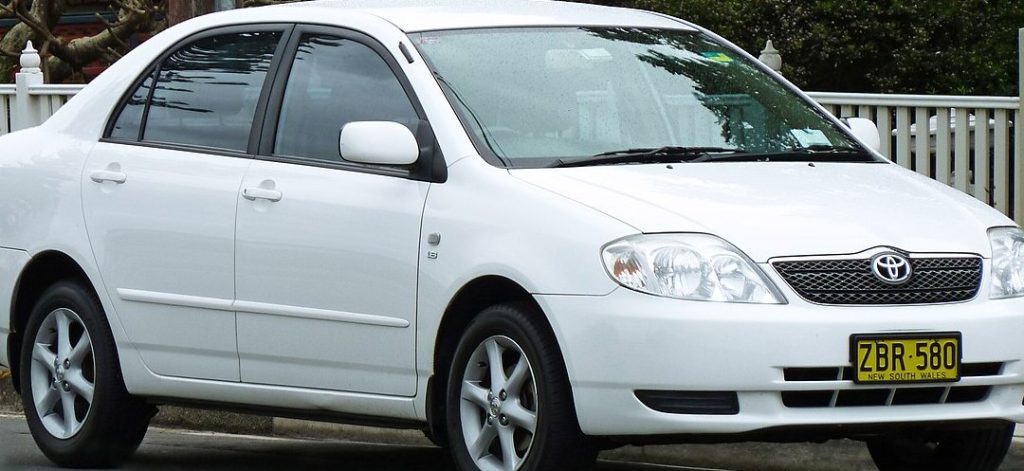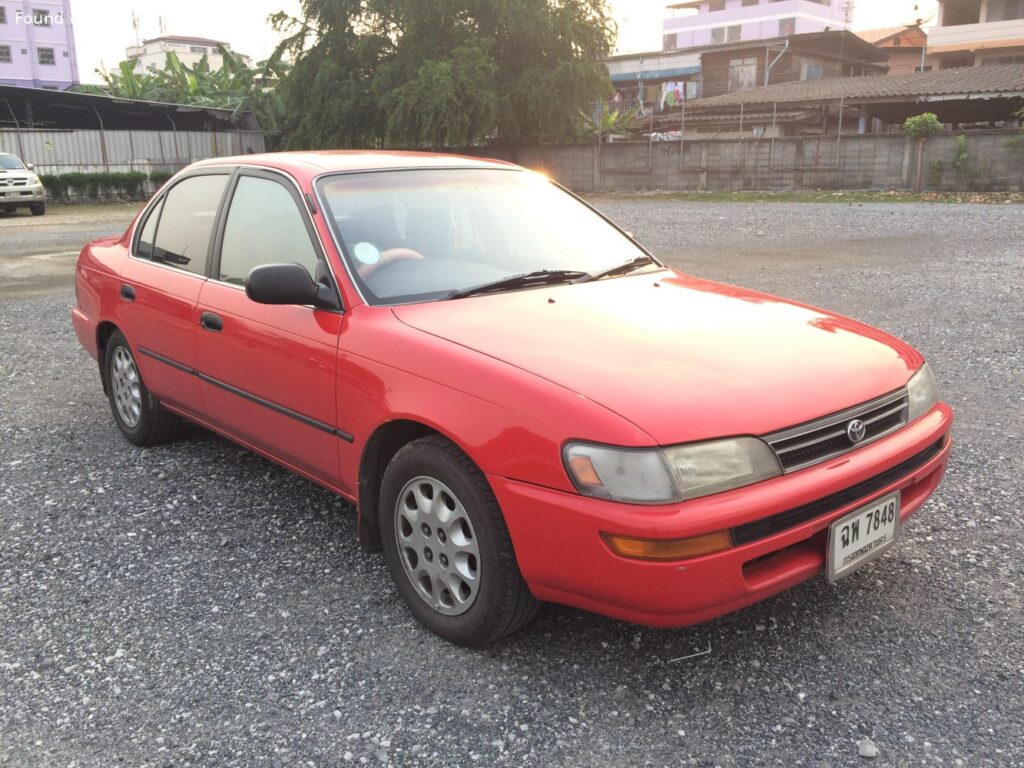
The Toyota Corolla E100, produced between 1992 and 1997, represented the seventh generation of Toyota’s globally successful Corolla line. Within this generation, the 2.0 D Automatic variant offered a diesel-powered option paired with a four-speed automatic transmission. This configuration positioned itself as a more economical and comfort-oriented choice within the E100 range, appealing to buyers prioritizing fuel efficiency and ease of driving over outright performance. It sat below the gasoline-powered 1.6L and 1.8L models in terms of acceleration, but offered a different appeal for those seeking a durable and fuel-efficient sedan.
The 2.0 D Automatic: A Detailed Overview
The 2.0 D Automatic model was a key part of Toyota’s strategy to offer a diverse Corolla lineup catering to various customer needs. While the gasoline engines focused on broader appeal, the diesel variant, particularly with the automatic transmission, targeted buyers who frequently undertook long journeys or required a vehicle capable of handling heavier loads without excessive fuel consumption. This trim level was particularly popular in European markets where diesel fuel was more readily available and economically advantageous.
Powertrain & Engine Architecture
At the heart of the Corolla 2.0 D Automatic lies the 2C diesel engine, a 1.975-liter (120.52 cubic inches) inline-four cylinder unit. This engine, designated with the code 2C, was known for its robustness and relatively simple design. It featured precombustion chamber injection, a system common in diesel engines of the era, which improved combustion efficiency and reduced engine noise compared to direct injection systems. The engine produced 72 horsepower (hp) at 4600 rpm and 131 Nm (96.62 lb-ft) of torque at 2600 rpm. The compression ratio was a high 23:1, typical for diesel engines, contributing to its fuel efficiency.
The engine utilized an overhead camshaft (OHC) valvetrain, operating four valves per cylinder. This configuration, while not cutting-edge for the time, provided a good balance between performance and reliability. The engine oil capacity was 5.3 liters (5.6 US quarts / 4.66 UK quarts), and Toyota specified a particular oil grade for optimal performance and longevity. The cooling system held 7.3 liters (7.71 US quarts / 6.42 UK quarts) of coolant.
The engine was mated to a four-speed automatic transmission. This transmission, while providing convenience, was not known for its sporty characteristics. The gear ratios were optimized for fuel economy and smooth cruising rather than rapid acceleration. The automatic transmission contributed to the vehicle’s ease of use, particularly in urban environments.
Driving Characteristics
The driving experience in the Corolla 2.0 D Automatic was characterized by its relaxed and comfortable nature. Acceleration was modest, with a 0-100 km/h (0-62 mph) time of 14.1 seconds. The 0-60 mph time was calculated at 13.4 seconds. Top speed was limited to 165 km/h (102.53 mph). The engine’s torque peak at 2600 rpm meant that usable power was available from relatively low engine speeds, making it suitable for everyday driving. However, overtaking maneuvers required careful planning due to the engine’s limited horsepower.
The automatic transmission shifted smoothly, but lacked the responsiveness of a manual gearbox. The gear ratios were spaced to prioritize fuel efficiency, resulting in a noticeable delay during kickdown. Compared to the 1.6L or 1.8L gasoline versions, the 2.0 D Automatic offered significantly less acceleration but superior fuel economy.
Equipment & Trim Levels
The standard equipment level of the 2.0 D Automatic varied depending on the specific market. Generally, it included features such as power steering, central locking, and basic instrumentation. Interior upholstery was typically cloth, with a functional and durable design. The dashboard layout was straightforward and easy to use. Optional extras could include air conditioning, power windows, and an upgraded audio system. The trim level was generally considered mid-range, offering a good balance of features and affordability.
Chassis & Braking
The Corolla E100 2.0 D Automatic featured a front-engine, front-wheel-drive layout. The front suspension utilized a wishbone configuration, providing a comfortable ride and predictable handling. The rear suspension employed a spring strut setup. The braking system consisted of ventilated discs on the front wheels and drum brakes on the rear wheels. Anti-lock braking system (ABS) was often included as standard or optional equipment, enhancing safety. The steering system was a rack and pinion type with hydraulic power assistance, providing light and precise steering feel. The vehicle rode on 165/70 R14 tires mounted on 14-inch steel wheels.
Market Reception & Comparison
The Corolla 2.0 D Automatic received generally positive reviews for its fuel efficiency, reliability, and comfortable ride. Critics acknowledged its modest performance but praised its practicality and durability. Compared to other trims in the E100 lineup, the 2.0 D Automatic offered the best fuel economy, with combined fuel consumption figures of 5.9 l/100 km (39.9 US mpg / 47.9 UK mpg / 16.9 km/l). However, it lagged behind the gasoline models in terms of acceleration and overall performance. The diesel engine was also perceived as being slightly noisier than the gasoline alternatives.
Technical Specifications
| Brand | Toyota |
| Model | Corolla |
| Generation | Corolla VII (E100) |
| Type (Engine) | 2.0 D (72 Hp) Automatic |
| Start of production | 1992 |
| End of production | 1997 |
| Engine Model/Code | 2C |
| Engine displacement | 1975 cm3 (120.52 cu. in.) |
| Number of cylinders | 4 |
| Engine configuration | Inline |
| Cylinder Bore | 86 mm (3.39 in.) |
| Piston Stroke | 85 mm (3.35 in.) |
| Compression ratio | 23:1 |
| Number of valves per cylinder | 4 |
| Fuel injection system | Precombustion chamber injection |
| Engine aspiration | Naturally aspirated |
| Power | 72 Hp @ 4600 rpm |
| Torque | 131 Nm @ 2600 rpm (96.62 lb.-ft. @ 2600 rpm) |
| Fuel Type | Diesel |
| Acceleration 0 – 100 km/h | 14.1 sec |
| Acceleration 0 – 60 mph | 13.4 sec |
| Maximum speed | 165 km/h (102.53 mph) |
| Kerb Weight | 1040 kg (2292.81 lbs.) |
| Fuel tank capacity | 50 l (13.21 US gal | 11 UK gal) |
| Trunk (boot) space | 420 l (14.83 cu. ft.) |
| Transmission | 4 gears, automatic |
Legacy
The 2.0 D Automatic variant of the Toyota Corolla E100 has proven to be a remarkably durable and reliable vehicle. The 2C diesel engine, known for its simplicity and robustness, has a reputation for longevity, even with high mileage. Today, these vehicles are often found in the used car market, prized for their affordability and fuel efficiency. While they may not offer the performance of more modern vehicles, they remain a practical and dependable choice for those seeking a basic and economical sedan. The automatic transmission, while not particularly sophisticated, has also proven to be relatively reliable. The Corolla E100 2.0 D Automatic remains a testament to Toyota’s commitment to building durable and dependable vehicles.