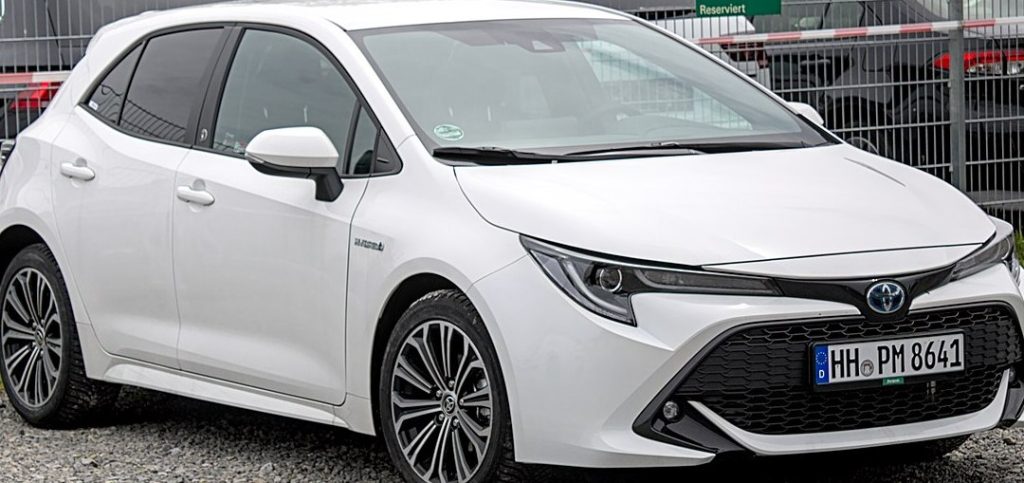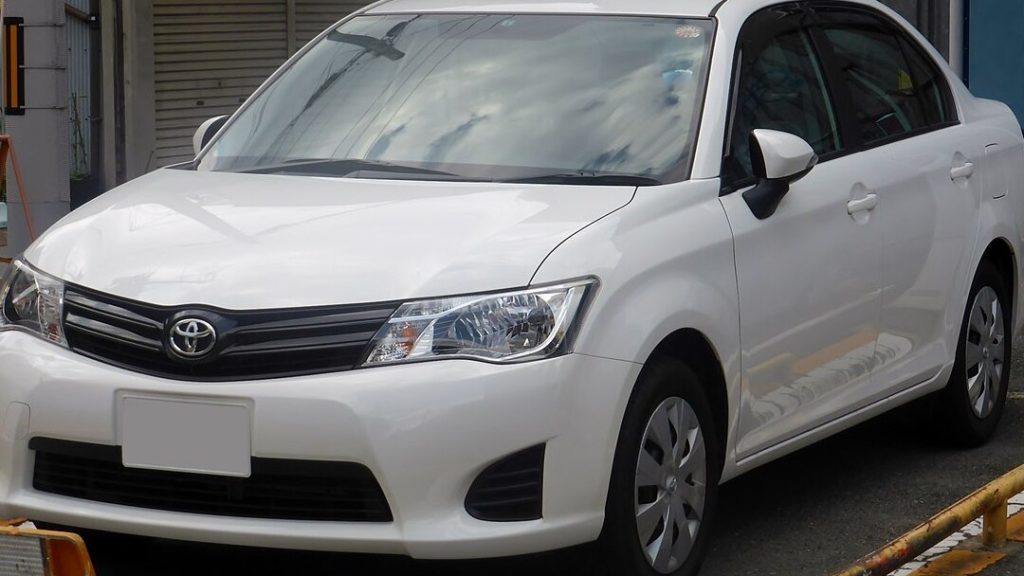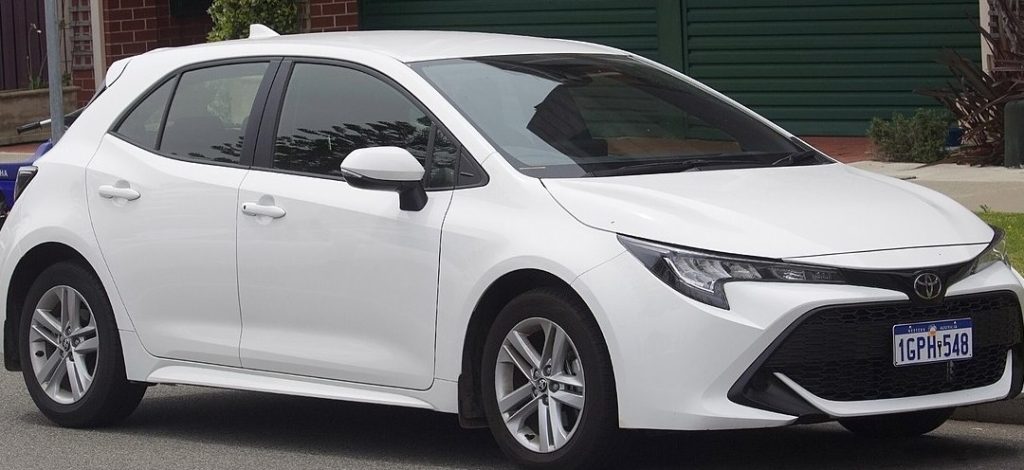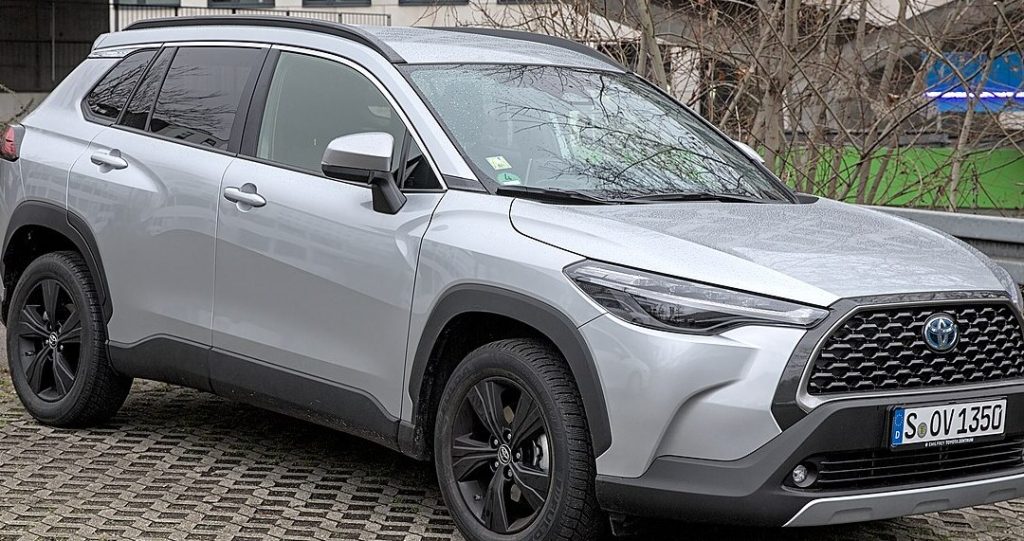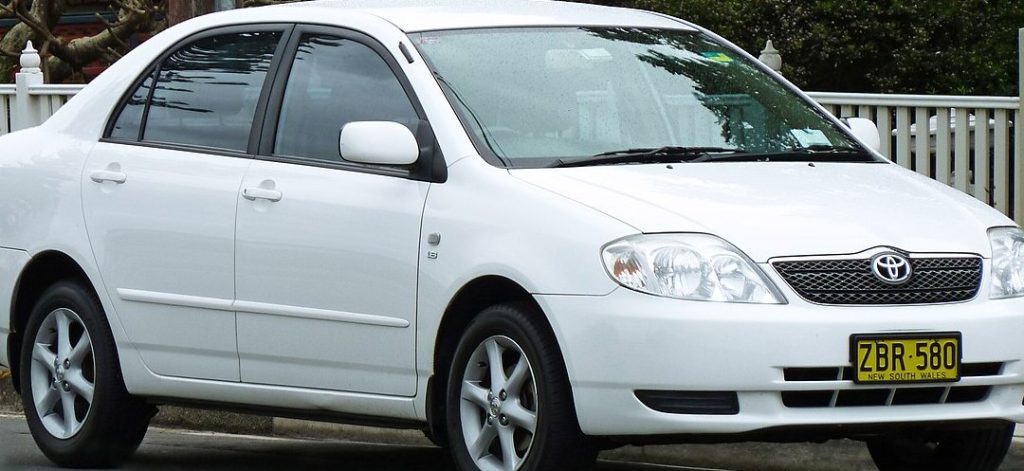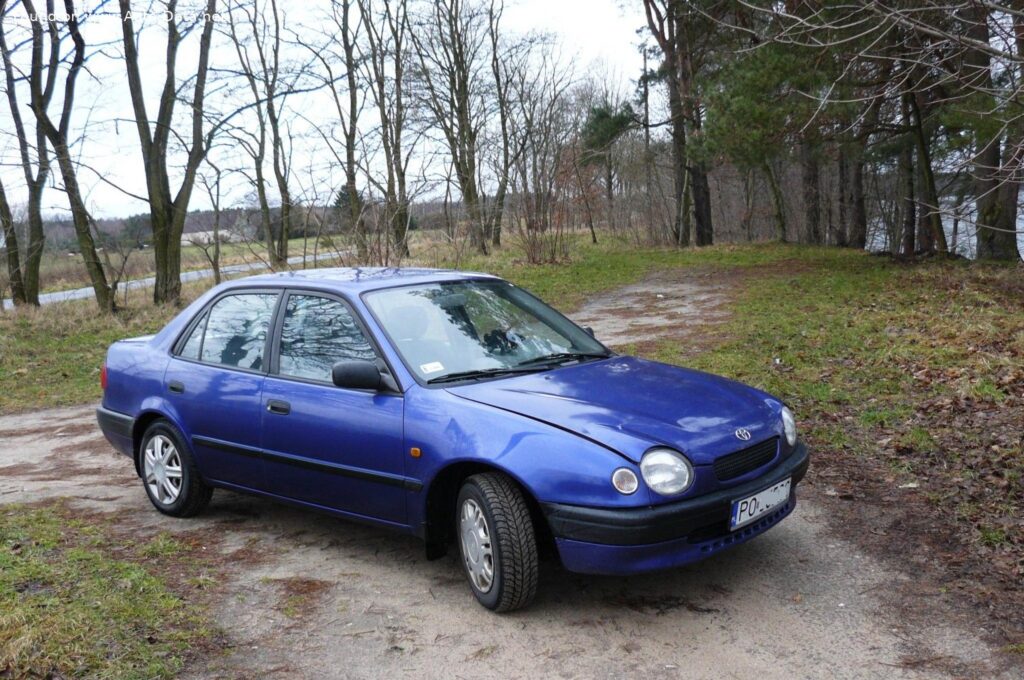
The Toyota Corolla E110, produced between 1997 and 2000, represented the eighth generation of Toyota’s globally successful Corolla line. Within this generation, the 2.0 D variant, powered by a 1.975-liter diesel engine producing 72 horsepower, occupied a specific niche. It was generally positioned as an economy-focused option, appealing to buyers prioritizing fuel efficiency and durability over outright performance. This model was primarily sold in European and other international markets where diesel engines were more popular than in the United States.
Toyota Corolla E110 2.0 D (72 hp): An Overview
The E110 Corolla series saw Toyota refine its formula for a compact, reliable, and affordable family car. The 2.0 D model distinguished itself with its diesel powerplant, offering a different driving experience and fuel economy profile compared to the gasoline-powered versions. It was available exclusively as a four-door sedan, catering to a practical, family-oriented demographic. The 2.0 D was often considered a base or mid-range trim, depending on the specific market and optional equipment selected.
Powertrain & Engine Architecture
The heart of the Corolla 2.0 D was the 2C diesel engine, a 1.975-liter (120.52 cubic inches) inline-four cylinder unit. This engine utilized a precombustion chamber injection system, a common diesel technology of the era. This system involved injecting fuel into a small precombustion chamber connected to the main cylinder, promoting more complete combustion and reducing engine noise. The 2C engine featured an overhead camshaft (OHC) valvetrain with four valves per cylinder. The engine’s bore and stroke measured 86 mm (3.39 in) and 85 mm (3.35 in) respectively, resulting in a compression ratio of 23:1. The engine required 5.1 liters (5.39 US quarts) of engine oil, specified to meet Toyota’s standards for diesel engines of the time. The cooling system held 7.3 liters (7.71 US quarts) of coolant.
Unlike many contemporary Corollas which were offered with automatic transmissions, the 2.0 D was exclusively paired with a five-speed manual transmission. This was a deliberate choice, as the relatively low horsepower and torque output of the 2C engine were considered better suited to the control offered by a manual gearbox. The transmission was a standard front-wheel-drive configuration, delivering power to the front wheels.
Driving Characteristics
The Corolla 2.0 D, with its 72 hp and 96.62 lb-ft of torque, was not designed for spirited acceleration. Acceleration from 0 to 62 mph (0-100 km/h) took approximately 14.4 seconds, and 0-60 mph was achieved in around 13.7 seconds. The top speed was limited to 102.53 mph (165 km/h). The engine’s torque peak at 2600 rpm provided reasonable pulling power for everyday driving, but overtaking maneuvers required careful planning. The five-speed manual transmission allowed drivers to keep the engine in its optimal power band, maximizing efficiency and responsiveness. Compared to the gasoline-powered Corolla variants, the 2.0 D offered significantly better fuel economy, but at the expense of performance. The manual transmission also provided a more engaging driving experience than the automatic options available on other Corolla trims.
Equipment & Trim Levels
The standard equipment level of the 2.0 D Corolla varied depending on the market. Generally, it included basic features such as power steering, central locking, and a basic audio system. Interior upholstery was typically cloth, and the dashboard featured a functional, if somewhat spartan, design. Optional extras could include air conditioning, power windows, and upgraded audio systems. Higher trim levels, available in some markets, added features like alloy wheels, a sunroof, and more luxurious interior appointments. The focus of the 2.0 D trim was on providing essential transportation at an affordable price, rather than offering a premium experience.
Chassis & Braking
The Corolla E110 2.0 D utilized a front-wheel-drive chassis with a wishbone front suspension and a spring strut rear suspension. This setup provided a comfortable ride quality, suitable for everyday driving conditions. The front brakes were ventilated discs, offering good stopping power, while the rear brakes were drum brakes, a cost-saving measure common in this class of vehicle. Anti-lock braking system (ABS) was often included as standard equipment, enhancing safety. The steering system was a rack and pinion type with hydraulic power assistance, providing precise and responsive steering feel. The vehicle rode on 165/70 R14 tires, offering a balance of comfort and grip.
Market Reception & Comparison
The Corolla 2.0 D was generally well-received in markets where diesel engines were popular. Critics praised its fuel efficiency and durability, but noted its lack of performance. Compared to the gasoline-powered Corolla variants, the 2.0 D offered significantly better fuel economy – approximately 45.2 US mpg (54.3 UK mpg) on the extra-urban cycle and 28.3 US mpg (34 UK mpg) in the city. However, the gasoline engines provided considerably more power and acceleration. The 2.0 D was often compared to other compact diesel sedans of the era, such as the Volkswagen Golf and Ford Focus, and generally held its own in terms of reliability and running costs. Its simplicity and robust construction made it a popular choice for fleet operators and drivers covering high mileage.
Technical Specifications
| Brand | Toyota |
| Model | Corolla |
| Generation | Corolla VIII (E110) |
| Type (Engine) | 2.0 D (72 Hp) |
| Start of production | 1997 |
| End of production | 2000 |
| Engine Model/Code | 2C |
| Engine displacement | 1975 cm3 (120.52 cu. in.) |
| Number of cylinders | 4 |
| Engine configuration | Inline |
| Cylinder Bore | 86 mm (3.39 in.) |
| Piston Stroke | 85 mm (3.35 in.) |
| Compression ratio | 23:1 |
| Power | 72 Hp @ 4600 rpm |
| Torque | 131 Nm @ 2600 rpm (96.62 lb.-ft. @ 2600 rpm) |
| Fuel Type | Diesel |
| Acceleration 0 – 100 km/h | 14.4 sec |
| Acceleration 0 – 62 mph | 14.4 sec |
| Acceleration 0 – 60 mph | 13.7 sec |
| Maximum speed | 165 km/h (102.53 mph) |
| Kerb Weight | 1150 kg (2535.32 lbs.) |
| Max. weight | 1650 kg (3637.63 lbs.) |
| Fuel tank capacity | 50 l (13.21 US gal | 11 UK gal) |
| Trunk (boot) space – minimum | 390 l (13.77 cu. ft.) |
| Number of gears and type of gearbox | 5 gears, manual transmission |
Legacy
The Toyota Corolla E110 2.0 D, while not a performance icon, has proven to be a remarkably durable and reliable vehicle. The 2C diesel engine, though relatively simple in design, is known for its longevity and ability to withstand high mileage. Today, these Corollas can still be found on the road, often with well over 200,000 kilometers (124,000 miles) on the odometer. The simplicity of the engine and the availability of spare parts contribute to its continued usability. In the used car market, the 2.0 D commands a modest price, reflecting its age and relatively low performance. However, its reputation for reliability and fuel efficiency makes it an attractive option for budget-conscious buyers seeking a dependable and economical vehicle.