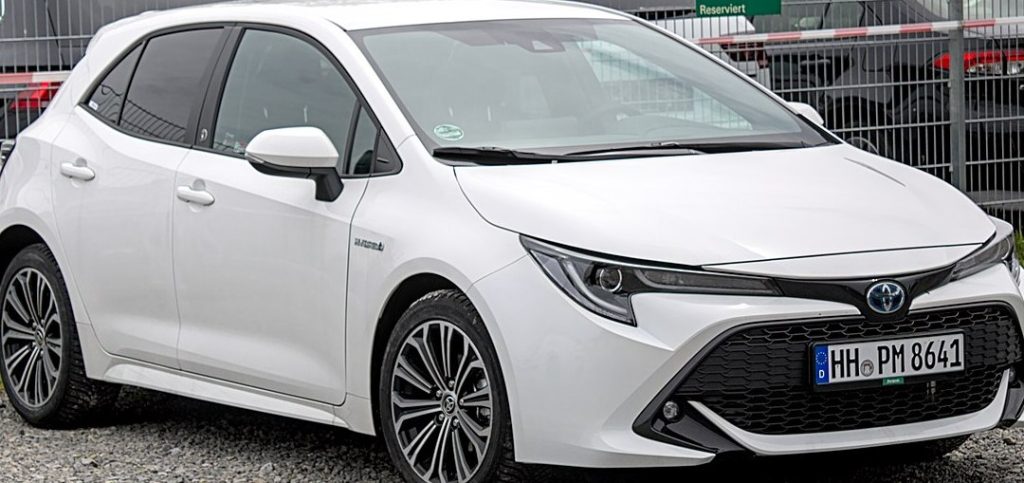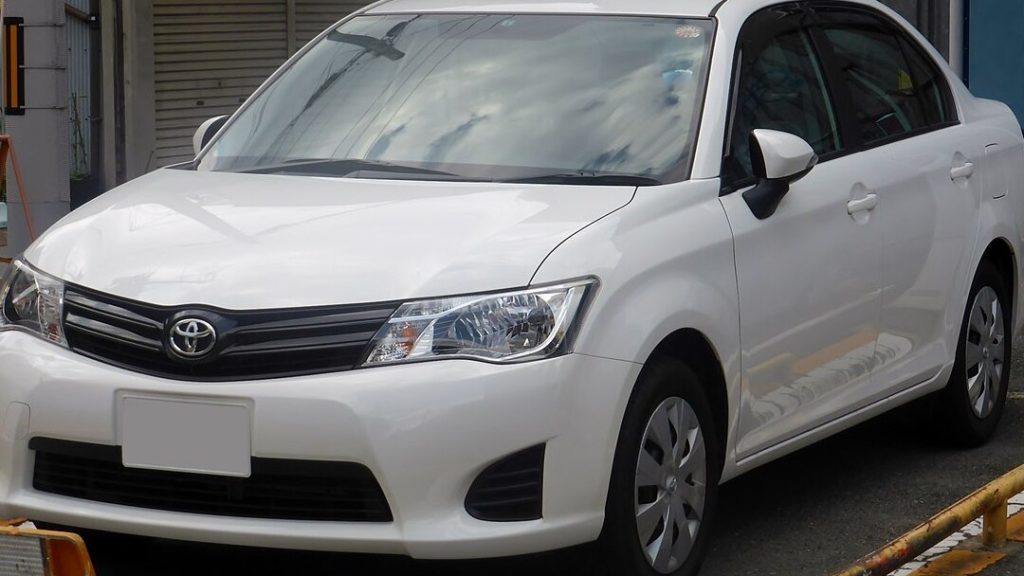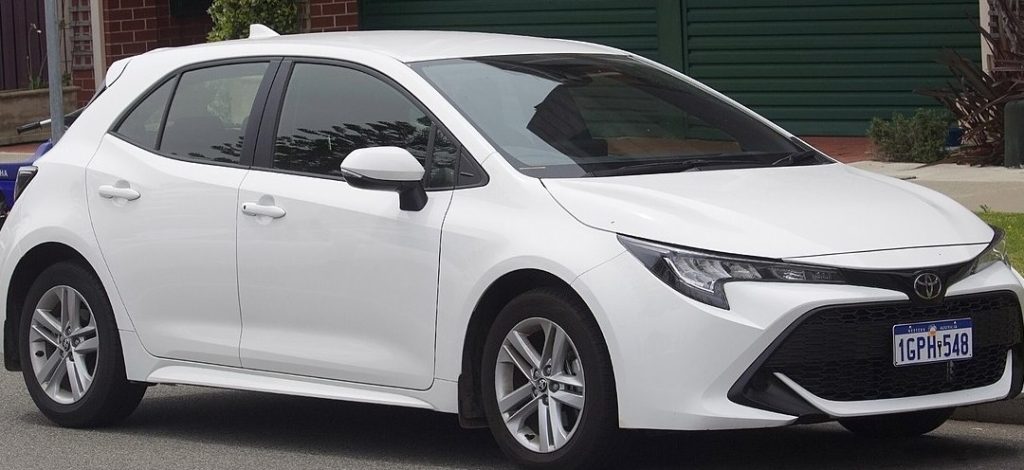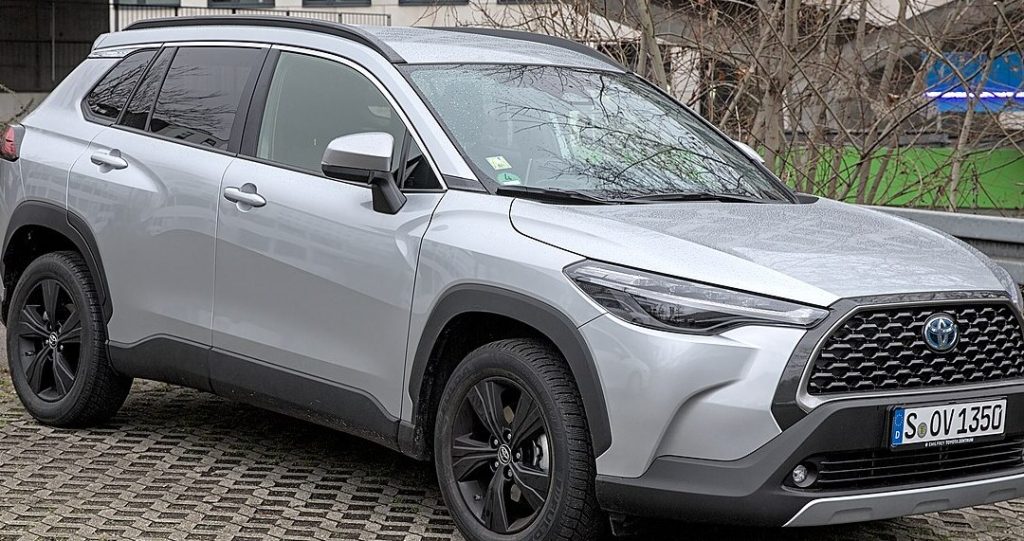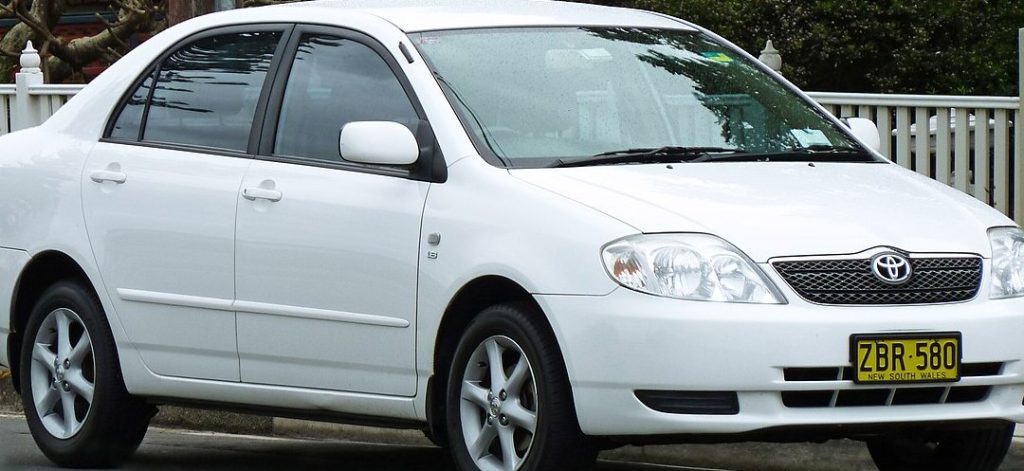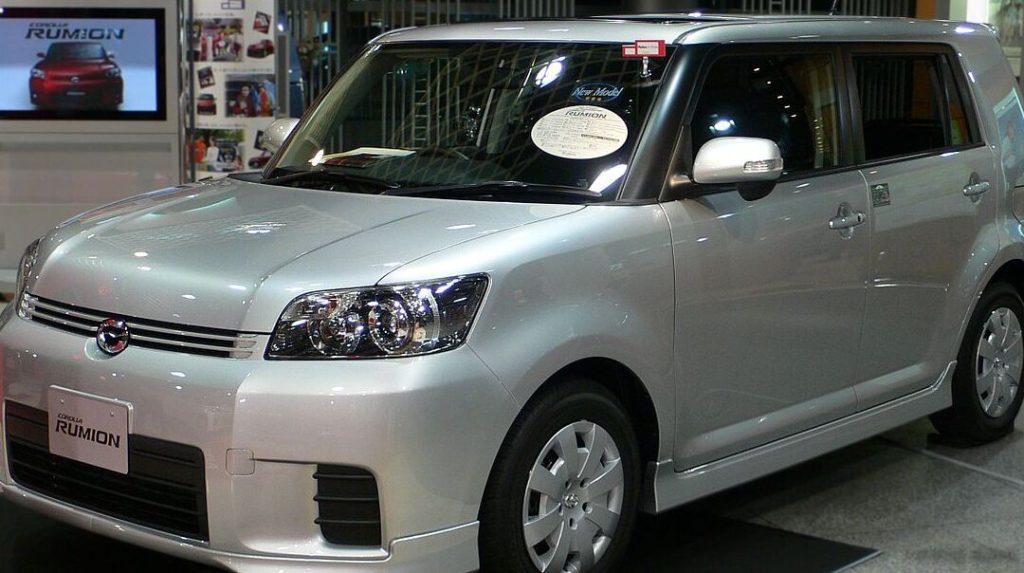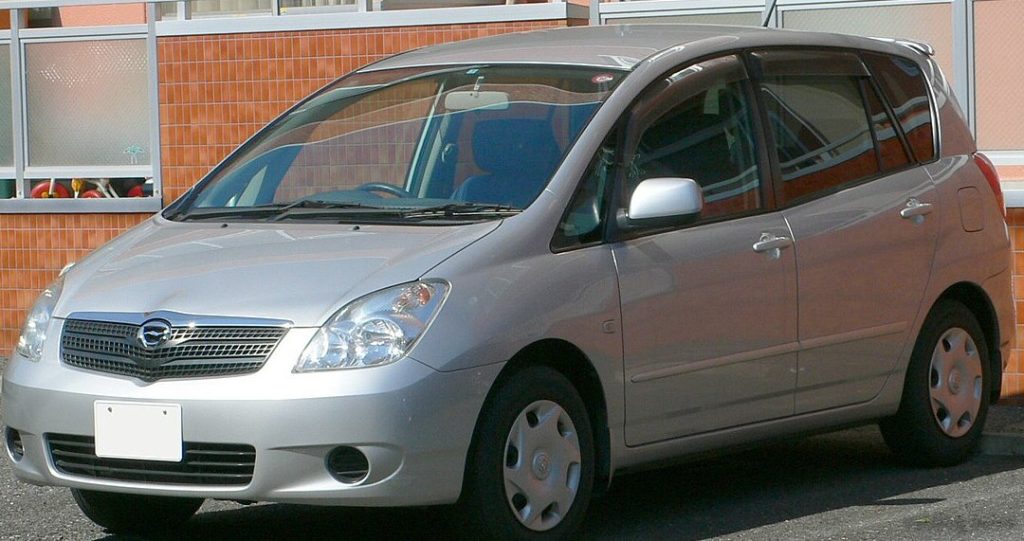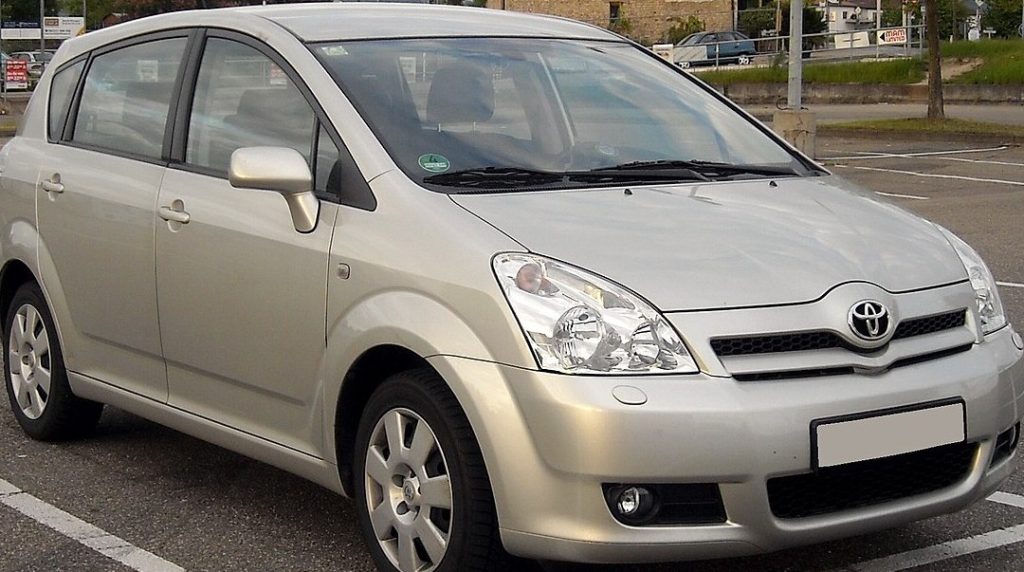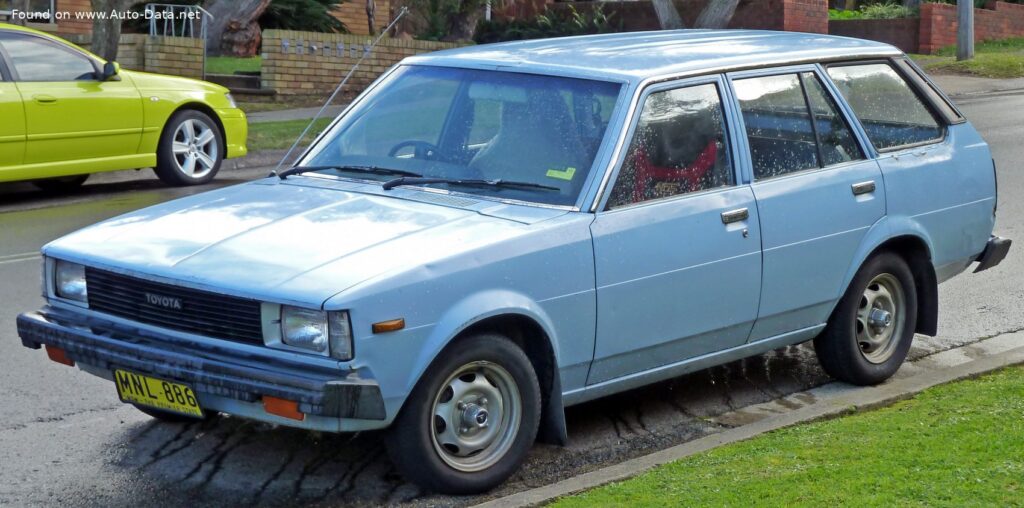
The Toyota Corolla Wagon IV (E70) 1.8 D, produced between 1983 and 1987, represented the diesel-powered variant of the fourth-generation Corolla wagon. Positioned as the entry-level offering in the E70 wagon lineup, it catered to buyers prioritizing fuel economy and practicality over outright performance. This model was part of the broader E70 series, which utilized a rear-wheel-drive platform and offered a range of body styles including sedans, coupes, and liftbacks, alongside the wagon. The 1.8 D, with its modest 60 horsepower, was designed for utility and affordability, particularly in European and other markets where diesel fuel was more prevalent and economically advantageous.
The 1.8 D Corolla Wagon: A Focus on Economy
The E70 Corolla Wagon 1.8 D distinguished itself within the Corolla range as the diesel-fueled option. While gasoline-powered Corollas offered a wider spectrum of performance levels, the 1.8 D was specifically engineered for maximizing fuel efficiency and providing a durable, low-maintenance transportation solution. It occupied the base trim level for the wagon body style, making it the most accessible Corolla wagon for budget-conscious consumers. Compared to the gasoline-powered versions, the diesel offered significantly better fuel economy but at the cost of acceleration and overall power. This trade-off made it popular with those who frequently traveled long distances or required a workhorse vehicle.
Powertrain & Engine Architecture
The heart of the Corolla Wagon 1.8 D was the 1C diesel engine. This 1.8-liter (1779 cc) inline-four cylinder engine was a naturally aspirated, indirect injection diesel. The 1C engine was known for its robust construction and relative simplicity, contributing to its longevity and ease of maintenance. It featured a cast iron block and head, a three-main-bearing crankshaft, and a single overhead camshaft operating two valves per cylinder. The indirect injection system utilized a pre-combustion chamber design, which helped to reduce engine noise and improve combustion efficiency, although it also limited peak power output. The engine produced 60 horsepower (44 kW) at 4,200 rpm and 86 lb-ft (117 Nm) of torque at 2,400 rpm.
The transmission paired with the 1.8 D engine was typically a four-speed manual gearbox. While an automatic transmission was available on some Corolla models during this generation, it was rarely, if ever, offered with the 1.8 D engine due to the engine’s low power output and the automatic’s potential to further reduce fuel economy. The manual transmission featured a conventional shift pattern and was designed for durability rather than sporty performance. The rear axle employed a solid axle configuration with leaf springs, a common setup for rear-wheel-drive vehicles of this era, prioritizing load-carrying capacity and simplicity.
Driving Characteristics
Driving the Corolla Wagon 1.8 D was characterized by its unhurried pace. Acceleration was modest, and overtaking required careful planning. The engine’s peak torque was available at relatively low engine speeds, providing adequate pulling power for everyday driving and hauling loads. However, the engine became noticeably strained at higher speeds or when climbing steep hills. The four-speed manual transmission offered a reasonable spread of gear ratios, but the lack of a fifth gear meant that engine speeds were relatively high at highway cruising speeds, contributing to engine noise and potentially reducing fuel economy. Compared to the gasoline-powered Corolla wagons, the 1.8 D felt significantly slower and less refined. However, the diesel’s superior fuel economy and robust engine made it a practical choice for those prioritizing long-term cost savings and reliability.
Equipment & Trim Levels
The Corolla Wagon 1.8 D was typically equipped with basic amenities, reflecting its position as the entry-level trim. Standard features generally included vinyl or cloth upholstery, a simple dashboard layout with basic instrumentation, and manual windows and door locks. Air conditioning, power steering, and upgraded audio systems were typically optional extras. The interior was designed for functionality and durability rather than luxury. The wagon’s rear cargo area offered ample space for luggage or cargo, and the rear seats could be folded down to create an even larger loading area. Trim levels were often market-specific, with some regions offering slightly more features as standard equipment. Generally, the 1.8 D wagon was offered in a limited range of exterior colors, typically solid colors or basic metallic finishes.
Chassis & Braking
The E70 Corolla Wagon utilized a body-on-frame construction, providing a robust and durable chassis. The front suspension consisted of independent MacPherson struts with coil springs and an anti-roll bar. The rear suspension employed a solid axle with leaf springs and shock absorbers. This suspension setup prioritized ride comfort and load-carrying capacity over sporty handling. The braking system consisted of disc brakes on the front wheels and drum brakes on the rear wheels. The braking performance was adequate for everyday driving, but it lacked the stopping power of more modern braking systems. Steering was typically manual, although power steering was available as an option. The steering feel was relatively heavy, but it provided good feedback to the driver.
Market Reception & Comparison
The Corolla Wagon 1.8 D received mixed reviews. Critics generally praised its fuel economy, durability, and practicality, but they also criticized its lack of power and refinement. Compared to the gasoline-powered Corolla wagons, the 1.8 D offered significantly better fuel economy, typically achieving around 45-55 mpg (depending on driving conditions). However, it was considerably slower and less responsive. The 1.8 D was often compared to other diesel-powered wagons of the era, such as the Volkswagen Golf Diesel and the Ford Sierra Diesel. In terms of fuel economy, the Corolla 1.8 D was generally competitive, but it often lagged behind in terms of performance and refinement. The diesel engine’s longevity and low maintenance costs were key selling points, making it a popular choice for fleet operators and budget-conscious buyers.
Technical Specifications
| Engine Code | 1C |
| Engine Type | Inline-4 Diesel |
| Displacement | 1.8 L (1779 cc) |
| Power | 60 hp (44 kW) @ 4200 rpm |
| Torque | 86 lb-ft (117 Nm) @ 2400 rpm |
| Fuel System | Indirect Injection |
| Valvetrain | SOHC, 2 valves/cylinder |
| Compression Ratio | 23.5:1 |
| Transmission | 4-speed Manual |
| Drivetrain | Rear-Wheel Drive |
| Engine Oil Capacity | 4.3 L (4.54 US qt, 3.78 UK qt) |
| Coolant Capacity | 7.3 L (7.71 US qt, 6.42 UK qt) |
| Weight (approx.) | 2,300 – 2,500 lbs (1043 – 1134 kg) |
Legacy
The Toyota Corolla Wagon 1.8 D, while not a performance icon, holds a significant place in the history of the Corolla line. The 1C diesel engine proved to be exceptionally durable, and many examples remain on the road today, often with high mileage. In the used car market, these wagons are valued for their simplicity, reliability, and fuel efficiency. They appeal to enthusiasts seeking a classic, low-maintenance vehicle or those looking for a practical and affordable workhorse. The 1.8 D represents a period when fuel economy and durability were prioritized over outright performance, and it remains a testament to Toyota’s commitment to building reliable and long-lasting vehicles. While modern diesel technology has advanced significantly, the E70 Corolla Wagon 1.8 D continues to be appreciated for its unique character and enduring appeal.