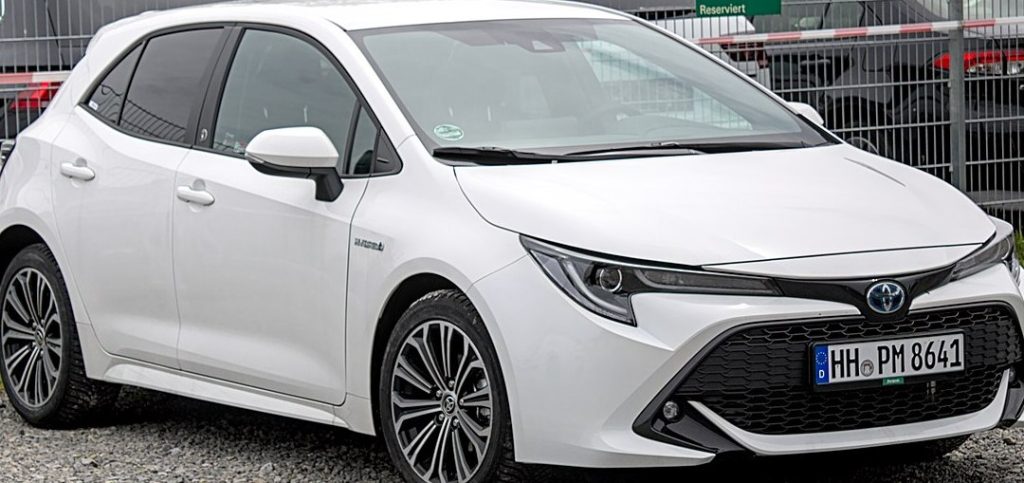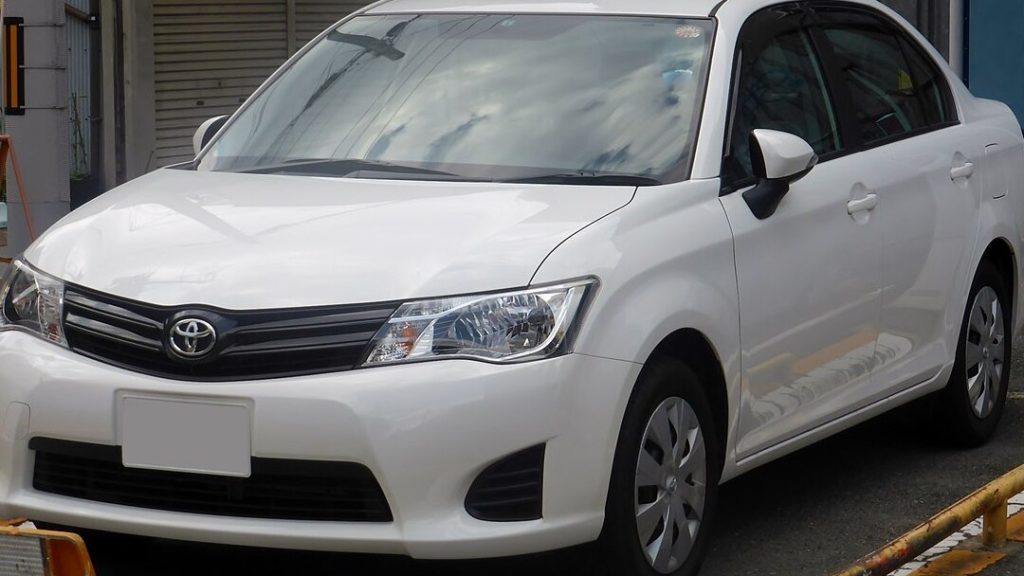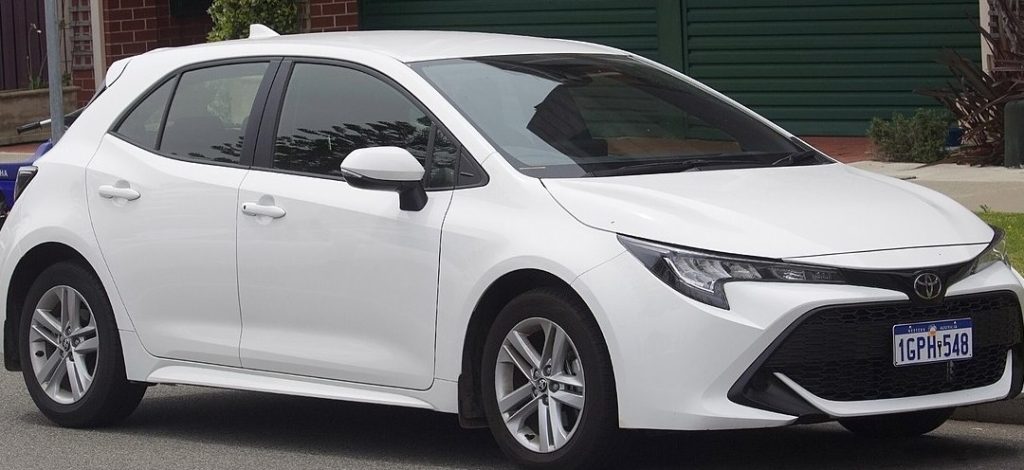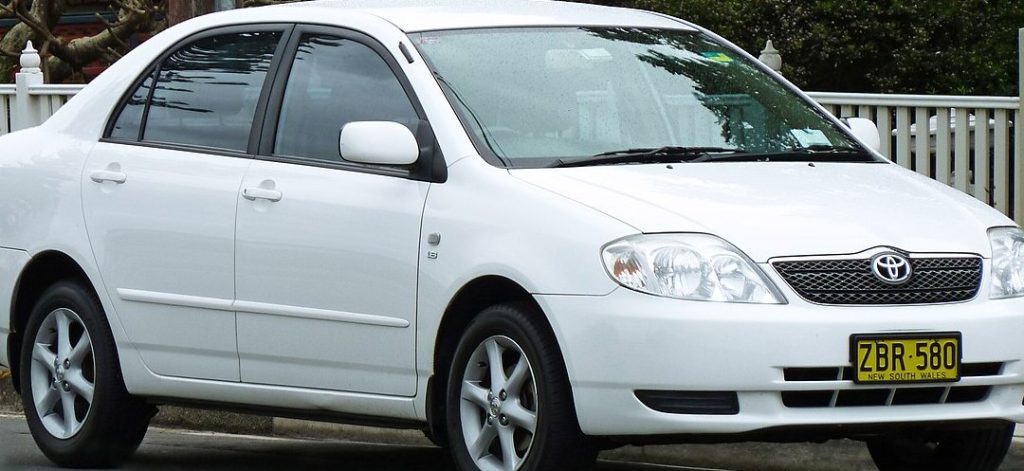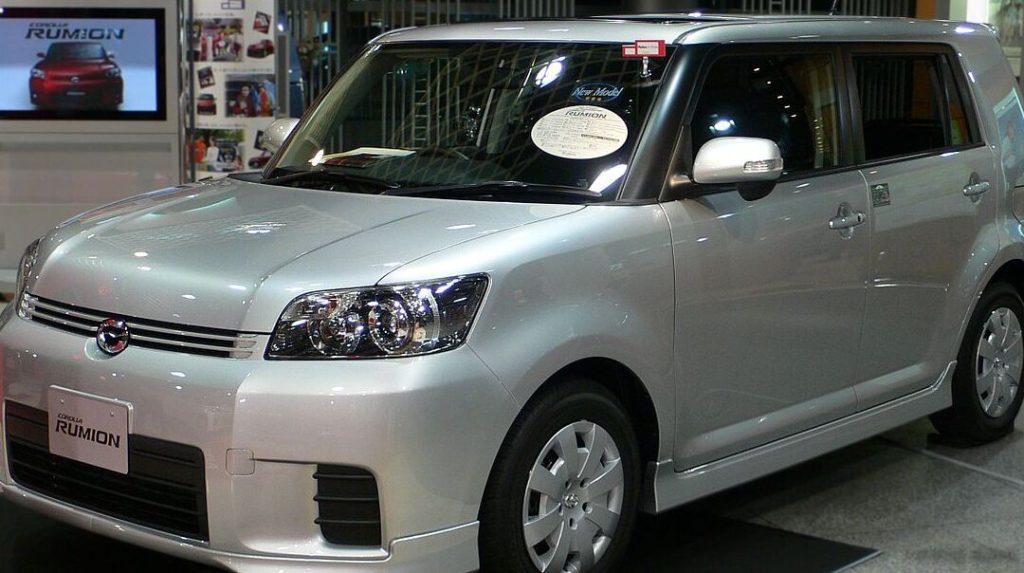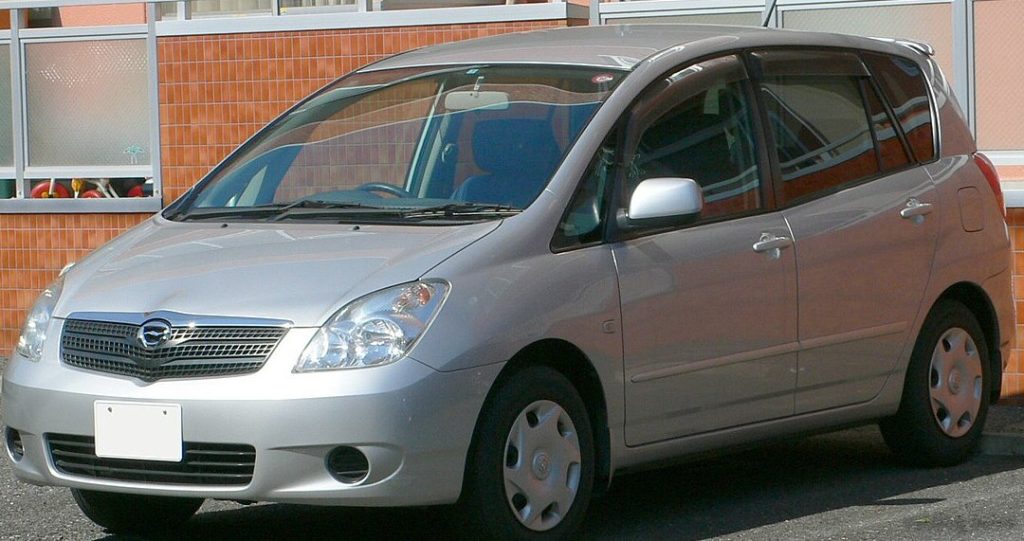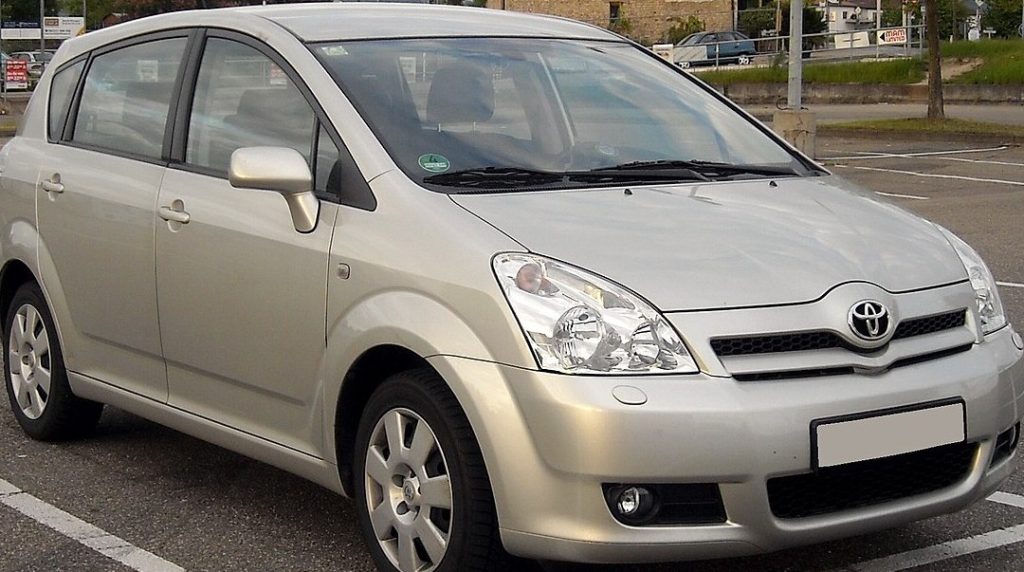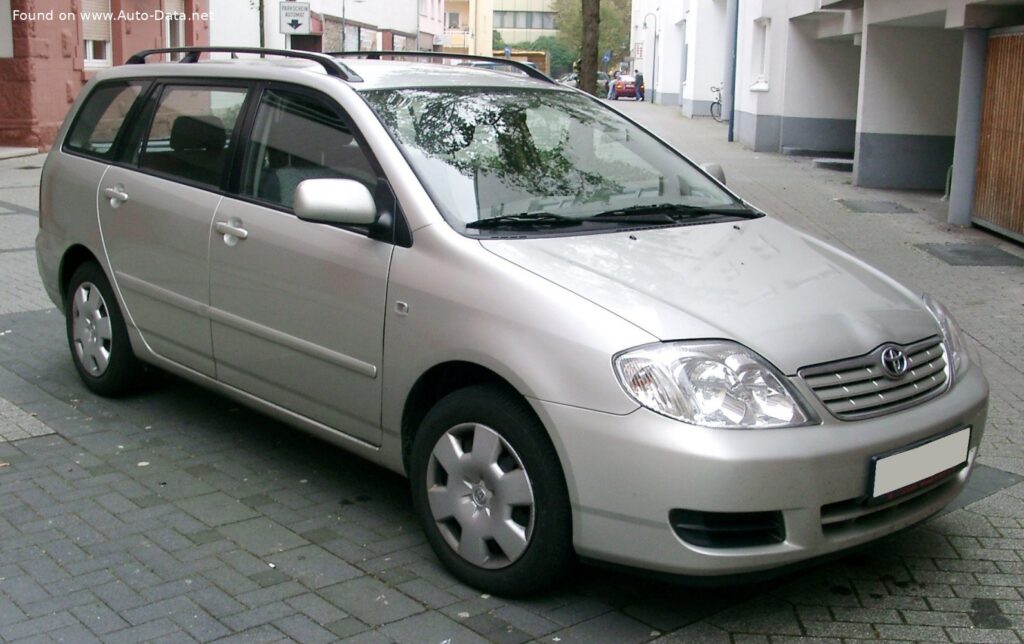
The Toyota Corolla Wagon, specifically the ninth generation (E120/E130 series) produced between 2001 and 2006, offered a practical and economical choice in the compact estate car segment. Among the various engine and transmission combinations available, the 1.4 i 16V variant, producing 97 horsepower, represented an entry-level option geared towards buyers prioritizing fuel efficiency and affordability. This model occupied the lower end of the Corolla Wagon lineup, positioned below the more powerful 1.6L and 1.8L engine options, and served as a direct competitor to other small, practical wagons like the Ford Focus Estate and Opel/Vauxhall Astra Estate.
The 1.4L 16V Powertrain & Engine Architecture
The heart of this Corolla Wagon variant is the 4ZZ-FE engine, a 1.4-liter (1398 cc) inline-four cylinder gasoline engine. This engine is a naturally aspirated design, meaning it doesn’t utilize a turbocharger or supercharger to force air into the cylinders. It features a double overhead camshaft (DOHC) valvetrain with four valves per cylinder – a 16-valve configuration – contributing to improved breathing and efficiency. The engine’s bore and stroke measure 79 mm (3.11 inches) and 71.3 mm (2.81 inches) respectively, resulting in a compression ratio of 10.5:1. Fuel delivery is managed by a multi-port fuel injection system, ensuring precise fuel atomization for optimal combustion.
While a five-speed manual transmission was the most common pairing for this engine, the automatic transmission option was a four-speed unit. This automatic, while providing ease of use, was a key differentiator in the driving experience compared to the manual version. The automatic transmission was designed for smooth, comfortable shifts, prioritizing convenience over outright performance. The 4ZZ-FE engine produced 97 hp at 6000 rpm and 130 Nm (95.88 lb-ft) of torque at 4400 rpm. The engine oil capacity is 4.2 liters (4.44 US quarts / 3.7 UK quarts) and requires a specification adhering to Toyota’s standards. The cooling system holds 6.5 liters (6.87 US quarts / 5.72 UK quarts) of coolant.
Transmission Details
The four-speed automatic transmission used in this variant, while reliable, is not known for its advanced features. It lacks the overdrive gears found in more modern automatics, which can impact highway fuel economy. The gear ratios are tuned for acceleration and everyday driving, but the transmission doesn’t offer the responsiveness or efficiency of a more modern five or six-speed automatic. The automatic transmission was a popular choice for drivers who preferred the convenience of not having to manually shift gears, particularly in urban environments.
Driving Characteristics
The 1.4L 16V engine paired with the four-speed automatic transmission delivers a driving experience focused on practicality and fuel economy rather than spirited performance. Acceleration from 0 to 100 km/h (0-62 mph) takes approximately 12 seconds, and 0 to 60 mph is achieved in around 11.4 seconds. The top speed is rated at 185 km/h (114.95 mph). The power delivery is relatively linear, but the engine feels strained when pushed hard, especially when fully loaded or climbing hills. The automatic transmission contributes to a smooth ride, but downshifts can be slow to respond, and the lack of overdrive can result in higher engine speeds at highway cruising speeds.
Compared to the manual transmission version of the same engine, the automatic suffers a slight performance penalty due to the transmission’s inherent inefficiencies. The higher-output 1.6L and 1.8L engines offered significantly more power and quicker acceleration, making them more appealing to drivers who prioritized performance. However, the 1.4L automatic provided a comfortable and easy-to-drive experience, making it well-suited for city commuting and everyday errands.
Equipment & Trim Levels
The 1.4L Corolla Wagon typically came with a modest level of standard equipment. Base models generally included power steering, central locking, electric front windows, and an AM/FM radio. Air conditioning was often an optional extra, as were features like alloy wheels, a CD player, and upgraded interior trim. Interior upholstery was typically cloth, with a simple and functional dashboard layout. Safety features included ABS (Anti-lock Braking System) as standard, and dual front airbags. Higher trim levels, often denoted by suffixes like “GLE” or “Executive,” added features such as climate control, electric rear windows, and more luxurious interior appointments.
Chassis & Braking
The Corolla Wagon’s chassis features a MacPherson strut front suspension and a coil spring rear suspension. This setup provides a comfortable ride, but it’s not particularly sporty. The front brakes are ventilated discs, offering good stopping power, while the rear brakes are typically solid discs. The steering is a rack and pinion system, providing precise and responsive handling. The standard tire size is 175/70 R14. The kerb weight of the 1.4L variant is 1165 kg (2568.39 lbs), and the maximum weight is 1655 kg (3648.65 lbs). The vehicle has a maximum load capacity of 490 kg (1080.27 lbs).
Market Reception & Comparison
The 1.4L Corolla Wagon was generally well-received as a practical and reliable family car. Critics praised its fuel efficiency, spacious interior, and comfortable ride. However, the engine was often criticized for being underpowered, particularly when the car was fully loaded. Compared to other trims in the Corolla Wagon lineup, the 1.4L offered the best fuel economy – approximately 8.4 l/100 km (28 US mpg / 33.6 UK mpg) in urban driving and 5.8 l/100 km (40.6 US mpg / 48.7 UK mpg) on the extra-urban cycle – but at the expense of performance. Its reliability was a strong selling point, consistent with Toyota’s reputation for building durable vehicles.
Technical Specifications
| Engine Model/Code | 4ZZ-FE |
| Engine Displacement | 1398 cm3 (85.31 cu. in.) |
| Number of Cylinders | 4, Inline |
| Cylinder Bore | 79 mm (3.11 in.) |
| Piston Stroke | 71.3 mm (2.81 in.) |
| Compression Ratio | 10.5:1 |
| Valves per Cylinder | 4 |
| Fuel Injection System | Multi-port manifold injection |
| Engine Aspiration | Naturally Aspirated |
| Maximum Power | 97 Hp @ 6000 rpm |
| Maximum Torque | 130 Nm @ 4400 rpm (95.88 lb.-ft. @ 4400 rpm) |
| Fuel Consumption (Urban) | 8.4 l/100 km (28 US mpg / 33.6 UK mpg) |
| Fuel Consumption (Extra Urban) | 5.8 l/100 km (40.6 US mpg / 48.7 UK mpg) |
| Acceleration 0-100 km/h | 12 sec |
| Acceleration 0-62 mph | 12 sec |
| Maximum Speed | 185 km/h (114.95 mph) |
| Kerb Weight | 1165 kg (2568.39 lbs.) |
| Fuel Tank Capacity | 55 l (14.53 US gal / 12.1 UK gal) |
| Trunk Space (Minimum) | 402 l (14.2 cu. ft.) |
| Trunk Space (Maximum) | 1280 l (45.2 cu. ft.) |
Legacy
The 4ZZ-FE engine, in general, is known for its reliability and longevity. While not a powerhouse, it’s a durable engine that can withstand high mileage with proper maintenance. The four-speed automatic transmission, while less sophisticated than modern units, is also generally reliable. Today, the 1.4L Corolla Wagon is a relatively affordable used car option, appealing to buyers seeking a practical and economical vehicle. Maintenance costs are typically low, and parts availability is good. However, potential buyers should be aware of the engine’s limited power and the transmission’s lack of overdrive, which can impact fuel economy on long journeys. The 1.4L automatic remains a viable option for those prioritizing affordability and dependability over performance.