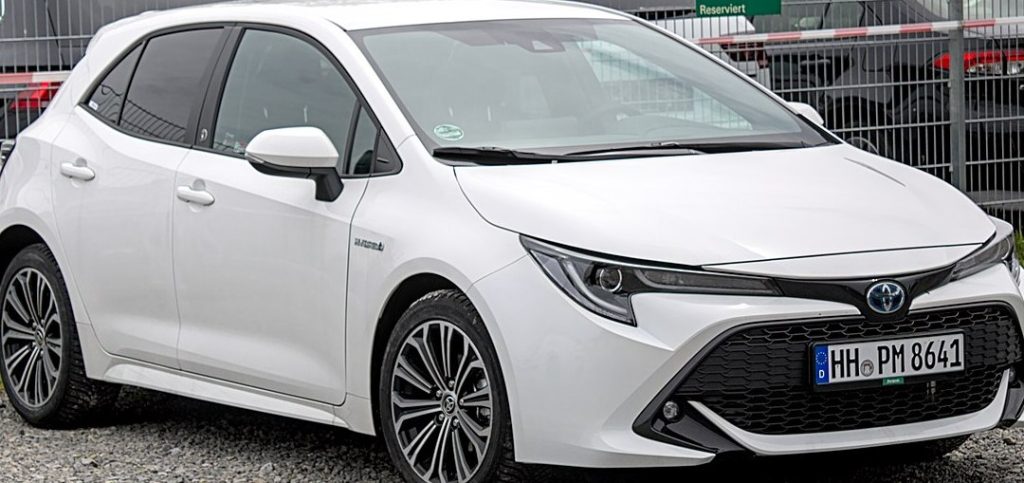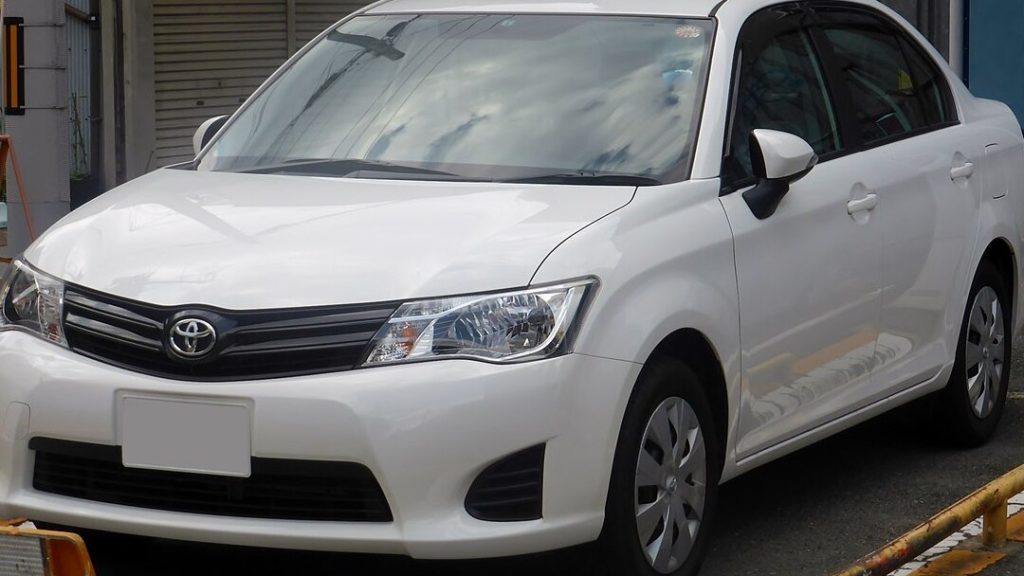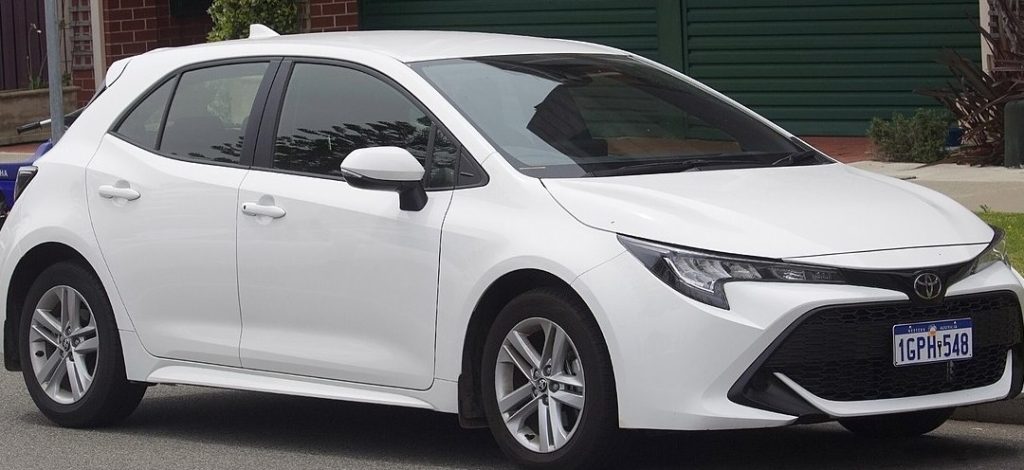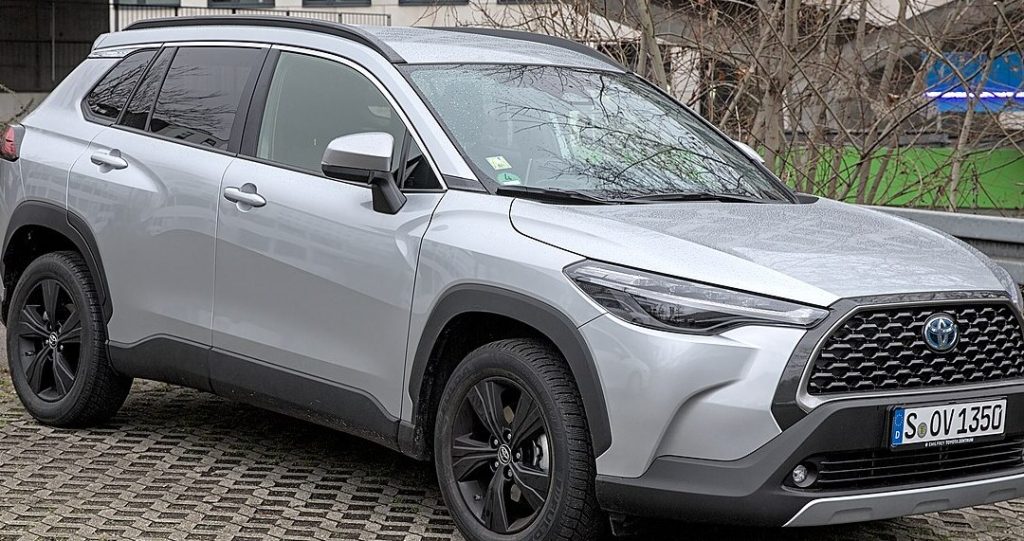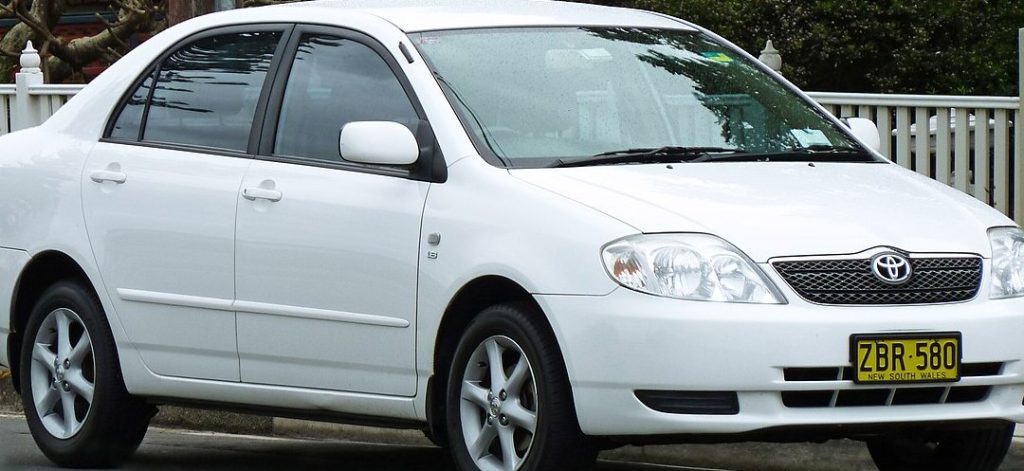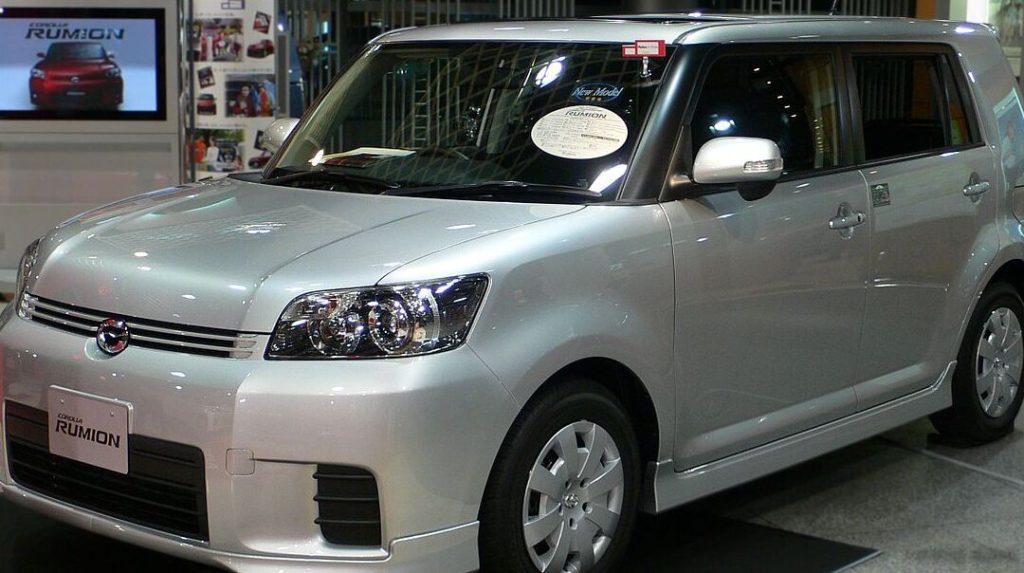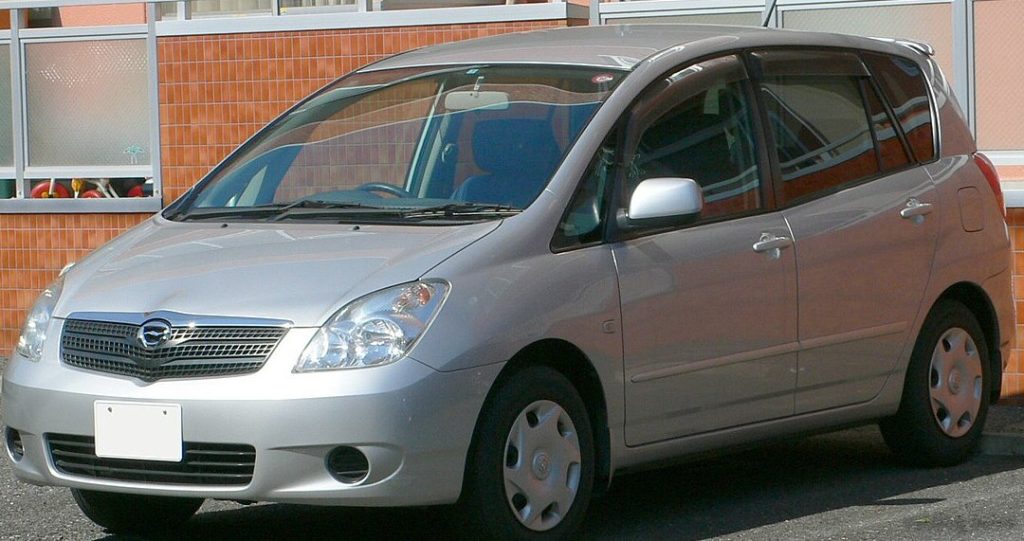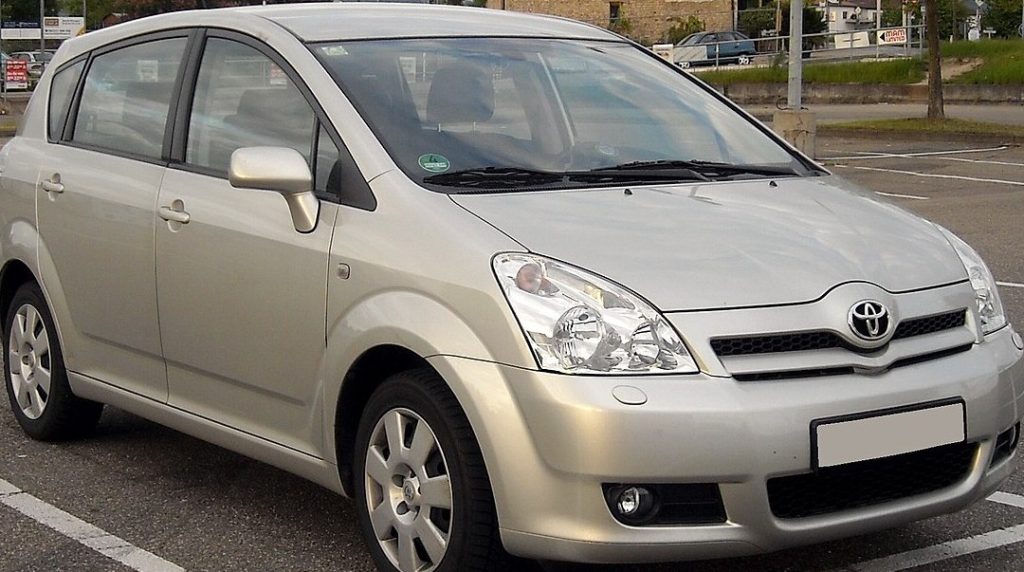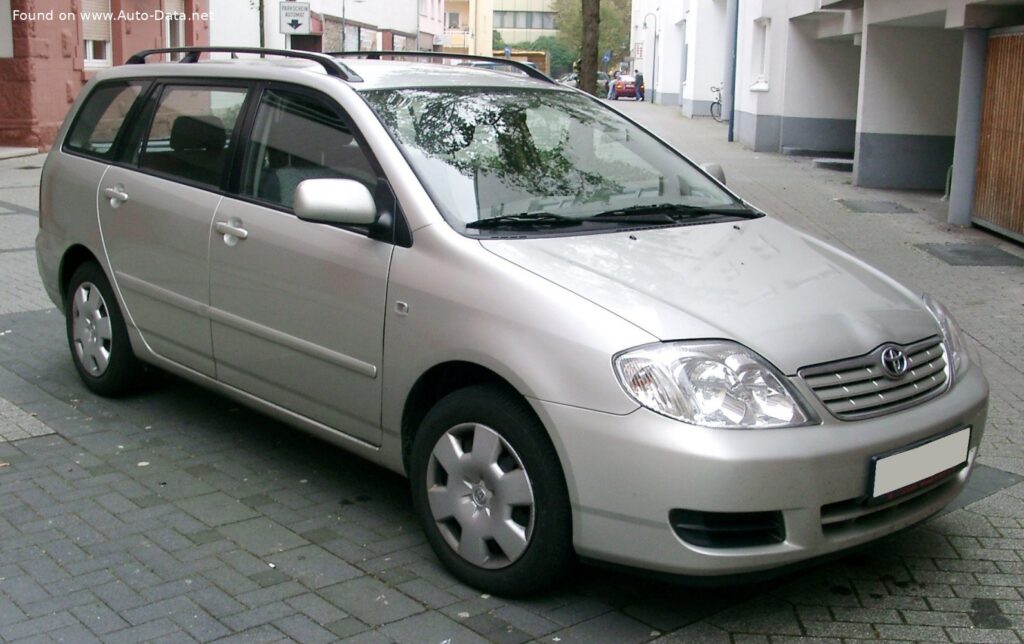
The Toyota Corolla Wagon, specifically the E120/E130 series produced between 2001 and 2006, represented Toyota’s offering in the compact station wagon segment. Within this generation, the 1.6i 16V variant, producing 110 horsepower, served as a popular, practical choice for families and individuals seeking a versatile vehicle. Positioned as a mid-range option, it offered a balance between affordability, fuel efficiency, and usable space, slotting below the more powerful engine options while providing more features than the base models. This variant was primarily sold in European and Asian markets, with limited availability in North America where wagons were less popular.
1.6i 16V Powertrain & Engine Architecture
The heart of the Corolla Wagon 1.6i 16V is the 3ZZ-FE engine, a 1.6-liter (1598 cc) inline-four cylinder gasoline engine. This engine is part of Toyota’s ZZ engine family, known for its lightweight aluminum block and cylinder head, contributing to overall vehicle efficiency. The ‘16V’ designation indicates the engine utilizes a dual overhead camshaft (DOHC) valvetrain, operating four valves per cylinder. This configuration enhances volumetric efficiency and contributes to improved power output compared to engines with two valves per cylinder.
Fuel delivery is managed by a multi-port fuel injection system, precisely metering fuel into each intake port for optimal combustion. The 3ZZ-FE engine boasts a compression ratio of 10.5:1, a figure that balances performance and fuel economy. Bore and stroke dimensions are 79mm x 81.5mm respectively. The engine is transversely mounted in the front of the vehicle, driving the front wheels. While a five-speed manual transmission was available, this article focuses on the automatic transmission variant, which was a four-speed automatic. This automatic transmission, a common Toyota unit of the era, was chosen for its smooth operation and ease of use, appealing to drivers prioritizing comfort over sporty performance.
Transmission Details
The four-speed automatic transmission used in the 1.6i 16V Corolla Wagon was designed for reliability and smooth shifting. Gear ratios were optimized for everyday driving conditions, prioritizing fuel efficiency and comfortable acceleration. While not offering the responsiveness of a manual transmission or the efficiency of a modern multi-gear automatic, it provided a convenient driving experience for a broad range of drivers. Specific gear ratios varied slightly depending on the production year and regional specifications, but generally prioritized lower gears for initial acceleration and higher gears for efficient cruising.
Driving Characteristics
The 110 horsepower and 150 Nm (110.63 lb-ft) of torque produced by the 3ZZ-FE engine, when paired with the four-speed automatic transmission, resulted in a driving experience geared towards practicality rather than outright performance. Acceleration from 0 to 100 km/h (0-62 mph) took approximately 10.2 seconds, and 0-60 mph was achieved in around 9.7 seconds. Top speed was rated at 190 km/h (118 mph). The automatic transmission, while smooth, did contribute to some power loss compared to the manual transmission version.
In real-world driving, the 1.6i 16V Corolla Wagon felt adequate for everyday commuting and highway cruising. Overtaking maneuvers required planning, and the engine could feel strained when fully loaded with passengers and cargo. The automatic transmission’s shift points were programmed for fuel efficiency, sometimes resulting in the engine feeling slightly underpowered when needing quick acceleration. However, for drivers prioritizing comfort and ease of use, the 1.6i 16V offered a pleasant and predictable driving experience.
Equipment & Trim Levels
The 1.6i 16V Corolla Wagon typically came equipped with a reasonable level of standard features. These generally included power windows, power door locks, central locking, and an air conditioning system. Interior upholstery was typically cloth, with a durable and practical design. The dashboard layout was functional and straightforward, prioritizing ease of use. Optional extras varied depending on the market, but commonly included alloy wheels, a CD player with multiple speakers, and upgraded interior trim materials. Some models also offered features like a sunroof and fog lights. Safety features included ABS (Anti-lock Braking System) as standard, and airbags for the driver and front passenger.
Chassis & Braking
The Corolla Wagon 1.6i 16V utilized a front-wheel-drive layout with a MacPherson strut suspension system in the front and a coil spring suspension in the rear. This suspension setup provided a comfortable ride quality, absorbing bumps and irregularities in the road surface effectively. The front suspension incorporated a stabilizer bar to reduce body roll during cornering. Braking duties were handled by ventilated discs on the front wheels and discs on the rear wheels, providing adequate stopping power for the vehicle’s weight and performance. The steering system employed a rack and pinion setup, offering precise and responsive steering feel.
Tires were typically sized 175/70 R14, mounted on 14-inch steel or alloy wheels. The chassis was designed to provide a balance between ride comfort and handling stability, making the Corolla Wagon a predictable and easy-to-drive vehicle.
Market Reception & Comparison
The Toyota Corolla Wagon 1.6i 16V was generally well-received by automotive critics as a practical and reliable family vehicle. It was praised for its spacious interior, comfortable ride, and Toyota’s reputation for dependability. However, some critics noted that the 1.6-liter engine felt underpowered, particularly when the vehicle was fully loaded. Compared to other trims in the Corolla Wagon lineup, such as those equipped with larger engines, the 1.6i 16V offered a more affordable entry point, but at the expense of performance. Fuel economy was a strong point, with combined fuel consumption figures around 9.2 l/100 km (25.6 US mpg) in urban driving and 6 l/100 km (39.2 US mpg) on the highway. Reliability was generally excellent, with the 3ZZ-FE engine proving to be a durable and long-lasting unit.
Technical Specifications
| Engine Model/Code | 3ZZ-FE |
| Engine Displacement | 1598 cm3 (97.52 cu. in.) |
| Number of Cylinders | 4, Inline |
| Engine Power | 110 Hp @ 6000 rpm |
| Engine Torque | 150 Nm @ 4800 rpm (110.63 lb.-ft. @ 4800 rpm) |
| Compression Ratio | 10.5:1 |
| Fuel Injection System | Multi-port manifold injection |
| Valvetrain | DOHC |
| Kerb Weight | 1170 kg (2579.41 lbs.) |
| Max. Weight | 1655 kg (3648.65 lbs.) |
| Fuel Tank Capacity | 55 l (14.53 US gal | 12.1 UK gal) |
| Length | 4375 mm (172.24 in.) |
| Width | 1710 mm (67.32 in.) |
| Height | 1500 mm (59.06 in.) |
| Wheelbase | 2600 mm (102.36 in.) |
| Transmission | 4-speed Automatic |
| Brakes (Front) | Ventilated Discs |
| Brakes (Rear) | Discs |
| Tires | 175/70 R14 |
| 0-100 km/h | 10.2 sec |
| Top Speed | 190 km/h (118.06 mph) |
Legacy
The Toyota Corolla Wagon 1.6i 16V, while not a performance icon, has proven to be a remarkably reliable and durable vehicle. The 3ZZ-FE engine, when properly maintained, is known to withstand high mileage with minimal issues. In the used car market today, these wagons are often sought after for their practicality, affordability, and Toyota’s reputation for dependability. While finding well-maintained examples can be challenging due to their age, they represent a sensible choice for buyers seeking a budget-friendly and reliable station wagon. Common maintenance items include regular oil changes, timing belt replacement (if applicable, depending on mileage), and inspection of suspension components. Overall, the 1.6i 16V Corolla Wagon remains a testament to Toyota’s commitment to building long-lasting and dependable vehicles.