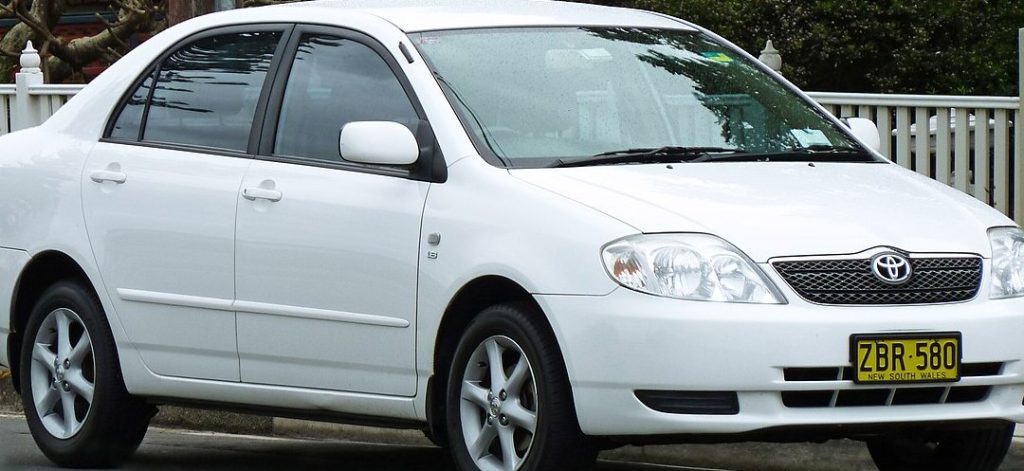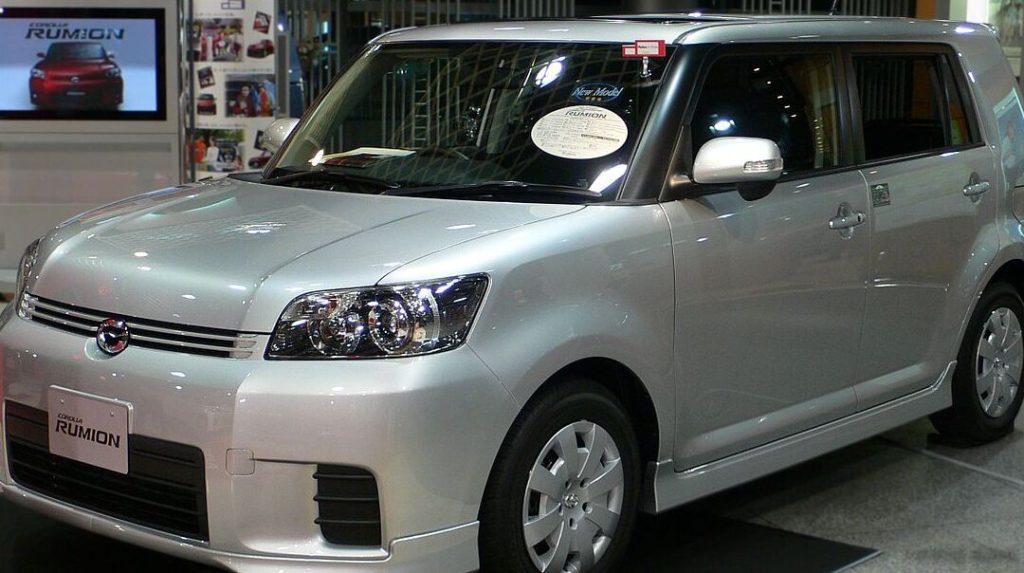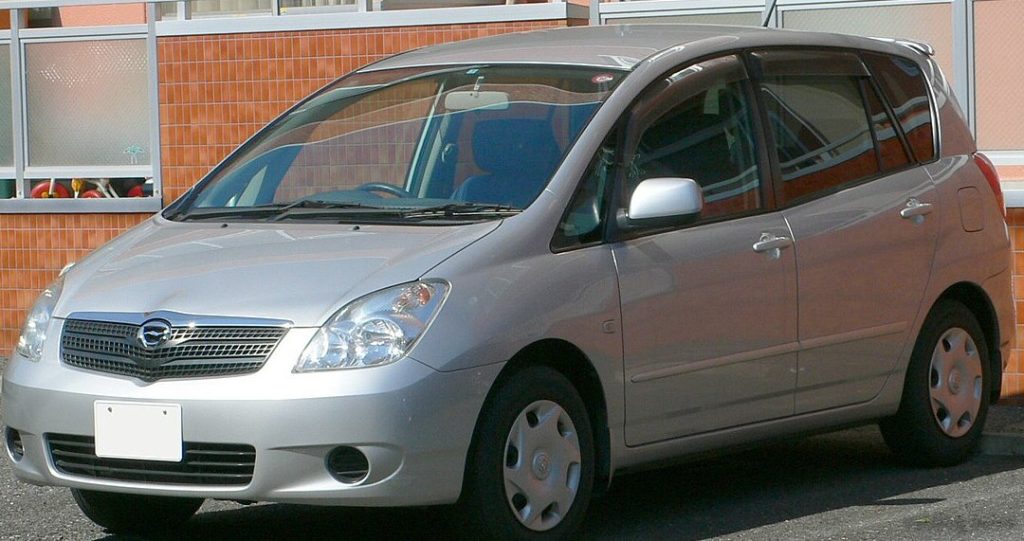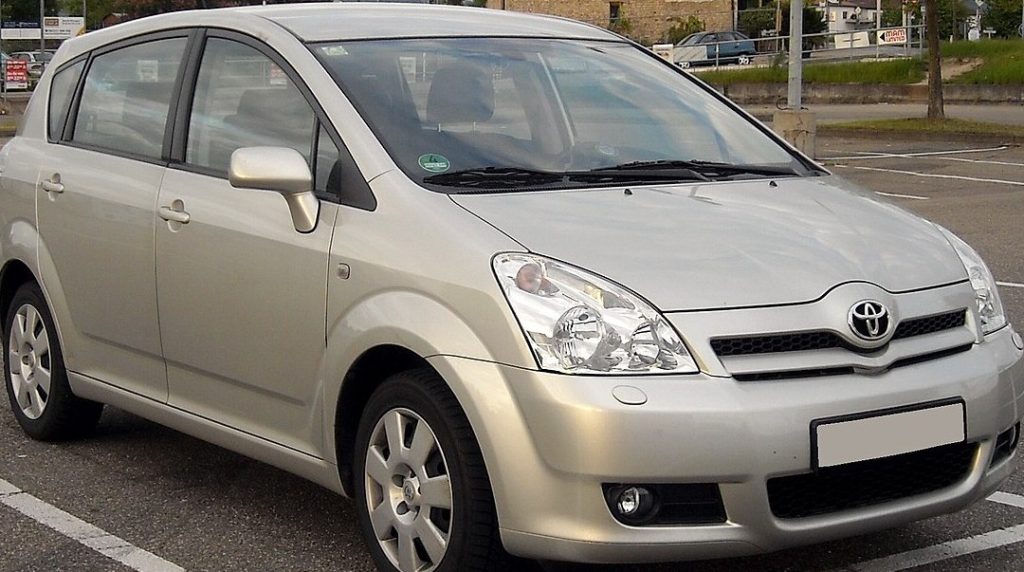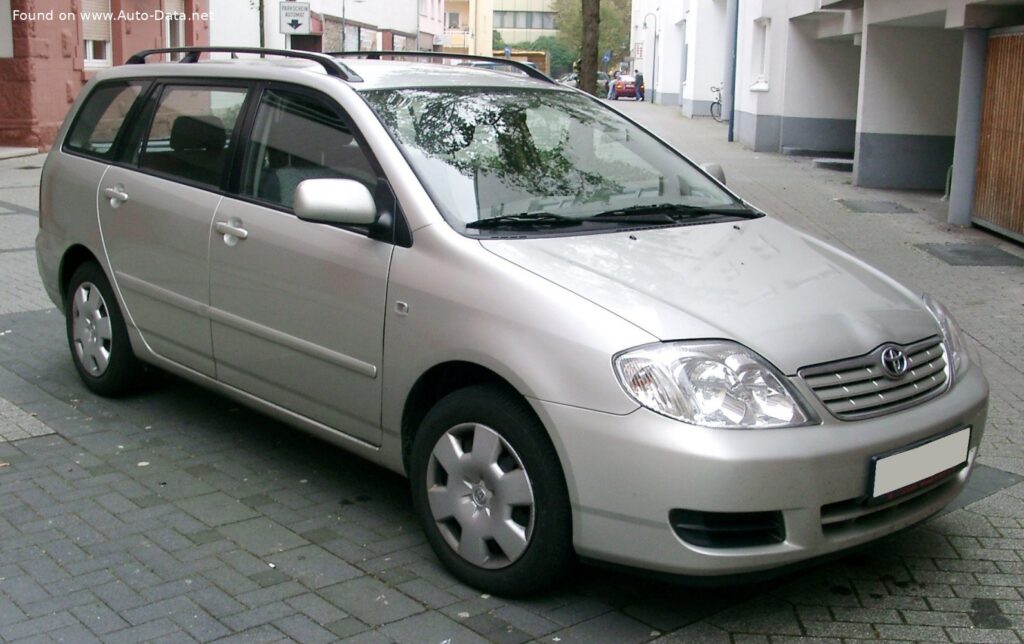
The Toyota Corolla Wagon, specifically the ninth generation (E120/E130 series) produced between 2001 and 2006, offered a practical and reliable option for families seeking a versatile vehicle. Among the various engine and transmission combinations available, the 1.6i 16V variant paired with a four-speed automatic transmission represented a popular, entry-level choice in many markets. This configuration balanced affordability with the convenience of an automatic gearbox, making it accessible to a wider range of buyers. The E120/E130 Corolla Wagon was a continuation of Toyota’s long-standing commitment to building dependable and fuel-efficient vehicles, and the 1.6L automatic model played a significant role in maintaining that reputation.
The 1.6i 16V Automatic: Positioning in the Corolla Lineup
Within the E120/E130 Corolla Wagon range, the 1.6i 16V Automatic occupied the lower-mid range position. It sat above the base-level 1.4L engine options, offering a noticeable increase in power and refinement. However, it was positioned below the more powerful 1.8L and diesel variants, which catered to drivers prioritizing performance or fuel economy. The target audience for this trim was primarily families and individuals seeking a practical, comfortable, and economical wagon for everyday use. The automatic transmission was a key selling point for those who preferred the ease of use over a manual gearbox, particularly in urban driving conditions.
Powertrain & Engine Architecture
The heart of the 1.6i 16V Automatic Corolla Wagon is the 3ZZ-FE engine, a 1.6-liter (1598 cc) inline-four cylinder gasoline engine. This engine is a naturally aspirated design, meaning it doesn’t utilize a turbocharger or supercharger. It features a double overhead camshaft (DOHC) valvetrain with four valves per cylinder, contributing to its relatively efficient operation. The 3ZZ-FE engine employs multi-port fuel injection, delivering fuel directly into the intake ports for optimized combustion. The engine produces 110 horsepower (hp) at 6000 rpm and 150 Nm (110.63 lb-ft) of torque at 4800 rpm.
The engine is transversely mounted in the front of the vehicle, driving the front wheels. Paired with the 3ZZ-FE engine is a four-speed automatic transmission. This transmission, while not offering the most modern gear count, was known for its reliability and smooth operation. The gear ratios were tuned for everyday drivability and fuel efficiency, rather than outright performance. The automatic transmission features standard drive modes: Park, Reverse, Neutral, and Drive, with typically no manual shift mode available on this specific configuration.
Driving Characteristics
The driving experience in the 1.6i 16V Automatic Corolla Wagon is characterized by its smoothness and ease of use. Acceleration from 0 to 100 km/h (0-62 mph) takes approximately 11.8 seconds, and 0-60 mph is achieved in around 11.2 seconds. While not particularly quick, this performance was adequate for most daily driving scenarios. The four-speed automatic transmission provides reasonably smooth gear changes, although it can sometimes feel a bit hesitant during quick acceleration. The power delivery is linear, with the engine providing a usable amount of torque throughout the rev range. Compared to the manual transmission versions of the 1.6L engine, the automatic version sacrifices some responsiveness, but gains in convenience. Compared to the higher-output 1.8L models, the 1.6L automatic offers less overall performance, but provides better fuel economy.
Equipment & Trim Levels
The standard equipment level for the 1.6i 16V Automatic Corolla Wagon varied depending on the specific market and optional packages selected. Generally, base models included features such as power steering, central locking, electric front windows, and an AM/FM radio. Higher trim levels, often denoted by suffixes like “GLE” or “SE”, added features such as alloy wheels, air conditioning, a CD player, and upgraded interior upholstery. Interior upholstery typically consisted of cloth seats, with options for upgraded materials in higher trims. The dashboard layout was functional and straightforward, with clearly labeled controls. Common optional extras included a sunroof, rear electric windows, and a more advanced audio system.
Chassis & Braking
The Corolla Wagon’s chassis utilizes a front strut suspension and a coil spring rear suspension. This setup provides a comfortable ride quality, absorbing bumps and imperfections in the road surface effectively. The suspension tuning is geared towards comfort rather than sporty handling. The front brakes are ventilated discs, providing good stopping power, while the rear brakes are typically solid discs. Anti-lock Braking System (ABS) was a standard safety feature on most models, enhancing braking performance and stability, particularly in wet or slippery conditions. The steering system employs a rack and pinion setup, offering precise and responsive steering feel. The standard tire size was 175/70 R14, mounted on 14-inch steel or alloy wheels.
Market Reception & Comparison
The 1.6i 16V Automatic Corolla Wagon received generally positive reviews from automotive critics. It was praised for its reliability, fuel efficiency, and comfortable ride. However, some critics noted that the engine lacked significant power, and the four-speed automatic transmission felt dated compared to newer transmissions with more gears. In terms of fuel economy, the 1.6L automatic typically achieved around 10.7 l/100 km (22 US mpg) in urban driving and 6 l/100 km (39.2 US mpg) on the highway. Compared to the 1.8L models, the 1.6L automatic offered slightly better fuel economy, but at the expense of performance. Compared to the diesel variants, the 1.6L gasoline engine provided a quieter and smoother driving experience, but with lower fuel economy.
Technical Specifications
| Engine Model/Code | 3ZZ-FE |
| Engine Displacement | 1598 cm3 (97.52 cu. in.) |
| Number of Cylinders | 4 |
| Engine Configuration | Inline |
| Cylinder Bore | 79 mm (3.11 in.) |
| Piston Stroke | 81.5 mm (3.21 in.) |
| Compression Ratio | 10.5:1 |
| Number of Valves per Cylinder | 4 |
| Fuel Injection System | Multi-port manifold injection |
| Engine Aspiration | Naturally aspirated |
| Maximum Power | 110 Hp @ 6000 rpm |
| Maximum Torque | 150 Nm (110.63 lb.-ft.) @ 4800 rpm |
| Engine Oil Capacity | 4.2 l (4.44 US qt | 3.7 UK qt) |
| Coolant Capacity | 6.5 l (6.87 US qt | 5.72 UK qt) |
| Kerb Weight | 1170 kg (2579.41 lbs.) |
| Max. Weight | 1655 kg (3648.65 lbs.) |
| Trunk (boot) space – minimum | 402 l (14.2 cu. ft.) |
| Trunk (boot) space – maximum | 1280 l (45.2 cu. ft.) |
| Fuel Tank Capacity | 55 l (14.53 US gal | 12.1 UK gal) |
| Length | 4375 mm (172.24 in.) |
| Width | 1710 mm (67.32 in.) |
| Height | 1500 mm (59.06 in.) |
| Wheelbase | 2600 mm (102.36 in.) |
| Transmission | 4-speed automatic |
| Drive Type | Front-wheel drive |
| Acceleration 0-100 km/h | 11.8 sec |
| Maximum Speed | 175 km/h (108.74 mph) |
Legacy
The 1.6i 16V Automatic Corolla Wagon, like most Toyota products of its era, has proven to be remarkably reliable over the long term. The 3ZZ-FE engine is known for its durability, and the four-speed automatic transmission, while not the most sophisticated, is generally robust. In the used car market today, these wagons are often sought after for their affordability, practicality, and reputation for dependability. While they may not offer the performance or features of more modern vehicles, they remain a viable option for those seeking a simple, reliable, and economical mode of transportation. Maintenance costs are generally low, and parts availability remains good, making them an attractive choice for budget-conscious buyers.