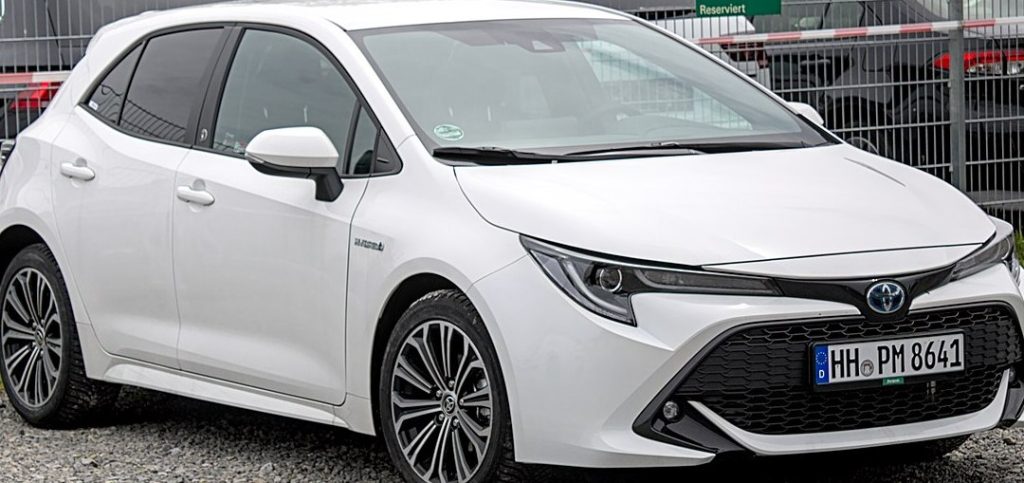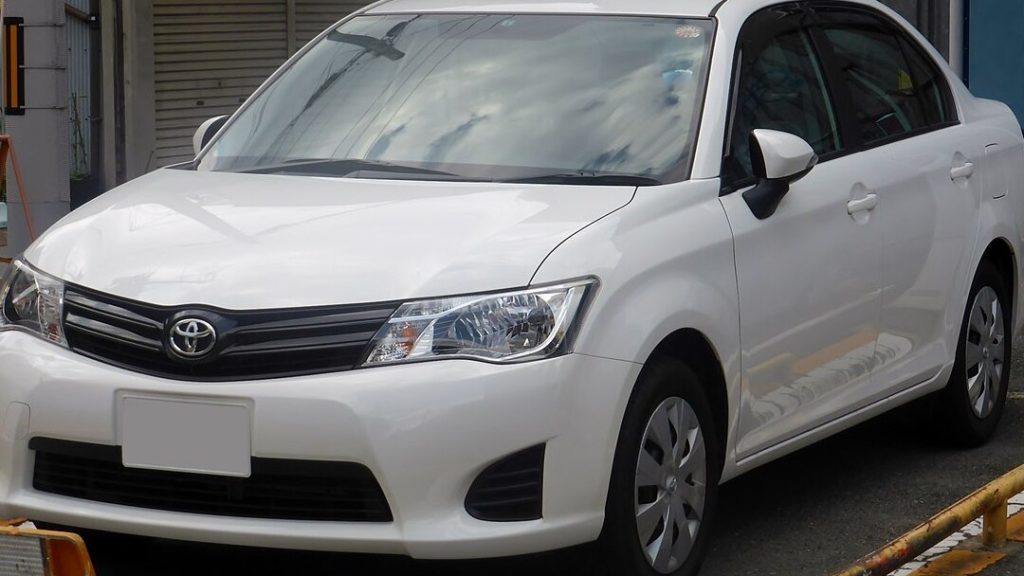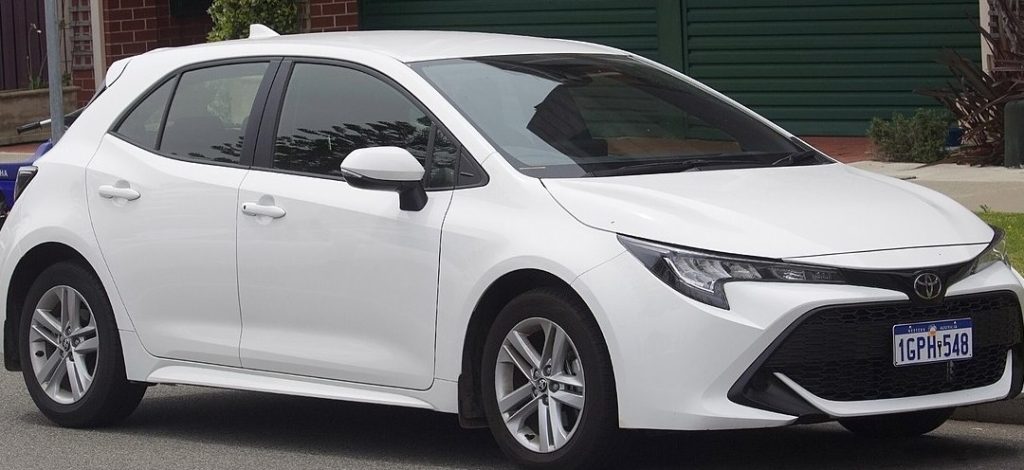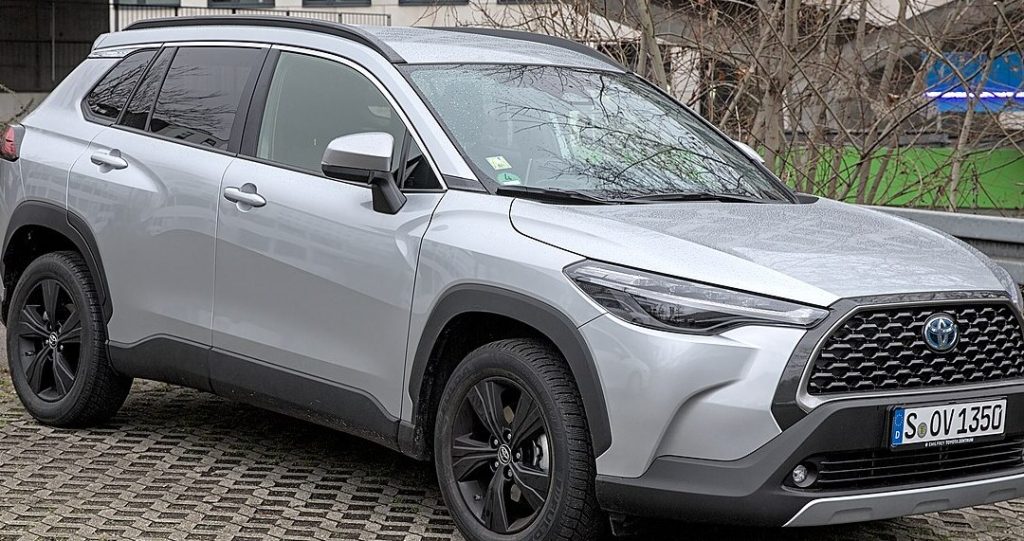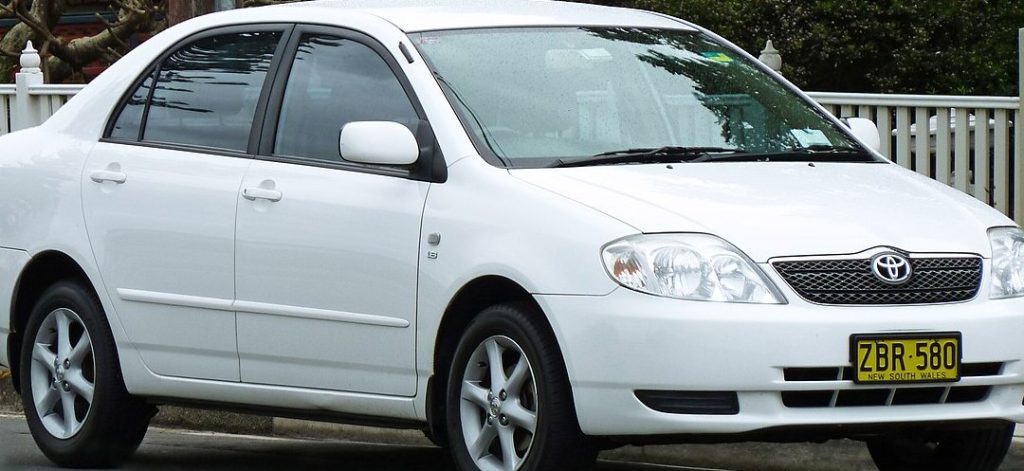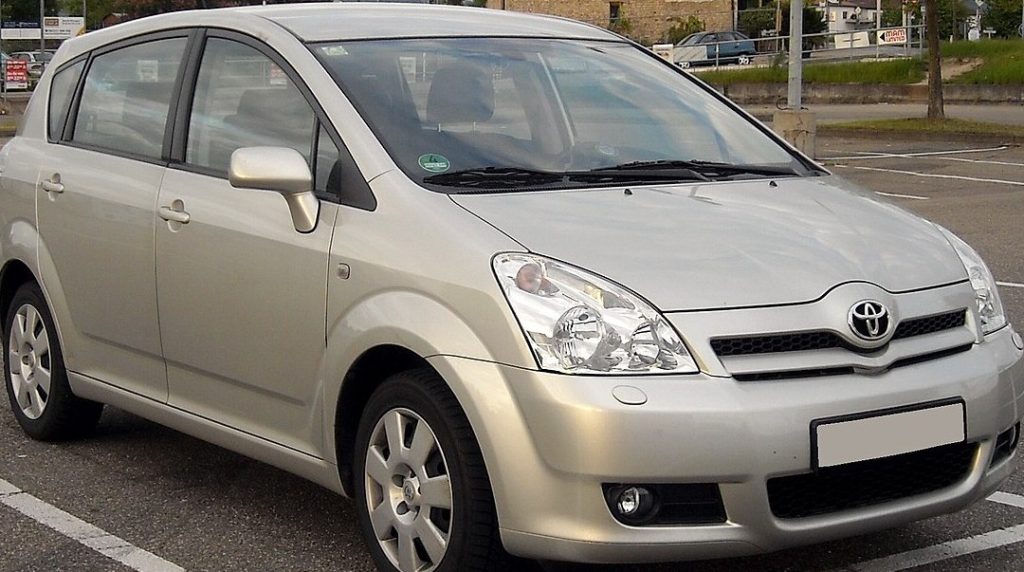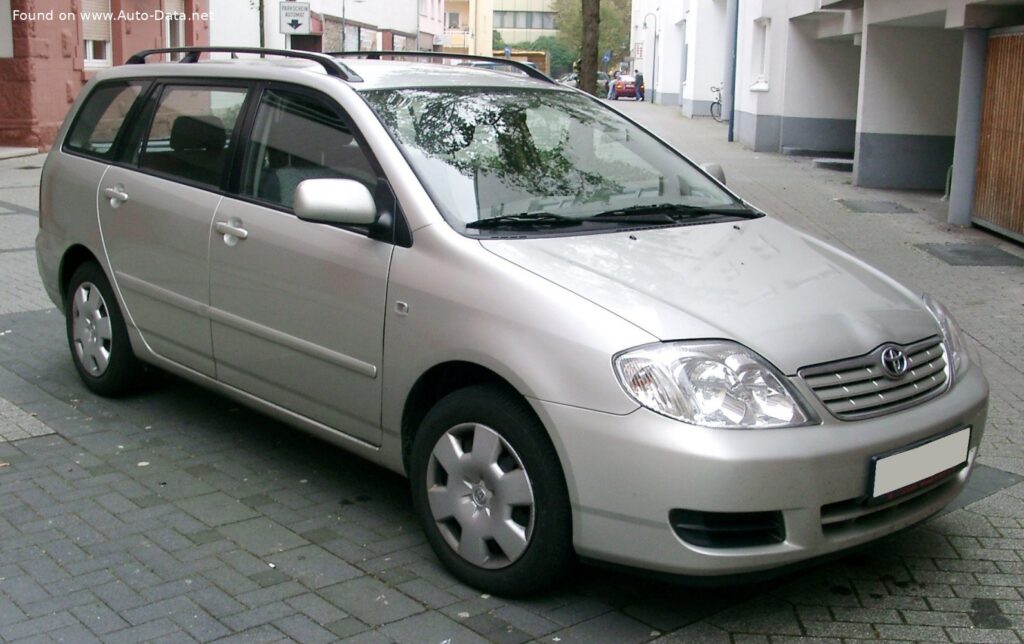
The Toyota Corolla Wagon IX, specifically the 2.0 D-4D variant producing 90 horsepower, was a practical and fuel-efficient estate car produced between 2001 and 2006. Part of the E120/E130 series Corolla generation, this wagon offered a compelling alternative to traditional sedans, providing increased cargo capacity and versatility. Positioned as a mid-range offering within the Corolla wagon lineup, it slotted below the more powerful petrol engine options and above the base-level trims. The 2.0 D-4D appealed to buyers prioritizing economy and practicality over outright performance, making it a popular choice in European markets.
Powertrain & Engine Architecture
The heart of the Corolla 2.0 D-4D wagon is the 1CD-FTV, a 1.995-liter (121.74 cubic inches) inline-four cylinder diesel engine. This engine is a turbocharged common rail direct injection diesel, representing Toyota’s advancements in diesel technology at the time. The 1CD-FTV utilizes a double overhead camshaft (DOHC) valvetrain with four valves per cylinder, optimizing airflow for improved efficiency and power output. The turbocharger, coupled with an intercooler, forces more air into the cylinders, boosting power and torque. The common rail fuel injection system, operating at a high pressure of 18.6:1 compression ratio, precisely meters fuel delivery for optimal combustion.
While a five-speed manual transmission was the most common pairing for this engine, an optional four-speed automatic transmission was available, though less frequently chosen. The automatic transmission was designed for smooth operation and ease of use, prioritizing comfort over sporty performance. It featured electronically controlled torque converter lock-up for improved fuel efficiency at cruising speeds. The engine oil capacity is 5.9 liters (6.23 US quarts / 5.19 UK quarts), and the coolant capacity is 7.6 liters (8.03 US quarts / 6.69 UK quarts).
Diesel Particulate Filter (DPF) Considerations
Later models of the 2.0 D-4D, particularly those built to meet Euro 4 emission standards, were equipped with a Diesel Particulate Filter (DPF). This filter traps soot particles from the exhaust, reducing harmful emissions. However, DPFs require periodic regeneration – a process where the filter is burned clean. Failure to allow for proper regeneration cycles (typically through highway driving) could lead to DPF clogging and costly repairs. Early 2.0 D-4D models may not have been equipped with a DPF, depending on the specific market and production date.
Driving Characteristics
The 90 horsepower and 215 Nm (158.58 lb-ft) of torque produced by the 1CD-FTV engine in the Corolla 2.0 D-4D wagon provided adequate, though not exhilarating, performance. Acceleration from 0 to 100 km/h (0-62 mph) took approximately 12.6 seconds, and the top speed was limited to 180 km/h (111.85 mph). The engine’s torque peak at 2400 rpm meant that the car felt reasonably responsive in everyday driving situations, particularly when overtaking or climbing hills.
The automatic transmission, while convenient, did detract somewhat from the driving experience. Gear changes were generally smooth, but not particularly quick, and the transmission could sometimes feel hesitant when downshifting. Compared to the manual transmission version, the automatic resulted in slightly slower acceleration times and marginally reduced fuel economy. The gear ratios were optimized for fuel efficiency and relaxed cruising rather than sporty driving. The weight-to-power ratio of 14.4 kg/Hp and weight-to-torque ratio of 6 kg/Nm reflect the car’s focus on practicality over performance.
Equipment & Trim Levels
The Corolla Wagon 2.0 D-4D typically came equipped with a reasonable level of standard features. These included power steering, central locking, electric front windows, and an anti-lock braking system (ABS). Interior upholstery was typically cloth, with a functional and durable design. Dashboard configuration was straightforward and user-friendly, prioritizing ease of use over aesthetic flair.
Optional extras varied depending on the market, but commonly included air conditioning, alloy wheels, a CD player, and rear electric windows. Higher trim levels might have added features such as a sunroof, upgraded audio system, and more luxurious interior trim. The wagon’s rear seats could be folded down to create a larger cargo area, increasing the trunk space from a minimum of 402 liters (14.2 cubic feet) to a maximum of 1280 liters (45.2 cubic feet).
Chassis & Braking
The Corolla Wagon 2.0 D-4D utilized a front-engine, front-wheel-drive layout. The front suspension consisted of a MacPherson strut setup, while the rear suspension employed a coil spring arrangement. This suspension configuration provided a comfortable ride quality, although it wasn’t particularly sporty.
Braking duties were handled by ventilated discs on the front wheels and discs on the rear wheels. The ABS system helped to prevent wheel lock-up during hard braking, enhancing safety. The steering system was a rack and pinion type with electric power steering, providing light and easy steering feel. Tire size was typically 195/60 R15, mounted on 6.5 x 15 inch wheel rims.
Market Reception & Comparison
The Toyota Corolla Wagon 2.0 D-4D was generally well-received by critics and buyers alike. It was praised for its fuel efficiency – achieving approximately 7.4 l/100 km (31.8 US mpg) in urban driving and 5 l/100 km (47 US mpg) on the open road – and its practicality. However, some reviewers noted that the engine lacked the refinement and power of some of its competitors.
Compared to the petrol-powered Corolla wagons, the 2.0 D-4D offered significantly better fuel economy, making it a more economical choice for high-mileage drivers. Compared to other diesel estate cars in its class, such as the Ford Focus Estate TDCi and the Volkswagen Golf Estate TDI, the Corolla offered a reputation for reliability and durability. However, the Volkswagen often provided a more engaging driving experience and a more premium interior.
Technical Specifications
| Brand | Toyota |
| Model | Corolla Wagon IX (E120, E130) |
| Type | 2.0 D-4D (90 Hp) |
| Start of production | 2001 |
| End of production | 2006 |
| Engine Model/Code | 1CD-FTV |
| Engine displacement | 1995 cm3 (121.74 cu. in.) |
| Number of cylinders | 4 |
| Engine configuration | Inline |
| Power | 90 Hp @ 4000 rpm |
| Torque | 215 Nm @ 2400 rpm (158.58 lb.-ft. @ 2400 rpm) |
| Fuel Type | Diesel |
| Fuel consumption (urban) | 7.4 l/100 km (31.8 US mpg) |
| Fuel consumption (extra urban) | 5 l/100 km (47 US mpg) |
| Acceleration 0-100 km/h | 12.6 sec |
| Maximum speed | 180 km/h (111.85 mph) |
| Kerb Weight | 1300 kg (2866.01 lbs) |
| Max. weight | 1760 kg (3880.14 lbs) |
| Trunk (boot) space (min) | 402 l (14.2 cu. ft.) |
| Trunk (boot) space (max) | 1280 l (45.2 cu. ft.) |
| Fuel tank capacity | 55 l (14.53 US gal) |
Legacy
The Toyota Corolla Wagon 2.0 D-4D has proven to be a reliable and durable vehicle, with many examples still on the road today. The 1CD-FTV engine, while not without its potential issues (such as DPF problems in later models), is generally considered to be a robust and long-lasting unit.
In the used car market, these wagons are often sought after by buyers looking for an affordable, economical, and practical vehicle. Their reputation for reliability and low running costs makes them an attractive option. However, potential buyers should be aware of the potential for DPF issues and ensure that the vehicle has been properly maintained. The 2.0 D-4D Corolla Wagon remains a testament to Toyota’s commitment to building dependable and fuel-efficient vehicles.