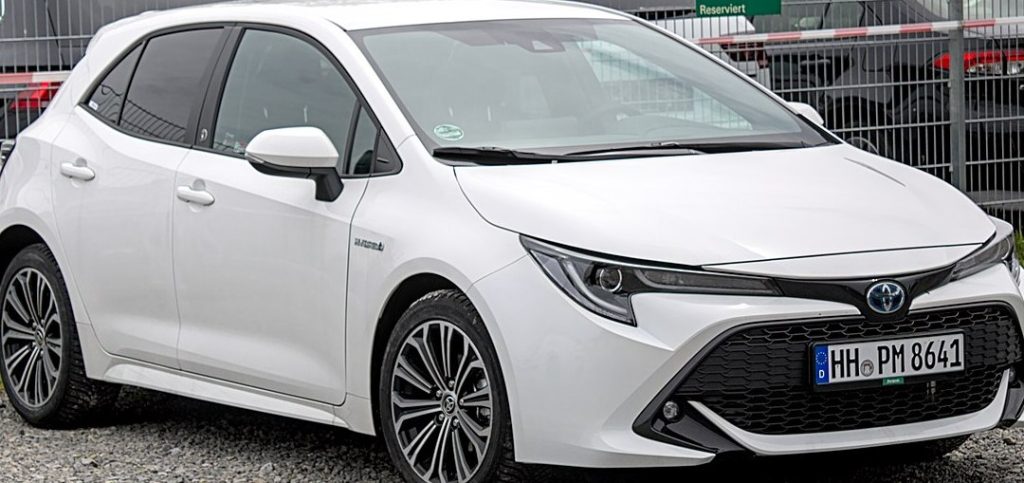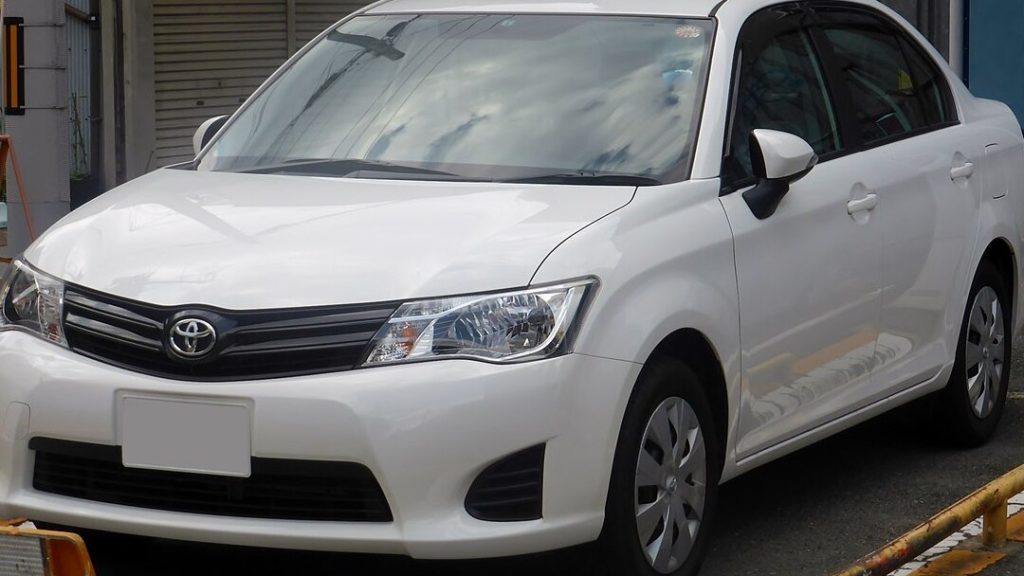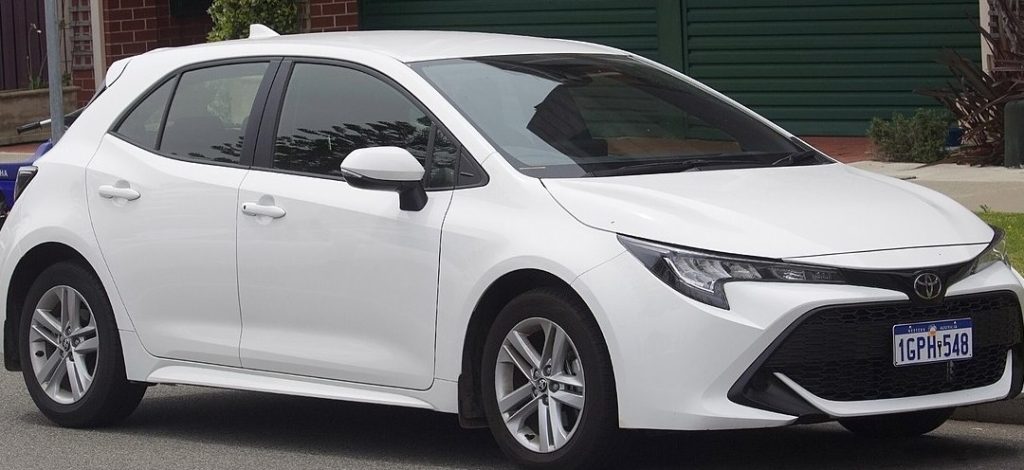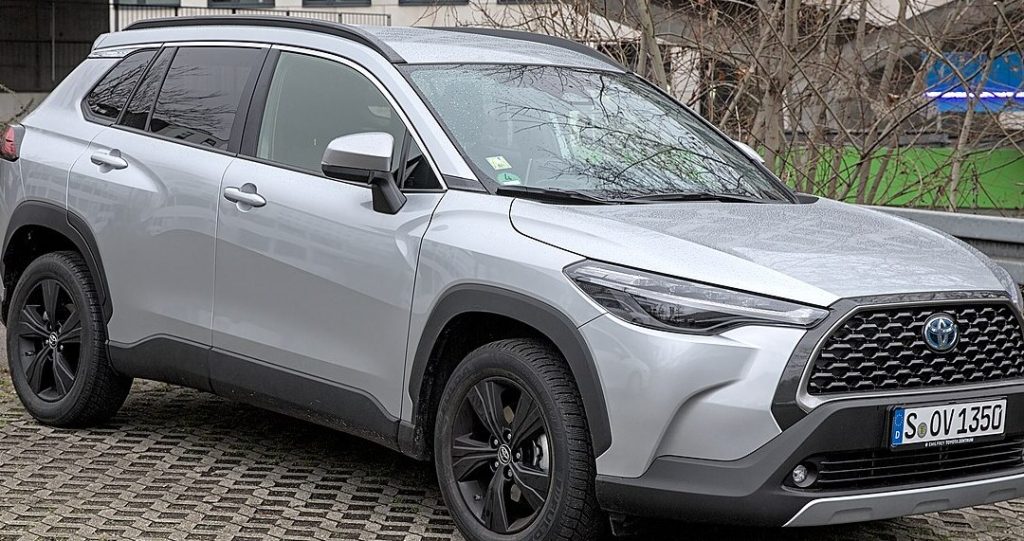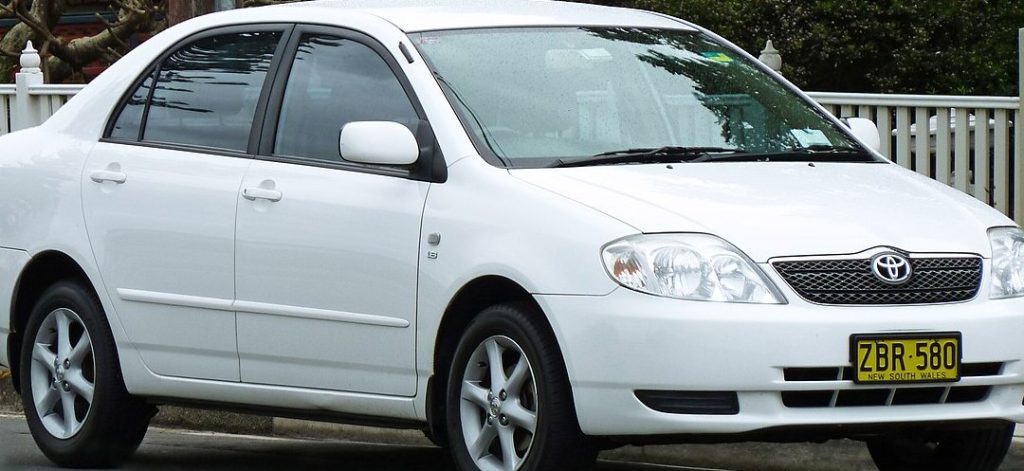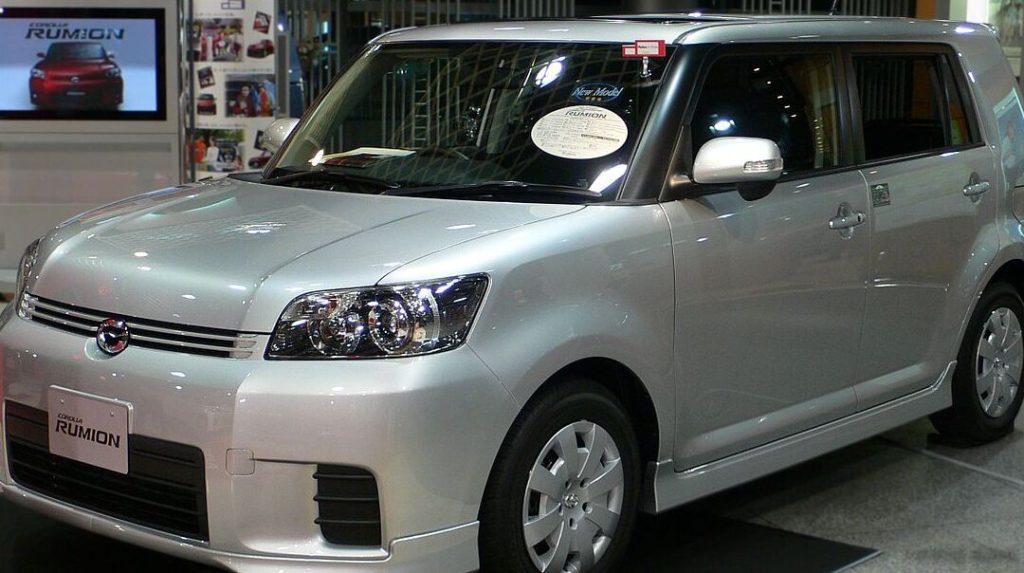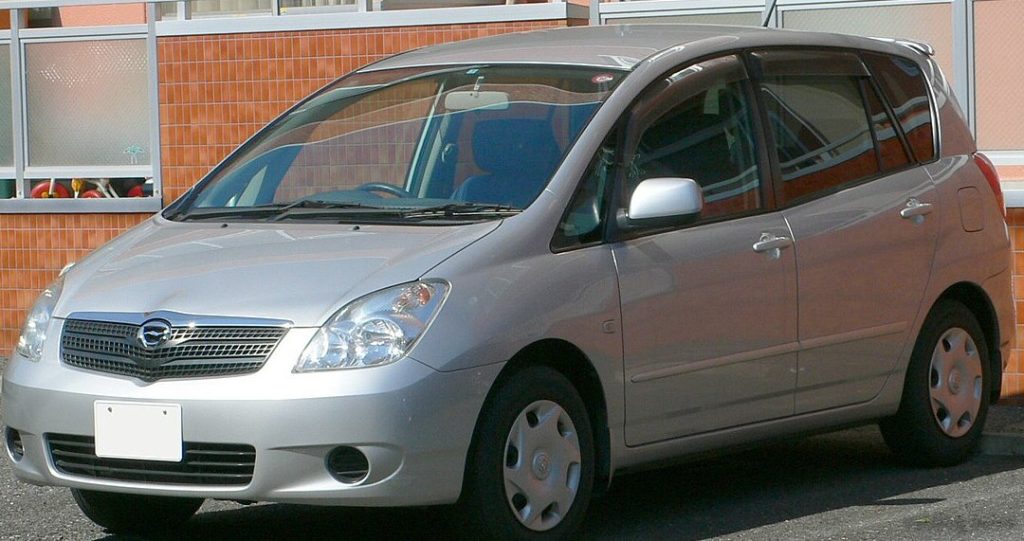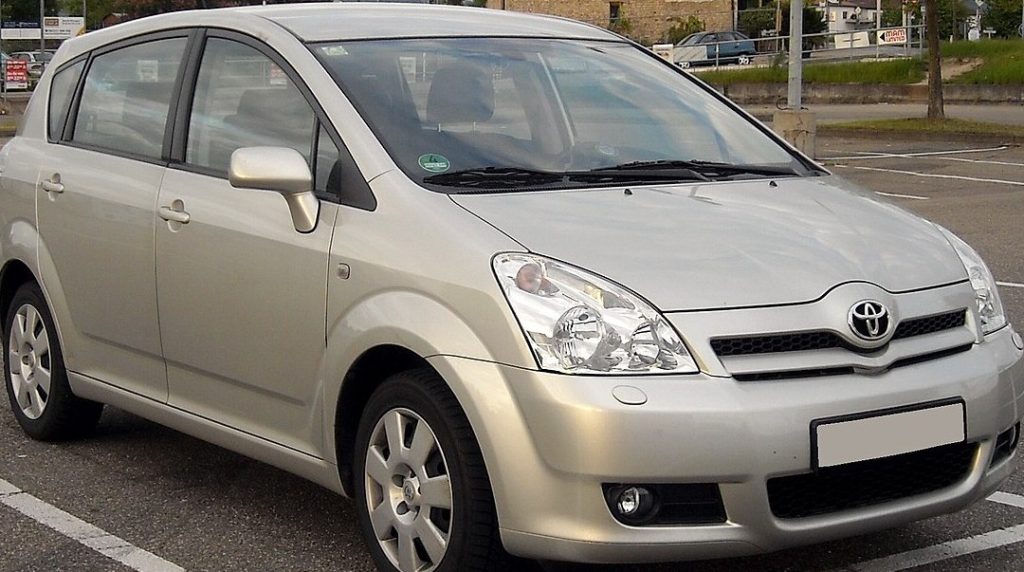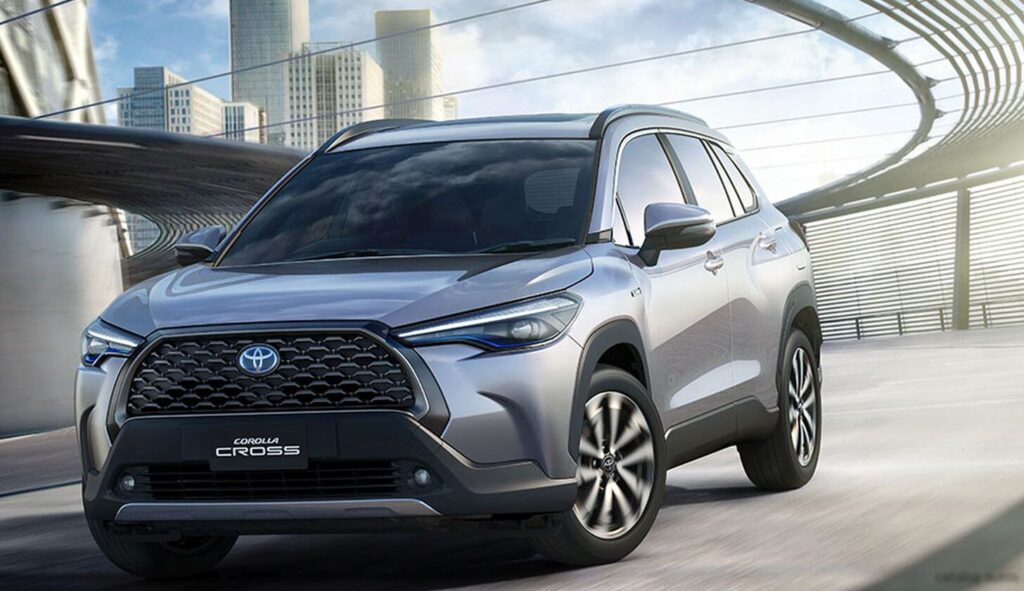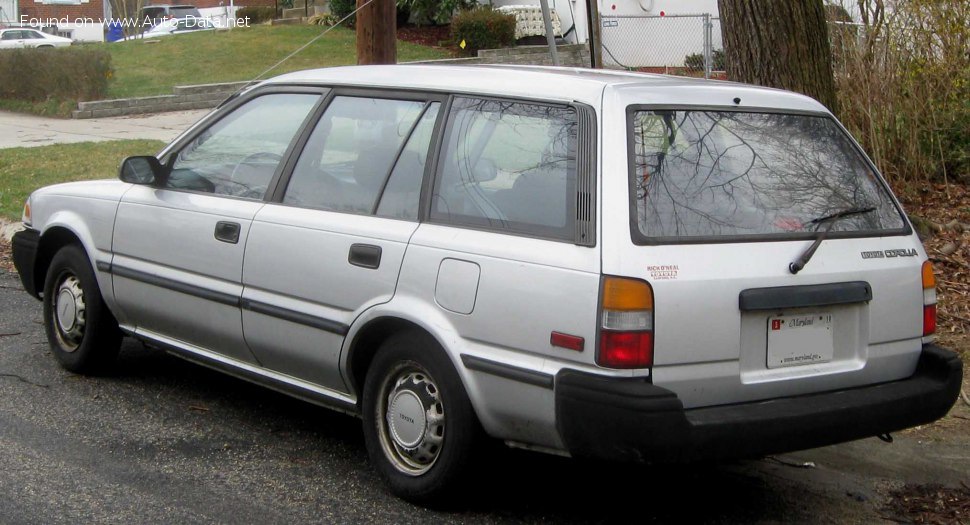
The Toyota Corolla Wagon VI (E90) 1.3i (EE90), produced between 1989 and 1992, represented the entry-level offering in the sixth generation Corolla wagon lineup. Positioned as an economical and practical family vehicle, it catered to buyers prioritizing fuel efficiency and affordability over outright performance. This variant was part of the broader E90 series, which utilized Toyota’s New MC platform, a continuation of the E80 series architecture with refinements. The E90 series was sold globally under various names, but the wagon body style was particularly popular in European and Asian markets.
The 1.3i EE90: A Focus on Economy
The 1.3i EE90 trim was specifically designed to provide a low-cost entry point into the Corolla wagon range. It distinguished itself from higher-spec models, such as those equipped with larger engines (1.6L) or more luxurious features, by offering a simplified equipment list and a focus on maximizing fuel economy. This made it a popular choice for first-time car buyers, families on a budget, and those seeking a reliable and utilitarian vehicle for everyday use. The EE90 designation refers to the engine code and body style combination, clearly identifying this specific variant within the E90 Corolla family.
Powertrain & Engine Architecture
The heart of the Corolla 1.3i EE90 is the 2E-E engine, a 1.3-liter (1298 cc) inline-four cylinder gasoline engine. This engine is naturally aspirated and features a single overhead camshaft (SOHC) valvetrain with eight valves. The 2E-E engine is known for its simplicity and durability, characteristics that contributed to the Corolla’s reputation for reliability. Fuel delivery is managed by a Toyota electronic fuel injection (EFI) system, which helped to improve fuel efficiency and reduce emissions compared to earlier carburetor-based systems. The engine produces 75 horsepower (hp) at 6,000 rpm and 88 lb-ft of torque at 3,600 rpm.
The EE90 was typically paired with a four-speed automatic transmission. This transmission was chosen to enhance the vehicle’s ease of use, particularly in urban driving conditions. While not offering the most responsive driving experience, the automatic transmission provided smooth gear changes and contributed to the car’s overall practicality. The transmission’s gear ratios were optimized for fuel economy rather than acceleration. First gear was relatively tall, promoting smooth take-offs, while higher gears were designed for efficient cruising. A five-speed manual transmission was also available on some markets, offering a more engaging driving experience and slightly improved fuel economy, but the automatic was the more common choice for this trim level.
Driving Characteristics
The driving experience in the Corolla 1.3i EE90 automatic is best described as comfortable and undemanding. Acceleration is modest, with 0-60 mph times estimated around 13-15 seconds. The engine feels strained when pushed hard, particularly when fully loaded with passengers and cargo. The automatic transmission contributes to a relaxed driving style, but it can sometimes feel hesitant when downshifting for overtaking maneuvers. The suspension is tuned for comfort, providing a reasonably smooth ride over most road surfaces. However, it’s not particularly sporty, and body roll is noticeable in corners. The steering is light and easy to use, making it well-suited for city driving. Compared to the 1.6L Corolla wagons, the 1.3i feels noticeably slower and less refined, but it compensates with superior fuel economy.
Equipment & Trim Levels
The 1.3i EE90 was generally equipped with a basic level of features. Standard equipment typically included cloth upholstery, a simple dashboard layout with analog gauges, and manual windows and door locks. Air conditioning was often an optional extra, as were power steering and a radio/cassette player. The interior was designed with practicality in mind, featuring durable materials and a functional layout. The rear seats could be folded down to increase cargo space, making the wagon particularly versatile for carrying larger items. Trim levels varied slightly depending on the market, but the 1.3i generally represented the base model, with limited options for customization.
Chassis & Braking
The Corolla Wagon VI (E90) utilized a front-engine, rear-wheel-drive layout. The suspension consisted of MacPherson struts at the front and a torsion beam axle at the rear. This setup provided a good balance between ride comfort and handling. The braking system featured disc brakes at the front and drum brakes at the rear. While adequate for normal driving conditions, the drum brakes at the rear were less effective than disc brakes, particularly under heavy braking. The EE90 typically featured smaller wheels and tires compared to higher-spec models, further contributing to its focus on fuel economy and affordability. Stabilizer bars were often omitted or smaller in diameter on the base 1.3i model, resulting in increased body roll during cornering.
Market Reception & Comparison
The Corolla 1.3i EE90 wagon received generally positive reviews for its reliability, fuel efficiency, and practicality. Critics praised its affordability and ease of use, making it a popular choice for families and budget-conscious buyers. However, it was often criticized for its lack of power and its relatively basic interior. Compared to other wagons in its class, such as the Ford Escort Wagon or the Opel Kadett Estate, the Corolla offered a more refined driving experience and a reputation for superior reliability. Fuel economy was a key selling point, with the 1.3i achieving around 35-40 mpg in mixed driving conditions. The 1.6L Corolla wagons offered more performance but at the expense of fuel economy and affordability. The 1.3i’s simplicity also translated to lower maintenance costs, making it an attractive option for those seeking a reliable and economical vehicle.
Technical Specifications
| Engine Code | 2E-E |
| Engine Type | Inline-4, Naturally Aspirated |
| Displacement | 1.3 L (1298 cc) |
| Horsepower | 75 hp @ 6,000 rpm |
| Torque | 88 lb-ft @ 3,600 rpm |
| Fuel System | Electronic Fuel Injection (EFI) |
| Valvetrain | SOHC, 8 Valves |
| Transmission | 4-Speed Automatic (typically) |
| Drivetrain | Rear-Wheel Drive |
| Fuel Tank Capacity | 50 L (13.21 US gal) |
| Engine Oil Capacity | 3.2 L (3.38 US qt) |
| Coolant Capacity | 4.9 L (5.18 US qt) |
| Curb Weight | Approximately 1,050 – 1,150 kg (2,315 – 2,535 lbs) |
Legacy
The Toyota Corolla 1.3i EE90 wagon has proven to be a remarkably durable and reliable vehicle. Many examples are still on the road today, a testament to Toyota’s engineering and build quality. The 2E-E engine is known for its longevity and relatively low maintenance requirements. In the used car market, these wagons are often sought after by those looking for an affordable and dependable vehicle. While not particularly collectible, they represent a significant part of Toyota’s history and a popular choice for those seeking a classic, practical, and economical wagon. Parts availability remains good, thanks to the Corolla’s widespread popularity and Toyota’s continued support for older models. The EE90’s simplicity makes it relatively easy to maintain and repair, even for amateur mechanics. Its enduring appeal lies in its ability to provide reliable transportation without breaking the bank.