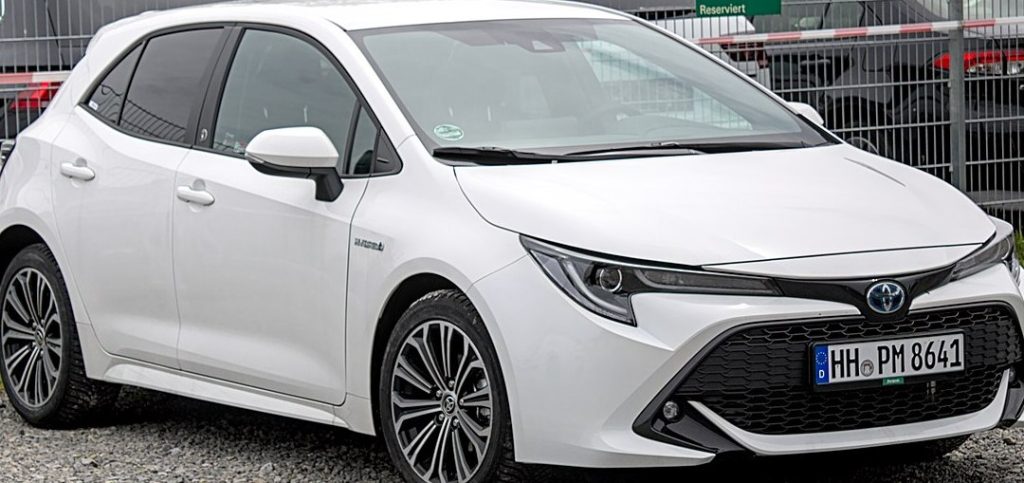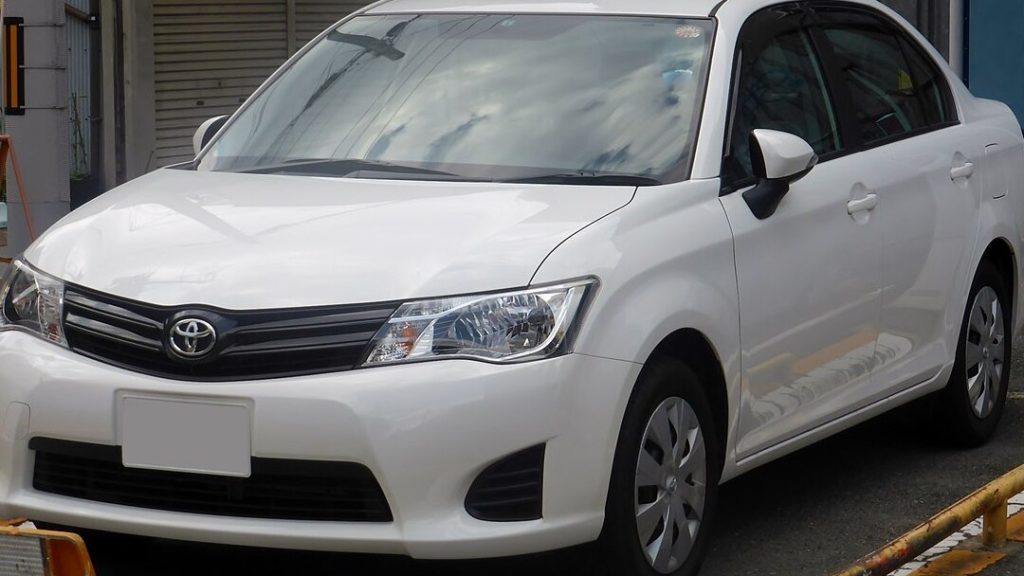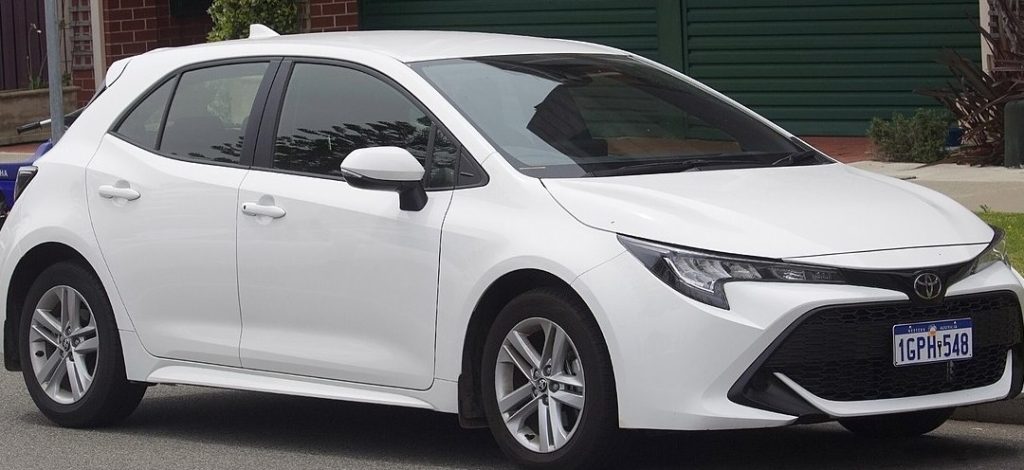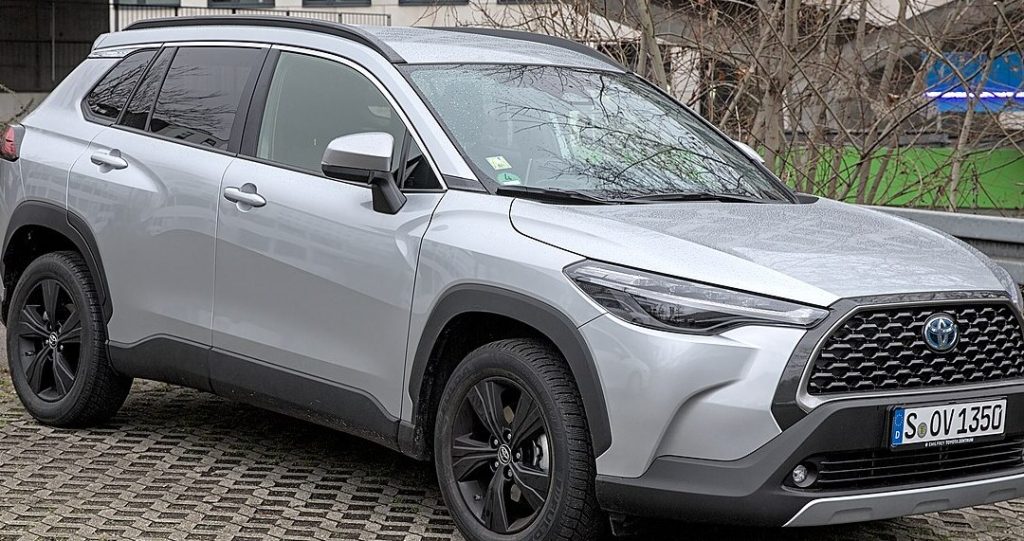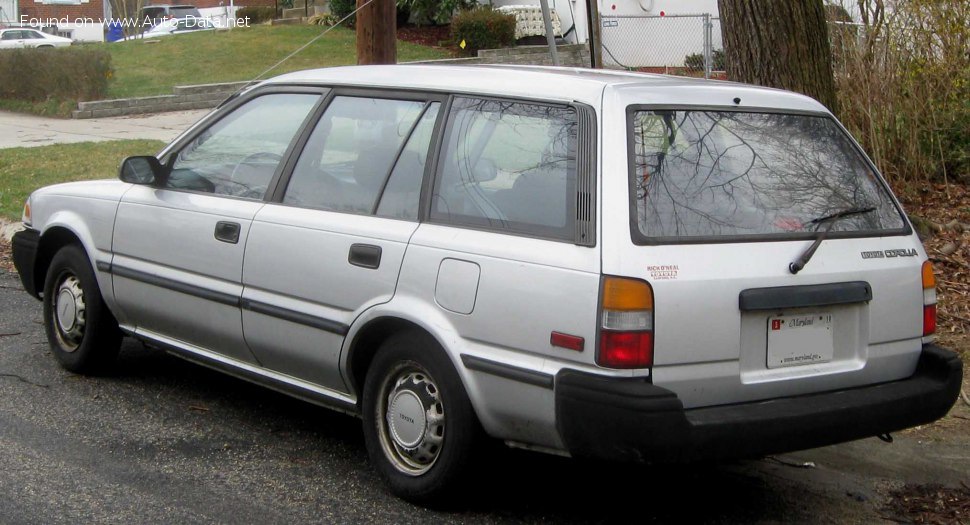
The Toyota Corolla Wagon VI (E90) 1.8 D (CE90) represents a significant chapter in the long and successful history of the Toyota Corolla. Produced from 1987 to 1992 as part of the E90 generation, this five-door station wagon was specifically equipped with a 1.8-liter diesel engine, designated the 1C-L. This variant was particularly popular in European and Asian markets, where diesel engines were favored for their fuel efficiency and durability. The CE90 model occupied a pragmatic position in the Corolla lineup, offering a cost-effective and practical alternative to the gasoline-powered versions and the more performance-oriented trims.
Powertrain & Engine Architecture
The heart of the Corolla Wagon VI (E90) 1.8 D (CE90) is the 1C-L diesel engine. This 1.8-liter (1779cc) four-cylinder engine produced 64 horsepower (hp) and approximately 98 lb-ft of torque. It utilized indirect fuel injection, a common practice for diesel engines of that era, and a single overhead camshaft (SOHC) valvetrain. The engine’s design prioritized robustness and longevity over outright power. The 1C-L engine is known for its simple, yet durable construction, featuring a cast iron block and a relatively low compression ratio for a diesel, contributing to its reliability.
The transmission paired with the 1.8 D engine was typically a four-speed automatic transmission. This transmission was chosen to provide ease of use and convenience, appealing to a broader range of drivers. While not known for its sporty performance, the automatic transmission offered smooth shifts and adequate performance for everyday driving. The gear ratios were optimized for fuel efficiency and low-end torque, making it well-suited for hauling loads or navigating urban environments. The automatic transmission was a key differentiator from the available five-speed manual transmission, which was often paired with the gasoline engines.
Engine Codes and Variations
The 1C-L engine code specifically identifies this diesel variant. While the basic engine architecture remained consistent, minor variations existed depending on the specific market. These variations often related to emissions control equipment and minor adjustments to the fuel injection system. However, the core components and overall design remained largely unchanged throughout the production run of the E90 Corolla.
Driving Characteristics
The driving experience in the Corolla Wagon VI (E90) 1.8 D (CE90) was characterized by its relaxed and predictable nature. The 64 hp output and the four-speed automatic transmission resulted in modest acceleration. Compared to the gasoline-powered Corolla variants, particularly those with larger engines, the 1.8 D was noticeably slower. However, the diesel engine’s strong low-end torque provided ample power for everyday driving situations, such as merging onto highways or climbing hills. The automatic transmission, while not offering manual control, provided smooth and predictable gear changes.
The focus was clearly on fuel economy and practicality rather than performance. The 1.8 D offered a significantly better fuel economy than its gasoline counterparts, making it an attractive option for drivers who covered long distances or prioritized low running costs. The naturally aspirated diesel engine delivered power in a linear fashion, without the turbo lag often associated with turbocharged diesel engines. This made it easy to modulate the throttle and maintain control in various driving conditions.
Equipment & Trim Levels
The Corolla Wagon VI (E90) 1.8 D (CE90) typically came with a relatively basic level of equipment, reflecting its position as a value-oriented trim. Standard features generally included manual windows, a basic AM/FM radio, and cloth upholstery. Power steering was often an optional extra, as were air conditioning and upgraded audio systems. The interior was designed for durability and practicality, with hard-wearing materials and a functional layout.
Trim levels varied depending on the market. In some regions, a higher trim level might have included features such as central locking, electric windows, and a more sophisticated audio system. However, the core focus remained on providing a reliable and affordable vehicle. The interior dashboard configuration was generally consistent across all trim levels, with a simple and straightforward design.
Chassis & Braking
The chassis of the Corolla Wagon VI (E90) 1.8 D (CE90) was a conventional body-on-frame construction, providing a robust and durable platform. The suspension system consisted of MacPherson struts at the front and a torsion beam axle at the rear. This setup provided a comfortable ride quality, although it wasn’t particularly sporty. The rear brakes were typically drum brakes, while the front brakes were disc brakes. This configuration was common for vehicles in this class during the late 1980s and early 1990s.
The stabilizer bar thickness was relatively modest, reflecting the vehicle’s focus on comfort and practicality rather than performance handling. The steering system was typically a recirculating ball steering system, providing adequate precision for everyday driving. The overall braking performance was adequate for the vehicle’s weight and power output, but it wasn’t particularly powerful.
Market Reception & Comparison
The Toyota Corolla Wagon VI (E90) 1.8 D (CE90) received generally positive reviews for its reliability, fuel economy, and practicality. Critics praised its robust engine and durable construction, but noted its modest performance. Compared to the gasoline-powered Corolla variants, the 1.8 D offered significantly better fuel economy but lacked the same level of acceleration. Compared to other diesel-powered compact wagons of the era, the Corolla 1.8 D stood out for its Toyota’s reputation for quality and reliability.
Fuel economy figures typically ranged from 45 to 55 mpg, depending on driving conditions. Reliability was a major strength, with many examples of the 1C-L engine exceeding 200,000 miles with proper maintenance. The 1.8 D appealed to drivers who prioritized long-term ownership costs and dependability over outright performance.
Technical Specifications
| Category | Specification |
| Brand | Toyota |
| Model | Corolla |
| Generation | Corolla Wagon VI (E90) |
| Type (Engine) | 1.8 D (CE90) (64 Hp) |
| Start of Production | 1987 year |
| End of Production | 1992 year |
| Powertrain Architecture | Internal Combustion Engine |
| Body Type | Station wagon (estate) |
| Seats | 5 |
| Doors | 5 |
| Fuel Type | Diesel |
| Power | 64 Hp |
| Engine Model/Code | 1C-L |
| Engine Aspiration | Naturally aspirated engine |
| Engine Oil Capacity | 4.3 l (4.54 US qt) |
| Coolant Capacity | 7.3 l (7.71 US qt) |
| Fuel Tank Capacity | 50 l (13.21 US gal) |
Legacy
The Toyota Corolla Wagon VI (E90) 1.8 D (CE90) has earned a lasting reputation for its exceptional reliability and durability. Many examples of this vehicle are still on the road today, a testament to Toyota’s engineering prowess. In the used car market, these wagons are often sought after by those looking for a dependable and affordable vehicle. The 1C-L diesel engine is known for its longevity, and with proper maintenance, it can continue to provide years of reliable service.
While not a particularly collectible vehicle, the Corolla Wagon VI (E90) 1.8 D (CE90) holds a special place in the hearts of many owners who appreciate its no-nonsense approach to transportation. It represents a bygone era of automotive engineering, where durability and practicality were prioritized over flashy features and high performance. The legacy of the E90 Corolla, and particularly the 1.8 D variant, is one of unwavering reliability and enduring value.