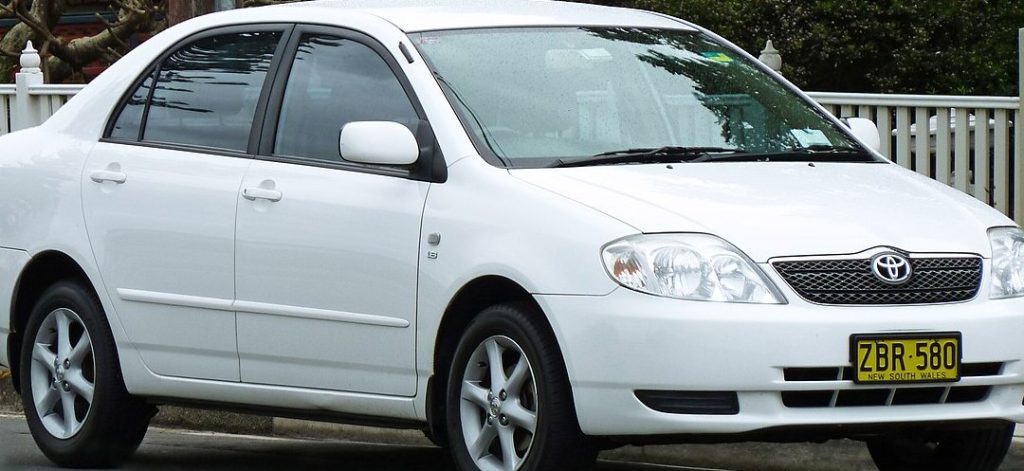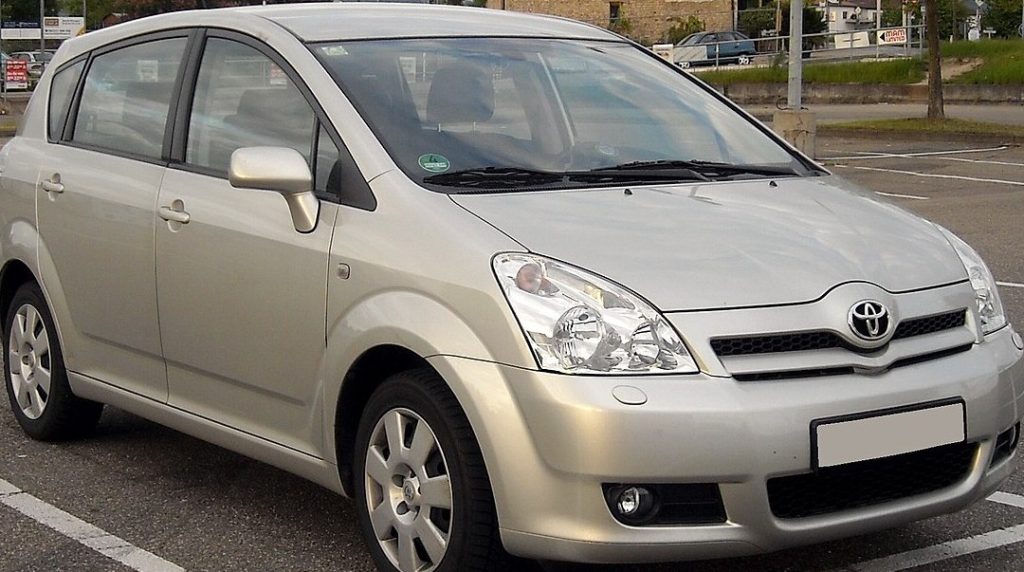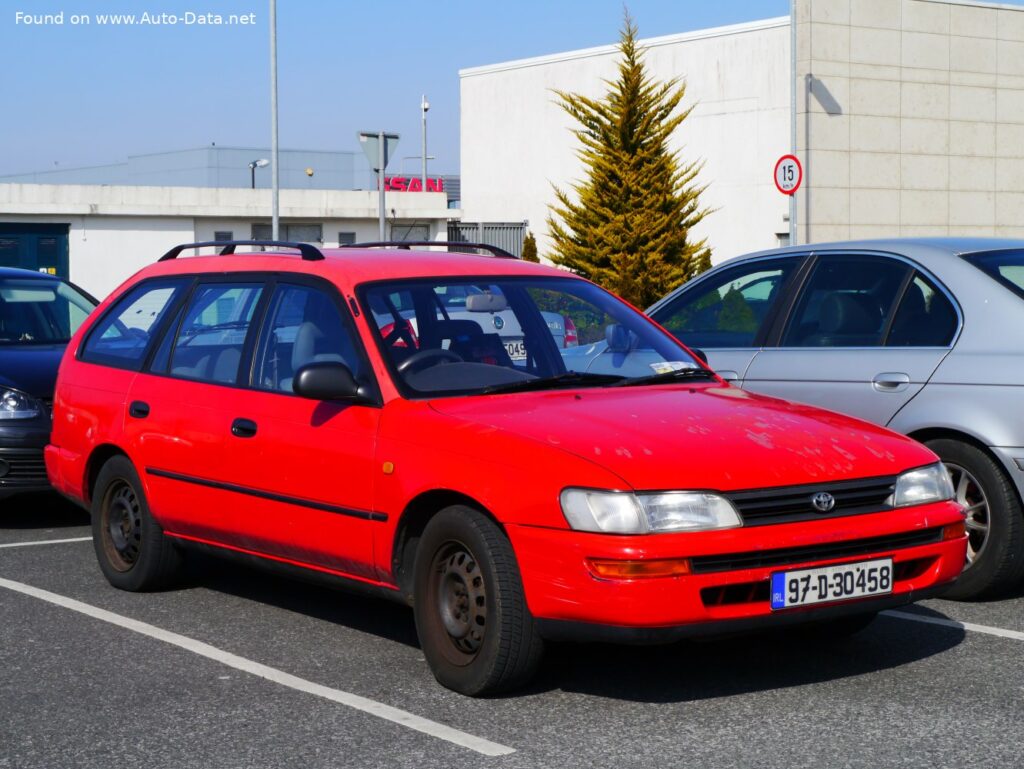
The Toyota Corolla Wagon VII (E100) 1.3i XLi, produced from 1992 to 1997, represented a practical and economical offering within the seventh generation Corolla lineup. Positioned as a mid-range trim level, it catered to buyers seeking the versatility of a wagon body style combined with Toyota’s renowned reliability and fuel efficiency. The E100 series Corolla, built on the T platform, was a significant evolution of the Corolla, offering increased interior space, improved safety features, and a more refined driving experience compared to its predecessor. The 1.3i XLi wagon specifically targeted families and individuals needing a spacious vehicle for everyday use, prioritizing practicality over outright performance. It occupied a space between the more basic LE models and the slightly better-equipped, though less common, higher trim wagons.
The 1.3i XLi Corolla Wagon: A Detailed Overview
The E100 Corolla wagon, in general, was a popular choice in many markets, particularly in Europe and Asia, where the demand for compact wagons remained strong. The 1.3i XLi variant distinguished itself with a slightly higher level of standard equipment and a more comfortable interior compared to the base models. While not a performance-oriented vehicle, it provided a dependable and efficient means of transportation. The XLi trim added features like full wheel covers, upgraded interior trim, and often, power steering, enhancing the overall ownership experience. This model year saw Toyota solidifying its reputation for building long-lasting, low-maintenance vehicles, and the 1.3i XLi wagon was a prime example of this philosophy.
Powertrain & Engine Architecture
The heart of the 1.3i XLi Corolla Wagon is the 2E engine, a 1.3-liter (1298 cc) inline-four cylinder gasoline engine. This engine, part of Toyota’s ‘E’ series, is known for its simplicity and durability. It features a single overhead camshaft (SOHC) valvetrain with eight valves (two per cylinder). The 2E engine utilizes a multi-point fuel injection system, providing improved fuel efficiency and smoother operation compared to earlier carbureted engines. The engine produces 75 horsepower (hp) at 6,000 rpm and 88 lb-ft of torque at 3,600 rpm. The engine block is cast iron, contributing to its robustness, while the cylinder head is aluminum, helping to reduce weight.
The 1.3i XLi was typically paired with a three-speed automatic transmission (A140E). This transmission was chosen for its simplicity and reliability, prioritizing smooth shifts and ease of use over sporty performance. The three-speed configuration, while adequate for everyday driving, meant that the engine often operated at higher rpm during highway cruising, potentially impacting fuel economy and noise levels. The transmission is electronically controlled, offering improved shift quality and responsiveness compared to older hydraulically controlled automatics. A four-speed manual transmission was also available on other E100 Corolla models, offering a more engaging driving experience and slightly improved fuel economy, but was less common in the XLi wagon configuration.
Driving Characteristics
The driving experience in the 1.3i XLi Corolla Wagon is best described as comfortable and predictable. Acceleration is modest, with 0-60 mph times estimated around 13-15 seconds. The three-speed automatic transmission contributes to a relaxed driving style, prioritizing smooth shifts over rapid acceleration. The gear ratios are optimized for fuel efficiency and low-speed drivability, making it well-suited for city driving. However, overtaking maneuvers on the highway require careful planning. The engine’s torque peak at 3,600 rpm means that it feels most responsive in the mid-range, but it can feel strained when pushed hard. Compared to the 1.6-liter Corolla variants, the 1.3i XLi feels noticeably slower, but it compensates with better fuel economy. The suspension is tuned for comfort, absorbing bumps and imperfections in the road effectively. Steering is light and easy, making it maneuverable in tight spaces.
Equipment & Trim Levels
The 1.3i XLi trim level offered a reasonable level of standard equipment for its time. Interior features typically included cloth upholstery, a basic audio system (often a cassette player), and power windows. Power steering was a common inclusion, enhancing ease of maneuverability. Air conditioning was often an optional extra, and many examples were equipped with it. The dashboard layout is functional and straightforward, with clearly labeled controls. The XLi trim also featured full wheel covers, adding a touch of visual appeal. Optional extras available for the 1.3i XLi included upgraded audio systems, alloy wheels, and a sunroof. Safety features were relatively basic by modern standards, typically including seatbelts and a driver’s side airbag in some markets.
Chassis & Braking
The E100 Corolla Wagon utilizes a front-engine, front-wheel-drive layout. The suspension consists of MacPherson struts at the front and a torsion beam axle at the rear. This configuration provides a good balance between ride comfort and handling. The torsion beam rear suspension is relatively simple and cost-effective, but it can limit handling precision compared to independent rear suspension systems. Braking duties are handled by disc brakes at the front and drum brakes at the rear. The braking system is adequate for everyday driving, but it lacks the stopping power of more modern braking systems. The 1.3i XLi wagon typically features smaller diameter wheels and tires compared to the higher-performance Corolla variants, contributing to a softer ride but reducing grip.
Market Reception & Comparison
The 1.3i XLi Corolla Wagon was generally well-received by critics and consumers alike. It was praised for its reliability, fuel efficiency, and practicality. However, its modest performance was often noted as a drawback. Compared to the 1.6-liter Corolla variants, the 1.3i XLi offered lower running costs but sacrificed performance. The 1.6-liter engines provided a more engaging driving experience and were better suited for highway driving. Fuel economy for the 1.3i XLi wagon typically ranged from 30-35 mpg in mixed driving conditions. Reliability was a major strength, with many examples exceeding 200,000 miles with proper maintenance. The Corolla Wagon, in general, faced competition from other compact wagons such as the Ford Escort Wagon and the Volkswagen Golf Wagon, but the Toyota’s reputation for reliability often gave it an edge.
Technical Specifications
| Engine Type | 2E, Inline-4 Cylinder Gasoline |
| Displacement | 1.3 L (1298 cc) |
| Horsepower | 75 hp @ 6,000 rpm |
| Torque | 88 lb-ft @ 3,600 rpm |
| Fuel System | Multi-point Fuel Injection |
| Valvetrain | SOHC, 8 Valves |
| Transmission | 3-Speed Automatic (A140E) |
| Drivetrain | Front-Wheel Drive |
| Brakes (Front) | Disc |
| Brakes (Rear) | Drum |
| Wheelbase | 2,485 mm (97.8 in) |
| Length | 4,155 mm (163.6 in) |
| Width | 1,695 mm (66.7 in) |
| Height | 1,475 mm (58.1 in) |
| Curb Weight | 1,080 kg (2,381 lbs) |
Legacy
The 1.3i XLi Corolla Wagon, while not the most powerful or exciting variant of the E100 Corolla, has proven to be a remarkably durable and reliable vehicle. Today, well-maintained examples are becoming increasingly rare, but they are still sought after by enthusiasts and those seeking a dependable and economical classic car. The 2E engine is known for its longevity, and the three-speed automatic transmission, while simple, is also relatively robust. The availability of spare parts remains good, making it relatively easy to keep these wagons on the road. The 1.3i XLi Corolla Wagon represents a bygone era of automotive engineering, prioritizing practicality, reliability, and affordability over outright performance. Its enduring legacy is a testament to Toyota’s commitment to building quality vehicles that stand the test of time.