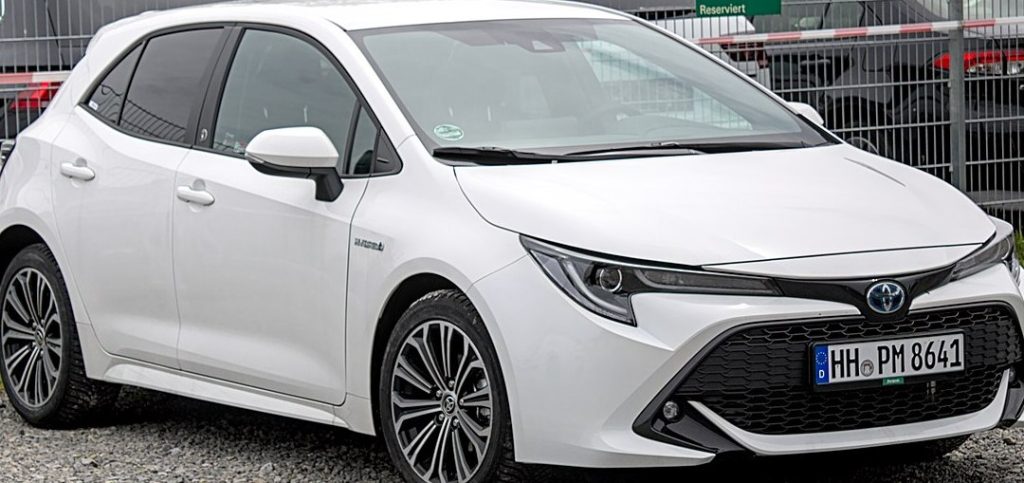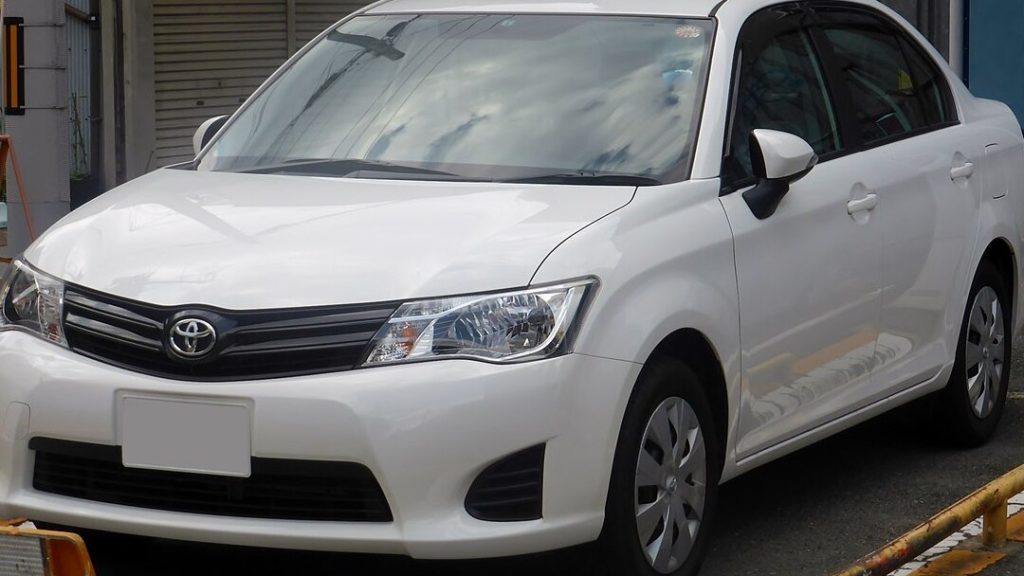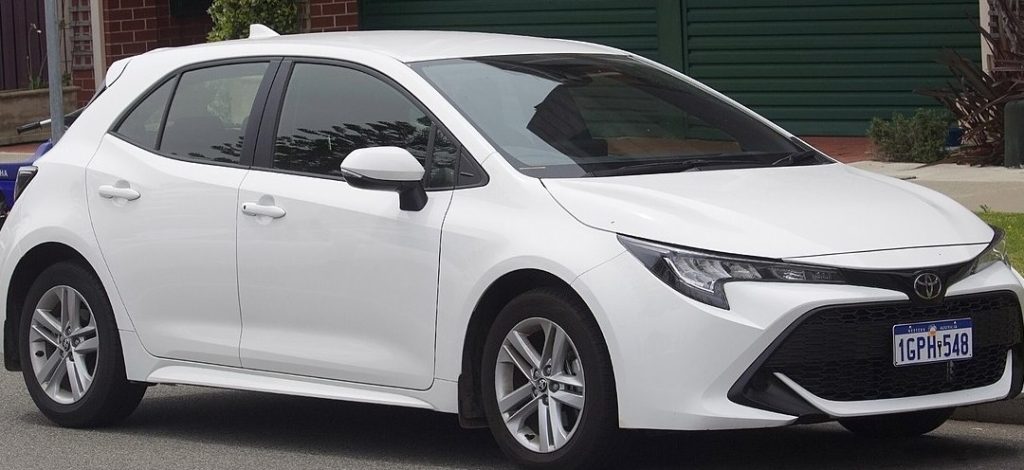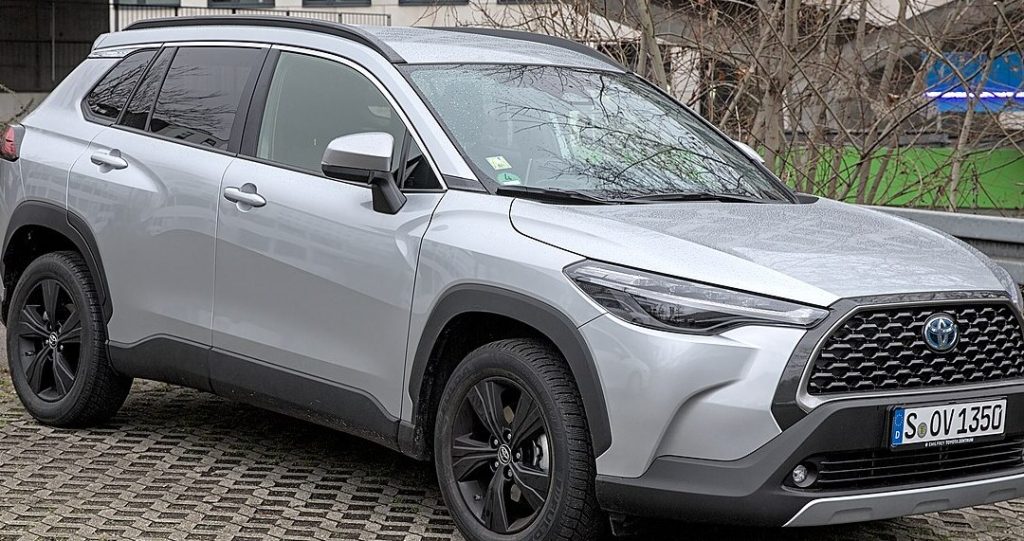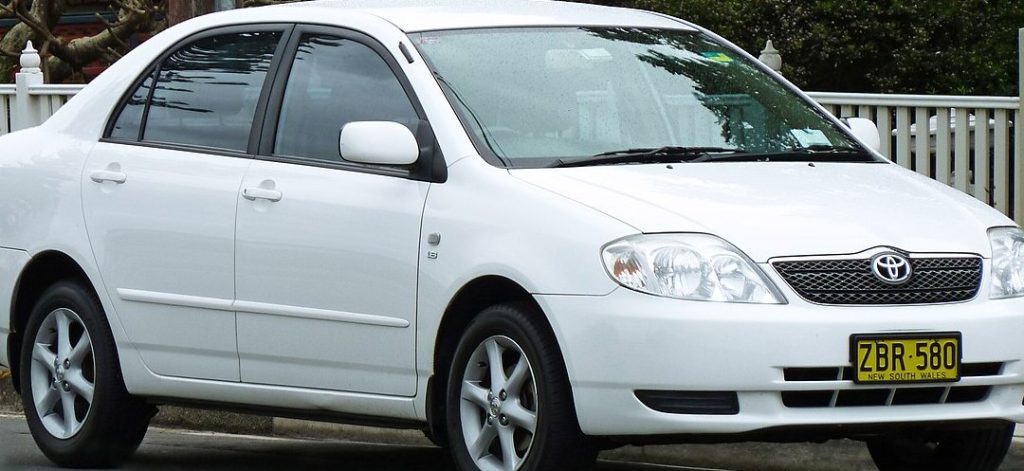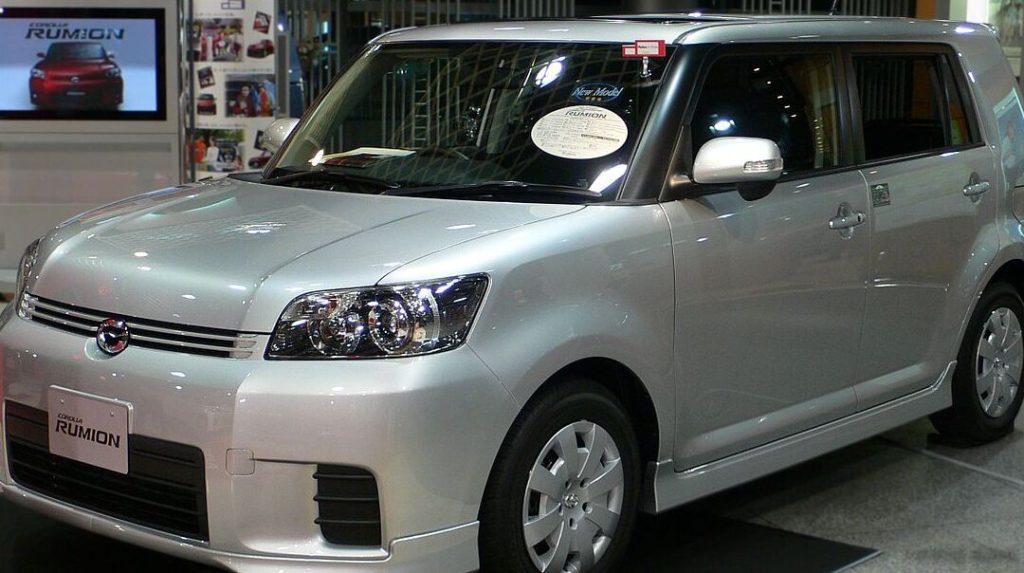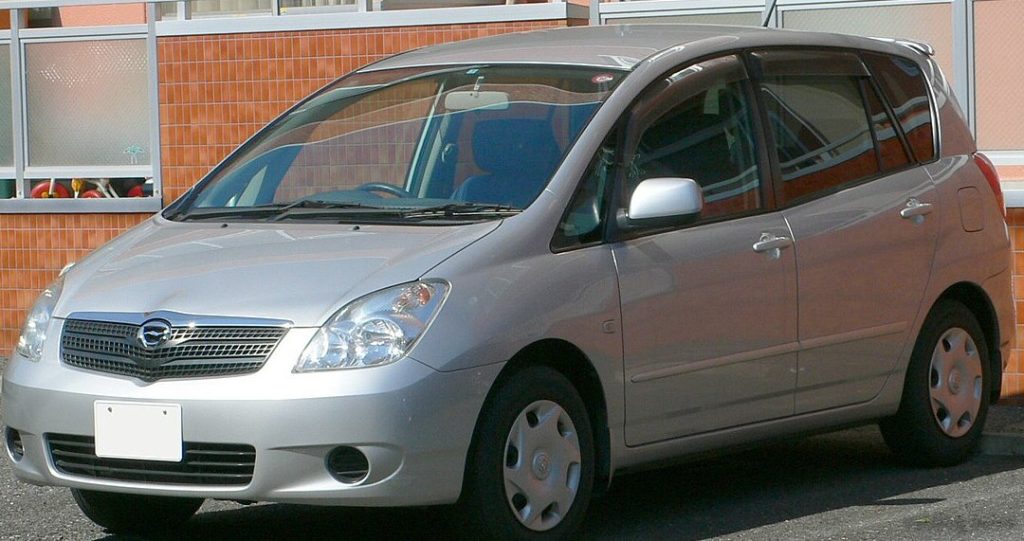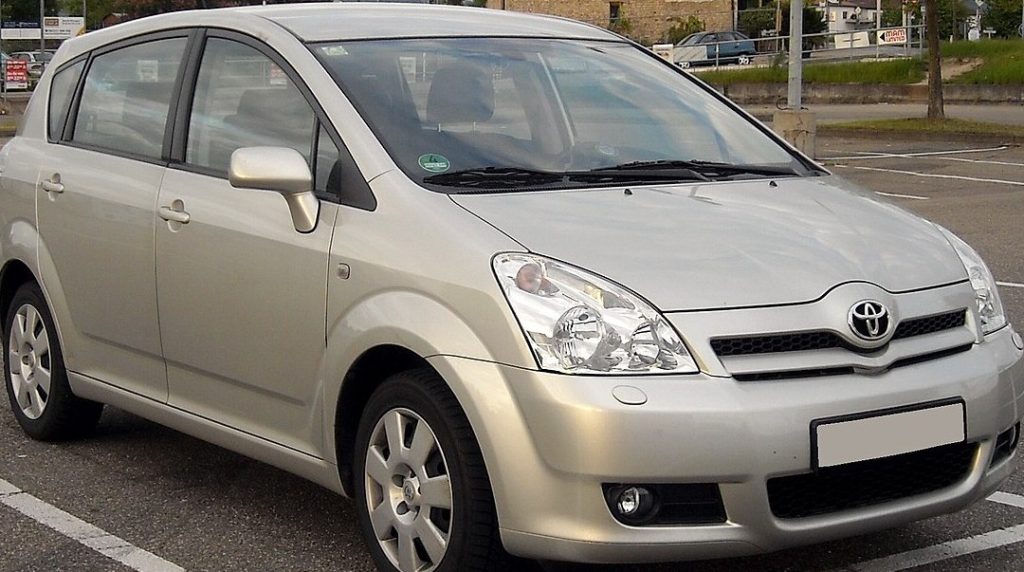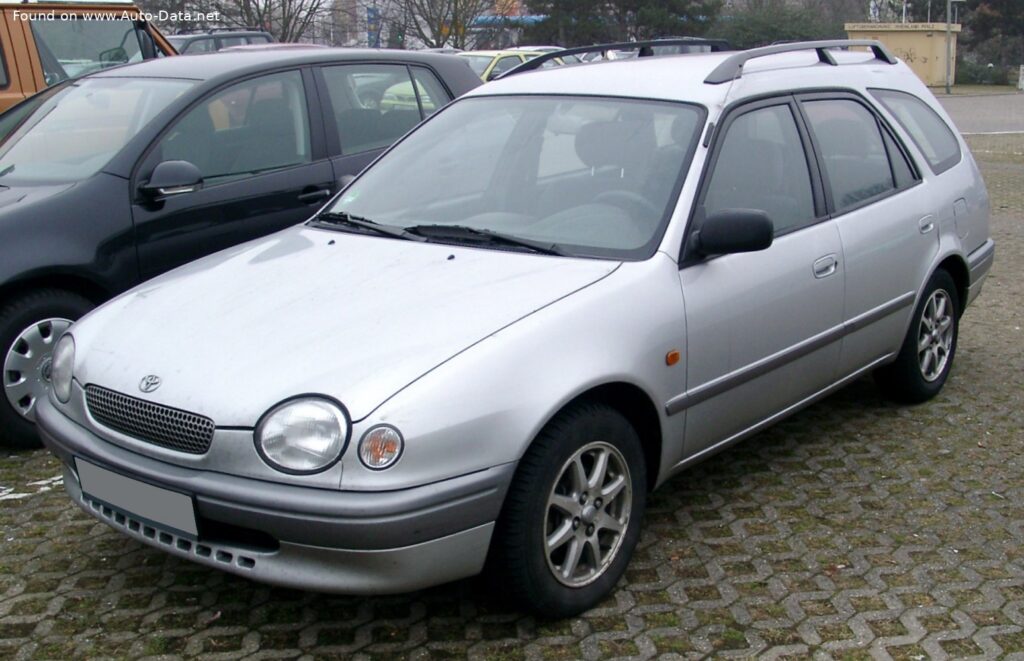
The Toyota Corolla Wagon VIII (E110) 1.8 i 16V (110 Hp) 4WD represents a practical and reliable offering from the eighth generation of Toyota’s globally renowned compact car. Produced between 1997 and 2001, this particular variant of the E110 Corolla was a five-door station wagon that combined the Corolla’s legendary durability with enhanced utility and the added traction of all-wheel drive. While the Corolla nameplate has been a consistent best-seller, this specific 4WD wagon configuration was more prevalent in markets like Europe, Japan, and Australia, where its blend of practicality, fuel efficiency, and all-weather capability resonated strongly with a diverse customer base seeking a dependable family vehicle or a compact workhorse.
The E110 Corolla Wagon: Positioning and Overview
The E110 generation, which succeeded the E100 series, aimed to further refine the Corolla’s reputation for reliability, economy, and ease of ownership. Toyota focused on subtle evolutionary design changes and improved manufacturing processes to maintain its competitive edge. The 1.8-liter engine, coupled with a five-speed manual transmission and a four-wheel-drive system, positioned this wagon as a versatile option for consumers who needed more cargo space than a sedan and better grip than a standard front-wheel-drive model, without the bulk or higher running costs of a dedicated SUV. Within the E110 lineup, this 1.8L 4WD wagon occupied a mid-range position. It offered more capability and a slightly higher price point than the base 1.6L models, but remained more affordable and less performance-focused than the higher-spec trims or those equipped with larger engines.
Powertrain & Engine Architecture: The 7A-FE Engine
At the heart of the Toyota Corolla Wagon VIII (E110) 1.8 i 16V (110 Hp) 4WD lies the venerable 7A-FE engine. This naturally aspirated, 1.8-liter (1762 cubic inches) inline four-cylinder engine was a testament to Toyota’s engineering philosophy of creating durable and efficient powertrains. With a bore of 80.5 mm (3.17 inches) and a piston stroke of 88.6 mm (3.49 inches), combined with a compression ratio of 9.5:1, the 7A-FE was designed for smooth operation and longevity. It featured a multi-port fuel injection system and 16 valves (four per cylinder), optimizing fuel delivery and combustion for a balance of power and economy.
The 7A-FE utilizes a single overhead camshaft (SOHC) valvetrain, a design choice that prioritized simplicity and reliability over outright performance. The engine management system was a relatively basic electronic control unit (ECU), focusing on precise fuel metering and ignition timing to maximize efficiency and minimize emissions. The five-speed manual transmission paired with the engine was a robust unit, known for its smooth shifting and durability. The all-wheel-drive system employed a viscous coupling center differential, automatically distributing torque between the front and rear axles as needed to maintain traction. This system wasn’t a sophisticated full-time 4WD setup, but rather a part-time system that engaged the rear wheels when slippage was detected.
Driving Characteristics
The 110 horsepower and 110.63 lb-ft of torque produced by the 7A-FE engine, combined with the five-speed manual transmission and all-wheel-drive system, resulted in a driving experience focused on practicality and dependability rather than sporty performance. Acceleration from 0 to 60 mph took approximately 11.2 seconds, and the top speed was around 111.85 mph. The gear ratios were tuned for fuel efficiency and everyday drivability, with a relatively tall fifth gear for comfortable highway cruising. Compared to the base 1.6L Corolla Wagon, the 1.8L offered noticeably more power, particularly in mid-range acceleration. However, it lacked the responsiveness of higher-output engines available in other Corolla variants. The all-wheel-drive system provided enhanced grip in slippery conditions, making the car feel more stable and secure on wet or snowy roads. The steering was light and precise, making it easy to maneuver in urban environments, but lacked the feedback preferred by more enthusiastic drivers.
Equipment & Trim Levels
The Toyota Corolla Wagon VIII (E110) 1.8 i 16V (110 Hp) 4WD typically came equipped with a reasonable level of standard features for its time. These included power steering, central locking, electric windows, and an AM/FM radio. Interior upholstery was typically cloth, with a durable and practical design. Dashboard configuration was straightforward and functional, with clearly labeled controls. Optional extras available for this trim included air conditioning, a sunroof, and upgraded audio systems. Higher trim levels, often denoted by specific package names depending on the market, could add features like alloy wheels, fog lights, and more luxurious interior appointments. Safety features included seatbelts for all occupants and, in many markets, an Anti-lock Braking System (ABS) as standard or optional equipment.
Chassis & Braking
The E110 Corolla Wagon featured a robust chassis and suspension system designed for comfort and durability. The front suspension utilized MacPherson struts, while the rear suspension employed a torsion beam setup. This configuration provided a good balance of ride comfort and handling stability. Braking duties were handled by ventilated discs at the front, offering effective stopping power, complemented by drum brakes at the rear. The use of drum brakes on the rear was a cost-saving measure common in this segment. The steering system was a hydraulic rack and pinion setup, offering direct feedback and ease of maneuverability. The vehicle rode on 185/65 R14 tires, a common size that balanced ride comfort with grip. A stabilizer bar was fitted to the front suspension to reduce body roll during cornering.
Market Reception & Comparison
Critics generally viewed the Toyota Corolla Wagon VIII (E110) 1.8 i 16V (110 Hp) 4WD as a sensible and reliable choice in the compact wagon segment. It wasn’t lauded for its performance or styling, but it consistently earned praise for its dependability, fuel efficiency, and practicality. Compared to other trims in the same lineup, the 1.8L 4WD offered a good balance of power and capability, making it a popular choice for buyers who needed more than the base 1.6L engine could provide. Fuel economy was competitive, with an estimated urban consumption of 19 US mpg and an extra-urban (highway) consumption of 30.2 US mpg. Reliability was a key strength, with the 7A-FE engine proving to be exceptionally durable. Compared to rivals like the Ford Focus Wagon and Volkswagen Golf Variant, the Corolla Wagon often offered a lower total cost of ownership due to its lower maintenance requirements and strong resale value.
Technical Specifications
| Category | Specification |
| Brand | Toyota |
| Model | Corolla |
| Generation | Corolla Wagon VIII (E110) |
| Type (Engine) | 1.8 i 16V (110 Hp) 4WD |
| Start of Production | 1997 |
| End of Production | 2001 |
| Powertrain Architecture | Internal Combustion Engine |
| Body type | Station Wagon (Estate) |
| Seats | 5 |
| Doors | 5 |
| Fuel consumption (urban) | 19 US mpg |
| Fuel consumption (extra urban) | 30.2 US mpg |
| Fuel Type | Petrol (Gasoline) |
| Acceleration 0 – 60 mph | 11.2 sec |
| Maximum speed | 111.85 mph |
| Power | 110 Hp @ 5800 rpm |
| Power per liter | 62.4 Hp/l |
| Torque | 110.63 lb.-ft. @ 2800 rpm |
| Engine layout | Front, Transverse |
| Engine Model/Code | 7A-FE |
| Engine displacement | 1.8 liters (107.52 cu. in.) |
| Number of cylinders | 4 |
| Engine configuration | Inline |
| Cylinder Bore | 3.19 in. |
| Piston Stroke | 3.37 in. |
| Compression ratio | 9.5:1 |
| Number of valves per cylinder | 4 |
| Fuel injection system | Multi-port manifold injection |
| Engine aspiration | Naturally aspirated engine |
| Engine oil capacity | 4.12 US qt |
| Coolant | 6.34 US qt |
| Kerb Weight | 2766.8 lbs. |
| Max. weight | 3891.16 lbs. |
| Max load | 1124.36 lbs. |
| Trunk (boot) space – minimum | 10.88 cu. ft. |
| Trunk (boot) space – maximum | 43.01 cu. ft. |
| Fuel tank capacity | 13.21 US gal |
| Length | 170.08 in. |
| Width | 66.54 in. |
| Height | 56.89 in. |
| Wheelbase | 97.05 in. |
| Front track | 57.48 in. |
| Rear (Back) track | 57.09 in. |
| Drive wheel | All wheel drive (4×4) |
| Number of gears and type of gearbox | 5 gears, manual transmission |
| Front suspension | Coil spring |
| Rear suspension | Coil spring |
| Front brakes | Ventilated discs |
| Rear brakes | Drum |
| Assisting systems | ABS (Anti-lock braking system) |
| Steering type | Steering rack and pinion |
| Power steering | Hydraulic Steering |
| Tires size | 185/65 R14 |
Legacy
The Toyota Corolla, in its various forms, has consistently been one of the best-selling automobiles globally, and the E110 generation, including the Toyota Corolla Wagon VIII (E110) 1.8 i 16V (110 Hp) 4WD, played a crucial role in maintaining this legacy. Its reputation was built on an unwavering commitment to reliability, low running costs, and a practical, no-nonsense approach to motoring. The 7A-FE engine, in particular, is known for its longevity and relatively simple maintenance requirements. In the used car market today, these wagons are often sought after by buyers looking for an affordable, dependable, and practical vehicle. While finding a well-maintained example can be challenging due to age and mileage, the Corolla Wagon’s inherent durability means that many are still on the road, providing years of reliable service. The 4WD system adds a layer of appeal for buyers in regions with inclement weather, further enhancing its desirability.