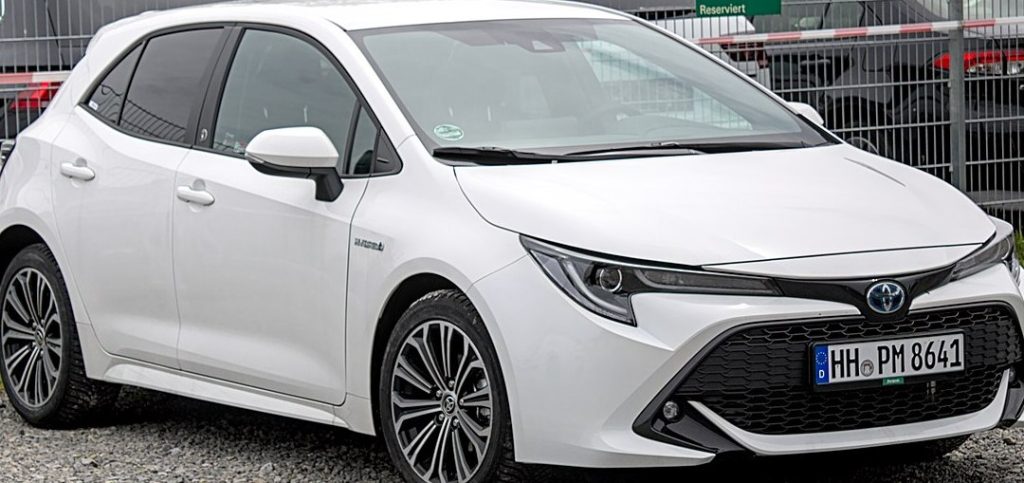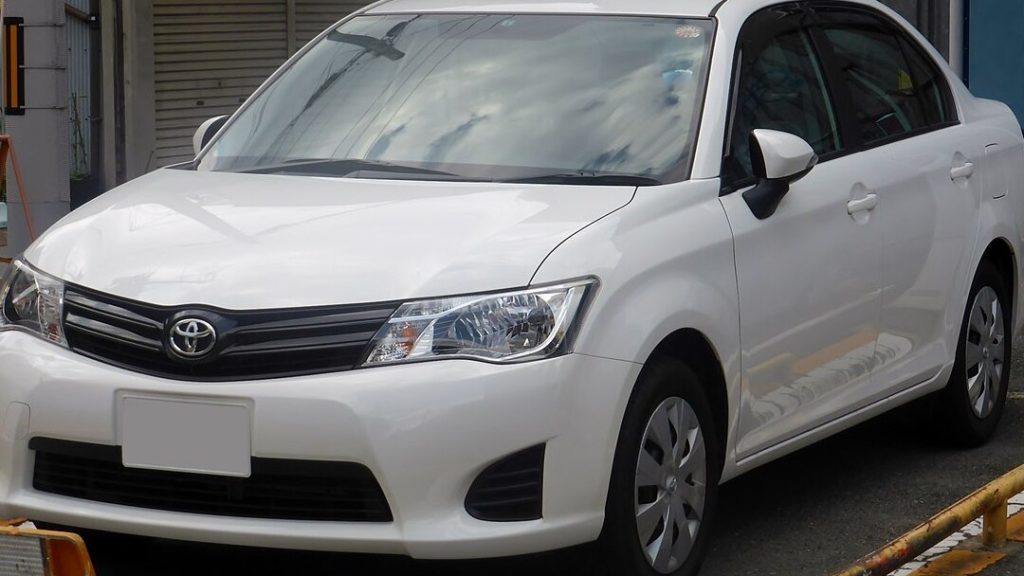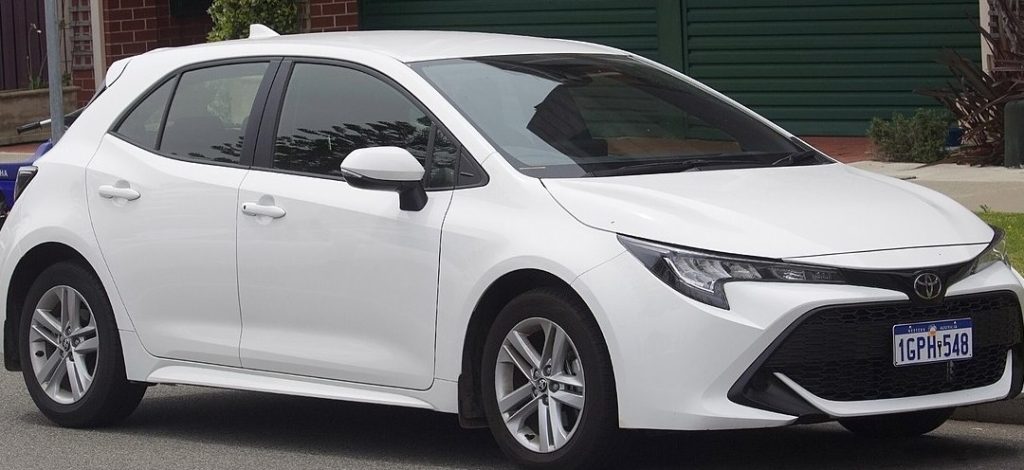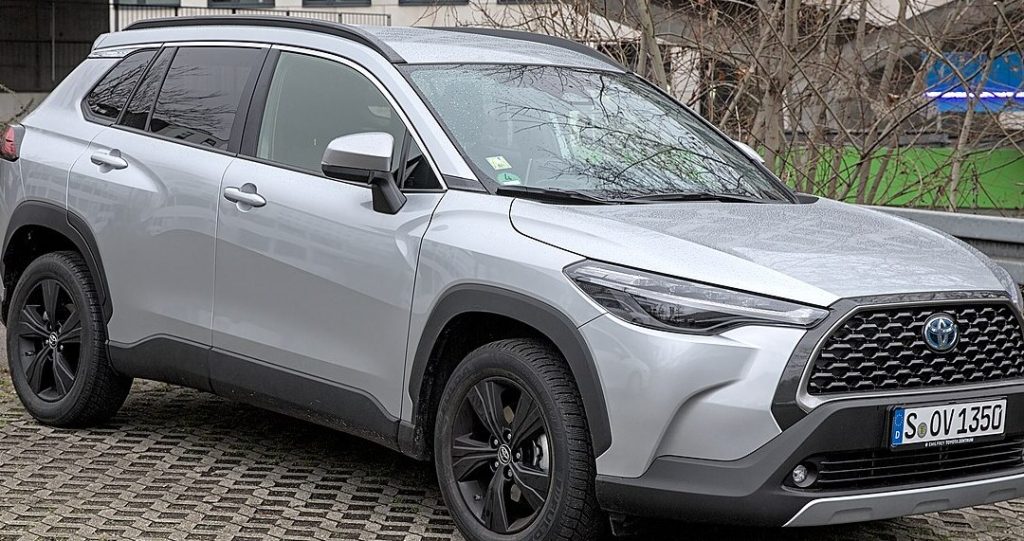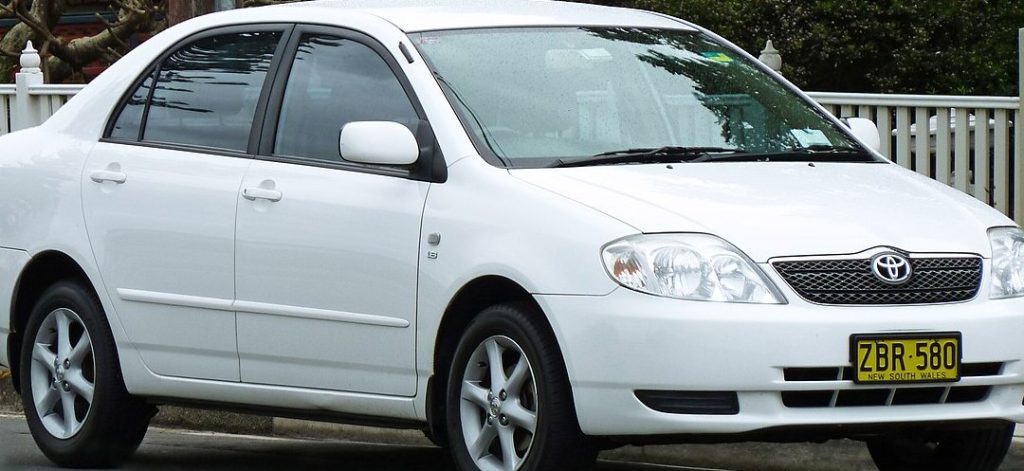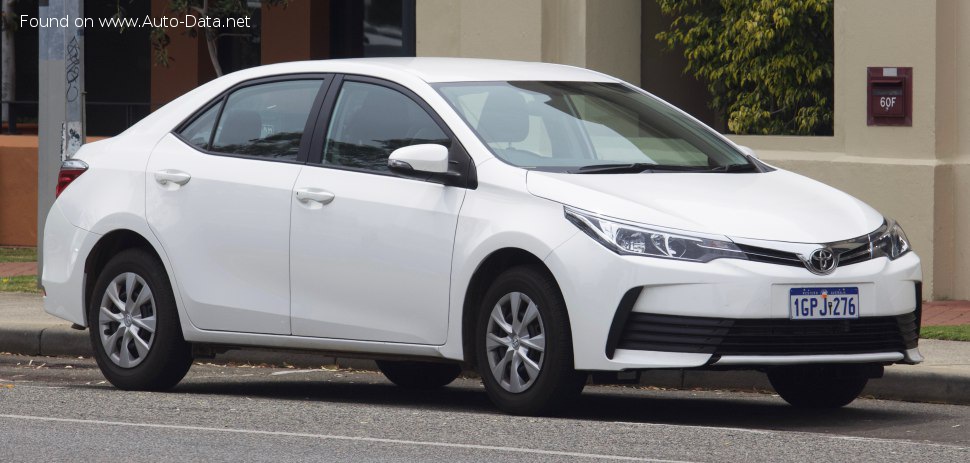
The Toyota Corolla stands as one of the most iconic and best-selling automotive nameplates in history, renowned globally for its unwavering reliability, practicality, and value. The eleventh generation, designated E170, continued this illustrious legacy, building upon decades of incremental refinement. Introduced in 2013, the E170 generation received a significant refresh in 2016, modernizing its aesthetics and enhancing its technological offerings. Among the various powertrain options available in different international markets, the Toyota Corolla XI (E170, facelift 2016) 1.6 Valvematic (132 Hp) variant represented a popular choice, particularly in European and Asian markets where its blend of efficiency and performance resonated with a broad customer base. While the North American market received a slightly different design and engine lineup for its E170 Corolla, this 1.6-liter Valvematic model exemplified Toyota’s commitment to delivering a robust, economical, and comfortable compact sedan for a diverse global audience.
This particular iteration of the Corolla sedan, produced from 2016 to 2018, embodied the core tenets of the Corolla brand: a dependable internal combustion engine architecture, a practical four-door, five-seat sedan body type, and a focus on everyday usability. The 2016 facelift brought a sharper, more contemporary exterior design and subtle interior upgrades, ensuring the Corolla remained competitive in the fiercely contested compact segment.
Powertrain & Engine Architecture: The 1.6 Valvematic
At the core of the Toyota Corolla XI (E170, facelift 2016) 1.6 Valvematic (132 Hp) lies Toyota’s well-regarded 1ZR-FAE engine. This naturally aspirated, inline four-cylinder gasoline (petrol) engine features a displacement of 1598 cubic centimeters (approximately 1.6 liters or 97.52 cubic inches). What sets this engine apart is Toyota’s innovative Valvematic system, an advanced variable valve lift technology that works in conjunction with variable valve timing (VVT-i) to precisely control the amount of air entering the cylinders. This sophisticated valvetrain, a DOHC (Double Overhead Camshaft) setup, allows for optimized engine breathing across the entire RPM range, contributing to both improved fuel efficiency and enhanced power delivery.
The 1ZR-FAE engine generates a respectable 132 horsepower at 6400 RPM, translating to a power-per-liter output of 82.6 horsepower. Torque peaks at 118.01 pound-feet (160 Nm) at 4400 RPM, providing ample thrust for daily driving scenarios. While a six-speed manual transmission was available, the automatic transmission option typically consisted of a continuously variable transmission (CVT). This CVT, designed for smooth and efficient operation, lacked traditional fixed gear ratios, instead offering a virtually infinite number of ratios within its operating range. This allowed the engine to operate at its most efficient point more often, maximizing fuel economy. The acceleration from 0 to 60 mph is achieved in approximately 10.5 to 11.5 seconds, depending on the specific transmission and vehicle weight. The vehicle can reach a maximum speed of around 124 mph (200 km/h).
Fuel efficiency was a significant highlight for this model, reflecting Toyota’s engineering prowess. The combined fuel economy is rated at an impressive 39.2 US miles per gallon (6 liters per 100 km), with extra-urban driving yielding up to 48 US miles per gallon (4.9 liters per 100 km). Even in urban settings, the Corolla managed 29.4 US miles per gallon (8 liters per 100 km). These figures, combined with CO2 emissions of 139 g/km, allowed the vehicle to meet the stringent Euro 6 emission standards, underscoring its environmental consciousness for its era. The engine’s multi-port manifold injection system and a compression ratio of 10.7:1 further contributed to its efficient combustion.
Driving Characteristics: A Focus on Efficiency
The 1.8L 90 hp Automatic configuration of the Corolla XI (E170) occupied the entry-level position in the lineup in many markets. It was designed for drivers prioritizing fuel economy and affordability over outright performance. Compared to higher-trim models equipped with larger engines (like the 1.8L with more horsepower) or manual transmissions, the 1.6L Valvematic Automatic offered a more relaxed driving experience. The CVT transmission, while contributing to fuel efficiency, resulted in a different driving feel than a traditional automatic. Under hard acceleration, the CVT would hold the engine at its peak power RPM, creating a somewhat droning sound, a characteristic often noted in CVT-equipped vehicles.
The gear ratios in the CVT were optimized for fuel efficiency, meaning that acceleration was not as brisk as in models with more powerful engines or manual transmissions. The focus was on smooth, linear power delivery rather than sporty responsiveness. This made it well-suited for city driving and highway cruising, but less ideal for spirited driving or frequent overtaking maneuvers. Compared to the manual transmission version of the same engine, the automatic sacrificed some responsiveness for ease of use.
Equipment & Trim Levels
The Toyota Corolla XI (E170, facelift 2016) 1.6 Valvematic (132 Hp) was typically offered in several trim levels, varying by market. Base models generally included features such as air conditioning, power windows, power door locks, and a basic audio system with CD player and auxiliary input. Higher trim levels added features like alloy wheels, a touchscreen infotainment system with Bluetooth connectivity, a rearview camera, and automatic climate control. Interior upholstery typically consisted of cloth seats, with optional leather upholstery available on higher trims.
Optional extras included features like a sunroof, navigation system, and advanced safety features such as lane departure alert and pre-collision system. The dashboard configuration was generally straightforward and functional, prioritizing ease of use over elaborate design. The overall interior ambiance was comfortable and practical, reflecting the Corolla’s reputation as a reliable and user-friendly vehicle.
Chassis & Braking
The Corolla XI (E170) utilized a MacPherson strut front suspension for independent wheel control, providing a comfortable ride and predictable handling. The rear suspension employed a semi-independent coil spring setup, which was cost-effective and provided adequate ride quality for everyday driving. Stabilizer bars were typically included on both the front and rear axles to reduce body roll during cornering.
Braking systems varied slightly depending on the trim level and market. Most models were equipped with ventilated disc brakes on the front wheels and solid disc brakes on the rear wheels. Anti-lock Braking System (ABS) was standard on all models, enhancing braking performance and stability. The braking system was tuned for smooth and predictable operation, prioritizing safety and ease of use over aggressive stopping power.
Market Reception & Comparison
Critics generally viewed the Toyota Corolla XI (E170, facelift 2016) 1.6 Valvematic (132 Hp) as a sensible and practical choice in the compact sedan segment. It was praised for its fuel efficiency, reliability, and comfortable ride. However, some reviewers noted that its performance was not as exciting as some of its rivals, and the CVT transmission could feel somewhat unresponsive at times.
Compared to other trims in the Corolla lineup, the 1.6L Valvematic Automatic offered the best fuel economy but the slowest acceleration. It was positioned as the entry-level option, appealing to budget-conscious buyers who prioritized efficiency and reliability over performance. Compared to the 1.8L engine options, the 1.6L offered a lower purchase price but less power and a slightly less refined driving experience. In terms of reliability, the 1.6L Valvematic engine proved to be exceptionally durable, with few reported issues over its lifespan.
Technical Specifications
| Category | Specification |
| General Information | |
| Brand | Toyota |
| Model | Corolla |
| Generation | Corolla XI (E170, facelift 2016) |
| Type (Engine) | 1.6 Valvematic (132 Hp) |
| Start of Production | 2016 year |
| End of Production | 2018 year |
| Powertrain Architecture | Internal Combustion engine |
| Body Type | Sedan |
| Seats | 5 |
| Doors | 4 |
| Performance Specs | |
| Fuel Consumption (Economy) – Urban | 8 l/100 km (29.4 US mpg) |
| Fuel Consumption (Economy) – Extra Urban | 4.9 l/100 km (48 US mpg) |
| Fuel Consumption (Economy) – Combined | 6 l/100 km (39.2 US mpg) |
| CO2 Emissions | 139 g/km |
| Fuel Type | Petrol (Gasoline) |
| Acceleration 0 – 60 mph (Calculated) | 9.5 sec |
| Acceleration 0 – 100 km/h | 10 sec |
| Maximum Speed | 124.27 mph (200 km/h) |
| Emission Standard | Euro 6 |
| Weight-to-Power Ratio | 8.5 kg/Hp, 117.9 Hp/tonne |
| Weight-to-Torque Ratio | 7 kg/Nm, 142.9 Nm/tonne |
| Engine Specs | |
| Power | 132 Hp @ 6400 rpm |
| Power per Liter | 82.6 Hp/l |
| Torque | 118.01 lb.-ft. (160 Nm) @ 4400 rpm |
| Engine Layout | Front, Transverse |
| Engine Model/Code | 1ZR-FAE |
| Engine Displacement | 1598 cm3 (97.52 cu. in.) |
| Number of Cylinders | 4 |
| Engine Configuration | Inline |
| Compression Ratio | 10.7:1 |
| Number of Valves per Cylinder | 4 |
| Fuel Injection System | Multi-port manifold injection |
| Engine Aspiration | Naturally aspirated engine |
| Valvetrain | DOHC – Valvematic |
Legacy
The Toyota Corolla XI (E170, facelift 2016) 1.6 Valvematic (132 Hp) powertrain has proven to be exceptionally reliable in the long term. The 1ZR-FAE engine is known for its durability and low maintenance costs. Common issues are rare, and the engine typically requires only routine maintenance such as oil changes and spark plug replacements. The CVT transmission, while sometimes criticized for its driving feel, has also proven to be relatively reliable when properly maintained.
In the used car market today, this Corolla variant remains a popular choice for buyers seeking a dependable and affordable compact sedan. Its strong reputation for reliability, combined with its excellent fuel economy, makes it an attractive option for commuters and budget-conscious drivers. While it may not offer the performance or features of newer vehicles, its enduring quality and low running costs continue to make it a compelling value proposition.