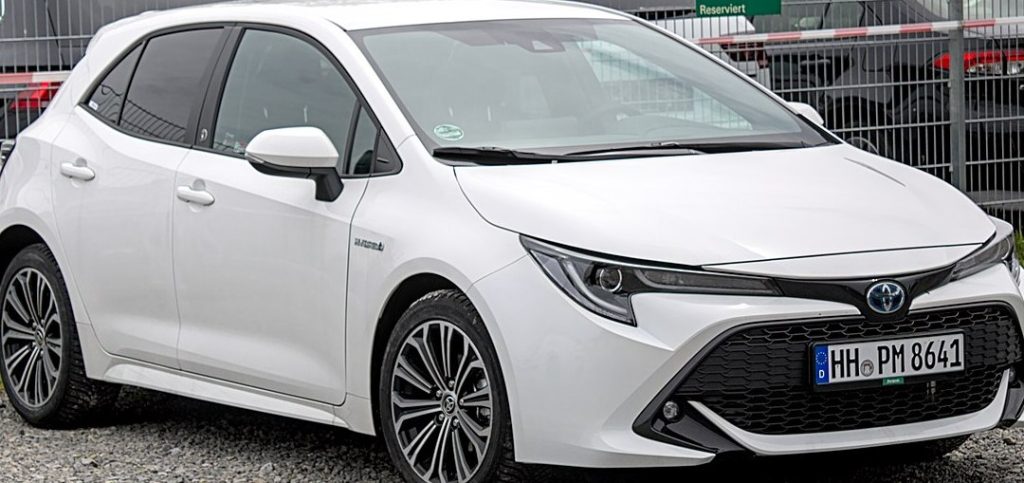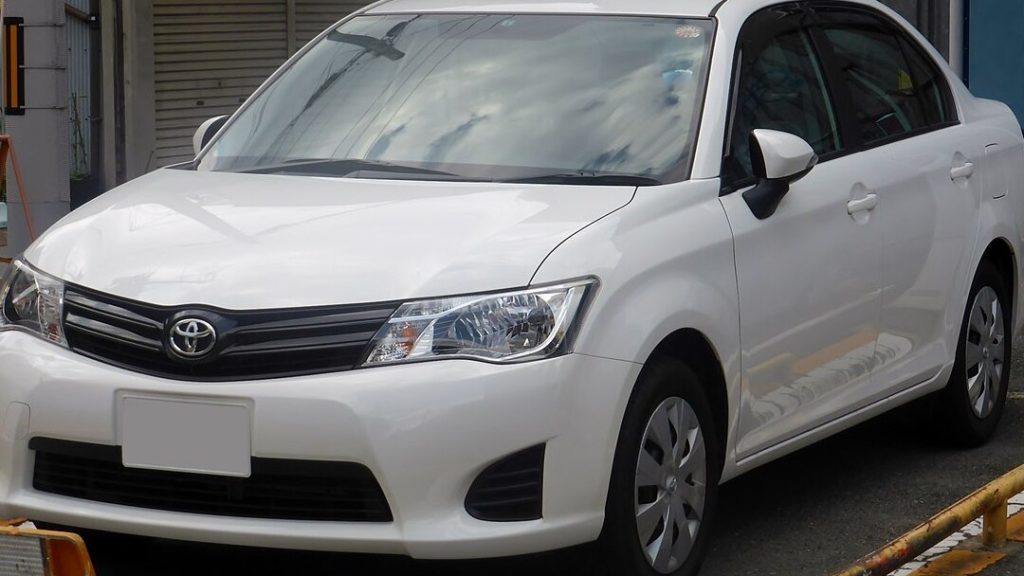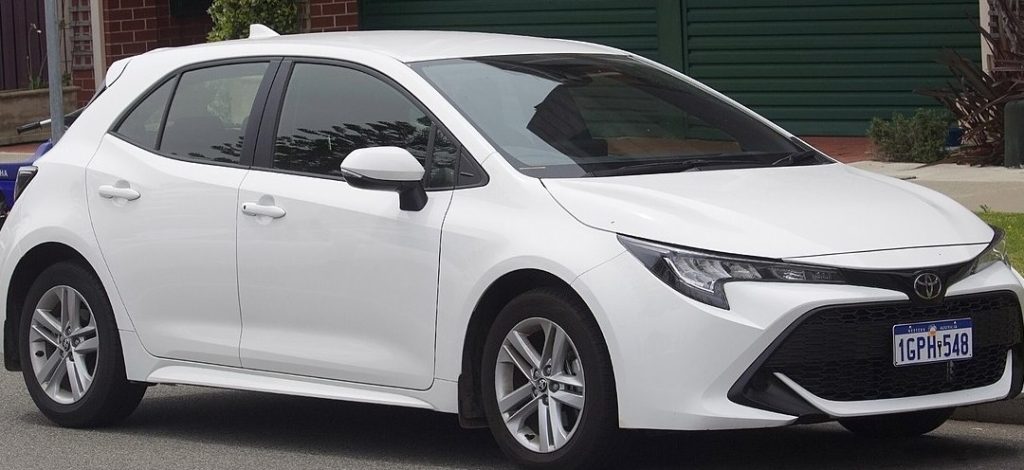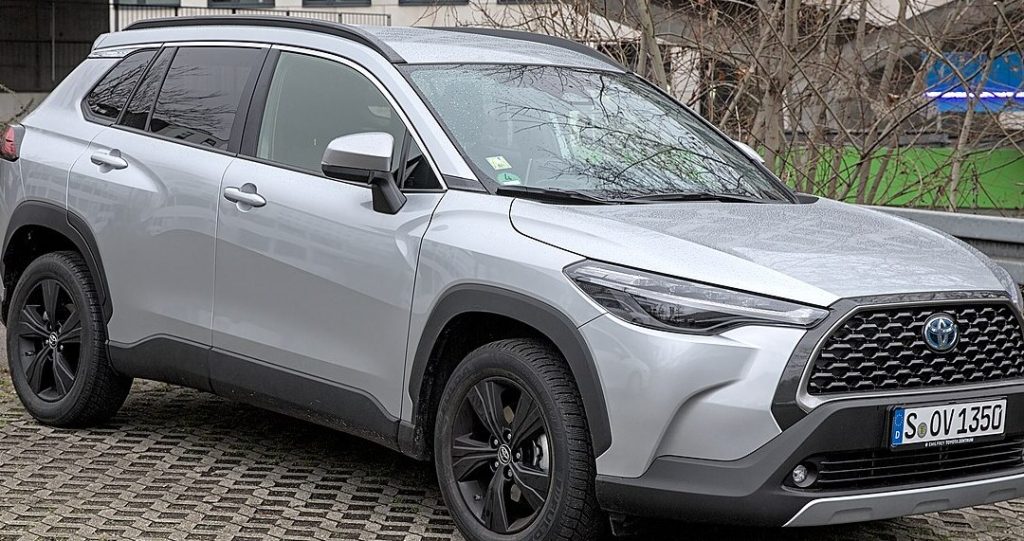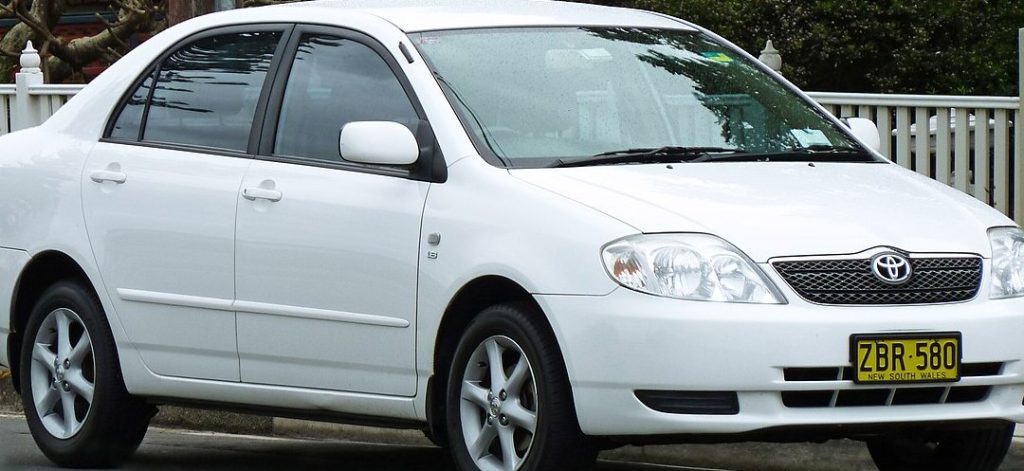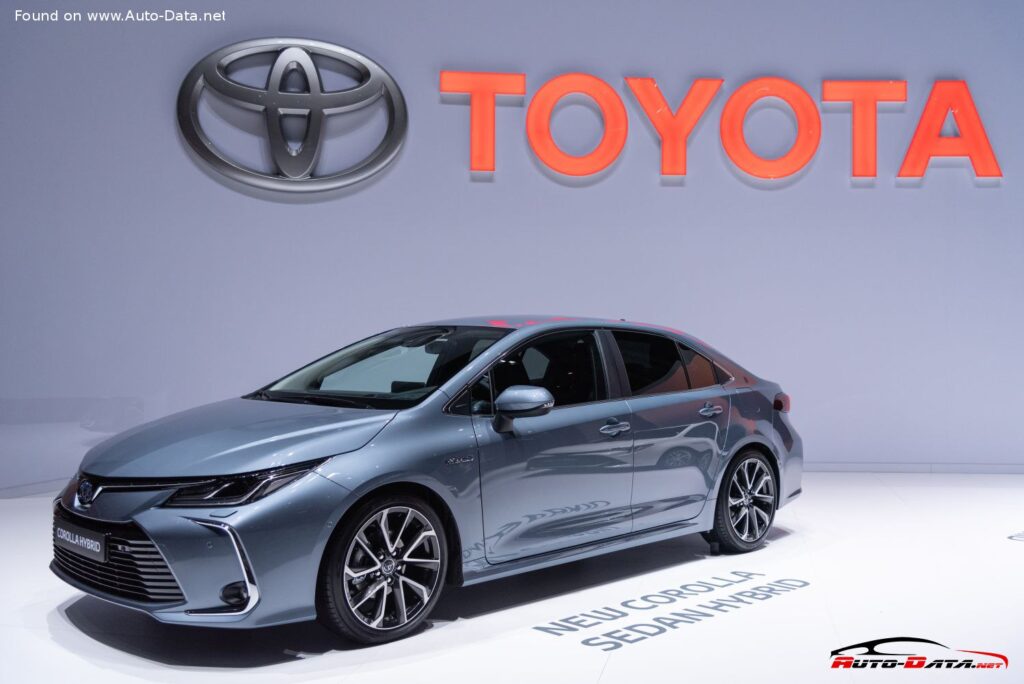
The Toyota Corolla XII (E210) 1.6i (132 Hp) CVT represents a significant evolution in one of the automotive world’s most iconic and best-selling nameplates. Introduced in 2019 and produced until 2022, this iteration of the Corolla sedan, part of the twelfth generation (E210), aimed to blend the model’s legendary reliability and practicality with a more engaging driving experience and modern styling. While the Corolla is a global vehicle, this specific powertrain configuration, featuring a 1.6-liter naturally aspirated engine paired with a Continuously Variable Transmission (CVT), was particularly popular in European and Asian markets, where it served as a highly efficient and well-equipped compact family sedan. It built upon decades of heritage, offering a compelling package for buyers prioritizing fuel economy, low emissions, and Toyota’s renowned build quality in a competitive segment.
Powertrain & Engine Architecture
At the core of this particular Toyota Corolla XII (E210) variant is Toyota’s 1ZR-FAE engine, a 1.6-liter (1598 cm³ or 97.52 cu. in.) naturally aspirated inline-four gasoline unit. This powerplant is engineered for efficiency and smooth operation, delivering a respectable 132 horsepower at 6400 rpm. Torque output stands at 159 Nm (117.27 lb.-ft.) peaking at 4200 rpm, providing adequate pulling power for daily driving and highway cruising. The engine features Toyota’s Valvematic valvetrain technology, which offers continuous variable valve lift and timing, optimizing both power delivery and fuel efficiency across the rev range. With a compression ratio of 10.7:1 and four valves per cylinder, the engine is designed for clean combustion, meeting Euro 6 AG emission standards.
Power is delivered to the front wheels via a Continuously Variable Transmission (CVT). This automatic transmission is key to the vehicle’s smooth acceleration and impressive fuel economy. Unlike traditional geared automatics, the CVT allows the engine to operate at its most efficient RPM for any given speed, resulting in seamless power delivery without noticeable shift points. The CVT used in the E210 Corolla is a typical belt-driven unit, known for its reliability and smooth operation. It simulates gear changes through varying pulley ratios, providing a familiar driving experience while maximizing efficiency. The transmission is electronically controlled, adapting to driving conditions and driver input for optimal performance.
Driving Characteristics
The 1.8L 90 hp Automatic setup in the Corolla XII (E210) was positioned as the entry-level offering in many markets. It prioritized fuel efficiency and affordability over outright performance. In real-world conditions, the 132 hp and 117 lb-ft of torque provided adequate, but not exhilarating, acceleration. The CVT, while smooth, could sometimes feel slightly disconnected, with the engine holding at a constant RPM during acceleration. Compared to higher-output versions of the E210 Corolla, such as those equipped with the 2.0-liter engine, the 1.6i CVT felt noticeably less responsive. However, it excelled in city driving and highway cruising, where its smooth power delivery and excellent fuel economy were highly appreciated.
The CVT’s gear ratios were optimized for efficiency, prioritizing lower engine speeds at cruising speeds. This resulted in a quiet and comfortable ride, but also meant that the engine could sometimes feel strained when climbing hills or accelerating quickly. The overall driving experience was geared towards comfort and ease of use, making it an ideal choice for commuters and drivers who prioritize practicality over sporty handling.
Equipment & Trim Levels
The 1.6i CVT variant of the Corolla XII (E210) typically came standard with a respectable array of features. These generally included air conditioning, power windows and locks, a basic audio system with Bluetooth connectivity, and a suite of safety features such as ABS, Vehicle Stability Control (VSC), and multiple airbags. Interior upholstery was typically cloth, with a straightforward and functional dashboard layout. Higher trim levels, often denoted by names like “LE” or “SE” depending on the market, added features such as alloy wheels, a more advanced infotainment system with a touchscreen display, automatic climate control, and keyless entry. Optional extras could include a sunroof, navigation system, and upgraded audio systems.
The specific trim levels and available options varied significantly depending on the region. In some markets, the 1.6i CVT served as the base model, while in others, it was offered as a mid-range option with a more comprehensive set of standard features. The interior design was generally focused on practicality and durability, with hard-wearing materials and a user-friendly layout.
Chassis & Braking
The Corolla 1.6i CVT benefited from a sophisticated suspension setup designed to balance comfort and handling. It employed an independent McPherson strut system with coil springs and an anti-roll bar at the front, paired with a more advanced double wishbone rear suspension. This combination provided a compliant ride while maintaining composure through turns. The steering system was an electric power-assisted rack and pinion unit, offering light effort at low speeds for easy maneuvering and more feel at higher speeds. Braking was handled by ventilated discs at the front and solid discs at the rear, augmented by an Anti-lock Braking System (ABS) for enhanced safety. The vehicle typically came equipped with 17-inch or 18-inch wheel rims, further contributing to its contemporary stance.
The suspension tuning was geared towards providing a comfortable ride, prioritizing absorbing bumps and minimizing body roll. The rear double wishbone suspension was a significant upgrade over previous Corolla generations, offering improved stability and handling characteristics. The braking system was adequate for the vehicle’s weight and performance, providing reliable stopping power in both normal and emergency situations.
Market Reception & Comparison
Critics generally viewed the 1.6i CVT combination as a sensible and practical choice for buyers prioritizing fuel economy and affordability. While it wasn’t the most exciting powertrain option, it delivered a smooth and comfortable driving experience, coupled with Toyota’s renowned reliability. Fuel economy was consistently praised, with the Corolla 1.6i CVT achieving impressive MPG figures in real-world testing. Compared to other trims in the same lineup, such as the 2.0-liter variants, the 1.6i CVT offered lower running costs but sacrificed some performance.
Compared to competitors like the Honda Civic and Hyundai Elantra, the Corolla 1.6i CVT held its own in terms of fuel efficiency and reliability. However, some competitors offered more engaging driving dynamics or more luxurious interiors. The Corolla’s strength lay in its overall balance of qualities, making it a well-rounded and dependable choice for a wide range of buyers. The resale value of the Corolla 1.6i CVT was also consistently strong, reflecting its reputation for durability and longevity.
Technical Specifications
| Category | Specification |
| General Information | |
| Brand | Toyota |
| Model | Corolla |
| Generation | Corolla XII (E210) |
| Type (Engine) | 1.6i (132 Hp) CVT |
| Start of Production | 2019 year |
| End of Production | 2022 year |
| Powertrain Architecture | Internal Combustion engine |
| Body Type | Sedan |
| Seats | 5 |
| Doors | 4 |
| Performance Specs | |
| Fuel Consumption (Urban) | 7.6 l/100 km |
| Fuel Consumption (Extra Urban) | 4.8 l/100 km |
| Fuel Consumption (Combined) | 5.8 l/100 km |
| CO2 Emissions | 133 g/km |
| Fuel Type | Petrol (Gasoline) |
| Acceleration 0 – 60 mph | 9.7 sec |
| Acceleration 0 – 100 km/h | 10.2 sec |
| Maximum Speed | 190 km/h |
| Emission Standard | Euro 6 AG |
| Engine Specs | |
| Power | 132 Hp @ 6400 rpm |
| Torque | 159 Nm @ 4200 rpm |
| Engine Layout | Front, Transverse |
| Engine Model/Code | 1ZR-FAE |
| Engine Displacement | 1598 cm³ |
| Number of Cylinders | 4 |
| Engine Configuration | Inline |
| Compression Ratio | 10.7:1 |
| Number of Valves per Cylinder | 4 |
| Engine Aspiration | Naturally aspirated engine |
| Valvetrain | Valvematic |
| Space, Volume and Weights | |
| Kerb Weight | 1340-1385 kg |
| Trunk (Boot) Space – Minimum | 471 l |
| Fuel Tank Capacity | 50 l |
| Dimensions | |
| Length | 4630 mm |
| Width | 1780 mm |
| Height | 1435 mm |
| Wheelbase | 2700 mm |
| Drivetrain, Brakes and Suspension Specs | |
| Drivetrain Architecture | Internal combustion engine (ICE) drives the front wheels. |
| Drive Wheel | Front wheel drive |
| Number of Gears and Type of Gearbox | 1 gear, automatic transmission CVT |
Legacy
The Toyota Corolla XII (E210) 1.6i (132 Hp) CVT powertrain has proven to be a reliable and durable combination. The 1ZR-FAE engine is known for its longevity and relatively low maintenance costs. The CVT, while not as robust as a traditional automatic transmission, has also demonstrated good reliability in real-world use. In the used car market today, these Corollas are generally well-regarded for their dependability and fuel efficiency. They represent a sensible and affordable option for buyers seeking a practical and trustworthy compact sedan. While not a performance standout, the 1.6i CVT variant continues to offer a compelling value proposition, particularly for those prioritizing low running costs and Toyota’s legendary reputation for quality.