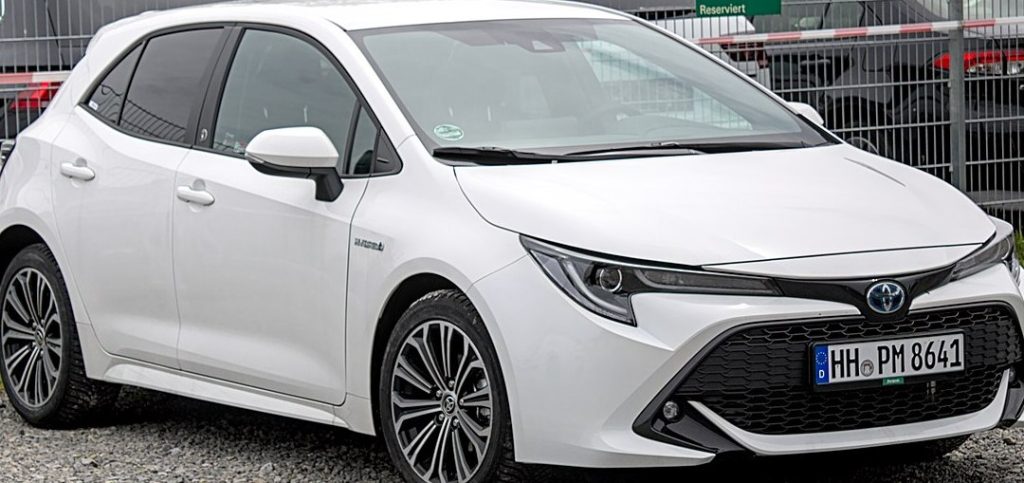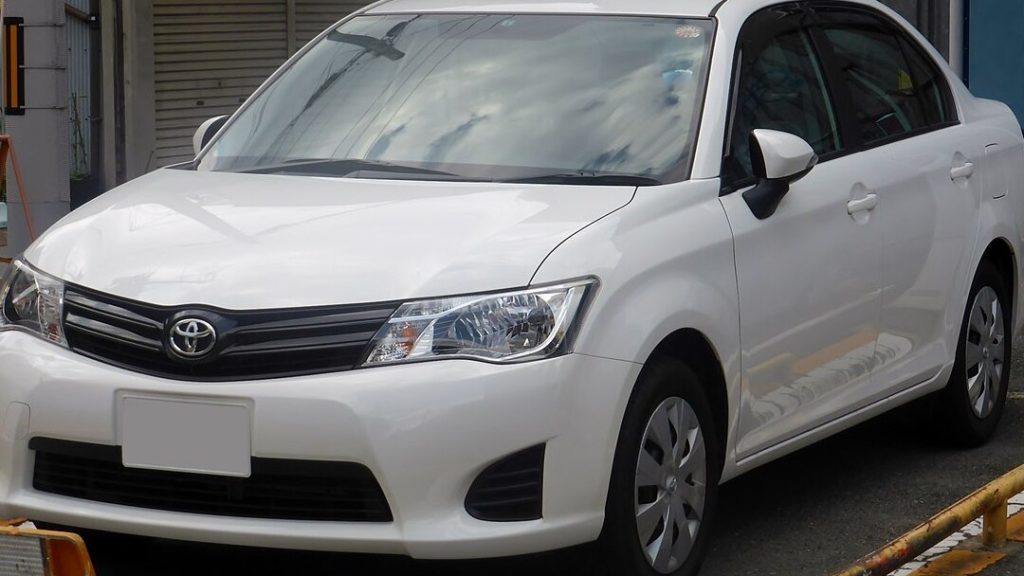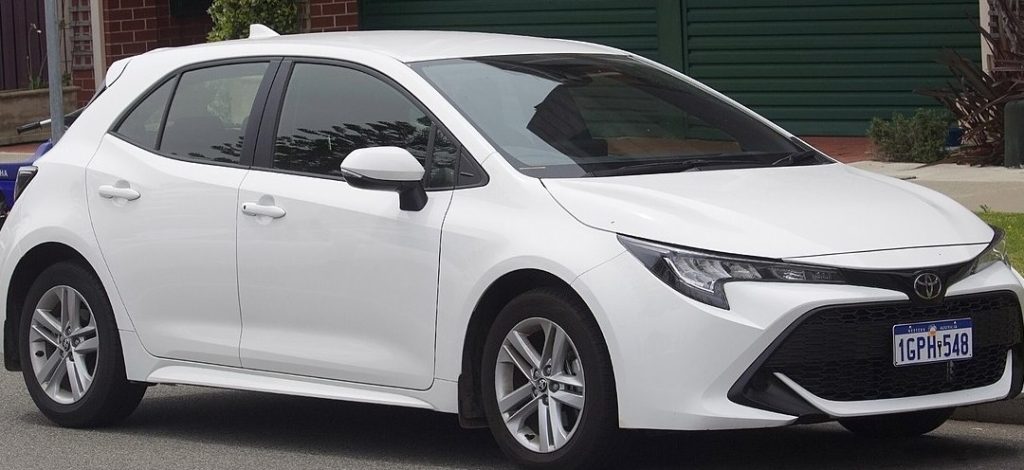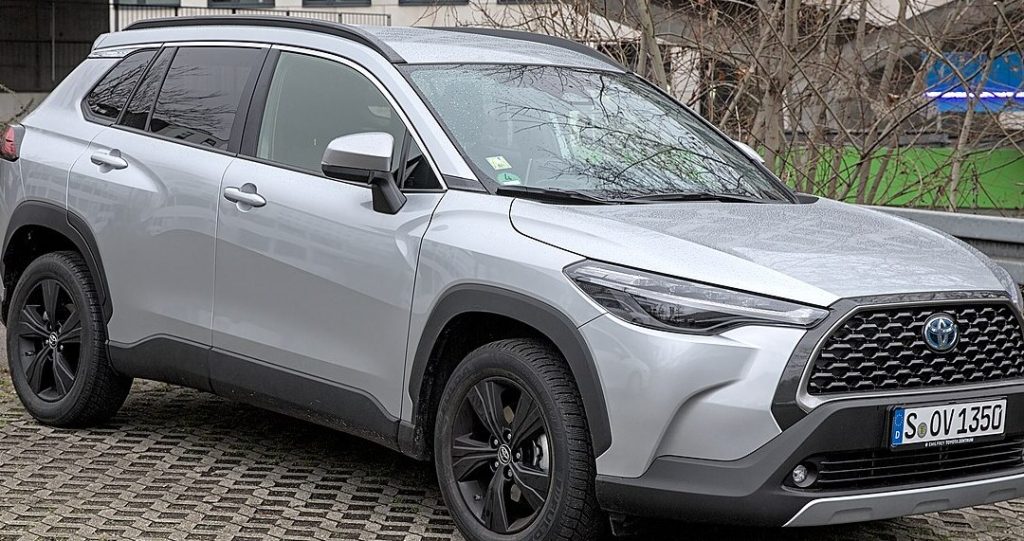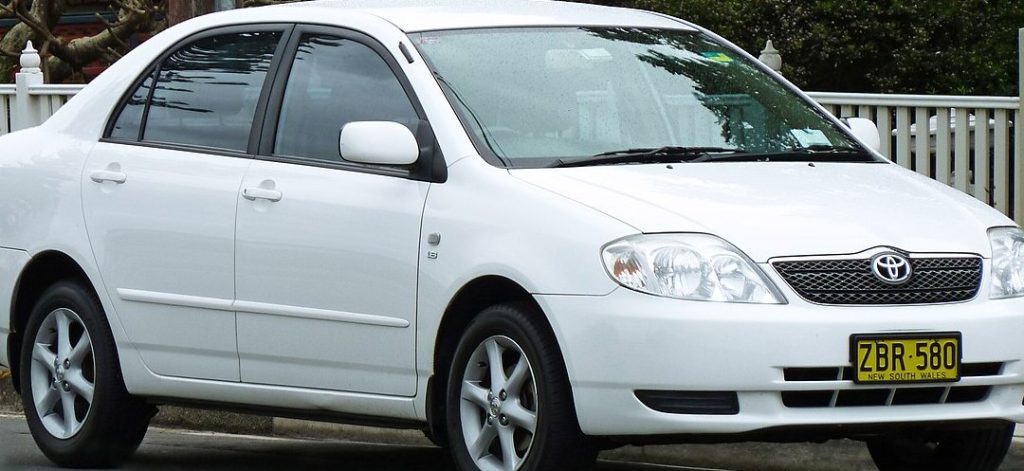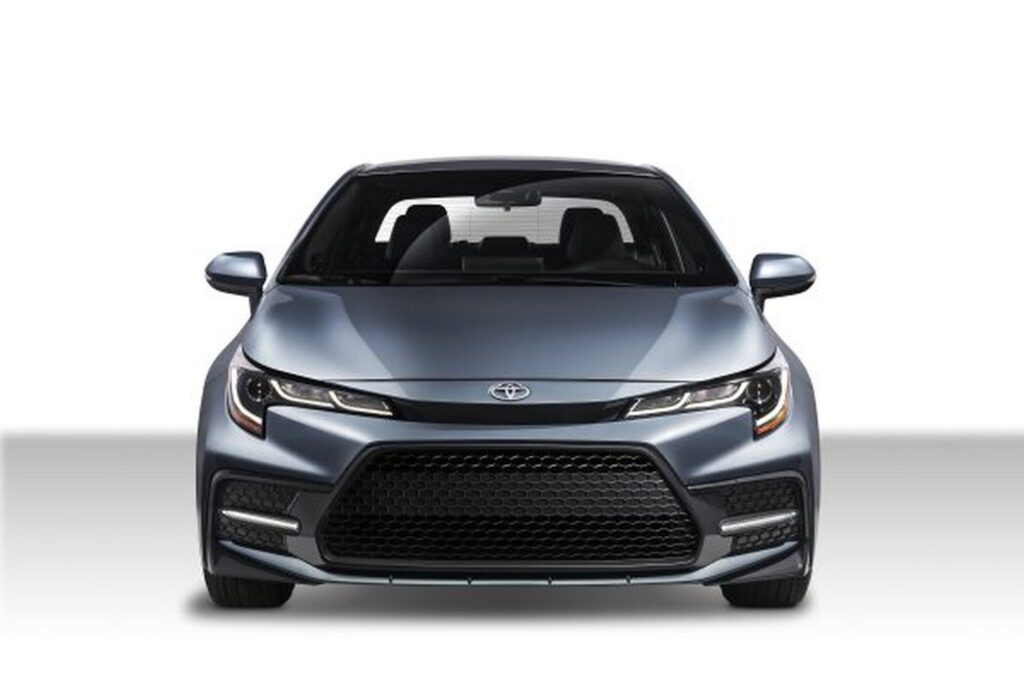
The Toyota Corolla, a nameplate synonymous with reliability and value for decades, entered its twelfth generation (E210) in the United States market with a significant focus on modern technology, efficiency, and an enhanced driving experience. Among its most compelling offerings was the Toyota Corolla XII (E210) (USA) 1.8 (121 Hp) Hybrid CVTi sedan, produced from February 2019 to 2022. This variant marked a pivotal moment for the Corolla, bringing Toyota’s renowned full hybrid electric vehicle (FHEV) technology to its mainstream compact sedan, making advanced fuel economy and reduced emissions accessible to a broader audience. Positioned squarely in the competitive compact car segment, the Corolla Hybrid aimed to deliver an optimal blend of practicality, comfort, and environmental consciousness, solidifying its place as a smart choice for American consumers seeking an economical daily driver.
Powertrain & Engine Architecture
At the core of the Toyota Corolla XII (E210) (USA) 1.8 (121 Hp) Hybrid CVTi’s appeal is its sophisticated FHEV powertrain. This system seamlessly integrates a highly efficient 1.8-liter (1798 cm³ or 109.72 cu. in.) 2ZR-FXE inline four-cylinder gasoline engine with an electric motor. The internal combustion engine, employing a naturally aspirated design with DOHC-VVT-i valvetrain and multi-port manifold injection, is engineered for optimal thermal efficiency, particularly through its Atkinson cycle operation. It generates a respectable 98 horsepower (Hp) and 105 lb.-ft. (142 Nm) of torque at 3600 rpm, which are figures for the gasoline engine component of the hybrid system.
Complementing the gasoline engine is a potent electric motor, delivering 72 Hp and a robust 120.22 lb.-ft. (163 Nm) of torque. This synchronous electric motor is cleverly integrated directly into the transmission, a continuously variable transmission (CVTi), which is a signature element of Toyota’s hybrid synergy drive system. The entire hybrid system, combining the power outputs of both the gasoline engine and the electric motor, achieves an impressive net system power of 121 Hp. This setup provides smooth, responsive acceleration and exceptional fuel efficiency.
The FHEV architecture allows the Corolla Hybrid to operate in various modes: pure electric (EV) mode at lower speeds, gasoline-only mode, or a combination of both for maximum power and efficiency. Power is exclusively sent to the front wheels, ensuring predictable handling. Fuel economy is a major highlight, with official EPA estimates reaching an outstanding 53.5 US mpg in urban driving and 52.3 US mpg on the highway, resulting in a combined rating of 52.3 US mpg (4.5 l/100 km). These figures were class-leading for a non-plug-in compact sedan, making the Corolla Hybrid one of the most economical vehicles on the market. Furthermore, its compliance with California LEV III emission standards underscores Toyota’s commitment to environmental responsibility. The hybrid system is powered by a durable 201.6V Nickel-metal hydride (NiMH) battery pack, strategically located under the rear seats to preserve trunk space and optimize weight distribution.
Driving Characteristics
The 1.8L Hybrid CVTi powertrain in the Corolla XII delivers a driving experience focused on efficiency and smoothness rather than outright performance. Acceleration is adequate for daily commuting and merging onto highways, but it won’t provide the spirited response of higher-horsepower Corolla trims like those equipped with the 2.0L engine. The CVTi transmission is designed to keep the engine operating in its most efficient range, resulting in a seamless and sometimes less-intuitive driving feel compared to a traditional automatic. The electric motor provides instant torque at low speeds, contributing to brisk initial acceleration. Compared to a manual transmission Corolla, the CVTi prioritizes fuel economy over driver engagement. The gear ratios are continuously adjusted to optimize efficiency, and the lack of fixed gears can feel somewhat disconnected to drivers accustomed to traditional transmissions. The overall experience is refined and comfortable, prioritizing a quiet and relaxed ride.
Equipment & Trim Levels
The Corolla Hybrid was generally well-equipped, even in its base trim levels. Standard features typically included Toyota Safety Sense 3.0, which encompasses a suite of advanced driver-assistance systems such as pre-collision system with pedestrian detection, lane departure alert with steering assist, automatic high beams, and dynamic radar cruise control. Interior features commonly included a touchscreen infotainment system (typically 7 or 8 inches), Apple CarPlay and Android Auto compatibility, Bluetooth connectivity, and a rearview camera. Upholstery was typically cloth, with options for SofTex trim on higher trims. Available optional extras included blind spot monitoring with rear cross-traffic alert, premium audio systems, and heated front seats. The Corolla Hybrid LE was the entry-level trim, offering a solid set of standard features. The SE trim added sporty styling cues and upgraded interior materials, while the XLE trim provided a more luxurious experience with features like SofTex upholstery and premium audio.
Chassis & Braking
The Corolla Hybrid utilizes a well-engineered chassis designed to balance ride comfort and handling. It featured an independent McPherson strut setup with coil springs and an anti-roll bar at the front, providing a comfortable yet responsive feel. The rear utilized a sophisticated double wishbone suspension, a significant upgrade that improved both ride comfort and dynamic stability, setting it apart from some competitors. Braking was handled by ventilated discs at the front (274 mm) and solid discs at the rear (259 mm), complemented by an Anti-lock Braking System (ABS) for enhanced safety. Electric power steering, a rack and pinion system, offered light and precise control, making urban maneuvers effortless. The vehicle rode on 195/65 R15 tires mounted on 6.5J x 15-inch wheel rims. The suspension tuning was generally softer than that of the sportier Corolla trims, prioritizing ride comfort over aggressive handling. The brake system was also integrated with the hybrid system, utilizing regenerative braking to recapture energy and improve fuel efficiency.
Market Reception & Comparison
Critics generally praised the Toyota Corolla XII (E210) (USA) 1.8 (121 Hp) Hybrid CVTi for its exceptional fuel economy, comfortable ride, and standard safety features. While some reviewers noted the lack of sporty driving dynamics, the Corolla Hybrid was widely regarded as a practical and efficient choice for everyday commuting. Compared to the non-hybrid Corolla trims, the Hybrid offered significantly better fuel economy, albeit at a slightly higher price point. The 1.8L Hybrid powertrain was also considered more refined and quieter than the base 1.8L gasoline engine. In terms of reliability, the Corolla Hybrid benefited from Toyota’s reputation for building durable and dependable vehicles. The hybrid system itself was generally considered reliable, with many owners reporting trouble-free operation for extended periods. Compared to competitors like the Honda Insight and Hyundai Ioniq, the Corolla Hybrid offered a compelling combination of fuel efficiency, practicality, and value.
Technical Specifications
| Category | Specification |
| General Information | |
| Brand | Toyota |
| Model | Corolla |
| Generation | Corolla XII (E210) (USA) |
| Type (Engine) | 1.8 (121 Hp) Hybrid CVTi |
| Start of production | February, 2019 |
| End of production | 2022 |
| Powertrain Architecture | FHEV (Full Hybrid Electric Vehicle) |
| Body type | Sedan |
| Seats | 5 |
| Doors | 4 |
| Performance Specs | |
| Fuel consumption (urban) | 4.4 l/100 km (53.5 US mpg) |
| Fuel consumption (extra urban) | 4.5 l/100 km (52.3 US mpg) |
| Fuel consumption (combined) | 4.5 l/100 km (52.3 US mpg) |
| Fuel Type | Petrol (Gasoline) |
| Emission standard | California LEV III |
| Weight-to-power ratio | 11.4 kg/Hp (87.5 Hp/tonne) |
| Weight-to-torque ratio | 9.7 kg/Nm (102.7 Nm/tonne) |
| Electric Cars and Hybrids Specs | |
| Battery voltage | 201.6 V |
| Battery technology | Nickel-metal hydride (NiMH) |
| Battery location | Under the rear seats |
| Electric motor 1 power | 72 Hp |
| Electric motor 1 torque | 163 Nm (120.22 lb.-ft.) |
| Electric motor location | Integrated into the transmission |
| Electric motor type | Synchronous |
| System power | 121 Hp |
| Internal Combustion Engine Specs | |
| Power | 121 Hp @ 5200 rpm (system power) |
| Torque | 142 Nm (104.73 lb.-ft.) @ 3600 rpm (gasoline engine) |
| Engine layout | Front, Transverse |
| Engine Model/Code | 2ZR-FXE |
| Engine displacement | 1798 cm³ (109.72 cu. in.) |
| Number of cylinders | 4 |
| Engine configuration | Inline |
| Cylinder Bore | 80.5 mm (3.17 in.) |
| Piston Stroke | 88.3 mm (3.48 in.) |
| Compression ratio | 13:1 |
| Number of valves per cylinder | 4 |
| Fuel injection system | Multi-port manifold injection |
| Engine aspiration | Naturally aspirated engine |
| Valvetrain | DOHC-VVT-i |
| Engine oil capacity | 4.2 l (4.44 US qt) |
| Coolant | 5.6 l (5.92 US qt) |
| Engine systems | Particulate filter |
| Space, Volume and Weights | |
| Kerb Weight | 1383 kg (3048.99 lbs.) |
| Trunk (boot) space – minimum | 371 l (13.1 cu. ft.) |
| Fuel tank capacity | 43 l (11.36 US gal) |
| Dimensions | |
| Length | 4630 mm (182.28 in.) |
| Width | 1781 mm (70.12 in.) |
| Height | 1435 mm (56.5 in.) |
| Wheelbase | 2700 mm (106.3 in.) |
| Front track | 1532 mm (60.31 in.) |
| Rear (Back) track | 1534 mm (60.39 in.) |
| Ride height (ground clearance) | 130 mm (5.12 in.) |
| Minimum turning circle (turning diameter) | 10.4 m (34.12 ft.) |
| Drivetrain, Brakes and Suspension Specs | |
| Drivetrain Architecture | FHEV (Full Hybrid Electric Vehicle) – ICE and electric motor drive front wheels (full electric or mixed mode) |
| Drive wheel | Front wheel drive |
| Number of gears and type of gearbox | Automatic transmission CVTi |
| Front suspension | Independent, type McPherson with coil spring and anti-roll bar |
| Rear suspension | Double wishbone |
| Front brakes | Ventilated discs, 274 mm |
| Rear brakes | Disc, 259 mm |
| Assisting systems | ABS (Anti-lock braking system) |
| Steering type | Steering rack and pinion |
| Power steering | Electric Steering |
| Tires size | 195/65 R15 |
| Wheel rims size | 6.5J x 15 |
Legacy
The Toyota Corolla XII (E210) (USA) 1.8 (121 Hp) Hybrid CVTi played a significant role in accelerating the adoption of hybrid technology in the mainstream automotive market. Its combination of fuel efficiency, reliability, and affordability made it an attractive option for a wide range of buyers. The powertrain itself has proven to be durable, with many examples still on the road today with minimal issues. In the used car market, these Corollas are highly sought after for their fuel economy and reputation for dependability. While battery life is a concern with any hybrid vehicle, the NiMH battery pack used in the Corolla Hybrid has generally proven to be long-lasting. The Corolla Hybrid’s success paved the way for Toyota to expand its hybrid offerings across its entire model lineup, solidifying its position as a leader in hybrid vehicle technology. It remains a popular choice for budget-conscious buyers seeking a reliable and fuel-efficient compact sedan.