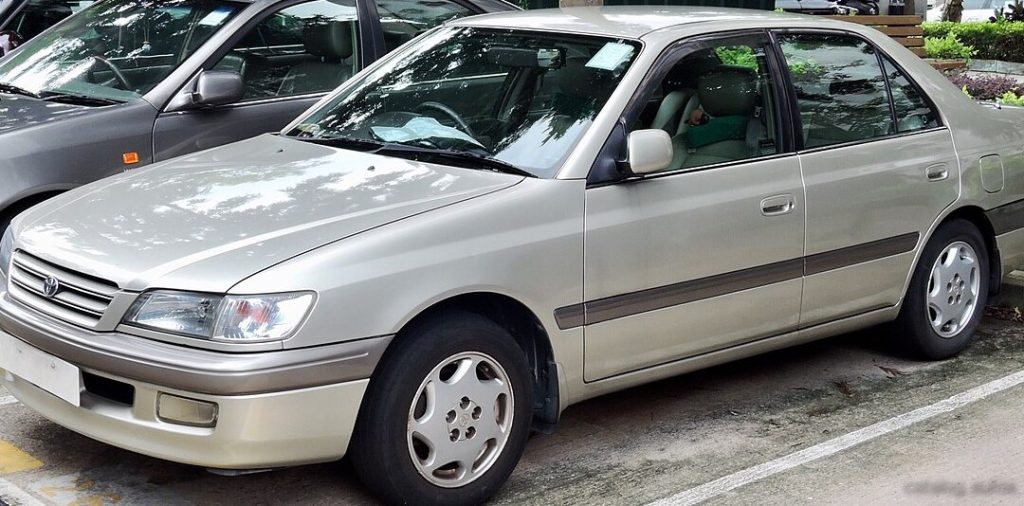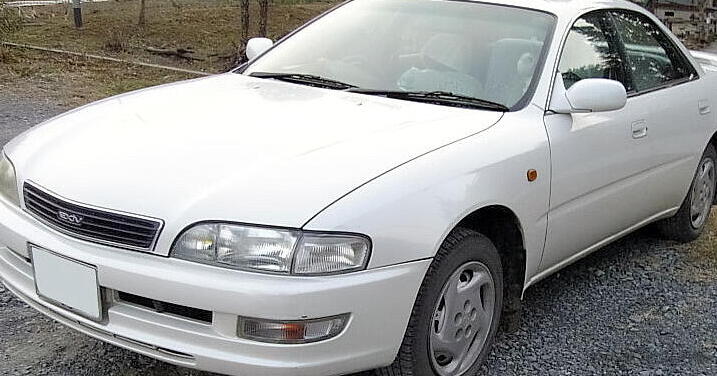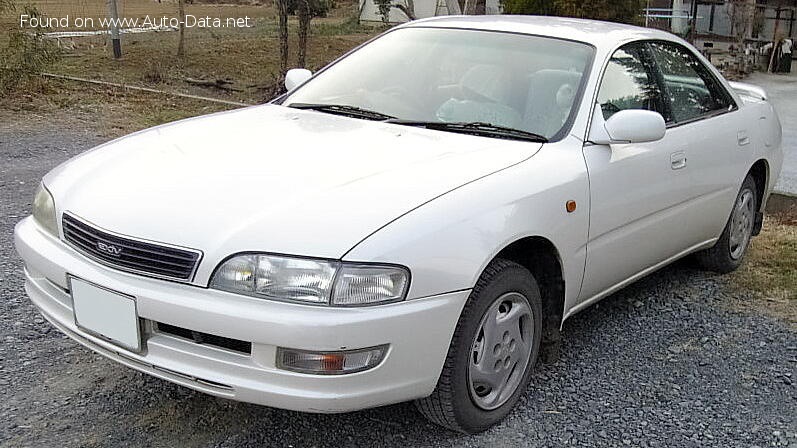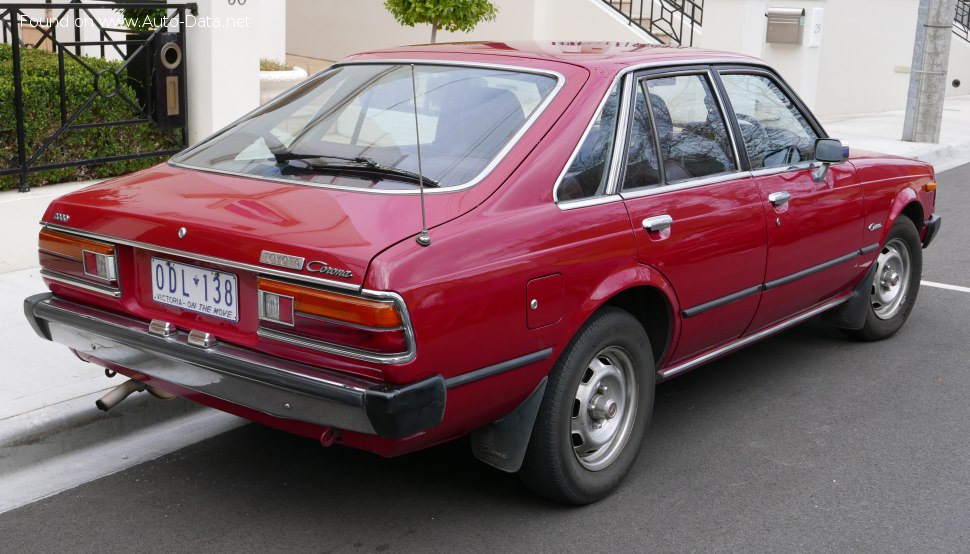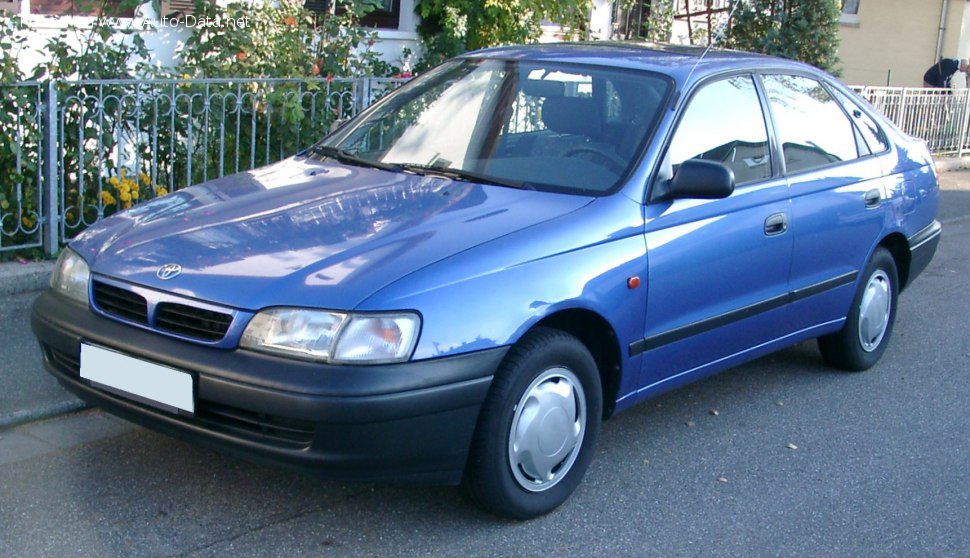
The Toyota Corona Hatch (T19) 1.8 i 16V (125 Hp) represents a significant chapter in Toyota’s history of producing reliable and practical automobiles for global markets. Introduced in 1992 as part of the T190-series Corona generation, this particular variant, the five-door hatchback, was primarily aimed at consumers in Europe, Asia, and other international regions where its blend of versatility, fuel efficiency, and Toyota’s renowned durability proved highly competitive. While the Corona nameplate had a presence in North America through models like the Toyota Carina and later the Camry, the T19 hatchback was not officially sold in the United States, carving its niche as a dependable family car in its primary markets.
Positioned as a compact to mid-size family vehicle, the Corona Hatch (T19) offered a practical alternative to traditional sedans, providing enhanced cargo flexibility without sacrificing passenger comfort. Its design ethos was centered on functionality and understated elegance, reflecting the prevailing automotive trends of the early 1990s. This article delves into the technical specifications, design philosophy, performance characteristics, and overall market impact of this often-overlooked yet globally significant Toyota model.
Powertrain & Engine Architecture
At the heart of the Toyota Corona Hatch (T19) 1.8 i 16V (125 Hp) was the robust 4S-FE engine, a 1.8-liter (1839 cm³, or 112.22 cu. in.) inline-four gasoline unit. This naturally aspirated powerplant was engineered for a balance of smooth operation, respectable power output, and commendable fuel efficiency, making it an ideal choice for daily driving and longer journeys alike. Featuring a Double Overhead Camshaft (DOHC) valvetrain with 16 valves (four per cylinder), the engine benefited from advanced breathing capabilities for its time, contributing to its responsive character.
The 4S-FE delivered a healthy 125 horsepower at 6000 revolutions per minute (rpm), a notable output for a non-turbocharged 1.8-liter engine in the early 1990s. Torque figures stood at 162 Nm (119.49 lb.-ft.) available at 4600 rpm, providing ample pulling power for urban maneuvering and highway cruising. Power was efficiently transmitted to the front wheels via a 4-speed automatic transmission, emphasizing ease of use and comfort over outright performance. This automatic transmission, commonly found in Toyota vehicles of the era, was known for its smooth shifts and reliability, though it lacked the responsiveness of a manual gearbox.
Fuel economy was a strong suit for the Corona Hatch (T19). The vehicle achieved an impressive 28.7 US mpg in urban driving conditions and an even more remarkable 57.1 US mpg during extra-urban (highway) cycles. These figures underscored Toyota’s commitment to efficiency and low running costs, a key selling point in its target markets. The engine’s multi-port manifold injection system ensured precise fuel delivery, optimizing combustion and minimizing emissions. With a compression ratio of 9.5:1 and a bore of 3.25 inches with a stroke of 3.39 inches, the engine was a testament to Toyota’s meticulous engineering for reliability and longevity.
Driving Characteristics
The 1.8L 4S-FE engine paired with the 4-speed automatic transmission in the Corona Hatch (T19) delivered a driving experience focused on comfort and ease of use. Acceleration was adequate for everyday driving, but it wasn’t particularly sporty. Compared to the manual transmission versions of the Corona, the automatic suffered a slight performance penalty due to the inherent losses in the torque converter and the less aggressive gear ratios. The automatic prioritized smooth transitions between gears, making it ideal for city traffic and long highway journeys. The gear ratios were tuned for fuel efficiency rather than outright acceleration, resulting in a relaxed cruising experience. Compared to higher-output versions of the Corona available in some markets (such as those with larger displacement engines), this 1.8L automatic was positioned as the entry-level or mid-range option, appealing to buyers who prioritized affordability and fuel economy over performance.
Equipment & Trim Levels
The Toyota Corona Hatch (T19) 1.8 i 16V (125 Hp) typically came equipped with a range of features considered standard for a vehicle in its class during the early 1990s. These included power steering, central locking, electric windows, and an AM/FM radio. Interior upholstery was generally cloth, with a focus on durability and practicality. Dashboard configuration was straightforward and functional, prioritizing ease of use. Optional extras available for this trim level often included air conditioning, a sunroof, upgraded audio systems, and alloy wheels. Higher trim levels, if offered in specific markets, might have included features like power mirrors, a more sophisticated audio system, and upgraded interior trim materials. The overall interior design was understated and focused on providing a comfortable and functional space for passengers.
Chassis & Braking
The Corona Hatch (T19) utilized a conventional yet effective chassis and braking system. The front suspension featured a MacPherson strut design, while the rear employed a coil spring arrangement. This setup provided a comfortable ride quality, absorbing road imperfections while maintaining reasonable handling stability. Steering was managed by a hydraulic rack and pinion system, offering direct feedback to the driver. Braking power came from ventilated discs at the front and drum brakes at the rear, a common and cost-effective combination for vehicles in this class. The use of drum brakes on the rear helped to keep production costs down, but offered less stopping power and fade resistance compared to disc brakes. Stabilizer bars were typically included at both the front and rear to reduce body roll during cornering. The standard tire size was 175/70 R14, contributing to both comfort and fuel efficiency.
Market Reception & Comparison
Critics generally viewed the Toyota Corona Hatch (T19) 1.8 i 16V (125 Hp) as a sensible and reliable family car. While it didn’t excel in any particular area, it offered a well-rounded package of practicality, fuel efficiency, and durability. Its fuel economy was consistently praised, particularly the impressive highway figures. Reliability was another key strength, with the 4S-FE engine and the 4-speed automatic transmission proving to be exceptionally durable. Compared to other trims in the Corona lineup, the 1.8L automatic was often seen as the most accessible and affordable option. It offered a good balance of performance and economy, making it a popular choice for buyers who didn’t require the extra power of the larger-engined models. However, some critics noted that the automatic transmission could feel sluggish at times, and the overall driving experience lacked the engagement of some of its rivals.
Technical Specifications
| Category | Specification |
| General Information | |
| Brand | Toyota |
| Model | Corona |
| Generation | Corona Hatch (T19) |
| Engine Type | 1.8 i 16V (125 Hp) |
| Production Start | 1992 |
| Production End | 1997 |
| Powertrain Architecture | Internal Combustion Engine |
| Body Type | Hatchback |
| Seats | 5 |
| Doors | 5 |
| Performance Specs | |
| Fuel Consumption (Urban) | 8.2 l/100 km (28.7 US mpg) |
| Fuel Consumption (Extra Urban) | 4.12 l/100 km (57.1 US mpg) |
| Fuel Type | Petrol (Gasoline) |
| Weight-to-Power Ratio | 9.4 kg/Hp |
| Weight-to-Torque Ratio | 7.3 kg/Nm |
| Engine Specs | |
| Power | 125 Hp @ 6000 rpm |
| Power per Liter | 68 Hp/l |
| Torque | 162 Nm (119.49 lb.-ft.) @ 4600 rpm |
| Engine Layout | Front, Transverse |
| Engine Model/Code | 4S-FE |
| Engine Displacement | 1839 cm³ (1.8 liters / 112.22 cu. in.) |
| Number of Cylinders | 4 |
| Engine Configuration | Inline |
| Cylinder Bore | 82.5 mm (3.25 in.) |
| Piston Stroke | 86 mm (3.39 in.) |
| Compression Ratio | 9.5:1 |
| Valves per Cylinder | 4 |
| Fuel Injection System | Multi-port manifold injection |
| Engine Aspiration | Naturally aspirated |
| Valvetrain | DOHC |
| Engine Oil Capacity | 3.9 l (4.12 US qt) |
| Engine Oil Specification | Information not available |
| Coolant Capacity | 6.6 l (6.97 US qt) |
| Space, Volume, and Weights | |
| Kerb Weight | 1180 kg (2601.45 lbs.) |
| Max. Weight | 1455 kg (3207.73 lbs.) |
| Max Load | 275 kg (606.27 lbs.) |
| Fuel Tank Capacity | 60 l (15.85 US gal) |
| Dimensions | |
| Length | 4520 mm (177.95 in.) |
| Width | 1695 mm (66.73 in.) |
| Height | 1410 mm (55.51 in.) |
| Wheelbase | 2580 mm (101.57 in.) |
| Front Track | 1465 mm (57.68 in.) |
| Rear (Back) Track | 1450 mm (57.09 in.) |
| Drivetrain, Brakes, and Suspension Specs | |
| Drivetrain Architecture | Front-wheel drive, Internal Combustion Engine |
| Drive Wheel | Front wheel drive |
| Gearbox Type | 4-speed automatic transmission |
| Front Suspension | Wishbone |
| Rear Suspension | Coil spring |
| Front Brakes | Ventilated discs |
| Rear Brakes | Drum |
| Assisting Systems | ABS (Anti-lock braking system) |
| Steering Type | Steering rack and pinion |
| Power Steering | Hydraulic Steering |
| Tires Size | 175/70 R14 |
Legacy
The Toyota Corona Hatch (T19) 1.8 i 16V (125 Hp), while not a headline-grabber in the same vein as some of Toyota’s sportier offerings, played a crucial role in solidifying the brand’s reputation for reliability, practicality, and value across numerous international markets. Its primary impact was felt in regions outside of North America, particularly in Europe and Asia, where the demand for efficient, durable, and versatile family vehicles was consistently high. The 4S-FE engine, in particular, is known for its longevity and relatively low maintenance requirements. Even today, well-maintained examples of the Corona Hatch (T19) can be found on the used car market, often prized for their simplicity and dependability. While parts availability may be becoming more challenging, the robust nature of the engine and transmission means that these vehicles can continue to provide reliable transportation for years to come. The Corona Hatch (T19) stands as a testament to an era when automotive design prioritized practicality and long-term ownership value.