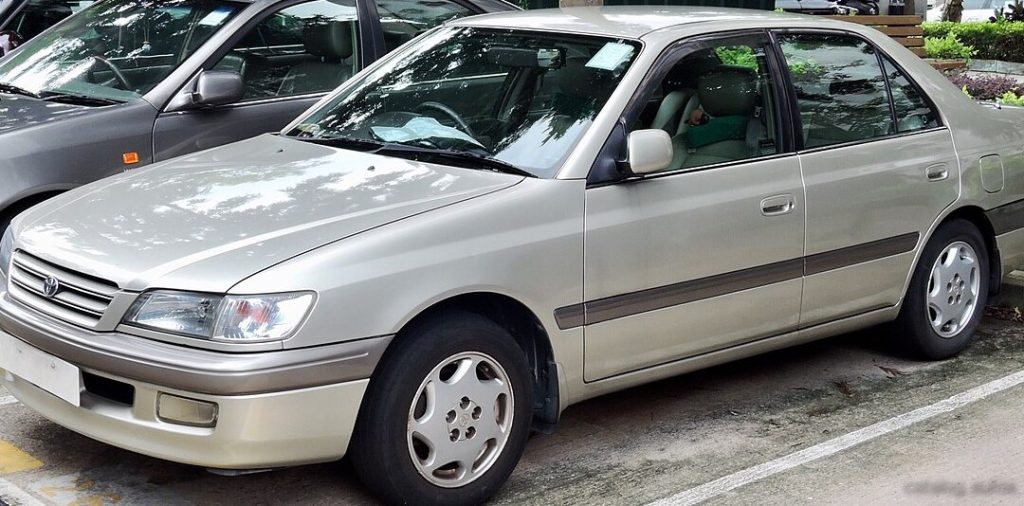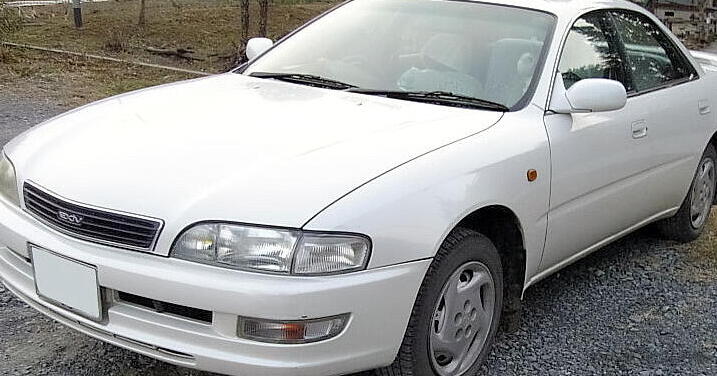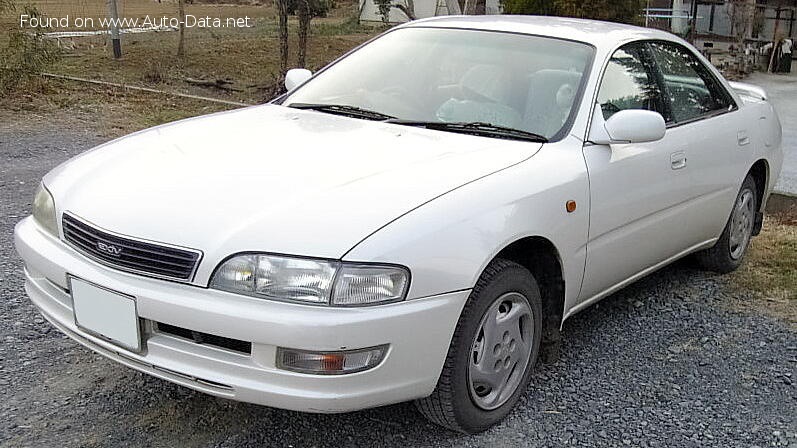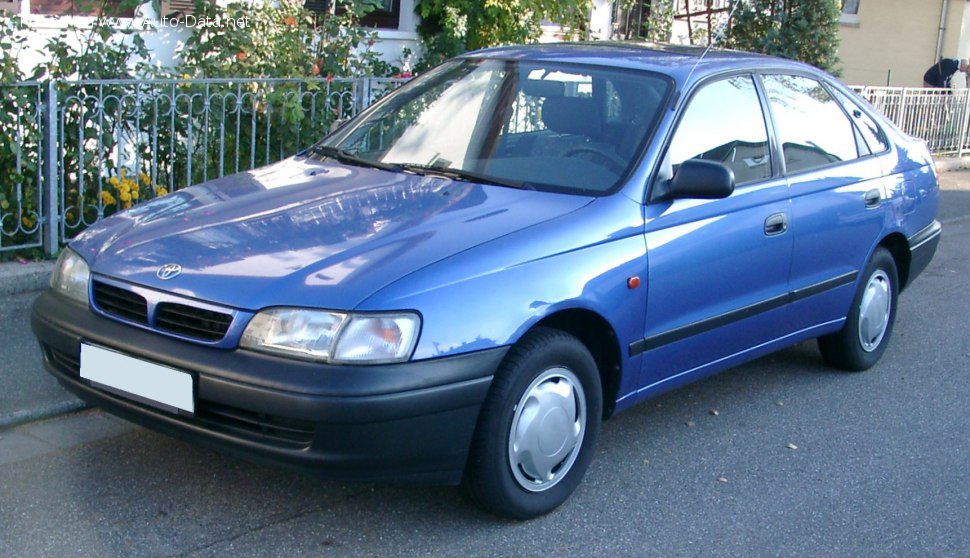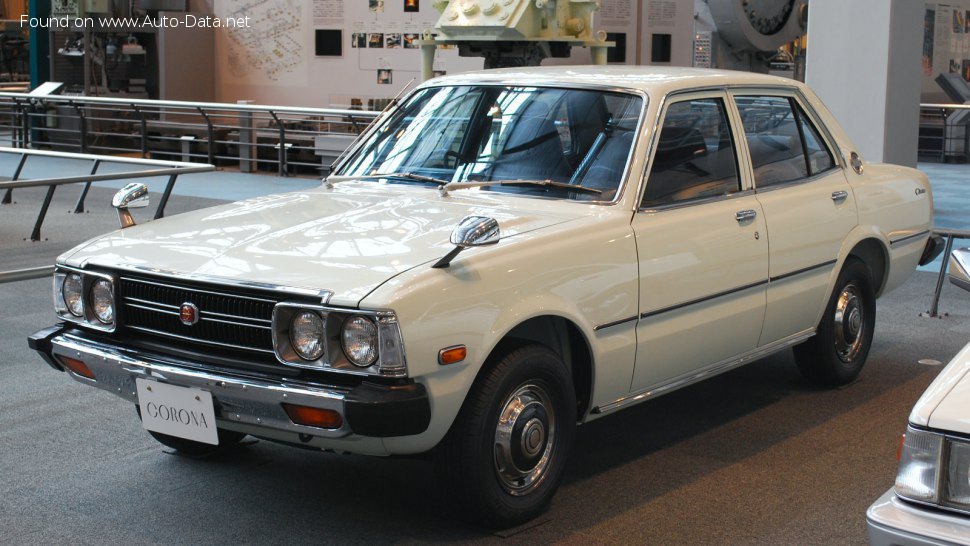
The Toyota Corona (RX,RT) 2.0 Mark II (RX12) represents a pivotal moment in Toyota’s expansion strategy during the early 1970s, establishing a firm foothold in the growing mid-size sedan market, both in Japan and internationally, including the United States. Introduced in 1972 as part of the second generation of the Corona Mark II line, the RX12 chassis code designates this model as a more refined and spacious alternative to the standard Toyota Corona. It aimed to provide enhanced comfort, performance, and overall sophistication, bridging the gap between the compact Corona and the larger Crown. Marketed often simply as the “Mark II” in North America to avoid confusion and highlight its unique identity, the RX12 was produced until 1976 and played a crucial role in cementing Toyota’s reputation for reliable, well-engineered, and value-driven automobiles worldwide.
Engine & Performance of the Toyota Corona Mark II (RX12)
The Toyota Corona (RX,RT) 2.0 Mark II (RX12) was equipped with Toyota’s dependable 18R engine. This 2.0-liter (1968 cc) inline four-cylinder gasoline engine prioritized reliability and smooth operation over outright performance. Producing a peak of 88 horsepower, the 18R provided sufficient power for the Mark II sedan within the context of 1970s driving conditions and consumer expectations. While 88 horsepower may seem modest by contemporary standards, it was competitive for a family sedan of the era, particularly considering its fuel efficiency and minimal maintenance needs.
The 18R engine featured a conventional overhead camshaft design, contributing to its longevity and ease of maintenance. It was designed to operate on standard gasoline and utilized a carburetor-based fuel delivery system, typical for the period. The powertrain configuration was a traditional internal combustion engine setup, common in rear-wheel-drive sedans of the time. This, combined with Toyota’s precise engineering, ensured a durable and dependable driving experience, a characteristic that would become synonymous with the brand. The engine’s moderate output encouraged a relaxed driving style, emphasizing comfort and efficiency, perfectly aligning with the Mark II’s role as a practical and slightly luxurious family vehicle. The cooling system held 8.2 liters (8.66 US quarts) of coolant, and the engine oil capacity was 5 liters (5.28 US quarts), demonstrating a well-engineered and robust thermal management system.
Design & Features
The Toyota Corona (RX,RT) 2.0 Mark II (RX12)’s design embodied the prevailing automotive aesthetics of the early to mid-1970s, characterized by clean lines and a formal, understated appearance. As a four-door sedan, its body style conveyed practicality and family suitability. The RX12 generation adopted a more angular and substantial look compared to its predecessors, featuring a distinctive grille and headlight design that differentiated it from the standard Corona. In the American market, these design elements were often perceived as more “European” or “upscale,” appealing to buyers seeking a more refined alternative to domestic compact cars.
The interior prioritized comfort and functionality. While not overtly luxurious, the cabin offered a well-appointed environment for its price point. Standard features typically included comfortable seating for four or five passengers, a straightforward dashboard layout with clear instrumentation, and durable upholstery materials. For the era, the Mark II offered a respectable level of standard equipment, potentially including an AM radio, heater, and effective ventilation. Safety features, while basic by modern standards, generally included seatbelts for all occupants, energy-absorbing steering columns, and a robust body structure designed to meet the evolving safety regulations of the time. The overall package provided a compelling combination of Japanese reliability with aspirations of greater sophistication, making it an attractive option for consumers seeking a dependable and comfortable daily driver.
Toyota Corona Mark II (RX12) Technical Specifications
The following table details the technical specifications of the Toyota Corona (RX,RT) 2.0 Mark II (RX12) (88 Hp):
| Category | Specification |
| Brand | Toyota |
| Model | Corona |
| Generation | Corona (RX,RT) |
| Type (Engine) | 2.0 Mark II (RX12) (88 Hp) |
| Start of Production | 1972 |
| End of Production | 1976 |
| Powertrain Architecture | Internal Combustion engine |
| Body type | Sedan |
| Doors | 4 |
| Performance Specs | |
| Fuel Type | Petrol (Gasoline) |
| Power | 88 Hp |
| Engine Model/Code | 18R |
| Engine Aspiration | Naturally aspirated engine |
| Engine Oil Capacity | 5 liters (5.28 US quarts) |
| Coolant Capacity | 8.2 liters (8.66 US quarts) |
Legacy and Market Impact
The Toyota Corona (RX,RT) 2.0 Mark II (RX12) significantly contributed to Toyota’s global expansion, particularly in North America. It entered a competitive market segment, facing rivals such as the Datsun 610 (Bluebird), Mazda RX-2/RX-3, and domestic models like the Ford Pinto and Chevrolet Vega. The Mark II distinguished itself through its unwavering reliability, superior build quality, and excellent value. While American and European competitors often struggled with quality control and rust issues in the 1970s, Toyota’s meticulous manufacturing standards ensured the Mark II consistently delivered dependable service, earning a strong reputation among consumers.
Its historical importance lies in its role in changing perceptions of Japanese automobiles. Before models like the Mark II, Japanese cars were often considered small, utilitarian, and basic. The Mark II, with its larger dimensions, more refined styling, and comfortable interior, demonstrated Toyota’s ability to produce vehicles offering more than just economy. It showcased Toyota’s capacity to compete in a more premium segment, paving the way for future successful models and the eventual introduction of luxury brands like Lexus.
The Mark II’s consistent performance and robust engineering fostered strong brand loyalty, convincing many first-time Toyota buyers that Japanese cars were not only economical but also durable and well-engineered investments. This generation helped solidify Toyota’s image as a producer of practical, long-lasting vehicles, a reputation that would benefit the company for decades. While it may not have the iconic status of some sports cars or the volume of entry-level models, the Toyota Corona Mark II (RX12) was a quiet but powerful force in shaping the automotive landscape of the 1970s, establishing a foothold for Toyota in the crucial mid-size sedan category and proving its capabilities against established global competitors.