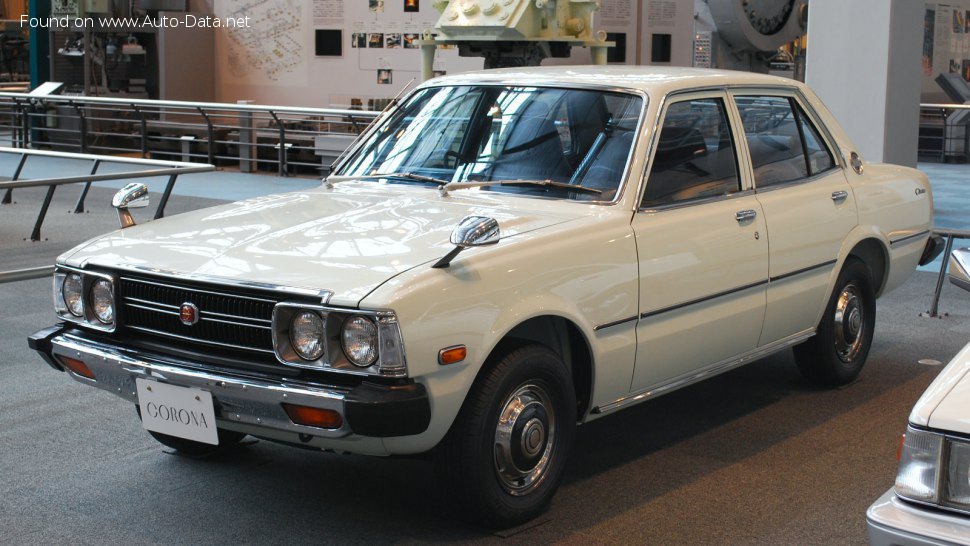
The Toyota Corona (RX,RT), specifically the RT104 variant produced from 1976 to 1979, represents a significant chapter in Toyota’s history as a global automotive powerhouse. As part of the sixth generation of the venerable Corona line, the RT104 model solidified Toyota’s reputation for building reliable, economical, and practical family vehicles. Positioned as a compact to mid-size sedan, the Corona was a cornerstone of Toyota’s lineup, catering to a diverse range of markets from North America to Asia and Europe. This particular generation continued the Corona’s legacy of understated durability, offering a no-nonsense approach to personal transportation that resonated deeply with consumers seeking value and longevity in a rapidly changing automotive landscape.
During the mid-to-late 1970s, the automotive industry was grappling with the aftermath of the 1973 oil crisis, leading to an increased demand for fuel-efficient and dependable cars. The Toyota Corona, with its sensible engineering and robust construction, was perfectly poised to meet these new market demands. The RT104 variant, with its 2.0-liter engine, provided a balance of adequate power for daily driving and reasonable fuel consumption, making it an attractive option for families and individuals alike. While perhaps not a beacon of groundbreaking design or blistering performance, its enduring appeal lay in its unwavering reliability and low cost of ownership, traits that would become synonymous with the Toyota brand for decades to come.
Engine & Performance of the Toyota Corona (RX,RT) 2.0 (RT104)
Under the hood of the Toyota Corona (RX,RT) 2.0 (RT104) lay the dependable 18R engine, a naturally aspirated, four-cylinder gasoline powerplant. This engine delivered a modest but entirely adequate 88 horsepower, a figure that, while not impressive by today’s standards, was competitive within its segment in the late 1970s. The 18R engine was renowned not for its raw power, but for its exceptional durability and straightforward design, which contributed significantly to the Corona’s reputation for reliability. Its naturally aspirated nature meant fewer complex components, leading to easier maintenance and a lower likelihood of mechanical issues, a crucial selling point for budget-conscious consumers.
The 2.0-liter displacement provided a decent amount of torque for its weight, ensuring that the Corona could handle city driving and highway cruising with relative ease. Fueling the engine was standard petrol (gasoline), a common and readily available fuel type globally. The engine’s oil capacity was 3.9 liters (4.12 US quarts), and its coolant system held 8.2 liters (8.66 US quarts), indicating a well-engineered thermal management system for its time. This powertrain architecture, focusing on internal combustion, represented the conventional wisdom of automotive engineering during that era, prioritizing proven technology over experimental advancements. The 88 horsepower output was sufficient for the typical family car usage, offering predictable acceleration and a smooth power delivery that made the Corona a comfortable daily driver.
Design & Features of the Toyota Corona (RX,RT)
Body Type and Aesthetics
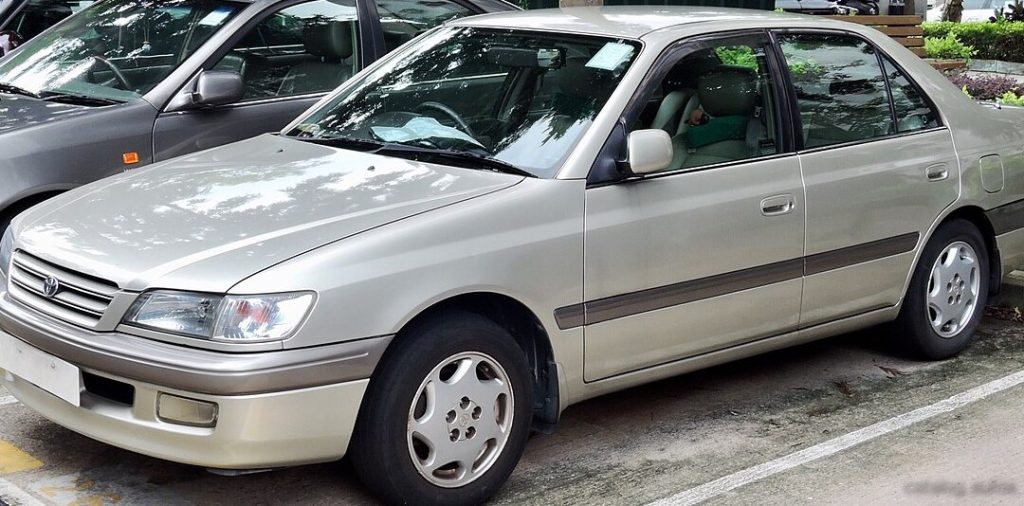
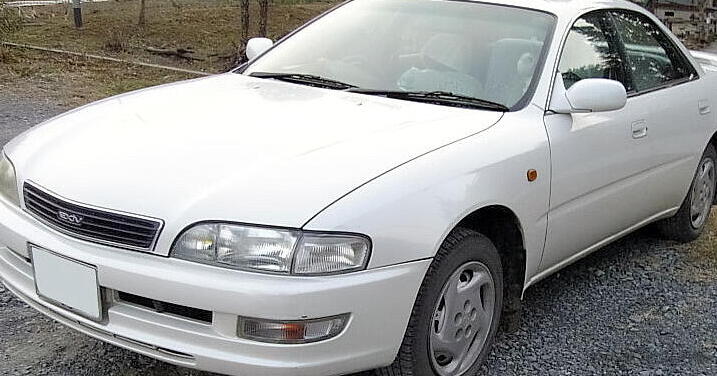
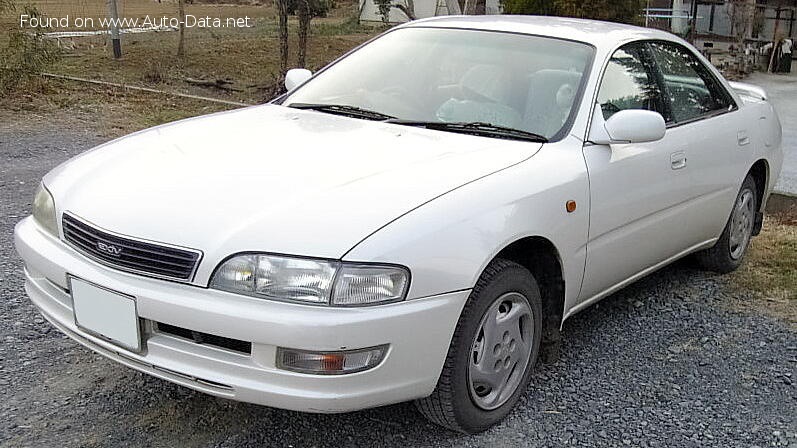
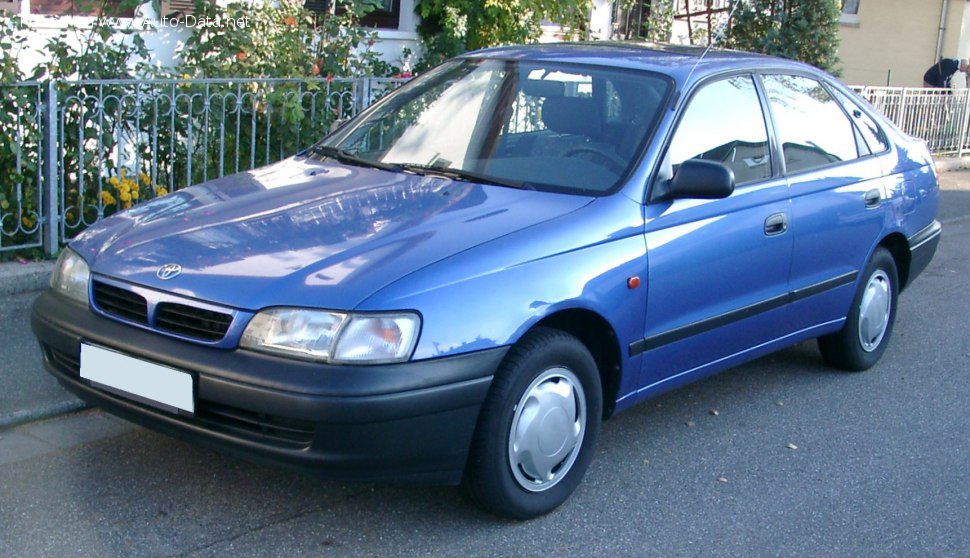
The Toyota Corona (RX,RT) 2.0 (RT104) was offered predominantly as a 4-door sedan, a body style that epitomized practicality and family-oriented design in the late 1970s. Its styling was typical of Japanese cars of the era: clean lines, a somewhat conservative profile, and a focus on functionality over flamboyant aesthetics. The design language was unpretentious, reflecting the car’s role as a reliable and affordable mode of transport. The sedan configuration provided ample interior space for four to five occupants and a reasonably sized trunk, catering to the needs of families. While not designed to turn heads, its simple yet robust construction meant it aged gracefully, and many examples proved remarkably resistant to the ravages of time and wear.
Interior and Practicality
Inside, the Corona RT104 was characterized by its functional and durable interior. Materials were chosen for their hard-wearing qualities, designed to withstand years of daily use. Features were basic but effective, focusing on essential controls and comfort. Air conditioning, power steering, and radio options were available, depending on the trim level and market, but these were often considered luxuries rather than standard equipment. Safety features for the period included basic seatbelts, a robust chassis, and crumple zones designed to offer a degree of protection in collisions. The dashboard layout was straightforward, with easily readable gauges and accessible controls, prioritizing ergonomics and ease of use for the average driver. The overall design philosophy emphasized longevity and straightforward utility, making the Corona an honest and dependable companion for its owners.
Technical Specifications of the Toyota Corona (RX,RT)
| Category | Specification |
| Brand | Toyota |
| Model | Corona |
| Generation | Corona (RX,RT) |
| Type (Engine) | 2.0 (RT104) (88 Hp) |
| Start of production | 1976 year |
| End of production | 1979 year |
| Powertrain Architecture | Internal Combustion engine |
| Body type | Sedan |
| Doors | 4 |
| Fuel Type | Petrol (Gasoline) |
| Power | 88 Hp |
| Engine Model/Code | 18R |
| Engine aspiration | Naturally aspirated engine |
| Engine oil capacity | 3.9 liters (4.12 US quarts) |
| Coolant capacity | 8.2 liters (8.66 US quarts) |
| Drivetrain | Internal Combustion engine |
The Toyota Corona (RX,RT) 2.0 (RT104) played a crucial role in establishing Toyota’s global reputation for building incredibly reliable and economical vehicles. In an era marked by rising fuel costs and increasing consumer demand for practical transportation, the Corona offered a compelling package of affordability, durability, and low running costs. Its reputation for rarely breaking down and being easy to maintain made it a favorite among families and fleet operators alike. This steadfast reliability was a key differentiator for Toyota, allowing it to gain significant market share against established American and European manufacturers.
In the North American market, the Corona competed fiercely with domestic compacts like the Ford Pinto, Chevrolet Nova, and AMC Hornet, as well as other Japanese imports such as the Datsun Bluebird (later known as the 510 and then Stanza), Mazda 626, and Honda Accord. What set the Corona apart was its consistent quality and a growing dealer network that emphasized customer service. While it might not have had the sporty appeal of some competitors or the luxurious appointments of others, its unwavering dependability made it a pragmatic choice for millions.
Globally, particularly in markets across Asia, Australia, and parts of Europe, the Corona was an undisputed sales success. It was often the car that introduced many families to the concept of Japanese automotive engineering, showcasing its inherent strengths. The RT104 generation, with its sturdy chassis and proven powertrain, further cemented the Corona’s status as a global workhorse. Its historical significance lies in its contribution to Toyota’s long-term strategy of building a global brand synonymous with quality and reliability. It paved the way for future Toyota successes, including the Camry, which would eventually supersede the Corona in many markets, inheriting its mantle as a dependable family sedan.
Today, the Toyota Corona (RX,RT) 2.0 (RT104) is remembered as a classic example of late 1970s automotive pragmatism. While not a collectible in the same vein as some performance cars of its era, its robust engineering and lasting legacy continue to be appreciated by classic car enthusiasts and those who value the foundational models that built brands like Toyota. It stands as a testament to an era when simplicity, durability, and value were paramount, and the Corona delivered on all fronts, securing its place in automotive history.