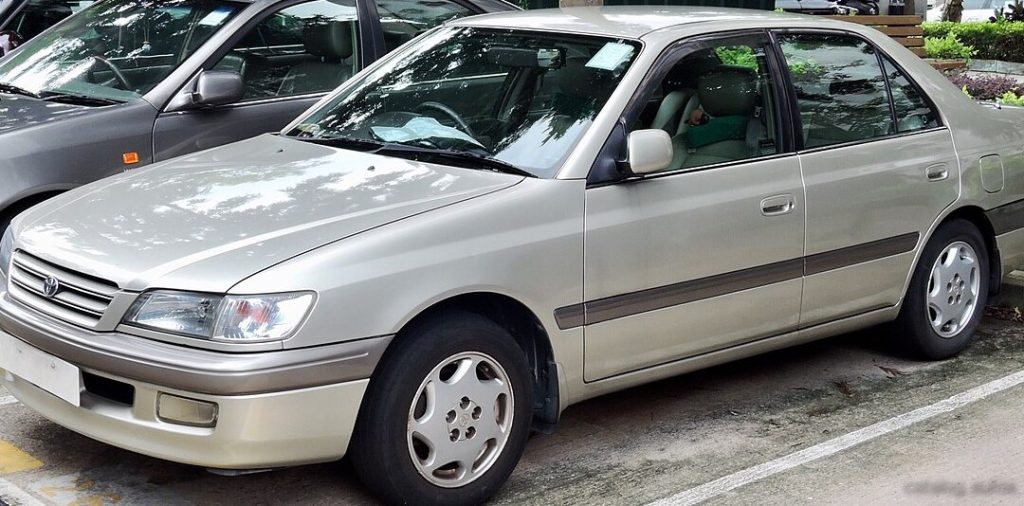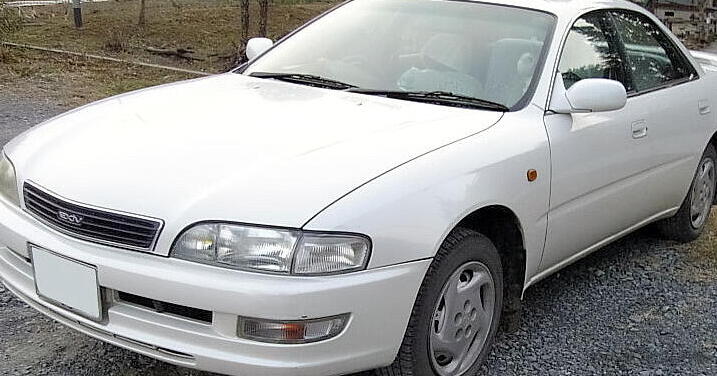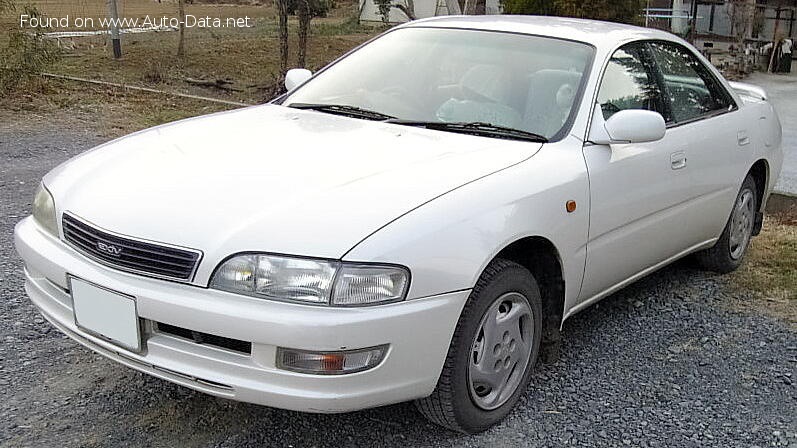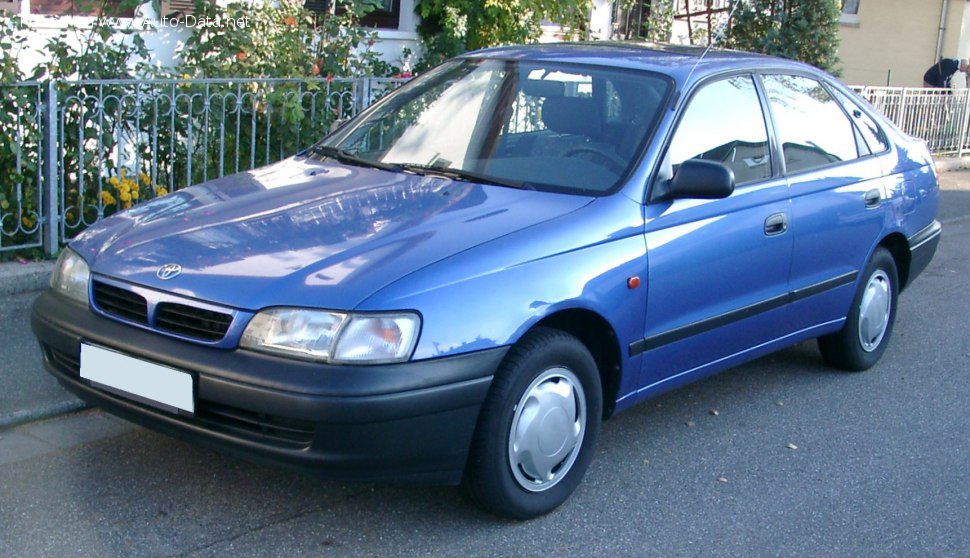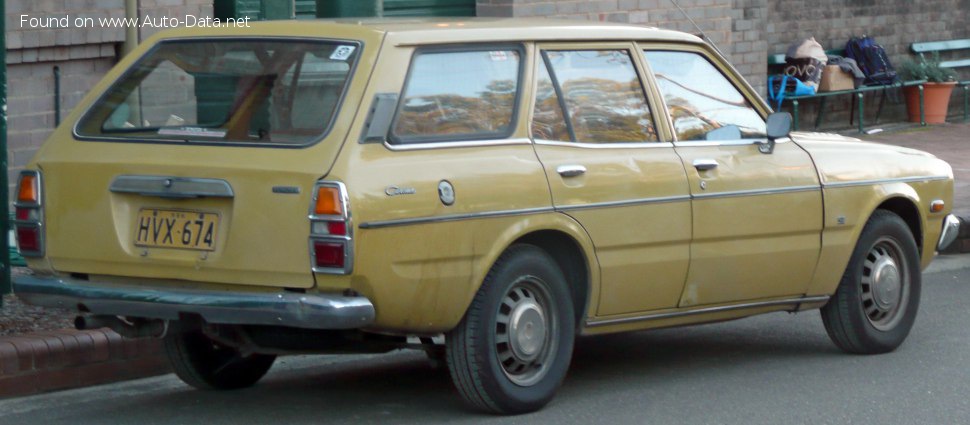
The Toyota Corona Station Wagon (RT118), specifically the 2.0-liter variant producing 88 horsepower, represents a significant chapter in Toyota’s global expansion and its commitment to producing reliable, economical, and practical family vehicles. Launched in 1973 as part of the sixth-generation Corona lineup (known as the RT100 series, with the RT118 denoting the wagon variant), this model continued Toyota’s tradition of offering a dependable option in the competitive compact and mid-size segments. Throughout its production run from 1973 to 1979, the Toyota Corona Station Wagon (RT118) solidified Toyota’s reputation for quality, durability, and value, particularly in markets demanding versatile transportation for families and businesses alike. It was a vehicle designed not for flash, but for steadfast utility, reflecting the pragmatic automotive landscape of the mid-1970s, a period marked by shifting economic realities and a growing emphasis on fuel efficiency and longevity.
The Toyota Corona Station Wagon (RT118): A Legacy of Practicality
Historical Context and Market Positioning
The Corona line, introduced in 1956, was Toyota’s first major attempt at a globally-marketed vehicle. While initially focused on the Japanese domestic market, Toyota strategically expanded the Corona’s reach throughout the 1960s and 70s. The RT118 station wagon was particularly important in markets like Australia, New Zealand, and parts of Europe, where the demand for practical, affordable family cars was high. It wasn’t officially sold in the United States during this generation, as Toyota focused on smaller models like the Corolla for the American market. However, the Corona’s success elsewhere laid the groundwork for Toyota’s eventual dominance in the US automotive industry. The RT118 competed with vehicles like the Datsun 1800 wagon, Ford Cortina estate, and various European offerings, offering a compelling blend of reliability and affordability.
Engine & Performance
At the heart of the Toyota Corona Station Wagon (RT118) 2.0-liter model was the 18R engine. This inline four-cylinder, naturally aspirated gasoline powerplant was engineered for reliability and modest efficiency, rather than outright performance. With a displacement of 2.0 liters, it delivered a respectable 88 horsepower, a figure that, while not groundbreaking by today’s standards, was entirely adequate for a family station wagon of its era. The engine’s design emphasized durability and ease of maintenance, traits that became synonymous with the Toyota brand. Its naturally aspirated configuration meant predictable power delivery and fewer complex components, contributing to its long-term reliability.
The 18R engine, with its cast-iron block and aluminum cylinder head, was a workhorse. It was designed to provide consistent power for daily commutes, highway cruising, and hauling cargo without complaint. While specific torque figures are not provided in the given data, engines of this type typically offered a broad, flat torque curve, making the vehicle feel responsive enough in typical driving conditions, even when loaded with passengers and luggage. The focus was on smooth operation and longevity, ensuring that the Corona Station Wagon could serve its owners faithfully for many years and countless miles. This mechanical simplicity and robustness were key selling points, especially in an era when many consumers were looking for vehicles that could withstand demanding use without frequent breakdowns. The engine’s modest power output also contributed to reasonable fuel economy for its time, an increasingly important factor following the 1973 oil crisis. The engine oil capacity was specified at 3.9 liters (4.12 US quarts), and the cooling system required 8.2 liters (8.66 US quarts) of coolant, indicating a well-engineered thermal management system for consistent performance.
Design & Features
The Toyota Corona Station Wagon (RT118) epitomized the functional and straightforward design ethos of 1970s Japanese automobiles. As a 5-door station wagon (or estate, as it was often called in other markets), its primary purpose was utility and passenger comfort. The exterior styling was clean, angular, and uncluttered, prioritizing excellent visibility and maximizing interior space. The design was conservative but appealing, fitting seamlessly into the suburban landscape of the time. Chrome accents were sparingly used, adding a touch of class without being ostentatious, while the overall silhouette spoke volumes about its intended use as a reliable family hauler.
Inside, the Corona Station Wagon was a testament to practical engineering. The cabin was spacious, offering comfortable seating for five adults, with durable upholstery and straightforward controls. The dashboard layout was logical and easy to read, reflecting a focus on ergonomics and minimizing driver distraction. All essential gauges and controls were within easy reach and clearly visible. However, the true strength of the station wagon lay in its cargo capacity. With the rear seats in place, there was ample room for groceries, sports equipment, or luggage for a family trip. Folding the rear seats down transformed the Corona into a highly capable hauler, offering a flat and expansive load floor that could accommodate larger items, making it an ideal choice for families, tradespeople, or anyone needing versatile transport.
Safety features, while not as advanced as modern vehicles, were standard for the era. The Corona featured a robust body structure designed to provide protection in collisions, along with seatbelts for all occupants. Its predictable handling, relatively light steering, and good all-around visibility further contributed to a secure and confidence-inspiring driving experience. The vehicle’s overall design was a harmonious blend of form and function, delivering a reliable and adaptable transportation solution that resonated with a broad spectrum of buyers looking for dependable mobility without unnecessary frills.
Technical Specifications
| Category | Specification |
| Brand | Toyota |
| Model | Corona |
| Generation | Corona Station Wagon (RT118) |
| Engine Type | 2.0 (88 Hp) |
| Production Start | 1973 year |
| Production End | 1979 year |
| Powertrain Architecture | Internal Combustion engine |
| Body Type | Station wagon (estate) |
| Doors | 5 |
| Fuel Type | Petrol (Gasoline) |
| Power | 88 Hp |
| Engine Model/Code | 18R |
| Engine Aspiration | Naturally aspirated engine |
| Engine Oil Capacity | 3.9 l (4.12 US qt) |
| Coolant Capacity | 8.2 l (8.66 US qt) |
Legacy and Market Impact
The Toyota Corona Station Wagon (RT118) played a crucial role in cementing Toyota’s reputation as a global automotive powerhouse during the 1970s. In an era marked by increasing competition and shifting consumer priorities, particularly the rising cost of fuel and a demand for more sensible transportation, the Corona stood out as a reliable and affordable option. It helped establish Toyota as a brand synonymous with quality and durability, paving the way for the company’s future success in markets around the world. While the RT118 itself is now a classic vehicle, its influence can still be seen in Toyota’s continued commitment to producing practical, dependable, and fuel-efficient automobiles. The Corona’s success demonstrated the viability of Japanese automakers in the global market and encouraged further investment and innovation within the industry.