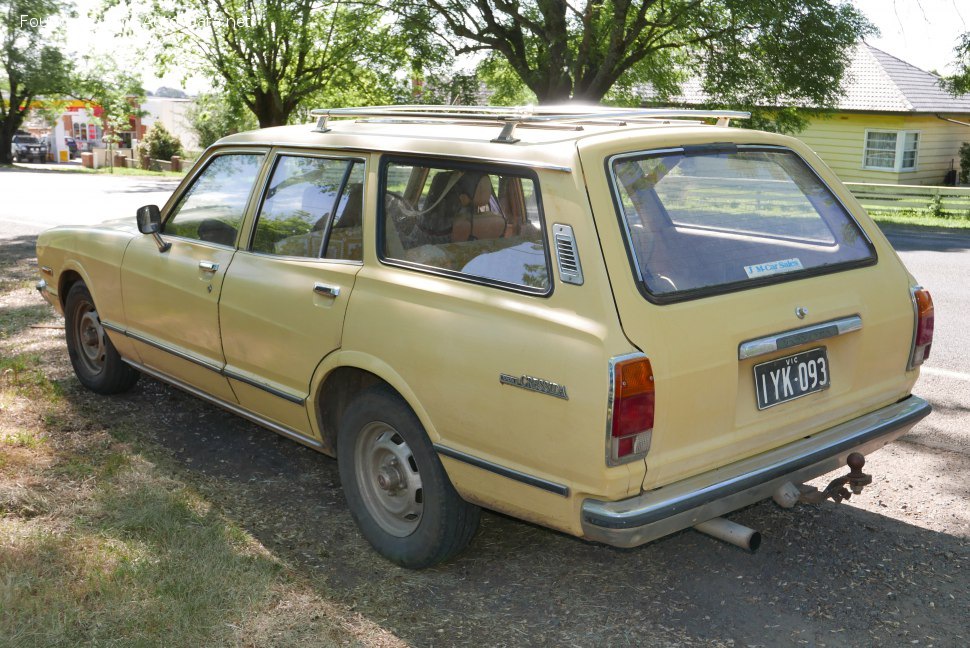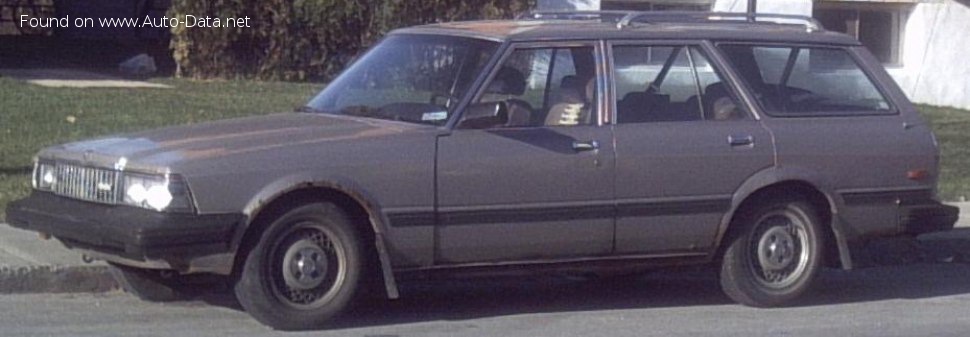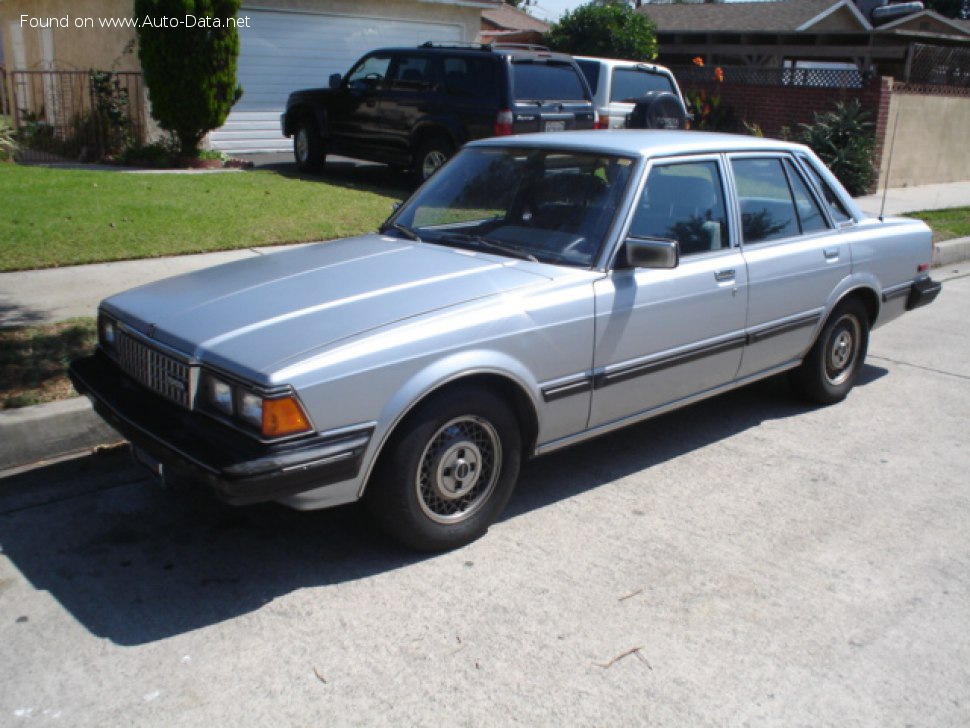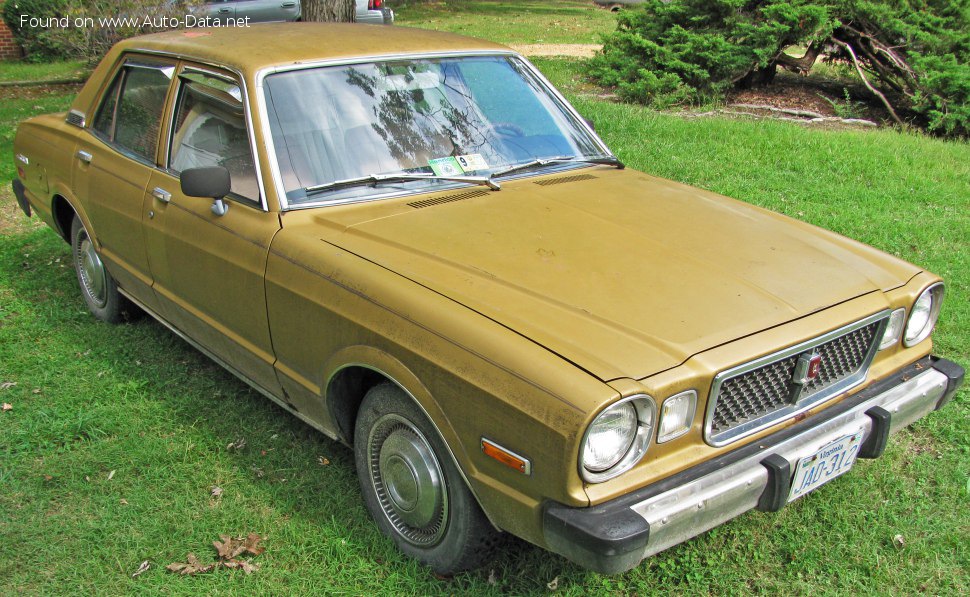
The Toyota Cressida (RX3) represents a significant chapter in Toyota’s global automotive history, particularly in its efforts to establish a foothold in the competitive mid-size luxury segment. Introduced in 1976, the RX3 generation of the Cressida was Toyota’s first dedicated luxury sedan for export markets, designed to offer a blend of Japanese reliability, comfort, and sophisticated styling. Positioned above the Corona and below the Crown in Toyota’s lineup, the Cressida aimed to appeal to buyers seeking a more refined driving experience without the premium price tag of European or American luxury marques. This particular variant, the 2.0 (RX30) with 90 horsepower, was a foundational model that helped define the Cressida’s reputation for durability and smooth operation throughout its production run from 1976 to 1980.
The Toyota Cressida (RX3): A Foundation for Luxury
The Cressida, while not initially a household name in the United States, was strategically positioned to challenge established players in the mid-size sedan market. Toyota recognized a growing demand for vehicles that offered more than basic transportation but didn’t require the substantial investment associated with traditional luxury brands. The RX3 generation was the company’s answer, a vehicle engineered to deliver a comfortable, reliable, and reasonably well-equipped experience. Its success paved the way for Toyota’s expansion into the premium automotive sector, ultimately culminating in the creation of the Lexus brand.
Engine & Performance
The 1976-1980 Toyota Cressida (RX3) 2.0 (RX30) was powered by the 18R engine, a 2.0-liter naturally aspirated inline-four gasoline engine. This powerplant produced 90 horsepower, a figure considered adequate for the era and the vehicle’s intended purpose. The 18R was renowned for its robustness and longevity, characteristics that became hallmarks of the Toyota brand. The engine’s design prioritized fuel efficiency and everyday usability, making it a practical choice for commuters and families. While modern drivers might find the horsepower output modest, it provided sufficient power for highway cruising and city driving in the mid-1970s.
The powertrain was designed for simplicity and reliability. The engine required 5 liters (5.28 US quarts) of engine oil and the cooling system held 8.2 liters (8.66 US quarts) of coolant, demonstrating a well-engineered system focused on consistent thermal management and lubrication. This attention to detail contributed to the engine’s reputation for long-term durability and minimal maintenance requirements.
Design & Features
The Toyota Cressida (RX3) 2.0 (RX30) featured a classic four-door sedan body style with seating for five passengers. Its design language reflected the aesthetic preferences of the mid-to-late 1970s, characterized by clean lines, an upright stance, and an emphasis on practicality. The styling was intentionally conservative, aiming for broad appeal rather than ostentatious flair. The grille, headlights, and overall proportions conveyed a sense of mature elegance, allowing it to compete with domestic and European rivals.
The interior of the Cressida was designed with passenger comfort in mind. Standard features typically included cloth upholstery and an AM/FM radio. Optional equipment, such as air conditioning, was highly desirable, particularly in warmer climates. Safety features, while limited by the standards of the time, included three-point seatbelts for front occupants and a robust body structure. The sedan configuration provided ample trunk space, enhancing its practicality for families and individuals needing cargo capacity. The overall design philosophy prioritized a comfortable and reliable driving experience, offering good value for money.
Technical Specifications
| Attribute | Specification |
| Brand | Toyota |
| Model | Cressida |
| Generation | Cressida (RX3) |
| Type (Engine) | 2.0 (RX30) (90 Hp) |
| Start of Production | 1976 |
| End of Production | 1980 |
| Powertrain Architecture | Internal Combustion engine |
| Body type | Sedan |
| Seats | 5 |
| Doors | 4 |
| Fuel Type | Petrol (Gasoline) |
| Power | 90 Hp |
| Engine Model/Code | 18R |
| Engine Aspiration | Naturally aspirated engine |
| Engine Oil Capacity | 5 l (5.28 US qt | 4.4 UK qt) |
| Engine Oil Specification | Not specified in provided data |
| Coolant Capacity | 8.2 l (8.66 US qt | 7.21 UK qt) |
Legacy and Market Impact
The Toyota Cressida (RX3) played a crucial role in reshaping Toyota’s image as a manufacturer of dependable and increasingly refined automobiles. In the United States, it was marketed as an upgrade from the Corona, quickly gaining a reputation for exceptional reliability, a smooth ride, and a comfortable interior. It offered a compelling alternative to domestic mid-size sedans, often surpassing them in build quality and long-term durability. It also provided a more accessible entry point into the “near-luxury” segment compared to European competitors.
Globally, the Cressida competed with other Japanese offerings like the Datsun 810 (later the Maxima) and the Mazda 929. Its success helped Toyota expand beyond economy cars, demonstrating its ability to produce vehicles offering comfort and sophistication. The RX3 generation, with its reliable 18R engine and straightforward engineering, laid the foundation for future Cressida generations to become even more luxurious and technologically advanced.
Perhaps the most significant aspect of the Cressida’s legacy is its influence on the development of the Lexus brand. Toyota’s experience with the Cressida, understanding the desires of premium buyers, directly informed the creation of Lexus in the late 1980s. The Cressida served as Toyota’s flagship sedan in many markets until the introduction of the Lexus LS 400, effectively bridging the gap between mainstream Toyota vehicles and the dedicated luxury division. Today, the first-generation Cressida is remembered for its robust mechanics, timeless styling, and its foundational contribution to Toyota’s entry into the luxury car segment, making it a cherished classic for enthusiasts.