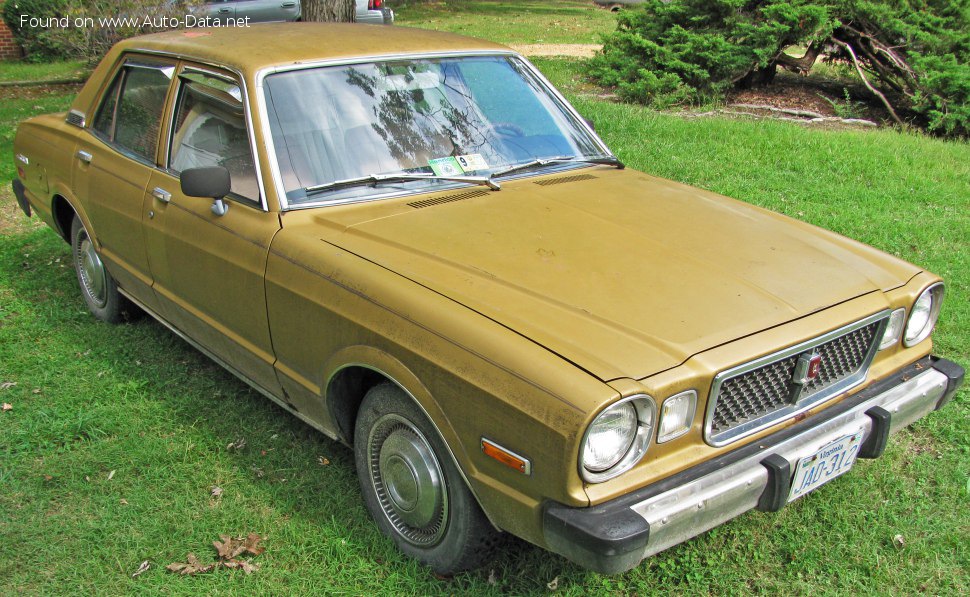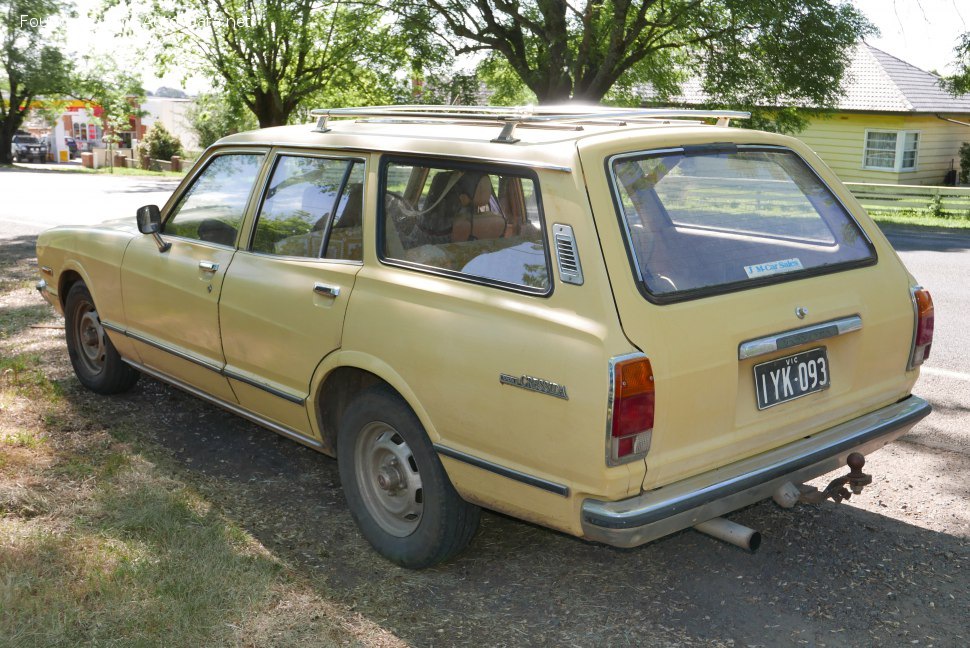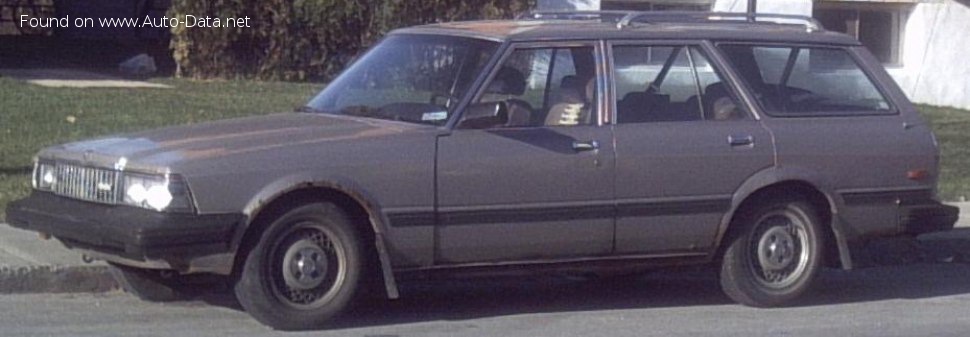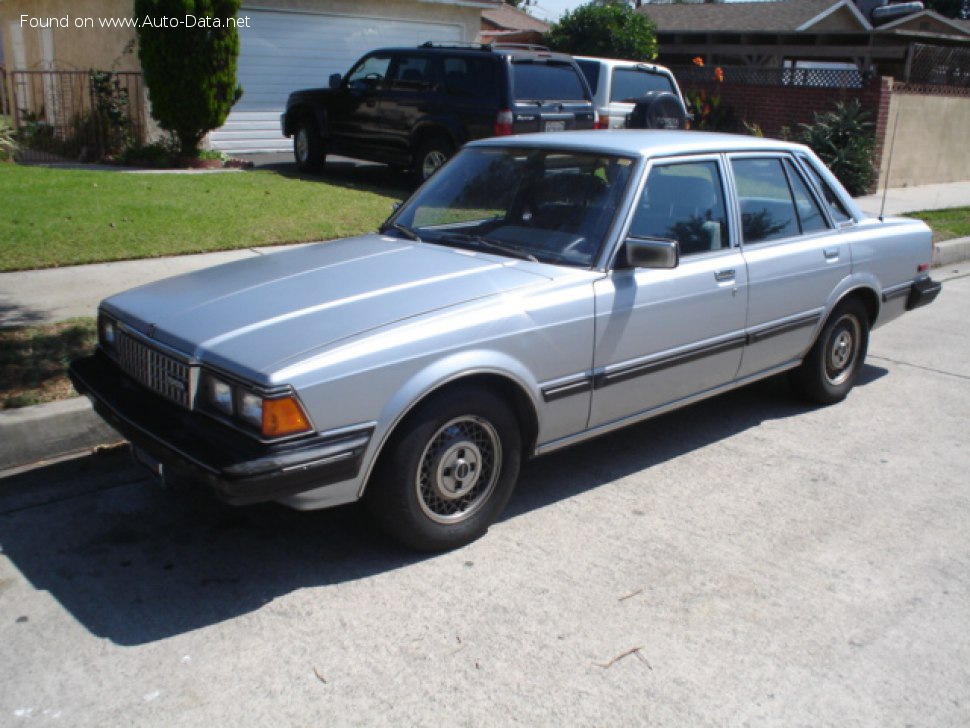
The Toyota Cressida, known in its home market of Japan as the Toyota Mark II, Chaser, or Cresta depending on the specific dealership channel, represented Toyota’s executive mid-size offering during its production run. The X6 generation, produced from 1980 to 1984, built upon the success of its predecessors, further cementing Toyota’s reputation for reliability, quality, and comfort in a segment increasingly populated by global competitors. The specific variant under review, the Toyota Cressida (X6) 2.2 D (LX60) (67 Hp), stands out as a testament to the era’s focus on fuel efficiency and durability, particularly in markets where diesel engines held a significant appeal.
Positioned above the ubiquitous Corona and Carina models but below the flagship Crown, the Cressida aimed to offer a blend of luxurious appointments, robust engineering, and practical family transportation. While gasoline engines were the predominant choice in markets like North America, the 2.2 D (LX60) variant was a crucial part of the Cressida’s global strategy, serving regions where high fuel prices or specific tax structures favored diesel powertrains. This particular model, with its naturally aspirated diesel engine, underscores a period when automotive engineering prioritized longevity and economy over outright performance, a characteristic that defined many vehicles of the early 1980s.
Toyota Cressida (X6) 2.2 D (LX60): Engineering and Performance
At the heart of the Toyota Cressida (X6) 2.2 D (LX60) (67 Hp) lies the venerable ‘L’ series diesel engine, a 2.2-liter (2188 cc) inline-four unit. This naturally aspirated powerplant delivered a modest 67 horsepower, a figure that, by today’s standards, might seem remarkably low for a mid-size sedan. However, in the context of the early 1980s and specifically for a diesel engine, this output was considered perfectly adequate for its intended purpose: reliable, economical transportation. The ‘L’ engine series was renowned for its bulletproof reliability and impressive longevity, often accumulating hundreds of thousands of miles with proper maintenance.
The driving experience of the Cressida 2.2 D would have been characterized by its relaxed demeanor. Acceleration was not its strong suit, with 0-60 mph times likely in the high teens or even over 20 seconds, depending on the transmission (which commonly would have been a manual 4- or 5-speed or an automatic 3-speed of the era). Instead, the engine offered a strong, linear torque delivery at lower RPMs, making it well-suited for city driving and steady highway cruising. Its naturally aspirated design meant predictable power delivery without the sudden surge associated with turbocharged diesels that would become more common later in the decade.
Fuel economy was a primary selling point. With a 65-liter (17.17 US gallon) fuel tank, the 2.2 D variant could offer an impressive cruising range, a significant advantage for long-distance drivers or those in regions with less frequent access to fueling stations. The engine oil capacity of 5.8 liters (6.13 US quarts) and a cooling system capacity of 10 liters (10.57 US quarts) further indicate a robust design built for durability and sustained operation, typical of Toyota’s engineering philosophy during this period. The powertrain architecture, an internal combustion engine, reflected the conventional and proven technology of the time, emphasizing simplicity and ease of maintenance.
Design and Features of the Cressida X6 Sedan
The Toyota Cressida (X6) embodied the prevailing automotive design trends of the early 1980s. Its body type was a classic four-door sedan, characterized by a clean, angular, and somewhat boxy aesthetic. This design language was a departure from the more fluid lines of some European competitors but exuded a sense of understated elegance and solidity that resonated well with consumers. The exterior featured prominent chrome accents, particularly around the grille, window surrounds, and bumpers, which were common signifiers of a premium vehicle in that era. Large glass areas provided excellent visibility, a practical benefit often overlooked in modern designs.
Inside, the Cressida X6 was designed to accommodate five occupants comfortably. The cabin prioritized space and ergonomic functionality. Materials, while not overtly luxurious by today’s standards, were chosen for their durability and pleasant tactile quality. Features would have included comfortable cloth or optional velour seating, a clear and straightforward instrument cluster, and a dashboard layout that emphasized ease of use. Depending on the trim level and market, amenities could range from power windows and mirrors to air conditioning and a quality audio system, all considered advanced features for the early 1980s.
Safety features of the time were more rudimentary than what is expected today. The Cressida X6 relied on its robust body-on-frame or unibody construction (depending on specific market versions, though mostly unibody by this generation) and seatbelts for occupant protection. While lacking modern airbags or sophisticated electronic driver aids, the Cressida’s solid build quality and predictable handling characteristics contributed to a sense of security on the road. The emphasis was on fundamental engineering integrity rather than advanced passive or active safety systems.
Legacy and Market Impact
The Toyota Cressida (X6) played a pivotal role in establishing Toyota’s presence in the executive mid-size segment globally. While the 2.2 D (LX60) (67 Hp) variant might not have been the volume seller in every market, it significantly contributed to the Cressida’s reputation for unwavering reliability and exceptional durability. In markets such as Europe, parts of Asia, and Africa, where diesel fuel was often more affordable or tax structures favored diesel engines, this specific model offered a compelling alternative to gasoline-powered rivals.
Its primary competitors varied by region but generally included vehicles like the Ford Granada/Scorpio, Opel Rekord (Vauxhall Carlton in the UK), and to some extent, entry-level versions of premium European sedans such as the BMW 5-Series (E28) or Mercedes-Benz W123, especially their diesel variants. The Cressida often undercut these European rivals on price while matching or exceeding them in terms of reliability and standard features. This value proposition was a cornerstone of Toyota’s success during this era.
The X6 generation, including the diesel variant, further solidified Toyota’s image as a manufacturer of dependable, low-maintenance vehicles. This reputation for quality and longevity ensured strong resale values and a loyal customer base. Many Cressida X6 models, particularly those equipped with the robust ‘L’ series diesel, continued to serve faithfully for decades, a testament to their inherent engineering quality. Today, the Cressida X6 is considered a classic, cherished by enthusiasts for its period-correct styling, comfortable ride, and that characteristic Toyota reliability. It represents a significant chapter in Toyota’s journey toward becoming a global automotive powerhouse, demonstrating their ability to offer compelling and durable vehicles across a diverse range of market demands, including the specific needs met by the economical and enduring 2.2 D (LX60) variant. Its legacy is one of quiet competence and steadfast performance, truly embodying the spirit of early 1980s automotive practicality.
| Brand | Toyota |
| Model | Cressida |
| Generation | Cressida (X6) |
| Type (Engine) | 2.2 D (LX60) (67 Hp) |
| Start of Production | 1980 year |
| End of Production | 1984 year |
| Powertrain Architecture | Internal Combustion engine |
| Body Type | Sedan |
| Seats | 5 |
| Doors | 4 |
| Fuel Type | Diesel |
| Power | 67 Hp |
| Engine Model/Code | L |
| Engine Aspiration | Naturally aspirated engine |
| Engine Oil Capacity | 5.8 l (6.13 US qt | 5.1 UK qt) |
| Engine Oil Specification | Manufacturer-specific (refer to service manual) |
| Coolant Capacity | 10 l (10.57 US qt | 8.8 UK qt) |
| Fuel Tank Capacity | 65 l (17.17 US gal | 14.3 UK gal) |
| What is the body type, Toyota Cressida (X6)? | Sedan, 4 Doors, 5 Seats |
| How much power, Toyota Cressida Sedan 1980 2.2 D (LX60) (67 Hp)? | 67 Hp |
| What is the drivetrain, Toyota Cressida (X6) Sedan 1980 2.2 D (LX60) (67 Hp)? | Internal Combustion engine. |