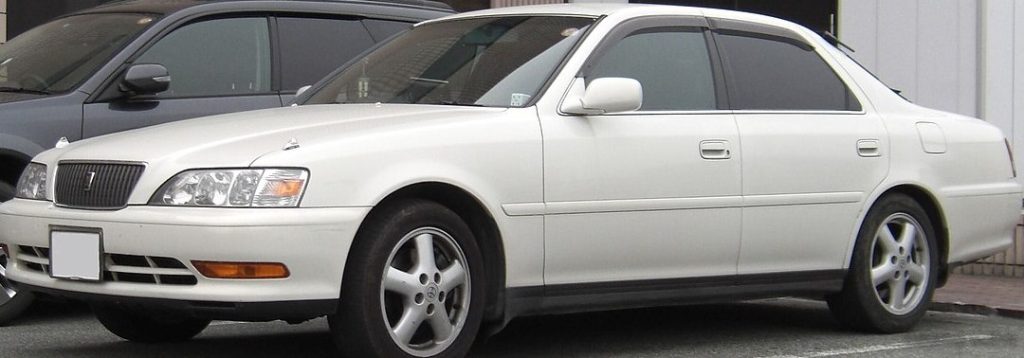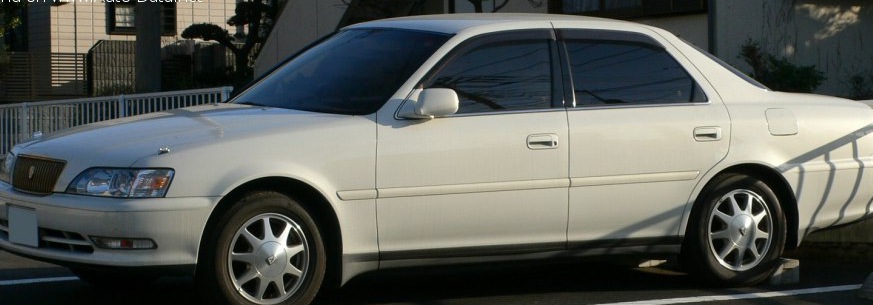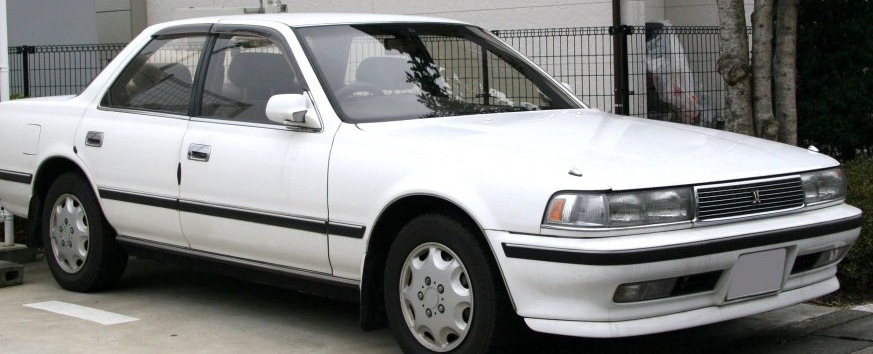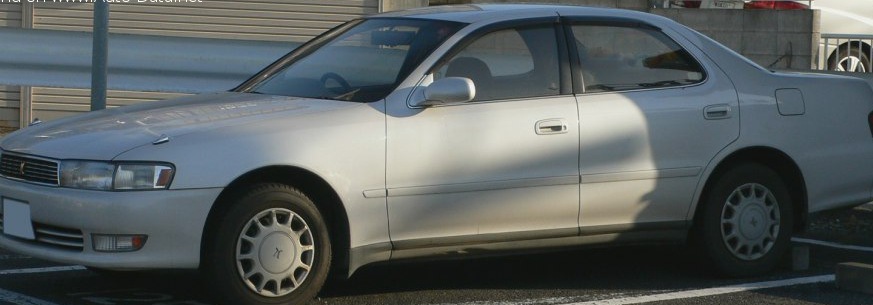
The Toyota Cresta GX90 3.0 i 24V, produced between 1992 and 1996, represents a significant iteration of Toyota’s long-running Cresta lineage. Positioned as a mid-to-upper range sedan within Toyota’s lineup, the GX90 catered to buyers seeking a blend of comfort, performance, and sophisticated styling. This generation Cresta, built on the JZX90 chassis, was primarily marketed in Japan, offering a rear-wheel-drive experience increasingly uncommon in the broader automotive landscape. The 3.0 i 24V variant, equipped with the 2JZ-GE engine and a four-speed automatic transmission, occupied a sweet spot in the range, offering a substantial power upgrade over the lower-displacement models while remaining more accessible than the turbocharged JZX100 variants.
Technical Specifications
| Brand | Toyota |
| Model | Cresta |
| Generation | Cresta (GX90) |
| Type (Engine) | 3.0 i 24V (220 Hp) |
| Start of production | 1992 |
| End of production | 1996 |
| Powertrain Architecture | Internal Combustion engine |
| Body type | Sedan |
| Seats | 5 |
| Doors | 4 |
| Fuel Type | Petrol (Gasoline) |
| Weight-to-power ratio | 6.5 kg/Hp, 154.9 Hp/tonne |
| Weight-to-torque ratio | 4.8 kg/Nm, 207 Nm/tonne |
| Power | 220 Hp @ 5800 rpm |
| Power per litre | 73.4 Hp/l |
| Torque | 294 Nm @ 3800 rpm (216.84 lb.-ft. @ 3800 rpm) |
| Engine layout | Front, Longitudinal |
| Engine Model/Code | 2JZ-GE |
| Engine displacement | 2997 cm3 (182.89 cu. in.) |
| Number of cylinders | 6 |
| Engine configuration | Inline |
| Cylinder Bore | 86 mm (3.39 in.) |
| Piston Stroke | 86 mm (3.39 in.) |
| Compression ratio | 10.5:1 |
| Number of valves per cylinder | 4 |
| Fuel injection system | Multi-port manifold injection |
| Engine aspiration | Naturally aspirated engine |
| Valvetrain | DOHC |
| Engine oil capacity | 5.4 l (5.71 US qt | 4.75 UK qt) |
| Coolant | 7.4 l (7.82 US qt | 6.51 UK qt) |
| Kerb Weight | 1420 kg (3130.56 lbs.) |
| Max. weight | 1695 kg (3736.84 lbs.) |
| Max load | 275 kg (606.27 lbs.) |
| Fuel tank capacity | 70 l (18.49 US gal | 15.4 UK gal) |
| Length | 4750 mm (187.01 in.) |
| Width | 1750 mm (68.9 in.) |
| Height | 1390 mm (54.72 in.) |
| Wheelbase | 2730 mm (107.48 in.) |
| Front track | 1485 mm (58.46 in.) |
| Rear (Back) track | 1495 mm (58.86 in.) |
| Drivetrain Architecture | The Internal combustion engine (ICE) drives the rear wheels of the vehicle. |
| Drive wheel | Rear wheel drive |
| Number of gears and type of gearbox | 4 gears, automatic transmission |
| Front suspension | Coil spring |
| Rear suspension | Coil spring |
| Front brakes | Ventilated discs |
| Rear brakes | Disc |
| Assisting systems | ABS (Anti-lock braking system) |
| Steering type | Steering rack and pinion |
| Power steering | Hydraulic Steering |
| Tires size | 205/60 R15 H |
Powertrain & Engine Architecture
The heart of the GX90 3.0 i 24V is the 2JZ-GE, a 3.0-liter inline-six engine. This engine is renowned for its smoothness and durability. The ‘GE’ designation signifies a naturally aspirated, dual overhead camshaft (DOHC) configuration with four valves per cylinder. The 2JZ-GE utilizes a multi-port fuel injection system, delivering precise fuel metering for optimal combustion. The engine’s robust bottom end, featuring a cast iron block and forged connecting rods, contributed to its longevity. Paired with this engine is a four-speed automatic transmission, designed for smooth and comfortable shifts. While not as sporty as a manual transmission, the automatic offered ease of use, particularly appealing to the target demographic for this trim level.
Driving Characteristics
The combination of the 2JZ-GE and the four-speed automatic transmission resulted in a driving experience that prioritized smooth power delivery over outright acceleration. While 220 horsepower was respectable for the early 1990s, the automatic transmission’s gear ratios were tuned for comfort and fuel efficiency rather than aggressive performance. Acceleration was brisk, but not startling, with a 0-60 mph time estimated around 8.5-9 seconds. The rear-wheel-drive layout provided a balanced feel, although the suspension tuning leaned towards comfort, resulting in some body roll during spirited cornering. Compared to the manual transmission versions of the GX90, the automatic offered a more relaxed driving experience, sacrificing some responsiveness. Compared to the later JZX100 models with their turbocharged engines, the 3.0 i 24V provided a more linear power curve and a less demanding driving experience.
Equipment & Trim Levels
The GX90 3.0 i 24V typically came equipped with a respectable array of features for its time. Standard amenities included power windows, power locks, air conditioning, and a quality audio system. Interior upholstery was typically cloth, although leather options were available. Dashboard configuration featured analog gauges and a straightforward layout. Optional extras included a sunroof, upgraded audio systems, and various cosmetic enhancements. The trim level generally sat above the base models, offering a more refined interior and additional convenience features, but below the more luxurious or performance-oriented trims.
Chassis & Braking
The GX90 chassis featured a traditional body-on-frame construction, providing a robust and durable platform. Suspension consisted of coil springs all around, with stabilizer bars to reduce body roll. The front suspension utilized a MacPherson strut design, while the rear employed a multi-link setup. Braking duties were handled by ventilated discs at the front and solid discs at the rear. An Anti-lock Braking System (ABS) was standard, enhancing safety and control during hard braking. The steering system was a rack-and-pinion setup with hydraulic power assistance, providing responsive and precise steering feel.
Market Reception & Comparison
The Toyota Cresta GX90 3.0 i 24V was generally well-received in the Japanese market. Critics praised its comfortable ride, refined engine, and overall build quality. The automatic transmission was seen as a positive attribute by many buyers, particularly those prioritizing ease of use. Fuel economy was reasonable for a 3.0-liter engine, although not exceptional. Compared to other trims in the lineup, the 3.0 i 24V offered a compelling balance of performance and value. It provided a significant power upgrade over the smaller-displacement models without the higher price tag of the turbocharged variants. Reliability was also a strong point, with the 2JZ-GE engine proving to be exceptionally durable.
Legacy
The Toyota Cresta GX90 3.0 i 24V has maintained a loyal following among enthusiasts. The 2JZ-GE engine is highly regarded for its robustness and potential for modification. The GX90’s rear-wheel-drive layout and relatively simple mechanicals make it a popular choice for drifting and other forms of motorsport. In the used car market, well-maintained examples of the GX90 3.0 i 24V command a premium, reflecting their enduring appeal and the reputation for reliability of the 2JZ-GE engine. While finding parts can sometimes be a challenge due to the car’s age and limited production outside of Japan, the GX90 remains a desirable classic for those seeking a comfortable, stylish, and dependable Japanese sedan.