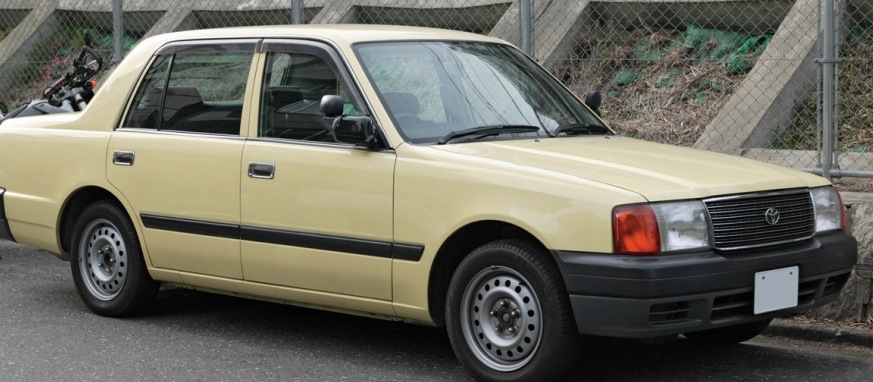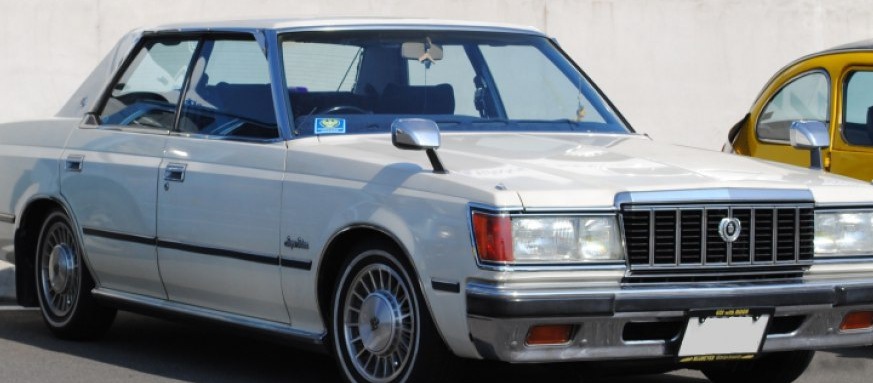
The Toyota Crown S12, produced between 1983 and 1987, represents the eighth generation of Toyota’s flagship sedan. Within the S1 series, the 2.8i Super Saloon (designated S12) occupied a prominent position, offering a blend of luxury and performance aimed at the upper-midsize market. This generation marked a significant evolution for the Crown, incorporating more sophisticated technology and styling compared to its predecessors. The S12 was primarily sold in Japan, with limited exports to select markets, and served as a symbol of Japanese automotive engineering prowess during the 1980s.
Technical Specifications
| Brand | Toyota |
| Model | Crown |
| Generation | Crown (S1) |
| Type | 2.8 i Super Saloon (S12) (170 Hp) |
| Start of Production | 1983 |
| End of Production | 1987 |
| Powertrain Architecture | Internal Combustion Engine |
| Body Type | Sedan |
| Seats | 5 |
| Doors | 4 |
| Fuel Type | Petrol (Gasoline) |
| Power | 170 Hp |
| Engine Model/Code | 5M-GE |
| Engine Aspiration | Naturally Aspirated |
| Engine Oil Capacity | 4.7 l (4.97 US qt | 4.14 UK qt) |
| Coolant Capacity | 7.9 l (8.35 US qt | 6.95 UK qt) |
Powertrain & Engine Architecture
The heart of the 2.8i Super Saloon is the 5M-GE engine, a 2.8-liter (2759 cc) inline-six cylinder powerplant. This engine was a key feature of the S12, representing a move towards larger, more powerful engines for the Crown line. The 5M-GE utilized a single overhead camshaft (SOHC) design with two valves per cylinder. Fuel delivery was managed by Toyota’s electronically controlled fuel injection system, contributing to improved fuel efficiency and smoother operation. The engine’s block was constructed from cast iron, providing durability, while the cylinder head was made of aluminum alloy, reducing weight. The 5M-GE produced 170 horsepower at 5,600 rpm and 198 lb-ft of torque at 4,000 rpm. While not a high-revving engine, it delivered a broad torque curve suitable for comfortable cruising and effortless acceleration. The transmission paired with the 5M-GE was typically a four-speed automatic, designed for smooth and refined gear changes. Manual transmission options were available in some markets, but the automatic was the preferred choice for the Super Saloon trim.
Driving Characteristics
The Toyota Crown 2.8i Super Saloon offered a driving experience focused on comfort and refinement. The automatic transmission, while not offering the quickest shifts, provided seamless gear changes, making it ideal for city driving and long highway journeys. The 5M-GE engine delivered adequate power for overtaking and merging, but it wasn’t designed for sporty performance. Compared to the smaller-engined Crown variants, the 2.8i offered noticeably more responsive acceleration. However, it wasn’t as nimble as some of its European competitors. The suspension, tuned for comfort, absorbed bumps and imperfections in the road effectively, providing a smooth and quiet ride. Steering was light and precise, making maneuvering easy. The overall driving experience was one of relaxed sophistication, prioritizing passenger comfort over outright performance.
Equipment & Trim Levels
The “Super Saloon” designation indicated a high level of equipment and luxury. Standard features included power windows, power locks, power steering, and air conditioning. The interior was typically upholstered in high-quality cloth or optional leather. The dashboard featured woodgrain accents and a comprehensive instrument cluster. The S12 often included features like a premium sound system, central locking, and an electronically adjustable driver’s seat. Optional extras could include a sunroof, upgraded audio systems, and more luxurious interior trim options. The Super Saloon trim was positioned as the premium offering within the S1 series, appealing to buyers who desired a comfortable and well-equipped vehicle.
Chassis & Braking
The Toyota Crown S12 utilized a traditional body-on-frame construction, providing a robust and durable chassis. The suspension system consisted of independent front suspension with MacPherson struts and a live axle with leaf springs in the rear. This configuration prioritized ride comfort over handling precision. Braking duties were handled by disc brakes on the front wheels and drum brakes on the rear. Power assist was standard. While adequate for normal driving conditions, the braking system wasn’t particularly powerful by modern standards. The S12 featured a stabilizer bar on the front axle to reduce body roll during cornering, but the overall handling characteristics were geared towards comfort and stability rather than sporty dynamics.
Market Reception & Comparison
The Toyota Crown S12 2.8i Super Saloon was well-received in its primary market of Japan, where it was seen as a prestigious and reliable vehicle. Critics praised its comfortable ride, spacious interior, and smooth engine. However, some reviewers noted that its handling wasn’t as sharp as some of its European rivals. Compared to the smaller-engined Crown variants, the 2.8i offered a significant performance upgrade, but it also came with a higher price tag. Fuel economy was reasonable for a vehicle of its size and engine displacement, but it wasn’t a standout feature. The Crown competed with other large Japanese sedans, such as the Nissan Cedric and the Mitsubishi Debonair, as well as imported models like the BMW 5 Series and the Mercedes-Benz E-Class.
Legacy
The Toyota Crown S12 2.8i Super Saloon remains a respected classic among Toyota enthusiasts. The 5M-GE engine, while not known for being particularly complex, is generally considered to be a reliable powerplant when properly maintained. Parts availability can be a challenge in some markets, but many components are still available through specialist suppliers. Today, well-maintained examples of the S12 are sought after by collectors and enthusiasts who appreciate its classic styling, comfortable ride, and historical significance. The S12 represents a pivotal moment in the evolution of the Toyota Crown, showcasing the company’s commitment to quality, reliability, and innovation. The car’s enduring appeal is a testament to its well-engineered design and its status as a symbol of Japanese automotive excellence.