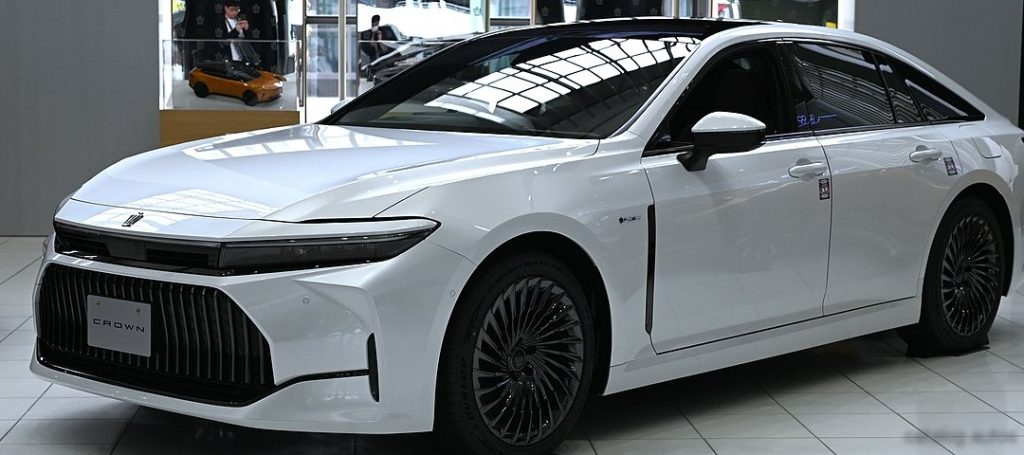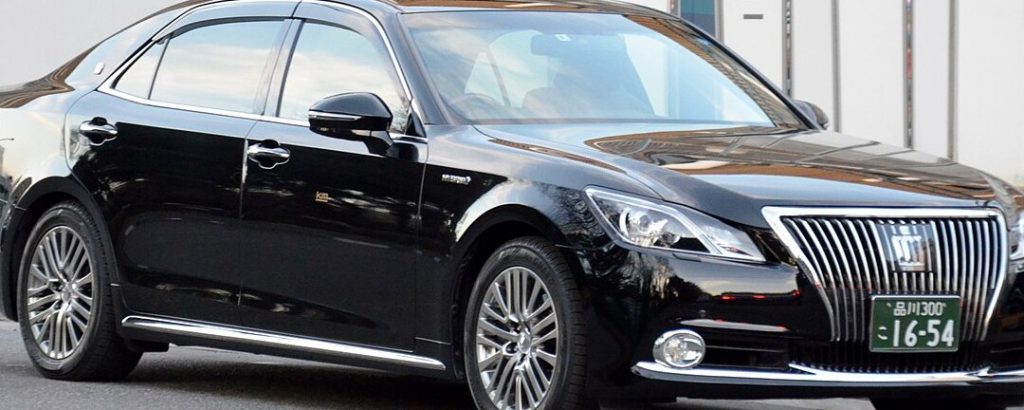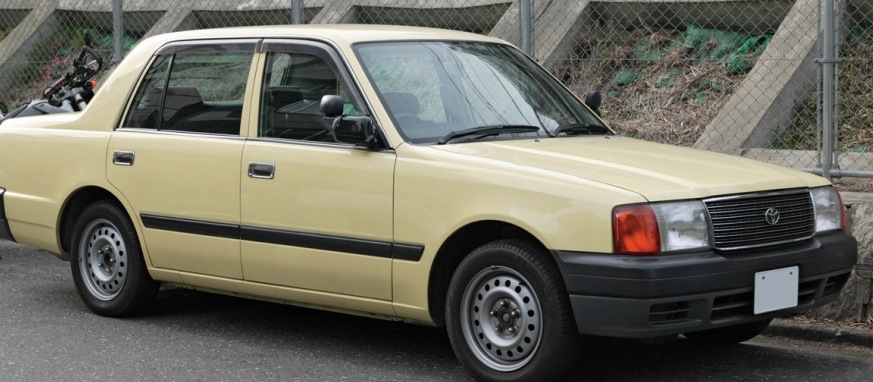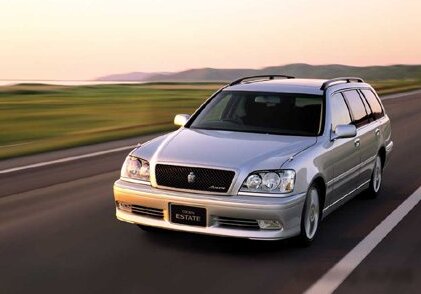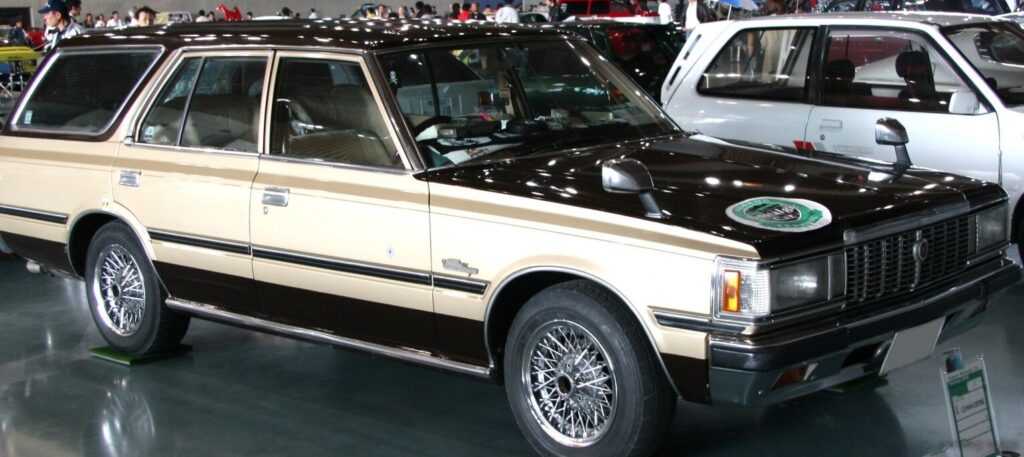
The Toyota Crown Wagon (S1), specifically the 2.8-liter (MS1K) variant producing 146 horsepower, represented a significant expansion of the Crown lineage into the practical station wagon segment. Produced between 1979 and 1983, this model – part of the broader S1 generation – aimed to offer the Crown’s renowned comfort and reliability in a more versatile body style. It catered to families and those requiring substantial cargo space without sacrificing the prestige associated with the Crown nameplate. The S1 series marked a departure for Toyota, attempting to capture a larger share of the estate car market, particularly in Japan where wagons were gaining popularity.
Technical Specifications
| Brand | Toyota |
| Model | Crown |
| Generation | Crown Wagon (S1) |
| Type (Engine) | 2.8 (MS1K) (146 Hp) |
| Start of production | 1979 |
| End of production | 1983 |
| Powertrain Architecture | Internal Combustion engine |
| Body type | Station wagon (estate) |
| Seats | 5 |
| Doors | 5 |
| Fuel Type | Petrol (Gasoline) |
| Power | 146 Hp |
| Engine Model/Code | 5M-E |
| Engine aspiration | Naturally aspirated engine |
| Engine oil capacity | 4.7 l (4.97 US qt | 4.14 UK qt) |
| Coolant capacity | 9.1 l (9.62 US qt | 8.01 UK qt) |
Powertrain & Engine Architecture
The heart of the Crown Wagon 2.8 (MS1K) was the 5M-E engine, a 2.8-liter (2759 cc) inline-six cylinder gasoline engine. This engine was a naturally aspirated, overhead camshaft (OHC) design. The 5M-E featured a cast iron block and an aluminum cylinder head, a common configuration for Toyota engines of the era, balancing durability with weight reduction. Fuel delivery was managed by Toyota’s electronically controlled fuel injection system, offering improved efficiency and driveability compared to carbureted engines. The engine produced 146 horsepower at 5,200 rpm and approximately 198 lb-ft of torque at 3,200 rpm. The engine’s relatively high torque output for its displacement contributed to its usability in a larger wagon body style. The transmission paired with the 5M-E was typically a four-speed automatic, designed for smooth and comfortable operation. While a five-speed manual transmission was available on some Crown models, it was less common on the wagon variant, which prioritized ease of use.
Driving Characteristics
The Crown Wagon 2.8 (MS1K) offered a comfortable and refined driving experience, prioritizing smoothness over outright performance. The four-speed automatic transmission was geared for relaxed cruising, with relatively short lower gears for acceptable acceleration and taller upper gears for highway efficiency. Acceleration from 0 to 60 mph was estimated to be around 11-12 seconds, which was competitive for a large wagon of the time, but noticeably slower than the more powerful Crown sedans or those equipped with manual transmissions. The automatic transmission, while smooth, did exhibit some typical characteristics of older automatic designs, such as a slight delay in downshifting. The wagon’s suspension, tuned for comfort, absorbed bumps and road imperfections well, making it a pleasant vehicle for long journeys. However, this comfort came at the expense of sharp handling; the Crown Wagon wasn’t designed for spirited cornering.
Equipment & Trim Levels
The Crown Wagon 2.8 (MS1K) was generally well-equipped for its time, reflecting the Crown’s position as a premium vehicle. Standard features typically included power steering, power-assisted brakes, and a comfortable cloth interior. Higher trim levels offered features such as air conditioning, an upgraded audio system, and power windows. Interior upholstery was typically a durable cloth material, available in a range of colors. The dashboard layout was functional and straightforward, with clearly labeled controls. Optional extras included a sunroof, upgraded sound systems, and special paint colors. The wagon’s interior was designed with practicality in mind, offering ample space for passengers and cargo. The rear seats could be folded down to create a larger cargo area, further enhancing the wagon’s versatility.
Chassis & Braking
The Crown Wagon 2.8 (MS1K) utilized a traditional body-on-frame construction, providing a robust and durable chassis. The suspension consisted of independent front suspension with MacPherson struts and a live axle with leaf springs in the rear. This setup prioritized ride comfort and load-carrying capacity. Braking was accomplished via power-assisted disc brakes in the front and drum brakes in the rear. While adequate for normal driving conditions, the rear drum brakes were a limitation compared to the all-disc brake setups found on some other vehicles in the same class. The steering system was a recirculating ball system, providing a relatively light and easy steering feel. Stabilizer bars were fitted to both the front and rear suspension to reduce body roll during cornering, although the wagon’s high center of gravity still limited its handling capabilities.
Market Reception & Comparison
The Toyota Crown Wagon 2.8 (MS1K) was generally well-received in the Japanese market, where it found a niche among families and those needing a practical and reliable vehicle. Critics praised the wagon’s spacious interior, comfortable ride, and Toyota’s reputation for reliability. However, some reviewers noted the wagon’s relatively modest performance and lack of sporty handling. Compared to other trims in the Crown lineup, the 2.8-liter wagon offered a balance between performance and fuel economy. The smaller-engined Crown models were more fuel-efficient but lacked the power to comfortably carry a full load, while the larger-engined Crown sedans offered more performance but were less practical. Fuel economy for the 2.8-liter wagon was around 18-22 mpg in combined driving, which was reasonable for a vehicle of its size and weight.
Legacy
The Toyota Crown Wagon (S1) 2.8 (MS1K) represents an interesting chapter in the Crown’s history, demonstrating Toyota’s willingness to experiment with different body styles and cater to evolving market demands. While the Crown Wagon wasn’t as iconic as the Crown sedan, it established Toyota as a player in the station wagon segment. The 5M-E engine proved to be a durable and reliable powerplant, and many examples are still on the road today. In the used car market, well-maintained Crown Wagons are sought after by collectors and enthusiasts who appreciate their classic styling, comfortable ride, and Toyota’s legendary reliability. The S1 generation Crown Wagon laid the groundwork for future Toyota wagons and helped solidify the Crown’s reputation as a versatile and dependable vehicle.