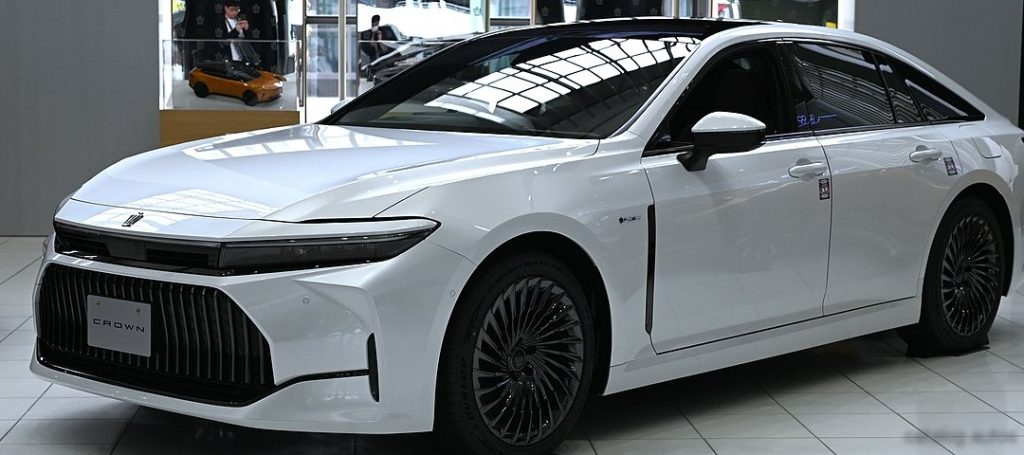
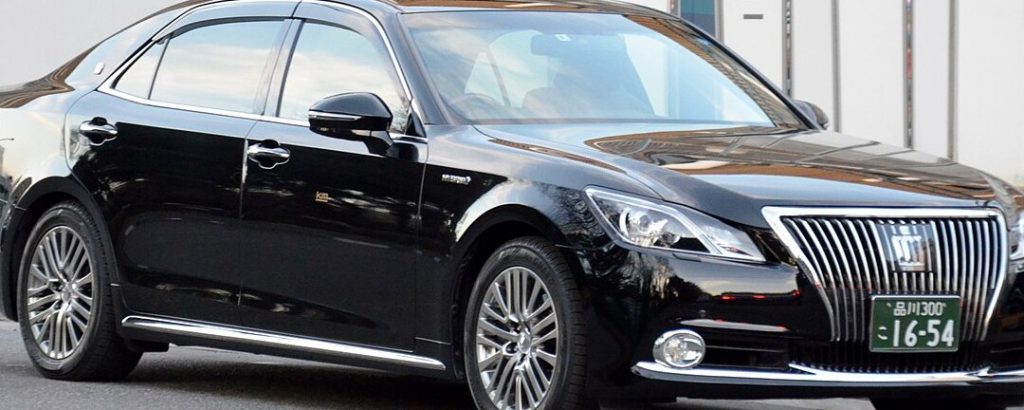
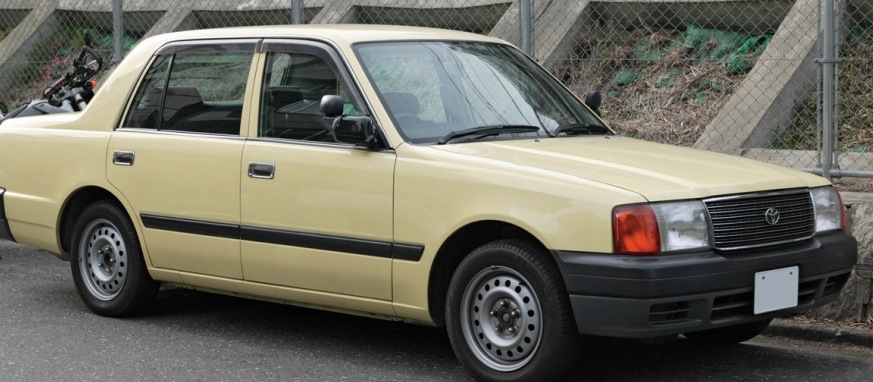
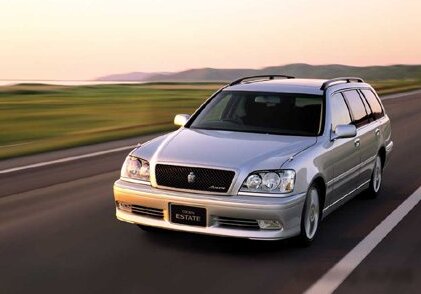
The Toyota Crown XII Athlete (S180) 2.5 V6 24V, produced between 2003 and 2005, represented a significant iteration of Toyota’s flagship sedan. Positioned as a sporty and luxurious variant within the twelfth generation Crown lineup (S180 series), the Athlete aimed to attract a younger demographic while maintaining the Crown’s reputation for comfort and reliability. This particular configuration, featuring a 2.5-liter V6 engine paired with a five-speed automatic transmission, was a key offering in the Japanese domestic market (JDM), where the Crown held a prestigious position. The S180 series, built on the Toyota platform, continued the Crown’s tradition of rear-wheel drive, offering a driving experience distinct from the increasingly front-wheel drive competition.
Technical Specifications
| Brand | Toyota |
| Model | Crown |
| Generation | Crown XII Athlete (S180) |
| Type (Engine) | 2.5 V6 24V (215 Hp) Automatic |
| Start of production | 2003 |
| End of production | 2005 |
| Powertrain Architecture | Internal Combustion engine |
| Body type | Sedan |
| Seats | 5 |
| Doors | 4 |
| Fuel Type | Petrol (Gasoline) |
| Weight-to-power ratio | 7.3 kg/Hp, 137.8 Hp/tonne |
| Weight-to-torque ratio | 6 kg/Nm, 166.7 Nm/tonne |
| Power | 215 Hp @ 6400 rpm |
| Power per litre | 86 Hp/l |
| Torque | 260 Nm @ 3800 rpm, 191.77 lb.-ft. @ 3800 rpm |
| Engine layout | Front, Longitudinal |
| Engine Model/Code | 4GR-FSE |
| Engine displacement | 2499 cm3, 152.5 cu. in. |
| Number of cylinders | 6 |
| Engine configuration | V-engine |
| Cylinder Bore | 83 mm, 3.27 in. |
| Piston Stroke | 77 mm, 3.03 in. |
| Compression ratio | 12:1 |
| Number of valves per cylinder | 4 |
| Fuel injection system | Direct injection |
| Engine aspiration | Naturally aspirated engine |
| Valvetrain | DOHC |
| Engine oil capacity | 6.3 l, 6.66 US qt | 5.54 UK qt |
| Coolant | 9.1 l, 9.62 US qt | 8.01 UK qt |
| Kerb Weight | 1560 kg, 3439.21 lbs |
| Fuel tank capacity | 71 l, 18.76 US gal | 15.62 UK gal |
| Length | 4840 mm, 190.55 in |
| Width | 1780 mm, 70.08 in |
| Height | 1470 mm, 57.87 in |
| Wheelbase | 2850 mm, 112.2 in |
| Front track | 1525 mm, 60.04 in |
| Rear (Back) track | 1525 mm, 60.04 in |
| Ride height (ground clearance) | 155 mm, 6.1 in |
| Minimum turning circle (turning diameter) | 10.4 m, 34.12 ft |
| Drivetrain Architecture | The Internal combustion engine (ICE) drives the rear wheels of the vehicle. |
| Drive wheel | Rear wheel drive |
| Number of gears and type of gearbox | 5 gears, automatic transmission |
| Front suspension | Double wishbone |
| Rear suspension | Independent multi-link suspension |
| Front brakes | Ventilated discs |
| Rear brakes | Ventilated discs |
| Assisting systems | ABS (Anti-lock braking system) |
| Steering type | Steering rack and pinion |
| Tires size | 215/60 R16 |
| Wheel rims size | 16 |
Powertrain & Engine Architecture
The heart of the Crown XII Athlete 2.5 V6 was the 4GR-FSE engine. This 2.5-liter (2499 cc) V6 engine utilized Toyota’s D-4 direct injection technology, a key feature for improving both power and fuel efficiency. The engine boasted a high compression ratio of 12:1 and a double overhead camshaft (DOHC) valvetrain with four valves per cylinder. This configuration allowed for a respectable 215 horsepower at 6400 rpm and 260 Nm (191.77 lb-ft) of torque at 3800 rpm. The engine’s longitudinal mounting and rear-wheel drive configuration were a deliberate choice, harking back to the Crown’s traditional driving dynamics. Paired with the 4GR-FSE was a five-speed automatic transmission, designed for smooth shifts and comfortable cruising. While not a sport-focused transmission, it was well-matched to the engine’s torque curve.
Driving Characteristics
The 2.5 V6 automatic combination offered a balanced driving experience. Compared to the more powerful 3.0-liter variants, the 2.5 offered slightly less exhilarating acceleration, but it provided ample power for everyday driving and highway cruising. The automatic transmission, while smooth, wasn’t particularly quick to downshift, meaning the engine sometimes felt slightly strained during aggressive overtaking maneuvers. The rear-wheel drive layout contributed to a more engaging driving feel than front-wheel drive competitors, offering better balance and handling. The gear ratios were tuned for comfort and fuel economy, prioritizing smooth transitions over outright performance. Compared to the manual transmission options available on other Crown models, the automatic version sacrificed some driver involvement but gained in ease of use.
Equipment & Trim Levels
The Athlete trim level, even with the 2.5 V6 engine, was well-equipped. Standard features typically included power-adjustable front seats, automatic climate control, a premium audio system, and woodgrain interior trim. The interior upholstery was generally a combination of cloth and leather, with higher-spec models offering full leather seating. Optional extras included a navigation system, sunroof, and upgraded audio components. The Athlete trim also featured unique exterior styling cues, such as a more aggressive front bumper, side skirts, and a rear spoiler, differentiating it from the more conservatively styled Crown models. Dashboard configuration was typical of Japanese luxury cars of the era, with a focus on functionality and ease of use.
Chassis & Braking
The Crown XII Athlete utilized a double wishbone suspension setup at the front and an independent multi-link suspension at the rear, providing a comfortable and controlled ride. The suspension was tuned to balance ride comfort with handling performance. Braking duties were handled by ventilated disc brakes on all four wheels, providing adequate stopping power for the vehicle’s weight. An Anti-lock Braking System (ABS) was standard, enhancing safety. Stabilizer bars were fitted to both the front and rear axles to reduce body roll during cornering. The chassis was designed to provide a quiet and refined driving experience, minimizing road noise and vibrations.
Market Reception & Comparison
The Crown XII Athlete 2.5 V6 Automatic was generally well-received in the Japanese market. Critics praised its comfortable ride, spacious interior, and refined engine. However, some noted that the automatic transmission could feel a bit sluggish compared to the manual options. Compared to the 3.0-liter Crown Athlete, the 2.5 offered a more affordable entry point into the Athlete lineup, appealing to buyers who prioritized fuel economy and comfort over outright performance. The 2.5 also offered better fuel economy than the larger engine, making it a more practical choice for daily commuting. Reliability was a strong point, as with most Toyota products of this era.
Legacy
The Toyota Crown XII Athlete 2.5 V6 Automatic has proven to be a reliable and durable vehicle. The 4GR-FSE engine is known for its longevity, and the automatic transmission, while not without its quirks, has generally held up well over time. In the used car market, these Crowns are sought after for their combination of comfort, reliability, and relatively affordable price. While not a performance icon, the 2.5 V6 Athlete represents a well-engineered and thoughtfully designed luxury sedan that continues to provide comfortable and dependable transportation for its owners. The model’s enduring popularity is a testament to Toyota’s commitment to quality and its understanding of the Japanese automotive market.