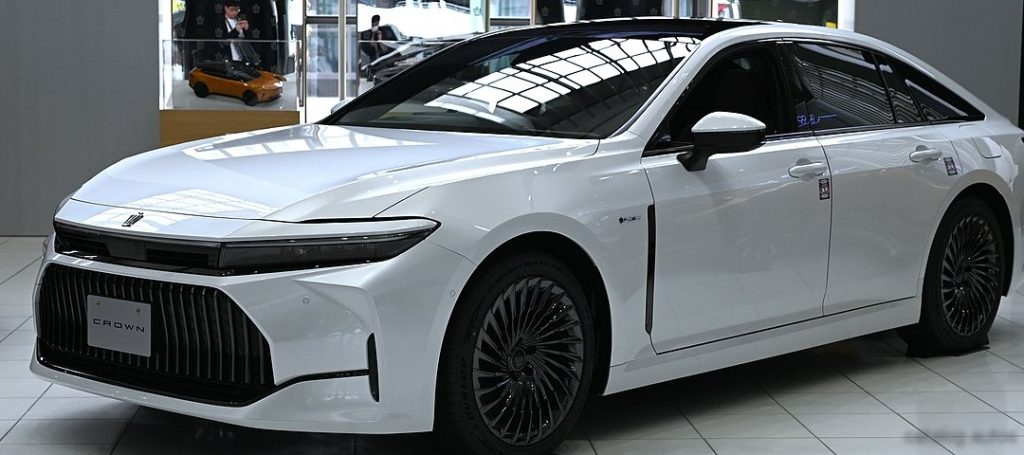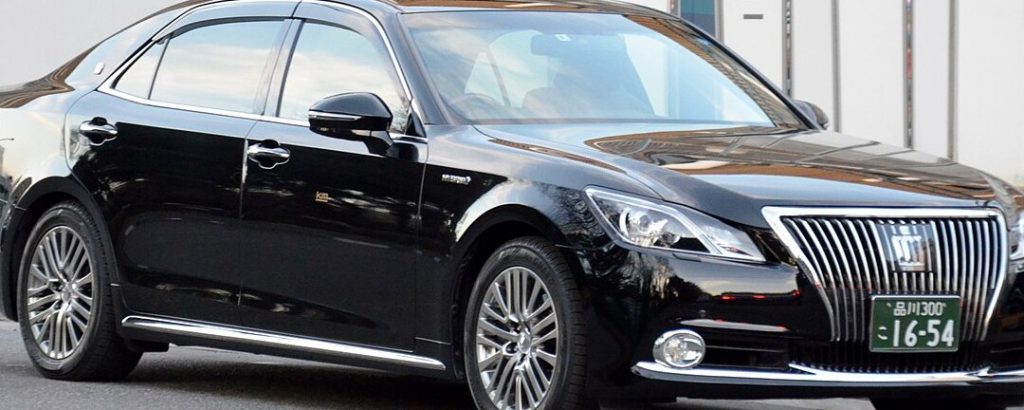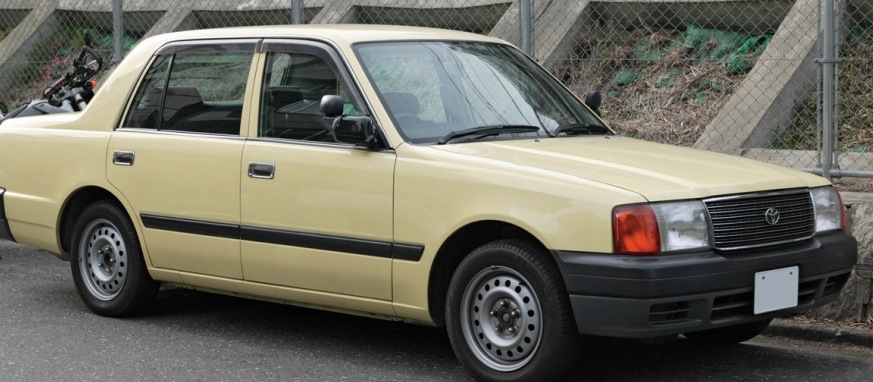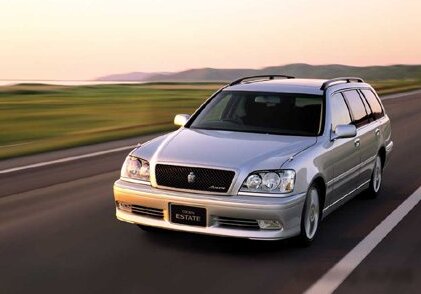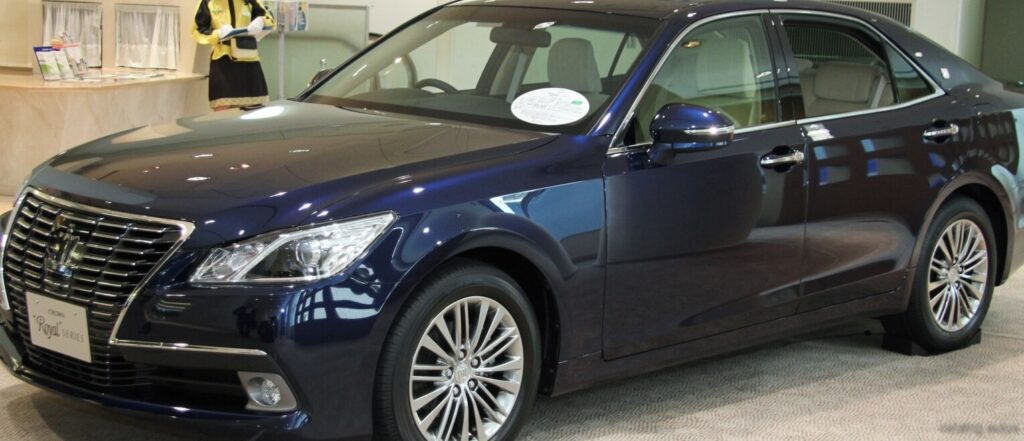
The Toyota Crown XIV Royal (S210, facelifted in 2016) represents a significant iteration of Toyota’s flagship sedan, primarily aimed at the Japanese domestic market (JDM). This particular variant, equipped with the 2.5-liter D-4S hybrid powertrain and all-wheel drive (4WD) paired with an e-CVT transmission, was produced from 2016 to 2018. It occupied a middle-to-upper position within the Crown XIV Royal lineup, offering a balance of fuel efficiency, refined performance, and luxury features. The S210 generation, and this facelift specifically, continued the Crown’s tradition as a symbol of Japanese automotive engineering and a comfortable, prestigious ride.
Technical Specifications
| Brand | Toyota |
| Model | Crown |
| Generation | Crown XIV Royal (S210, facelift 2016) |
| Type (Engine) | 2.5 D-4S (178+143 Hp) Hybrid 4WD e-CVT |
| Start of production | 2016 |
| End of production | 2018 |
| Powertrain Architecture | FHEV (Full Hybrid Electric Vehicle) |
| Body type | Sedan |
| Seats | 5 |
| Doors | 4 |
| Fuel Type | Petrol (Gasoline) |
| Weight-to-power ratio | 9.7 kg/Hp, 102.9 Hp/tonne |
| Weight-to-torque ratio | 7.8 kg/Nm, 127.7 Nm/tonne |
| Battery technology | Nickel-metal hydride (NiMH) |
| Battery location | Behind the back wall of the passenger cabin |
| Electric motor power | 143 Hp |
| Electric motor Torque | 300 Nm (221.27 lb.-ft.) |
| Electric motor model/code | 1KM |
| Electric motor location | Integrated into the transmission |
| Electric motor type | Synchronous |
| Power | 178 Hp @ 6000 rpm |
| Power per litre | 71.4 Hp/l |
| Torque | 221 Nm @ 4200-4800 rpm (163 lb.-ft. @ 4200-4800 rpm) |
| Engine layout | Front, Longitudinal |
| Engine Model/Code | 2AR-FSE |
| Engine displacement | 2493 cm3 (152.13 cu. in.) |
| Number of cylinders | 4 |
| Engine configuration | Inline |
| Cylinder Bore | 90 mm (3.54 in.) |
| Piston Stroke | 98 mm (3.86 in.) |
| Compression ratio | 13:1 |
| Number of valves per cylinder | 4 |
| Fuel injection system | Direct injection and Multi-port manifold injection |
| Engine aspiration | Naturally aspirated engine |
| Valvetrain | DOHC |
| Engine oil capacity | 4.5 l (4.76 US qt | 3.96 UK qt) |
| Coolant | 8.2 l (8.66 US qt | 7.21 UK qt) |
| Kerb Weight | 1730 kg (3814 lbs.) |
| Max. weight | 2005 kg (4420.27 lbs.) |
| Max load | 275 kg (606.27 lbs.) |
| Fuel tank capacity | 65 l (17.17 US gal | 14.3 UK gal) |
| Length | 4895 mm (192.72 in.) |
| Width | 1800 mm (70.87 in.) |
| Height | 1475 mm (58.07 in.) |
| Wheelbase | 2850 mm (112.2 in.) |
| Front track | 1545 mm (60.83 in.) |
| Rear (Back) track | 1540 mm (60.63 in.) |
| Ride height (ground clearance) | 155 mm (6.1 in.) |
| Minimum turning circle (turning diameter) | 10.8 m (35.43 ft.) |
| Drivetrain Architecture | The Internal combustion engine (ICE) and the electric motor permanently drive the four wheels of the car with the ability to work in full electric or mixed mode. |
| Drive wheel | All wheel drive (4×4) |
| Number of gears and type of gearbox | automatic transmission e-CVT |
| Front suspension | Double wishbone |
| Rear suspension | Independent multi-link suspension |
| Front brakes | Ventilated discs |
| Rear brakes | Disc |
| Assisting systems | ABS (Anti-lock braking system) |
| Steering type | Steering rack and pinion |
| Power steering | Electric Steering |
| Tires size | 215/60 R16; 215/55 R17; 225/45 R18 |
| Wheel rims size | 7J x 16; 7.5J x 17; 8J x 18 |
INTRODUCTION
The Toyota Crown XIV Royal (S210) facelift, introduced in 2016, continued the Crown’s legacy as Toyota’s premier sedan in Japan. The “Royal” designation signified a higher level of trim and luxury compared to other Crown variants. This facelift brought subtle styling updates, improved safety features, and refinements to the hybrid powertrain. The 2.5 D-4S Hybrid 4WD e-CVT model was positioned as a sophisticated and efficient option for buyers seeking a comfortable and technologically advanced vehicle. It was designed to appeal to a demographic valuing prestige, reliability, and a smooth driving experience. The S210 generation is built on the 1HX0 platform, known for its comfortable ride and spacious interior.
Powertrain & Engine Architecture
At the heart of this Crown variant lies Toyota’s 2AR-FSE 2.5-liter inline-four cylinder engine. This engine utilizes Toyota’s D-4S direct and port fuel injection system, optimizing combustion efficiency and power delivery. The D-4S system combines the benefits of direct injection for improved fuel economy and reduced emissions with port injection for enhanced throttle response and power at higher engine speeds. The engine features a double overhead camshaft (DOHC) valvetrain and a high compression ratio of 13:1, contributing to its performance.
The hybrid system integrates a 143 horsepower electric motor (model 1KM) with the 2AR-FSE engine. This electric motor is seamlessly integrated into the e-CVT transmission, a key component of Toyota’s Hybrid Synergy Drive. The e-CVT isn’t a traditional continuously variable transmission; it’s an electronically controlled power-split device that intelligently combines the output of the engine and electric motor to maximize efficiency and performance. The nickel-metal hydride (NiMH) battery pack is located behind the rear seats, providing a relatively compact and efficient energy storage solution. The powertrain operates in various modes, including EV mode for short distances at low speeds, and a hybrid mode where the engine and motor work in concert.
Driving Characteristics
The 2.5L Hybrid 4WD configuration delivers a smooth and refined driving experience. While not overtly sporty, the combined output of 221 horsepower provides adequate acceleration for everyday driving and highway cruising. The e-CVT transmission contributes to seamless acceleration, eliminating the stepped gear changes of a conventional automatic. The all-wheel-drive system enhances traction and stability, particularly in inclement weather conditions. Compared to the more powerful Crown variants (like those with larger engines), this version prioritizes fuel efficiency and a comfortable ride over outright performance. The steering is light and precise, making it easy to maneuver in urban environments. The suspension is tuned for comfort, absorbing bumps and imperfections in the road surface effectively.
Equipment & Trim Levels
The Crown XIV Royal typically came well-equipped, even in its standard form. Features included leather upholstery, woodgrain interior trim, automatic climate control, a touchscreen infotainment system, and a suite of safety technologies. The 2.5L Hybrid 4WD variant often included features like adaptive cruise control, lane departure warning, and automatic emergency braking. Optional extras could include a premium sound system, navigation system, and power-adjustable seats with memory function. The interior design emphasized luxury and comfort, with a focus on high-quality materials and a spacious cabin.
Chassis & Braking
The Crown XIV Royal utilizes a double wishbone suspension setup at the front and an independent multi-link suspension at the rear, providing a comfortable and controlled ride. The chassis is designed for rigidity, contributing to handling stability and reduced noise, vibration, and harshness (NVH). Braking duties are handled by ventilated discs at the front and solid discs at the rear, providing adequate stopping power. The inclusion of ABS (Anti-lock Braking System) enhances safety by preventing wheel lockup during hard braking. The electric power steering system provides a light and responsive steering feel.
Market Reception & Comparison
The Toyota Crown XIV Royal, including the 2.5L Hybrid 4WD variant, was well-received in the Japanese market. Critics praised its comfortable ride, refined interior, and fuel efficiency. Compared to other Crown trims, the hybrid model offered a compelling balance of performance and economy. While the larger-engined Crown variants provided more exhilarating acceleration, the hybrid version appealed to buyers prioritizing fuel savings and environmental consciousness. The Crown faced competition from other luxury sedans in Japan, such as the Nissan Fuga and the Honda Legend, but it maintained a strong reputation for reliability and prestige.
Legacy
The Toyota Crown XIV Royal (S210) 2.5 D-4S Hybrid 4WD e-CVT remains a respected vehicle in the used car market. The hybrid powertrain is known for its reliability, and the Crown’s overall build quality is highly regarded. While older NiMH batteries may require eventual replacement, the powertrain itself is generally durable. The Crown’s reputation for comfort, reliability, and prestige continues to attract buyers seeking a well-maintained and luxurious Japanese sedan. It represents a significant chapter in Toyota’s history, showcasing the company’s commitment to innovation and quality.