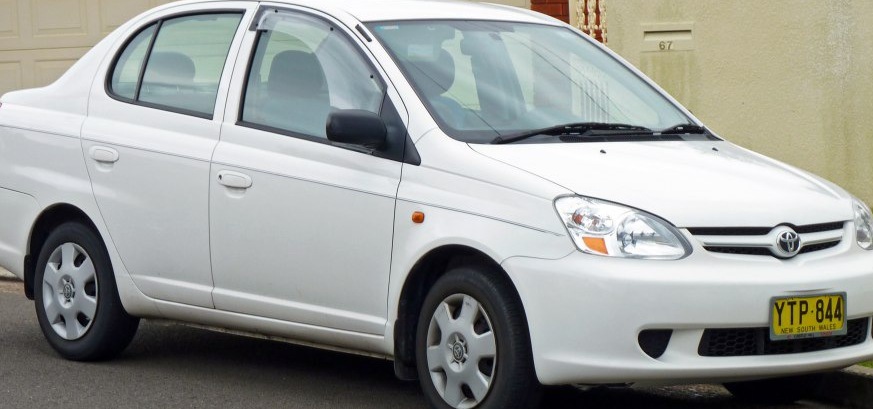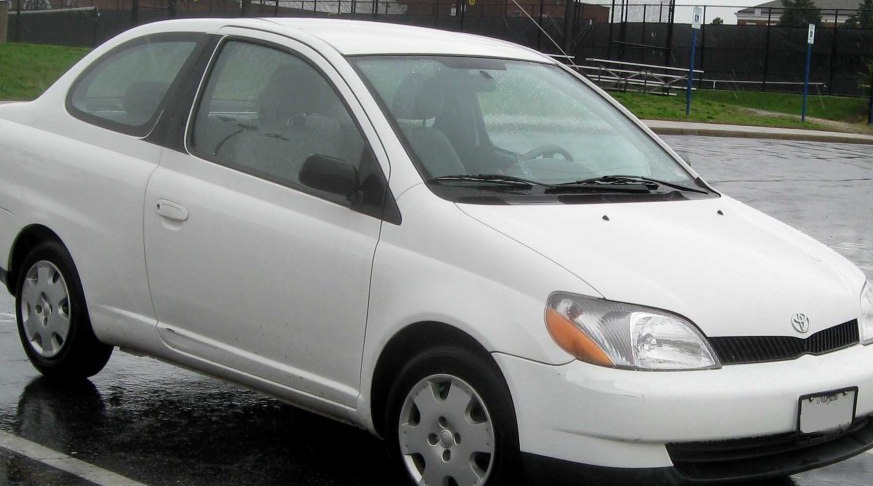
The Toyota Echo Coupe 1.5i 16V, produced between 1999 and 2005, represented Toyota’s entry into the subcompact coupe market. Positioned as an affordable and fuel-efficient option, the Echo Coupe aimed to provide basic transportation with a focus on reliability and practicality. It was part of the broader Echo family, sharing its platform and core mechanical components with the four-door Echo sedan. The coupe variant, distinguished by its two-door body style, offered a slightly more sporty aesthetic while maintaining the Echo’s core values. This 109 horsepower version, paired with a five-speed manual transmission, was a common configuration, offering a balance between performance and economy.
Technical Specifications
| Brand | Toyota |
| Model | Echo |
| Generation | Echo Coupe |
| Type (Engine) | 1.5i 16V (109 Hp) |
| Start of production | 1999 |
| End of production | 2005 |
| Powertrain Architecture | Internal Combustion engine |
| Body type | Coupe |
| Seats | 5 |
| Doors | 2 |
| Fuel Type | Petrol (Gasoline) |
| Maximum speed | 180 km/h (111.85 mph) |
| Weight-to-power ratio | 8.3 kg/Hp, 119.8 Hp/tonne |
| Weight-to-torque ratio | 6.4 kg/Nm, 157.1 Nm/tonne |
| Power | 109 Hp @ 6000 rpm |
| Power per litre | 72.9 Hp/l |
| Torque | 143 Nm @ 4200 rpm (105.47 lb.-ft. @ 4200 rpm) |
| Engine layout | Front, Transverse |
| Engine Model/Code | 1NZ-FE |
| Engine displacement | 1496 cm3 (91.29 cu. in.) |
| Number of cylinders | 4 |
| Engine configuration | Inline |
| Cylinder Bore | 75 mm (2.95 in.) |
| Piston Stroke | 84.7 mm (3.33 in.) |
| Compression ratio | 10.5:1 |
| Number of valves per cylinder | 4 |
| Fuel injection system | Multi-port manifold injection |
| Engine aspiration | Naturally aspirated engine |
| Valvetrain | DOHC |
| Engine oil capacity | 3.7 l (3.91 US qt | 3.26 UK qt) |
| Coolant | 4.4 l (4.65 US qt | 3.87 UK qt) |
| Kerb Weight | 910 kg (2006.21 lbs.) |
| Max. weight | 1185 kg (2612.48 lbs.) |
| Max load | 275 kg (606.27 lbs.) |
| Trunk (boot) space – minimum | 435 l (15.36 cu. ft.) |
| Fuel tank capacity | 45 l (11.89 US gal | 9.9 UK gal) |
| Length | 4145 mm (163.19 in.) |
| Width | 1660 mm (65.35 in.) |
| Height | 1500 mm (59.06 in.) |
| Wheelbase | 2370 mm (93.31 in.) |
| Front track | 1440 mm (56.69 in.) |
| Rear (Back) track | 1420 mm (55.91 in.) |
| Drivetrain Architecture | The Internal combustion engine (ICE) drives the front wheels of the vehicle. |
| Drive wheel | Front wheel drive |
| Number of gears and type of gearbox | 5 gears, manual transmission |
| Front suspension | Wishbone |
| Rear suspension | Coil spring |
| Front brakes | Ventilated discs |
| Rear brakes | Drum |
| Steering type | Steering rack and pinion |
| Power steering | Hydraulic Steering |
| Tires size | 175/65 R14 S |
Powertrain & Engine Architecture
The Echo Coupe 1.5i 16V was powered by the 1NZ-FE engine, a 1.5-liter inline-four cylinder engine. This engine was a key component of Toyota’s New Generation Family engine series, known for its compact size, lightweight construction, and fuel efficiency. The 1NZ-FE featured a double overhead camshaft (DOHC) valvetrain with four valves per cylinder, contributing to its relatively high output for its displacement. Fuel delivery was handled by a multi-port fuel injection system, optimizing combustion and reducing emissions. The engine’s aluminum cylinder head and block helped to minimize weight. The five-speed manual transmission was a standard offering, providing drivers with good control over the engine’s power band. The transmission was chosen for its simplicity and durability, aligning with the Echo’s overall focus on practicality.
Driving Characteristics
The 109 horsepower output of the 1.5i 16V engine, coupled with the five-speed manual transmission, provided adequate performance for everyday driving. Acceleration was not particularly brisk, but the engine felt responsive within its optimal operating range. The gear ratios were well-matched to the engine’s torque curve, allowing for smooth and predictable power delivery. Compared to higher-output versions (which weren’t offered in the coupe), this configuration prioritized fuel economy over outright speed. The manual transmission allowed drivers to maximize engine braking and maintain better control in various driving conditions. While not a sports car, the Echo Coupe offered a reasonably engaging driving experience for its class.
Equipment & Trim Levels
The Echo Coupe 1.5i 16V was generally offered with a fairly basic level of standard equipment, reflecting its position as an affordable vehicle. Standard features typically included air conditioning, power steering, and an AM/FM radio. Interior upholstery was typically cloth, with a simple and functional dashboard layout. Optional extras could include power windows and locks, and a CD player. The trim levels were relatively limited, with most Echo Coupes being equipped similarly. The focus was on providing essential features without adding unnecessary cost.
Chassis & Braking
The Echo Coupe featured a front-wheel-drive layout with a relatively simple suspension system. The front suspension utilized a wishbone design, while the rear suspension employed a coil spring setup. This configuration provided a comfortable ride quality, although handling was not particularly sporty. The braking system consisted of ventilated discs at the front and drum brakes at the rear. This setup was adequate for the vehicle’s weight and performance capabilities. The steering was rack and pinion, providing precise and responsive steering feel. The tires were typically 175/65 R14 size, offering a good balance between grip and fuel efficiency.
Market Reception & Comparison
The Toyota Echo Coupe was generally well-received by critics for its fuel efficiency, reliability, and affordability. However, it was often criticized for its basic interior and lack of refinement. Compared to other subcompact coupes of the time, such as the Honda Civic Coupe, the Echo offered a more utilitarian experience. Its fuel economy was a significant selling point, making it an attractive option for budget-conscious buyers. The Echo’s reliability also contributed to its positive reputation. The manual transmission version was favored by those seeking a more engaging driving experience and better fuel economy than an automatic would provide.
Legacy
The Toyota Echo, including the Coupe variant, established a reputation for exceptional reliability and longevity. The 1NZ-FE engine is known for its durability and relatively low maintenance costs. Today, well-maintained Echo Coupes can still be found on the road, a testament to their build quality. In the used car market, the Echo Coupe remains an affordable and practical option for those seeking basic transportation. While it may not offer the features or performance of more modern vehicles, its simplicity and reliability continue to appeal to a certain segment of buyers. The Echo’s legacy lies in its ability to provide dependable transportation at a low cost, solidifying Toyota’s reputation for building long-lasting vehicles.