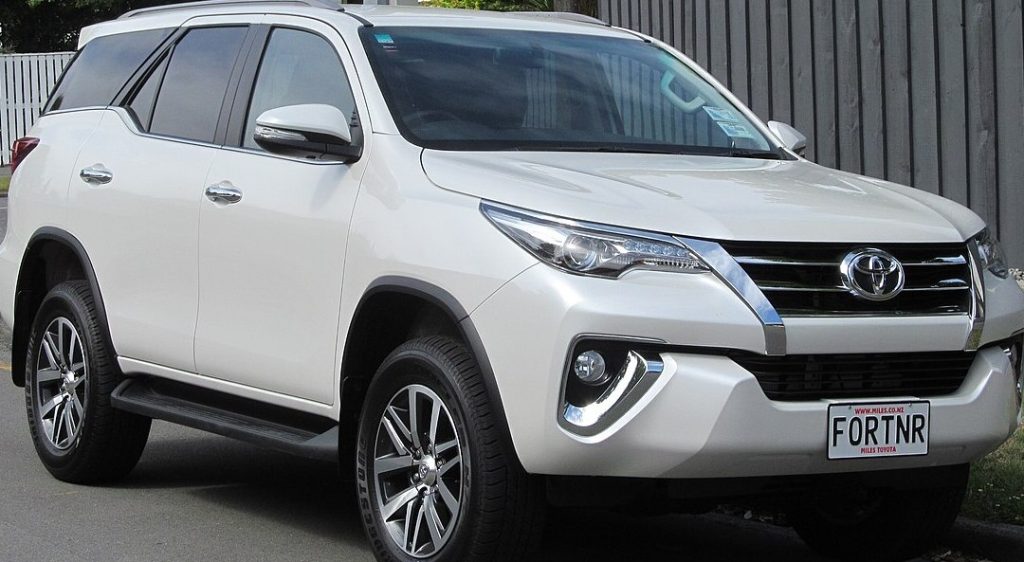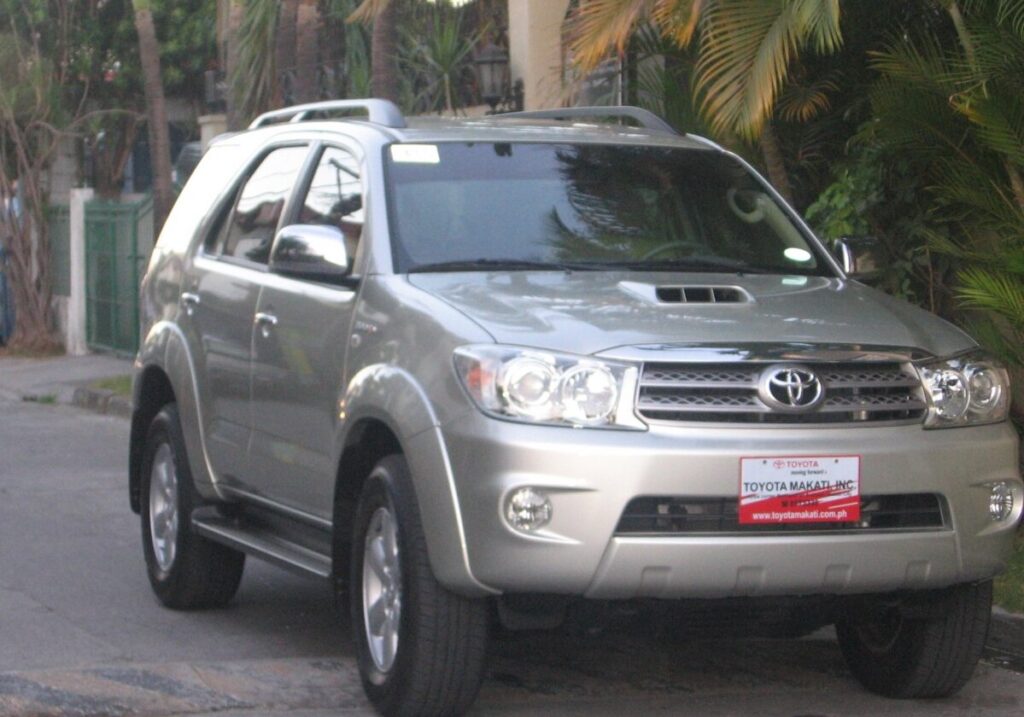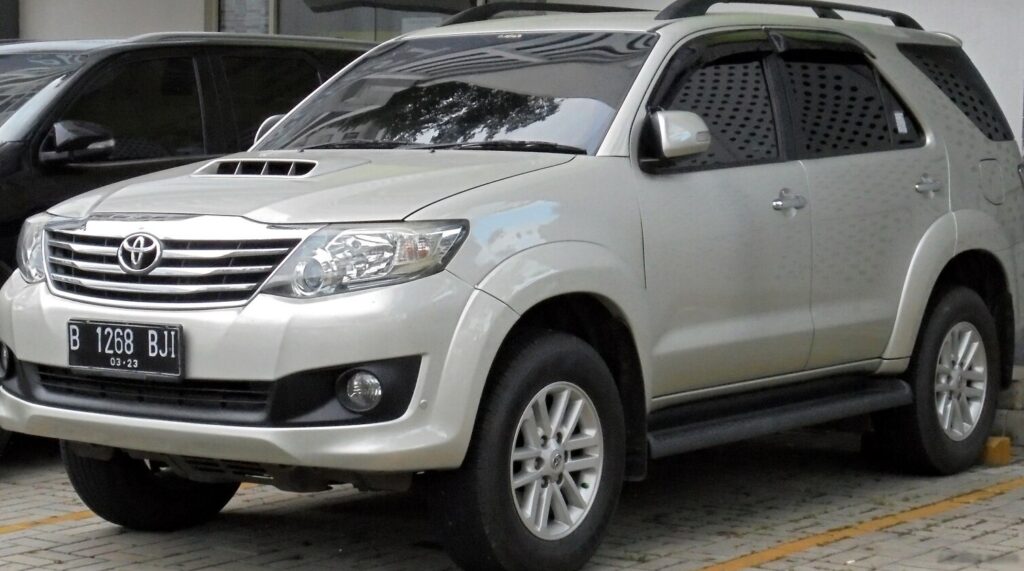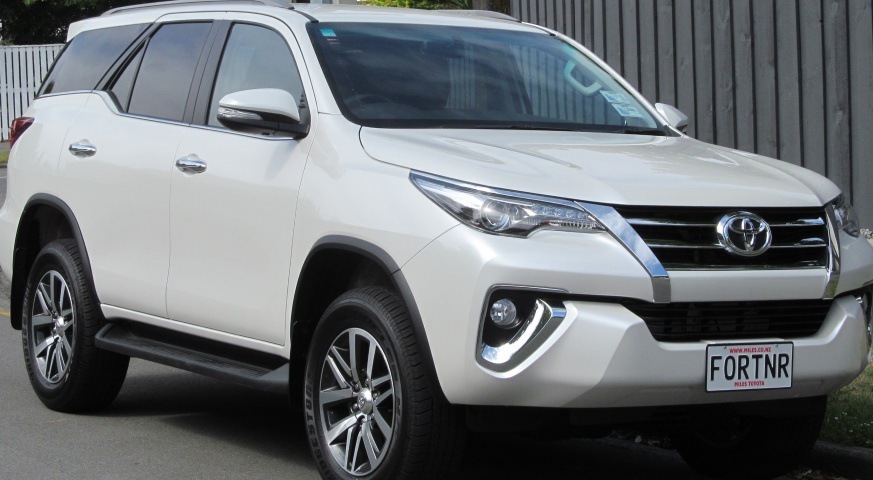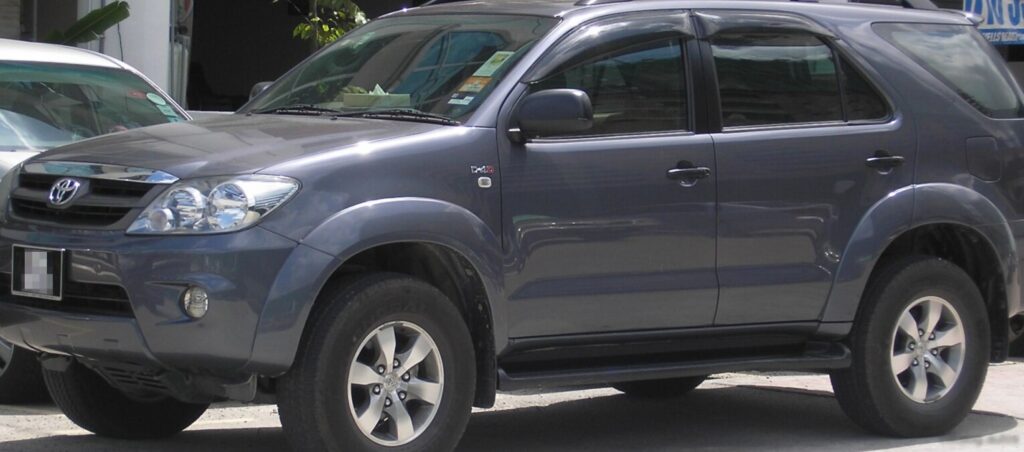
The Toyota Fortuner I 3.0 D-4D (163 hp) was a mid-size SUV produced between 2004 and 2008, representing the first generation of the Fortuner model. Built upon the Toyota Hilux platform (AN150 series), the Fortuner was designed to offer a more comfortable and family-oriented alternative to the Hilux pickup, while retaining its robust four-wheel-drive capabilities. This particular variant, powered by the 1KD-FTV 3.0-liter diesel engine and paired with a five-speed manual transmission, occupied a key position in the Fortuner lineup, offering a balance between performance, fuel efficiency, and affordability. It was primarily marketed in regions like Asia, Africa, South America, and Australia, where demand for rugged, seven-seat SUVs was high.
Technical Specifications
| Brand | Toyota |
| Model | Fortuner |
| Generation | Fortuner I |
| Type (Engine) | 3.0 D-4D (163 Hp) |
| Start of production | 2004 |
| End of production | 2008 |
| Powertrain Architecture | Internal Combustion engine |
| Body type | SUV |
| Seats | 7 |
| Doors | 5 |
| Fuel consumption (urban) | 11.4 l/100 km (20.6 US mpg / 24.8 UK mpg) |
| Fuel consumption (extra urban) | 7.1 l/100 km (33.1 US mpg / 39.8 UK mpg) |
| Fuel Type | Diesel |
| Acceleration 0 – 100 km/h | 11.7 sec |
| Acceleration 0 – 62 mph | 11.7 sec |
| Acceleration 0 – 60 mph | 11.1 sec |
| Maximum speed | 173 km/h (107.5 mph) |
| Power | 163 Hp @ 3400 rpm |
| Torque | 343 Nm @ 1600 rpm (252.98 lb.-ft. @ 1600 rpm) |
| Engine layout | Front, Longitudinal |
| Engine Model/Code | 1KD-FTV |
| Engine displacement | 2982 cm3 (181.97 cu. in.) |
| Number of cylinders | 4 |
| Engine configuration | Inline |
| Cylinder Bore | 96 mm (3.78 in.) |
| Piston Stroke | 103 mm (4.06 in.) |
| Compression ratio | 18.4:1 |
| Number of valves per cylinder | 4 |
| Fuel injection system | Diesel Commonrail |
| Engine aspiration | Turbocharger, Intercooler |
| Valvetrain | DOHC |
| Engine oil capacity | 6.9 l (7.29 US qt | 6.07 UK qt) |
| Coolant | 9.8 l (10.36 US qt | 8.62 UK qt) |
| Length | 4695 mm (184.84 in.) |
| Width | 1840 mm (72.44 in.) |
| Height | 1795 mm (70.67 in.) |
| Wheelbase | 2750 mm (108.27 in.) |
| Drivetrain | All wheel drive (4×4) |
| Number of gears and type of gearbox | 5 gears, manual transmission |
Powertrain & Engine Architecture
The heart of the Fortuner I 3.0 D-4D is the 1KD-FTV engine, a 2.982-liter (181.97 cubic inches) inline-four cylinder diesel. This engine is a member of Toyota’s ‘KD’ engine family, known for its durability and reliability. The 1KD-FTV utilizes a common rail direct injection system, delivering fuel at extremely high pressure for improved combustion efficiency and reduced emissions. A turbocharger with an intercooler further enhances performance by forcing more air into the cylinders. The engine features a double overhead camshaft (DOHC) valvetrain with four valves per cylinder, optimizing airflow for increased power output. The five-speed manual transmission was a standard pairing, providing drivers with full control over gear selection. The engine’s longitudinal mounting allowed for a more traditional four-wheel-drive layout, with a transfer case enabling switching between two-wheel drive and four-wheel drive modes.
Driving Characteristics
The 163 hp and 343 Nm (252.98 lb-ft) of torque produced by the 1KD-FTV engine provided the Fortuner I 3.0 D-4D with adequate, though not exceptional, performance. Acceleration from 0 to 100 km/h (0-62 mph) took approximately 11.7 seconds, and the top speed was around 173 km/h (107.5 mph). The engine’s torque curve was relatively flat, delivering usable power across a wide rev range, making it well-suited for off-road driving and towing. Compared to the later, more powerful 4.0-liter V6 variants, the 3.0 D-4D felt less refined and had a more noticeable diesel engine sound. However, it offered significantly better fuel economy. The manual transmission provided a more engaging driving experience than the optional automatic, allowing for precise gear changes and better control in challenging terrain. The gear ratios were tuned for a balance of on-road cruising and off-road capability.
Equipment & Trim Levels
The Fortuner I 3.0 D-4D typically came with a reasonable level of standard equipment, focusing on practicality and durability. Standard features included air conditioning, power windows, power steering, and a basic audio system. Interior upholstery was typically cloth, with durable plastic trim. Higher trim levels offered upgrades such as alloy wheels, a more sophisticated audio system, and optional features like a sunroof and leather upholstery. Safety features included dual front airbags and ABS brakes. The Fortuner was designed to be a versatile vehicle, capable of carrying seven passengers and a significant amount of cargo. The rear seats could be folded down to create more space, and the tailgate provided easy access to the luggage area.
Chassis & Braking
The Fortuner I’s chassis was based on the Toyota Hilux, utilizing a body-on-frame construction for enhanced strength and durability. The suspension consisted of double wishbones at the front and a multi-link setup at the rear. This configuration provided a comfortable ride on paved roads while maintaining good off-road capability. Braking duties were handled by ventilated disc brakes at the front and drum brakes at the rear. The braking system was adequate for the vehicle’s weight and performance, but lacked the stopping power of more modern SUVs. A stabilizer bar was fitted to both the front and rear axles to reduce body roll during cornering.
Market Reception & Comparison
The Toyota Fortuner I 3.0 D-4D was generally well-received by critics and consumers alike. It was praised for its ruggedness, reliability, and spacious interior. The 3.0-liter diesel engine was considered a good compromise between performance and fuel economy. Compared to the more expensive 4.0-liter V6 models, the 3.0 D-4D offered a more affordable entry point into the Fortuner range. However, some critics noted that the engine was somewhat noisy and lacked the refinement of its competitors. Fuel economy was a strong point, with the 3.0 D-4D achieving around 7.1 l/100 km (33.1 US mpg) on the extra urban cycle. Reliability was a key strength, with the 1KD-FTV engine proving to be exceptionally durable.
Legacy
The Toyota Fortuner I 3.0 D-4D has proven to be a remarkably reliable and long-lasting vehicle. The 1KD-FTV engine is known for its ability to withstand high mileage and harsh conditions. In the used car market, these Fortuners remain popular due to their affordability, durability, and off-road capability. While maintenance costs can be higher than for some other SUVs, the overall cost of ownership is generally reasonable. The Fortuner I laid the foundation for the continued success of the Fortuner model, which has become a popular choice for families and adventurers in many parts of the world. The 3.0 D-4D variant, in particular, remains a sought-after option for those seeking a rugged and reliable SUV with good fuel economy.