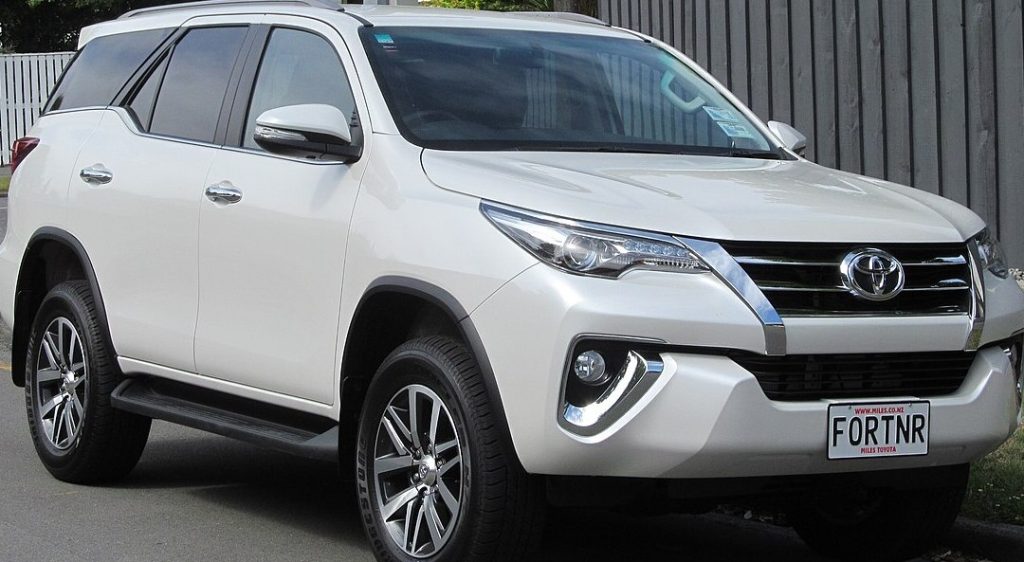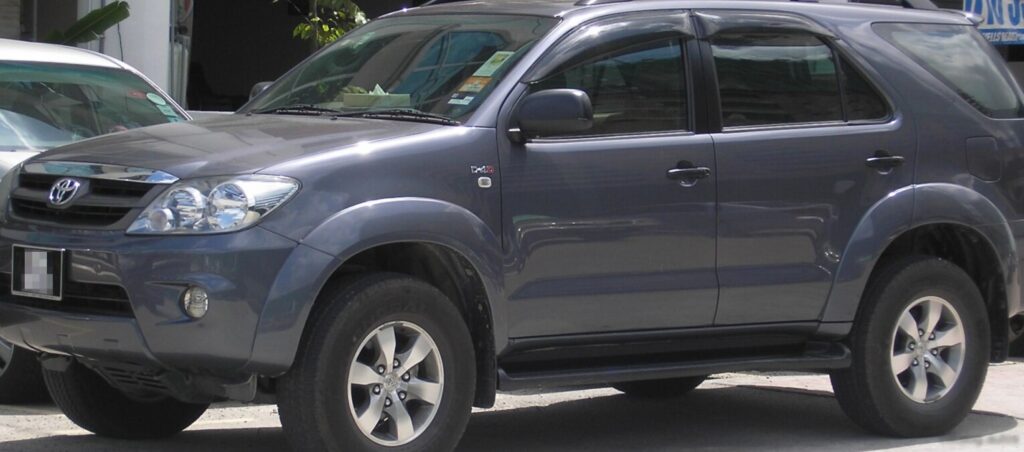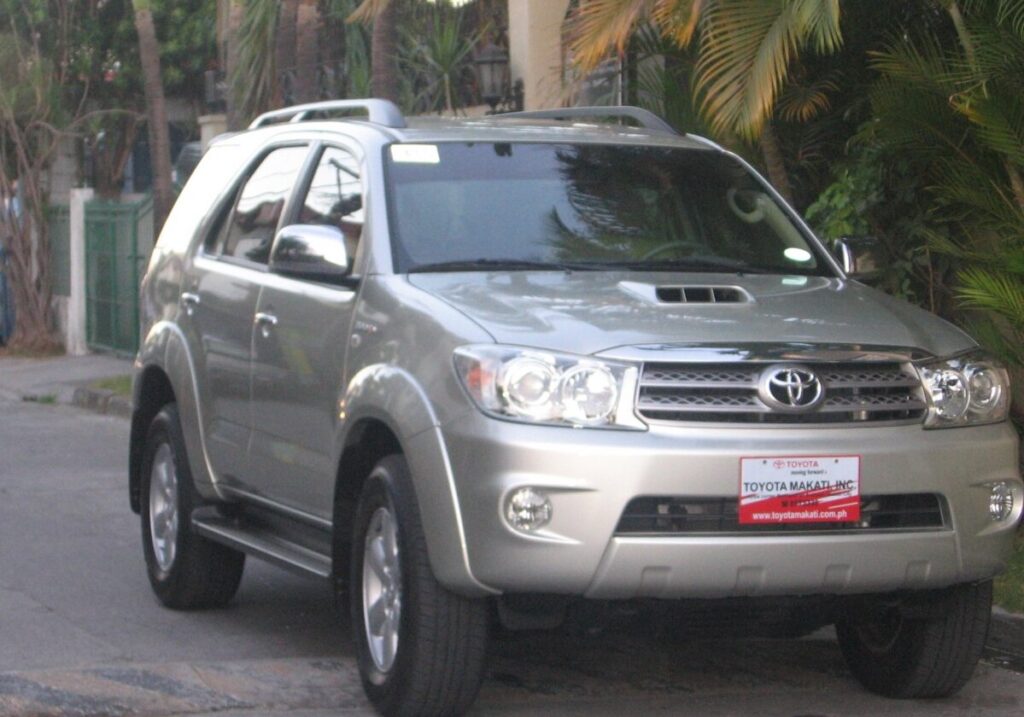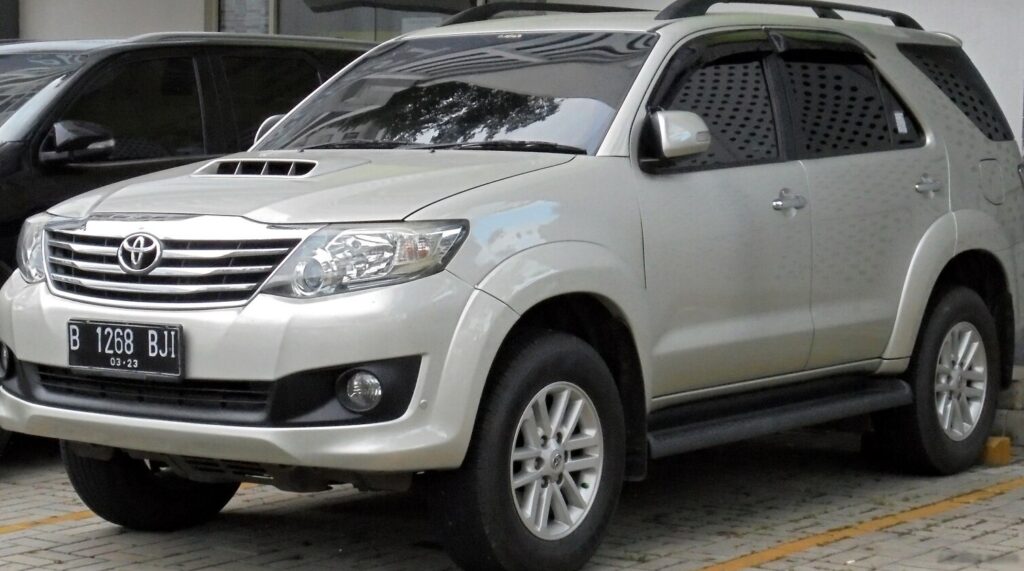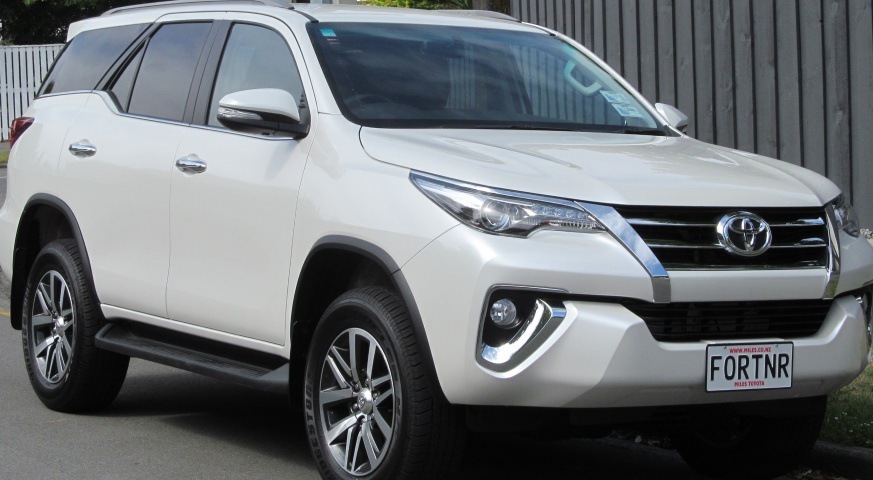
The Toyota Fortuner II 2.8 D-4D Automatic, produced between 2015 and 2020, represents a significant iteration of Toyota’s popular body-on-frame SUV. Positioned as a mid-to-high range trim within the second-generation Fortuner (launched in 2015), this variant catered to buyers seeking a blend of off-road capability, family practicality, and a more refined driving experience than the base models. It was primarily marketed in regions like Southeast Asia, Australia, South Africa, and parts of South America, where robust SUVs with diesel engines are highly valued. The Fortuner II builds upon the foundation of the first-generation model, offering improved comfort, safety features, and a more powerful engine option.
Technical Specifications
| Brand | Toyota |
| Model | Fortuner |
| Generation | Fortuner II |
| Type (Engine) | 2.8 D-4D (177 Hp) Automatic |
| Start of production | 2015 |
| End of production | 2020 |
| Powertrain Architecture | Internal Combustion engine |
| Body type | SUV |
| Seats | 7 |
| Doors | 5 |
| Fuel consumption (combined) | 8 l/100 km (29.4 US mpg, 35.3 UK mpg, 12.5 km/l) |
| CO2 emissions | 212 g/km |
| Fuel Type | Diesel |
| Acceleration 0 – 100 km/h | 10.8 sec |
| Acceleration 0 – 62 mph | 10.8 sec |
| Acceleration 0 – 60 mph | 10.3 sec |
| Maximum speed | 180 km/h (111.85 mph) |
| Weight-to-power ratio | 14.7 kg/Hp, 67.8 Hp/tonne |
| Weight-to-torque ratio | 5.8 kg/Nm, 172.4 Nm/tonne |
| Power | 177 Hp @ 3400 rpm |
| Power per litre | 64.2 Hp/l |
| Torque | 450 Nm @ 1600-2400 rpm (331.9 lb.-ft. @ 1600-2400 rpm) |
| Engine layout | Front, Longitudinal |
| Engine Model/Code | 1GD-FTV |
| Engine displacement | 2755 cm3 (168.12 cu. in.) |
| Number of cylinders | 4 |
| Engine configuration | Inline |
| Cylinder Bore | 92 mm (3.62 in.) |
| Piston Stroke | 103.6 mm (4.08 in.) |
| Compression ratio | 15.6:1 |
| Number of valves per cylinder | 4 |
| Fuel injection system | Diesel Commonrail |
| Engine aspiration | Turbocharger, Intercooler |
| Valvetrain | DOHC |
| Engine oil capacity | 7.5 l (7.93 US qt | 6.6 UK qt) |
| Coolant | 9.1 l (9.62 US qt | 8.01 UK qt) |
| Kerb Weight | 2610 kg (5754.07 lbs.) |
| Fuel tank capacity | 80 l (21.13 US gal | 17.6 UK gal) |
| Length | 4795 mm (188.78 in.) |
| Width | 1855 mm (73.03 in.) |
| Height | 1835 mm (72.24 in.) |
| Wheelbase | 2745 mm (108.07 in.) |
| Minimum turning circle | 11.6 m (38.06 ft.) |
| Drivetrain Architecture | Rear wheel drive |
| Number of gears | 6 |
| Gearbox type | Automatic transmission |
| Front suspension | Double wishbone |
| Rear suspension | Independent multi-link suspension |
| Front brakes | Ventilated discs |
| Rear brakes | Ventilated discs |
| Assisting systems | ABS (Anti-lock braking system) |
| Tires size | 265/65 R17 |
| Wheel rims size | 17 |
Powertrain & Engine Architecture
The heart of the Fortuner II 2.8 D-4D Automatic is the 1GD-FTV engine, a 2.8-liter inline-four cylinder diesel. This engine is a member of Toyota’s GD series, known for its durability and efficiency. The 1GD-FTV utilizes a common-rail direct injection system, delivering fuel at extremely high pressure for optimized combustion. A variable geometry turbocharger (VGT) and intercooler further enhance performance and reduce emissions. The engine produces 177 horsepower at 3400 rpm and a substantial 450 Nm (331.9 lb-ft) of torque between 1600 and 2400 rpm. This broad torque curve is particularly beneficial for off-road driving and towing. The engine features a double overhead camshaft (DOHC) valvetrain with four valves per cylinder, contributing to its efficient operation. Paired with the engine is a six-speed automatic transmission, designed to provide smooth shifts and efficient power delivery. This transmission was chosen for its balance of responsiveness and ease of use, appealing to a wider range of drivers.
Driving Characteristics
The 2.8 D-4D Automatic offers a noticeable step up in performance compared to the lower-powered 2.4-liter engine options available in the Fortuner II range. While not a sports car, the engine provides ample power for highway cruising, overtaking, and tackling moderate off-road terrain. The automatic transmission is well-tuned, offering smooth gear changes and a responsive feel. The torque converter multiplies engine torque at lower speeds, providing strong acceleration from a standstill. However, the automatic transmission can sometimes feel slightly hesitant during quick downshifts. Compared to the six-speed manual transmission offered with the same engine, the automatic prioritizes comfort and convenience over outright performance. The gear ratios are optimized for fuel efficiency and everyday drivability, rather than aggressive acceleration. The Fortuner’s body-on-frame construction contributes to a more truck-like ride quality, which can be less refined than the unibody SUVs, but provides superior durability and off-road capability.
Equipment & Trim Levels
The 2.8 D-4D Automatic trim typically included a generous array of standard features. These commonly included automatic climate control, a touchscreen infotainment system with Bluetooth connectivity, power windows and locks, and keyless entry. Higher-spec versions often added features like leather upholstery, sunroof, and a rear parking camera. Safety features were also comprehensive, including ABS, multiple airbags, and stability control. Optional extras could include a premium audio system, navigation, and alloy wheels. The interior design was functional and durable, with a focus on practicality rather than luxury. The third-row seats were typically foldable, providing flexibility for passengers and cargo.
Chassis & Braking
The Fortuner II utilizes a robust body-on-frame chassis, providing a solid foundation for both on-road and off-road driving. The front suspension features a double wishbone setup, while the rear employs an independent multi-link suspension. This configuration aims to balance ride comfort with off-road articulation. Braking duties are handled by ventilated disc brakes on all four wheels, providing ample stopping power. An Anti-lock Braking System (ABS) is standard, enhancing safety during emergency braking situations. The Fortuner’s relatively high ground clearance and durable suspension components make it well-suited for tackling rough terrain. Stabilizer bars are fitted to both the front and rear axles to reduce body roll during cornering.
Market Reception & Comparison
The Toyota Fortuner II 2.8 D-4D Automatic was generally well-received by automotive critics and consumers alike. It was praised for its robust build quality, comfortable ride, and capable off-road performance. The 2.8-liter diesel engine was considered a significant improvement over the smaller 2.4-liter option, providing ample power for most driving situations. Fuel economy was respectable for a vehicle of its size and type, averaging around 8 liters per 100 kilometers (29.4 US mpg). Compared to competitors like the Mitsubishi Pajero Sport and Isuzu MU-X, the Fortuner offered a compelling combination of features, reliability, and resale value. Some critics noted that the interior design was somewhat dated and that the ride quality could be improved, but these were generally considered minor drawbacks.
Legacy
The 1GD-FTV engine, in general, has proven to be a reliable and durable powertrain. The Fortuner II 2.8 D-4D Automatic continues to hold its value in the used car market, thanks to Toyota’s reputation for reliability and the vehicle’s robust construction. While some maintenance items, such as the diesel particulate filter (DPF), may require attention over time, the engine is generally considered to be relatively trouble-free. The Fortuner II remains a popular choice for families and adventurers seeking a capable and dependable SUV. Its blend of practicality, off-road capability, and Toyota’s renowned reliability ensures its continued presence on roads and trails for years to come.