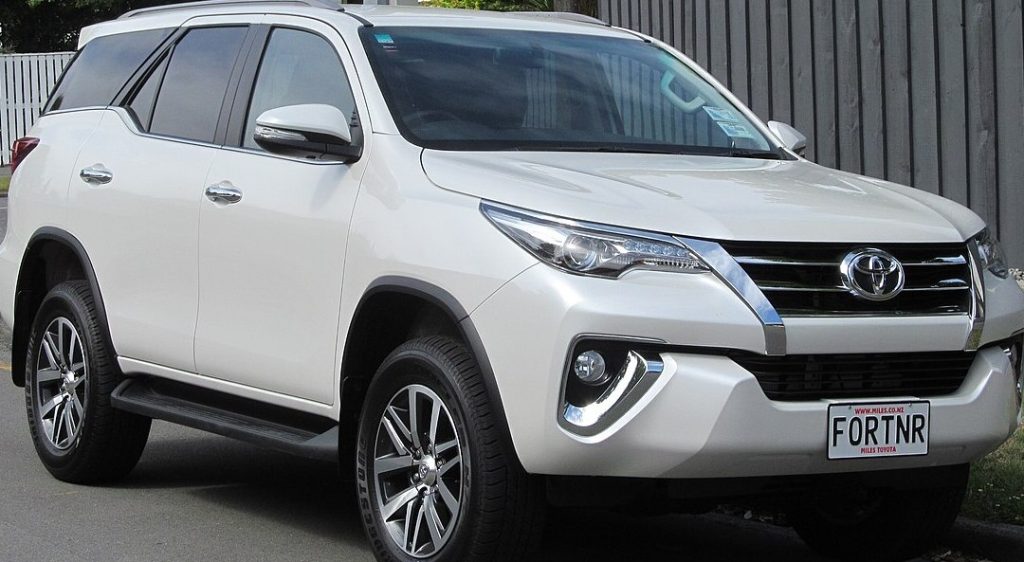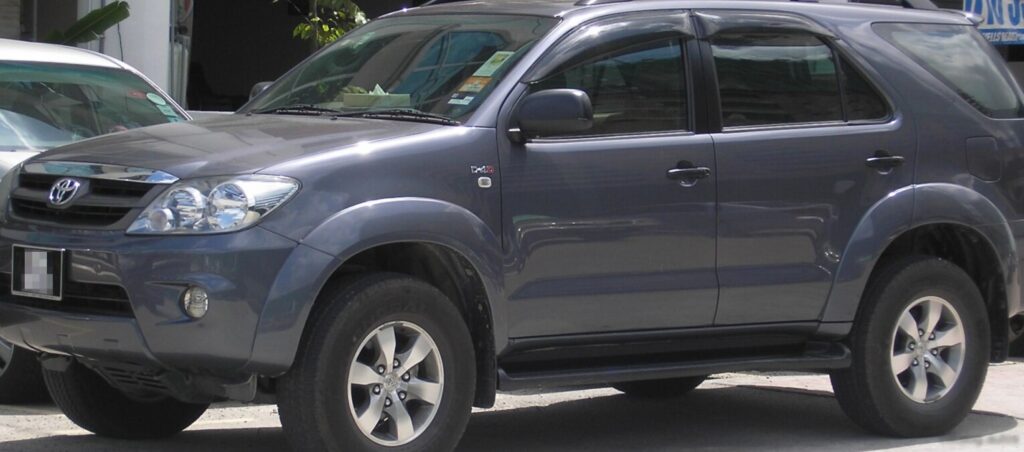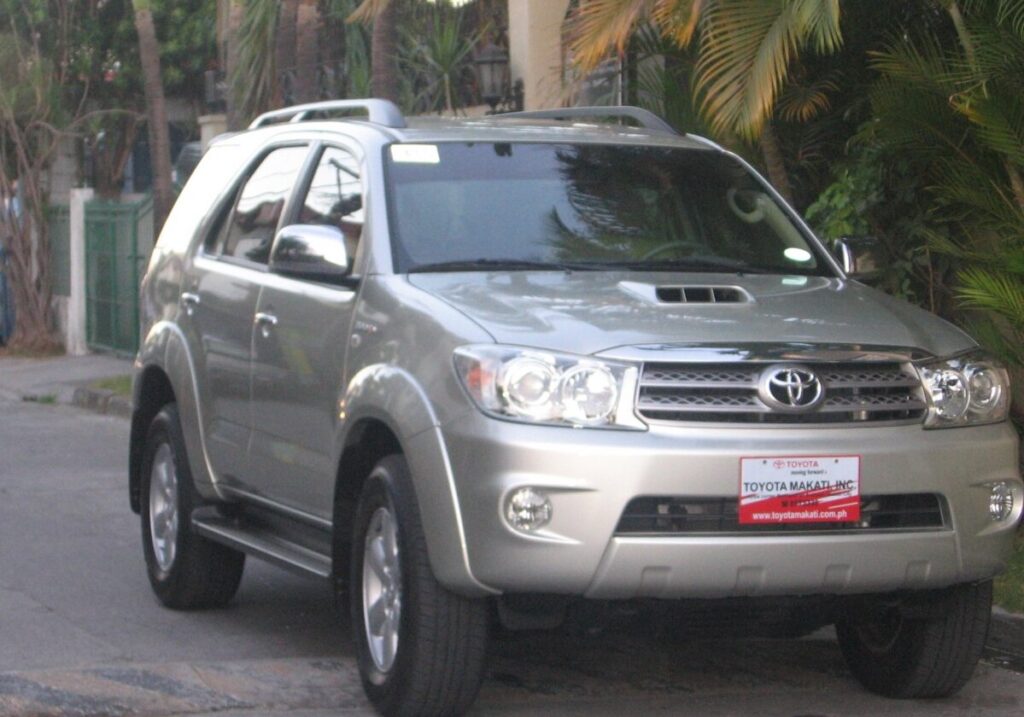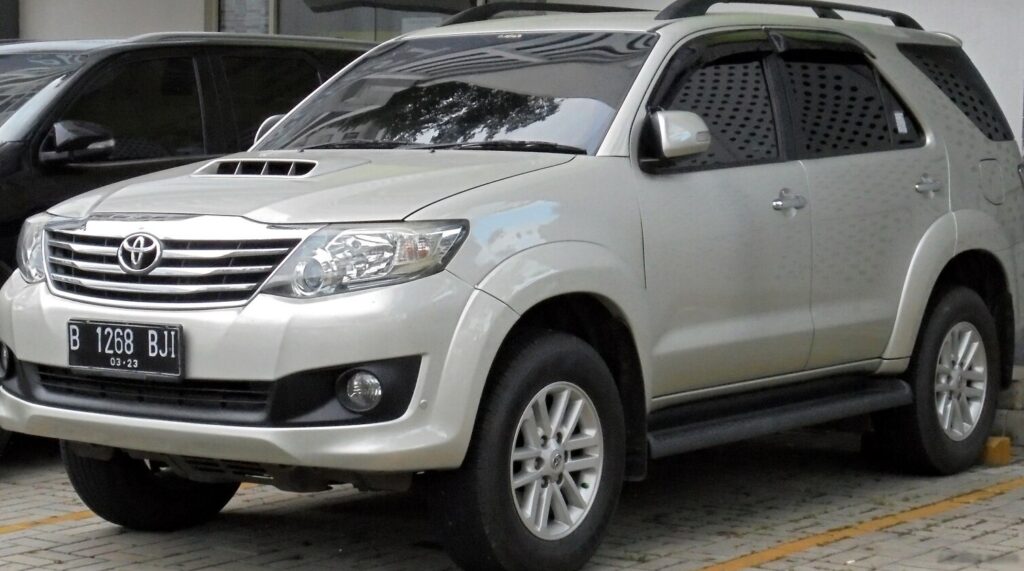
The Toyota Fortuner II, specifically the 2.4d variant introduced with the 2020 facelift, represents a significant iteration of Toyota’s popular mid-size SUV. Launched initially in 2005, the Fortuner was designed to provide a robust, body-on-frame SUV option, particularly catering to markets in Asia, Africa, South America, and Australia where durability and off-road capability are highly valued. The second generation, launched in 2015, and subsequently facelifted in 2020, aimed to refine the Fortuner’s design, improve interior comfort, and enhance its overall driving experience while retaining its core strengths. The 2.4d model, powered by the 2GD-FTV engine, served as a key offering in many markets, balancing fuel efficiency with adequate performance for everyday use and light off-roading. This variant typically occupied a mid-range position within the Fortuner lineup, offering a more accessible price point compared to the higher-output diesel options.
Technical Specifications
| Brand | Toyota |
| Model | Fortuner |
| Generation | Fortuner II (facelift 2020) |
| Type (Engine) | 2.4d (150 Hp) |
| Start of production | 2020 |
| Powertrain Architecture | Internal Combustion engine |
| Body type | SUV |
| Seats | 7 |
| Doors | 5 |
| Fuel Type | Diesel |
| Power | 150 Hp @ 3400 rpm |
| Power per litre | 62.7 Hp/l |
| Torque | 400 Nm @ 1600-2000 rpm (295.02 lb.-ft. @ 1600-2000 rpm) |
| Engine layout | Front, Longitudinal |
| Engine Model/Code | 2GD-FTV |
| Engine displacement | 2393 cm3 (146.03 cu. in.) |
| Number of cylinders | 4 |
| Engine configuration | Inline |
| Number of valves per cylinder | 4 |
| Fuel injection system | Diesel Commonrail |
| Engine aspiration | Turbocharger, Intercooler |
| Valvetrain | DOHC |
| Engine oil capacity | 7.5 l (7.93 US qt | 6.6 UK qt) |
| Coolant capacity | 8.7 l (9.19 US qt | 7.65 UK qt) |
| Fuel tank capacity | 80 l (21.13 US gal | 17.6 UK gal) |
| Length | 4795 mm (188.78 in.) |
| Width | 1855 mm (73.03 in.) |
| Height | 1835 mm (72.24 in.) |
| Drivetrain Architecture | Rear wheel drive, Internal Combustion engine (ICE) |
| Number of gears | 6 |
| Type of gearbox | Manual transmission |
| Front suspension | Double wishbone |
| Rear suspension | Independent multi-link suspension |
| Front brakes | Ventilated discs |
| Rear brakes | Ventilated discs |
| Assisting systems | ABS (Anti-lock braking system) |
| Steering type | Steering rack and pinion |
| Tires size | 265/65 R17 |
| Wheel rims size | 17 |
Powertrain & Engine Architecture
The heart of the 2.4d Fortuner is the 2GD-FTV engine, a 2.4-liter inline-four cylinder diesel. This engine is a member of Toyota’s GD series of diesel engines, known for their durability and efficiency. The 2GD-FTV utilizes a common-rail direct injection system, delivering fuel at extremely high pressure for optimized combustion. A turbocharger with an intercooler further enhances performance by forcing more air into the cylinders. The engine features a Double Overhead Camshaft (DOHC) valvetrain with four valves per cylinder, contributing to improved breathing and power output. The 2GD-FTV also incorporates features like a particulate filter to reduce emissions, aligning with increasingly stringent environmental regulations. The 6-speed manual transmission paired with this engine provides a balance between fuel economy and driver control.
Driving Characteristics
The 150 horsepower and 400 Nm (295 lb-ft) of torque produced by the 2.4d powertrain deliver adequate performance for everyday driving and moderate off-road conditions. While not as quick as the higher-output diesel variants, the 2.4d offers a more relaxed driving experience. The torque curve is relatively flat, providing good pulling power from low engine speeds, which is particularly useful when towing or navigating challenging terrain. The 6-speed manual transmission allows for precise gear selection, enabling drivers to optimize engine performance based on driving conditions. Compared to the automatic transmission options, the manual provides a more engaging driving experience and potentially slightly better fuel economy. However, it requires more driver involvement, especially in stop-and-go traffic. The Fortuner’s body-on-frame construction contributes to a more truck-like ride quality, which can be less refined than the unibody SUVs, but provides greater durability and off-road capability.
Equipment & Trim Levels
The 2.4d Fortuner typically came equipped with a range of standard features, including air conditioning, power windows, power door locks, and a basic audio system. Higher trim levels offered additional features such as alloy wheels, a touchscreen infotainment system with navigation, rear parking sensors, and a reverse camera. Interior upholstery generally consisted of fabric seats, with leather options available on higher trims. Safety features included ABS, airbags, and stability control. Optional extras often included a sunroof, upgraded audio systems, and various exterior styling enhancements. The specific equipment levels varied depending on the market and the chosen trim package.
Chassis & Braking
The Fortuner II utilizes a robust body-on-frame chassis, providing a solid foundation for both on-road and off-road driving. The front suspension consists of a double wishbone setup, while the rear features an independent multi-link suspension. This configuration aims to balance ride comfort with handling stability. Braking duties are handled by ventilated discs on all four wheels, providing adequate stopping power. The inclusion of ABS (Anti-lock Braking System) enhances safety by preventing wheel lockup during hard braking. The steering system employs a rack and pinion setup, offering precise and responsive steering feel.
Market Reception & Comparison
The 2.4d Fortuner was generally well-received in markets where it was offered, particularly among customers seeking a durable and capable SUV at a reasonable price point. Critics praised its reliability, off-road capability, and spacious interior. However, some reviewers noted that the 2.4d engine lacked the outright performance of the higher-output diesel options. Compared to the 2.8d variants, the 2.4d offered lower running costs due to its improved fuel economy, but at the expense of acceleration and towing capacity. Against competitors like the Mitsubishi Pajero Sport and Isuzu MU-X, the Fortuner stood out for its Toyota’s reputation for reliability and its comprehensive features list.
Legacy
The 2GD-FTV engine, found in the 2.4d Fortuner, has proven to be a reliable and durable powertrain. The Fortuner II, including the 2.4d variant, has maintained strong resale values in the used car market, reflecting its reputation for longevity and dependability. While newer generations of the Fortuner have introduced further refinements and technological advancements, the 2020 facelifted 2.4d model remains a popular choice for buyers seeking a capable and affordable SUV. Its robust construction and proven powertrain ensure that it will continue to be a common sight on roads and trails for years to come.