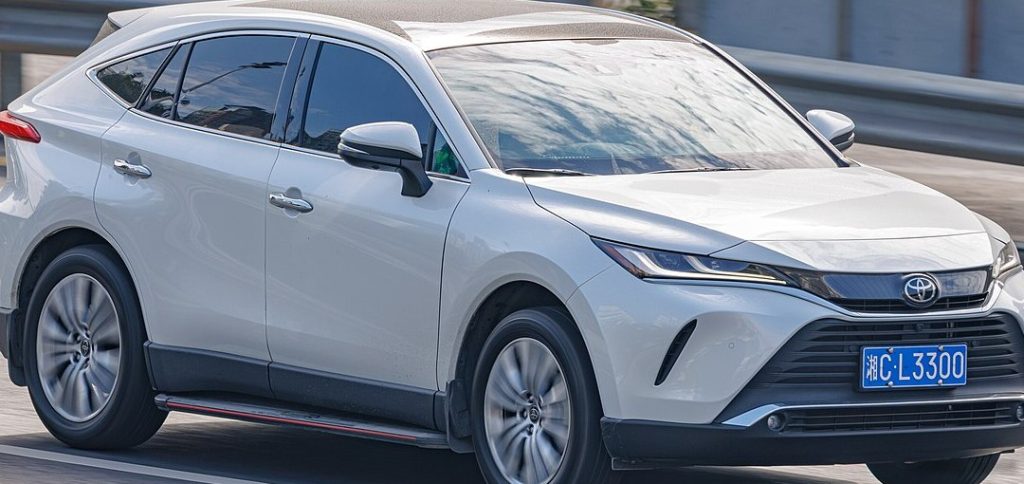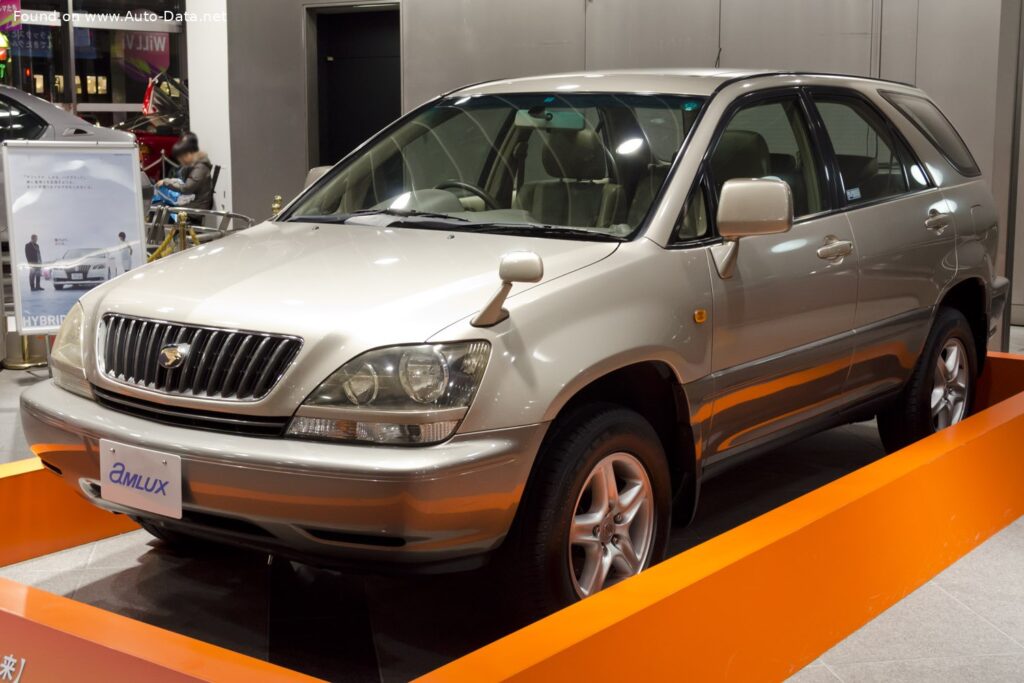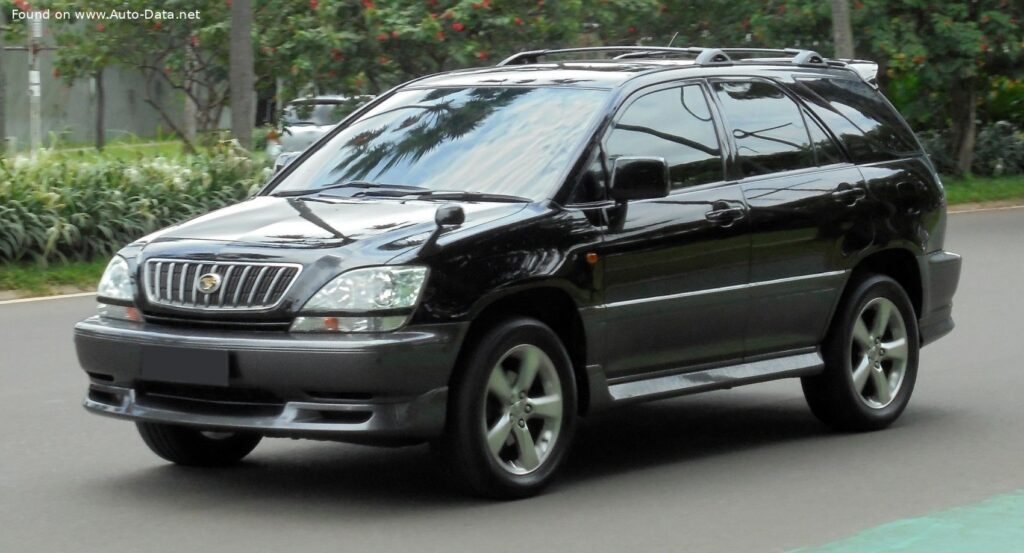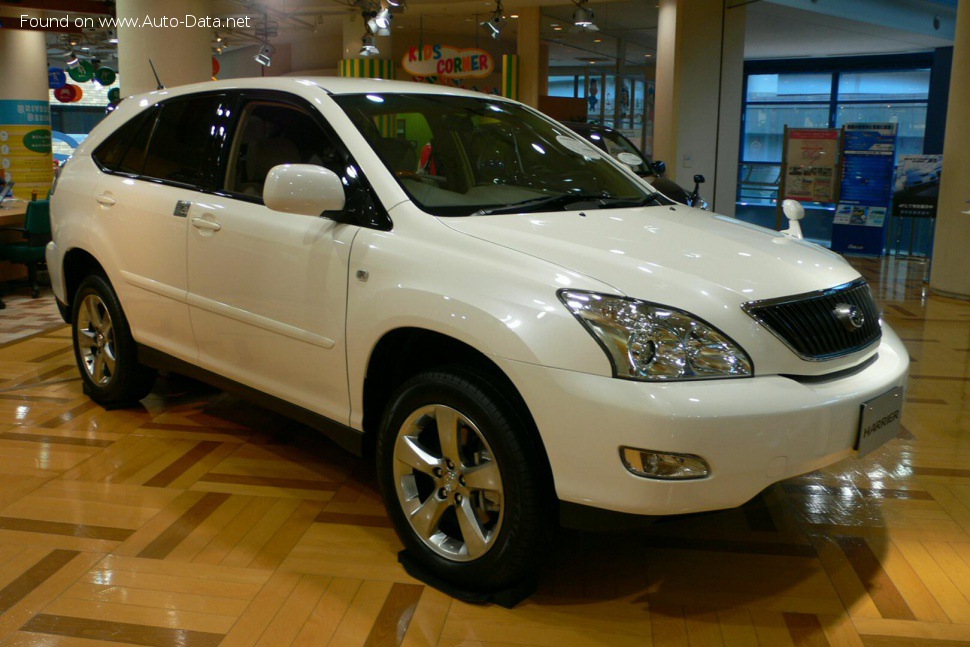
The Toyota Harrier II (XU30) represents a pivotal moment in the evolution of the modern luxury crossover SUV. Produced from 2003 to 2013, this second-generation Harrier expanded upon the achievements of its predecessor, reinforcing Toyota’s standing in the growing premium utility vehicle market. Primarily sold in the Japanese Domestic Market (JDM) and throughout Asia as the Harrier, the XU30 generation is internationally known as the basis for the second-generation Lexus RX, marketed in North America and Europe. This dual identity highlights its global significance and its role in establishing the standards for a refined, car-like SUV. The Harrier II (XU30) combined a sophisticated design, a comfortable and spacious interior, and Toyota’s renowned reliability, making it a desirable vehicle for those seeking a blend of luxury, practicality, and dependability.
Throughout its decade-long production, the Harrier II (XU30) consistently delivered a compelling package, prioritizing smooth performance, fuel efficiency, and a high level of standard and optional features. Its sustained popularity in its core markets, and its successful rebranding as the Lexus RX internationally, underscores its fundamental design and engineering merits. This article will focus on the specifications of the 2.4 16V (160 Hp) Automatic front-wheel-drive variant, examining its technical details, design principles, and lasting impact on the automotive industry.
Engine & Performance of the Toyota Harrier II (XU30)
The Toyota Harrier II (XU30) 2.4 16V is powered by the 2AZ-FE engine, a 2.4-liter (2362 cc or 144.14 cubic inches) inline-four cylinder gasoline engine. This naturally aspirated engine features a Double Overhead Camshaft (DOHC) valvetrain and 16 valves (four per cylinder), engineered for a balance of smooth power delivery and fuel efficiency. It produces 160 horsepower at 5600 rpm and 163 lb.-ft. (221 Nm) of torque at 4000 rpm. This output, combined with the engine’s inherent reliability, made the Harrier II a practical and enjoyable vehicle for daily use and longer trips.
The engine is mounted front-transverse, driving the front wheels through a 4-speed automatic transmission. While a 4-speed automatic may seem dated by current standards, it was a common and proven setup during the Harrier’s production, known for its durability and smooth shifting characteristics. A multi-port fuel injection system ensures efficient fuel delivery, contributing to a combined fuel economy of approximately 26.1 US mpg (9 liters per 100 km). The engine operates on regular unleaded gasoline with a compression ratio of 9.6:1. The power-to-weight ratio is 10 kg per horsepower (100 Hp per tonne), indicating a responsive, though not overtly sporty, driving experience. This powertrain configuration aligned perfectly with the Harrier’s objective as a comfortable and dependable luxury crossover, prioritizing refinement and longevity over outright performance.
Design & Features
The Toyota Harrier II (XU30) showcased a sleek and sophisticated design, moving away from the more rugged aesthetics of traditional SUVs. Classified as a 5-door, 5-seat SUV/Crossover, its exterior styling featured smooth lines, a refined grille, and aerodynamic contours, enhancing both its visual appeal and fuel efficiency. Measuring 186.22 inches (4730 mm) in length, 72.64 inches (1845 mm) in width, and 66.14 inches (1680 mm) in height, with a 106.89-inch (2715 mm) wheelbase, the Harrier II offered a commanding presence without being overly large. A ground clearance of 7.28 inches (185 mm) provided sufficient capability for navigating urban environments and light off-road conditions.
The interior of the Harrier II (XU30) prioritized luxury and comfort. The cabin was spacious, accommodating five passengers with ample legroom and headroom. Materials were selected to reflect its premium positioning, often including soft-touch plastics, wood-grain accents, and comfortable upholstery. Practicality was also a key consideration, demonstrated by its versatile cargo space: a minimum of 15.54 cubic feet (440 liters) expanding to 75.22 cubic feet (2130 liters) with the rear seats folded, providing adaptability for various hauling needs.
Key features included a hydraulic power steering system (rack and pinion) for smooth maneuverability, and a braking system with ventilated front discs and solid rear discs, enhanced by an Anti-lock Braking System (ABS) for improved safety. The vehicle rode on 225/65 R17 tires mounted on 6.5J x 17 ET35 wheels, providing a comfortable and stable ride. Common features for premium crossovers of this era included automatic climate control, a sophisticated audio system, power-adjustable seats, and advanced passive safety systems, ensuring a refined and secure driving experience.
Technical Specifications
| Category | Specification |
| Brand | Toyota |
| Model | Harrier |
| Generation | Harrier II (XU30) |
| Type (Engine) | 2.4 16V (160 Hp) Automatic |
| Start of Production | 2003 |
| End of Production | 2013 |
| Powertrain Architecture | Internal Combustion Engine |
| Body type | SUV, Crossover |
| Seats | 5 |
| Doors | 5 |
| Fuel Consumption (Combined) | 26.1 US mpg (9 l/100 km) |
| Fuel Type | Petrol (Gasoline) |
| Weight-to-Power Ratio | 10 kg/Hp (100 Hp/tonne) |
| Weight-to-Torque Ratio | 7.2 kg/Nm (138.1 Nm/tonne) |
| Power | 160 Hp @ 5600 rpm |
| Power per Liter | 67.7 Hp/l |
| Torque | 163 lb.-ft. (221 Nm) @ 4000 rpm |
| Engine Layout | Front, Transverse |
| Engine Model/Code | 2AZ-FE |
| Engine Displacement | 2.4 l (2362 cm3, 144.14 cu. in.) |
| Number of Cylinders | 4 |
| Engine Configuration | Inline |
| Cylinder Bore | 3.48 in. (88.5 mm) |
| Piston Stroke | 3.78 in. (96 mm) |
| Compression Ratio | 9.6:1 |
| Number of Valves per Cylinder | 4 |
| Fuel Injection System | Multi-port manifold injection |
| Engine Aspiration | Naturally aspirated engine |
| Valvetrain | DOHC |
| Engine Oil Capacity | 4.54 US qt (4.3 l) |
| Coolant Capacity | 6.76 US qt (6.4 l) |
| Kerb Weight | 3527.4 lbs (1600 kg) |
| Trunk (boot) Space – Minimum | 15.54 cu. ft. (440 l) |
| Trunk (boot) Space – Maximum | 75.22 cu. ft. (2130 l) |
| Fuel Tank Capacity | 19.02 US gal (72 l) |
| Length | 186.22 in. (4730 mm) |
| Width | 72.64 in. (1845 mm) |
| Height | 66.14 in. (1680 mm) |
| Wheelbase | 106.89 in. (2715 mm) |
| Front Track | 62.01 in. (1575 mm) |
| Rear (Back) Track | 61.42 in. (1560 mm) |
| Ride Height (Ground Clearance) | 7.28 in. (185 mm) |
| Drivetrain Architecture | Internal Combustion Engine drives the front wheels |
| Drive Wheel | Front wheel drive |
| Number of Gears and Type of Gearbox | 4 gears, automatic transmission |
| Front Brakes | Ventilated discs |
| Rear Brakes | Disc |
| Assisting Systems | ABS (Anti-lock braking system) |
| Steering Type | Steering rack and pinion |
| Power Steering | Hydraulic Steering |
| Tires Size | 225/65 R17 |
| Wheel Rims Size | 6.5J x 17 ET35 |
Legacy and Market Impact of the Toyota Harrier II (XU30)
The Toyota Harrier II (XU30) established a significant legacy, not only in its primary Asian markets but also globally through its Lexus RX counterpart. In Japan and other parts of Asia, the Harrier was a leader in the premium mid-size crossover segment, admired for its blend of sedan-like comfort and SUV practicality. This combination appealed to consumers seeking a refined vehicle capable of handling diverse conditions without the fuel inefficiency of traditional SUVs.
Its most significant impact was its role as the second-generation Lexus RX. In North America, the first-generation RX pioneered the luxury crossover segment, proving the viability of a car-based SUV. The XU30 generation, as the Lexus RX, solidified this segment, becoming a best-seller and defining the characteristics of a luxury crossover: comfort, reliability, features, and efficiency. It competed with vehicles like the Acura MDX and later European models, often exceeding them in sales and reliability.
The Harrier/RX XU30’s reputation was built on Toyota’s strengths: reliability, build quality, and resale value. Its smooth ride, quiet cabin, and user-friendly features contributed to a positive ownership experience. The 2.4-liter engine was praised for its robustness, fuel efficiency, and low maintenance, making it a popular choice. The XU30’s decade-long production run is a testament to its solid engineering and enduring appeal. It influenced numerous manufacturers to enter the luxury crossover market, fundamentally reshaping the automotive landscape. Today, the Toyota Harrier II (XU30), in both its original and Lexus forms, remains a symbol of Toyota’s foresight in recognizing and capitalizing on the demand for sophisticated, car-based utility vehicles, leaving a lasting mark on automotive history as a true segment definer.