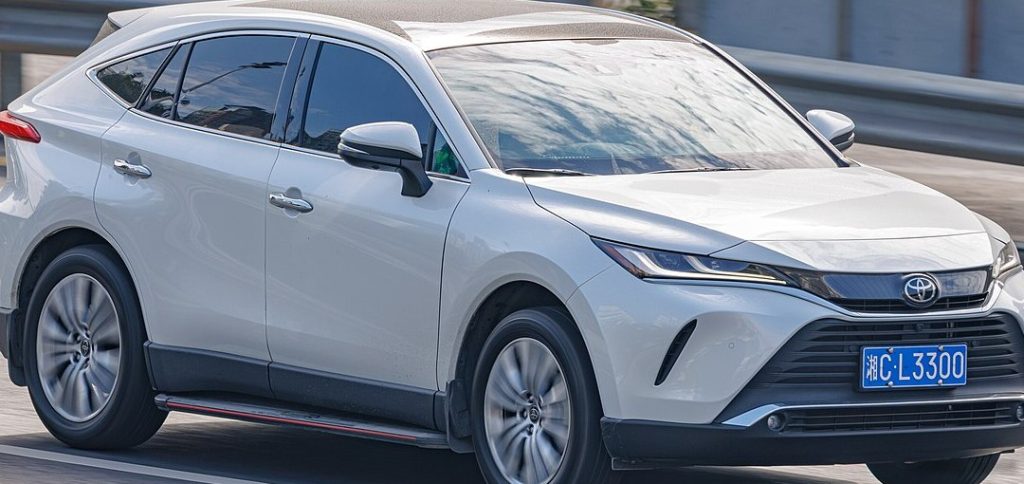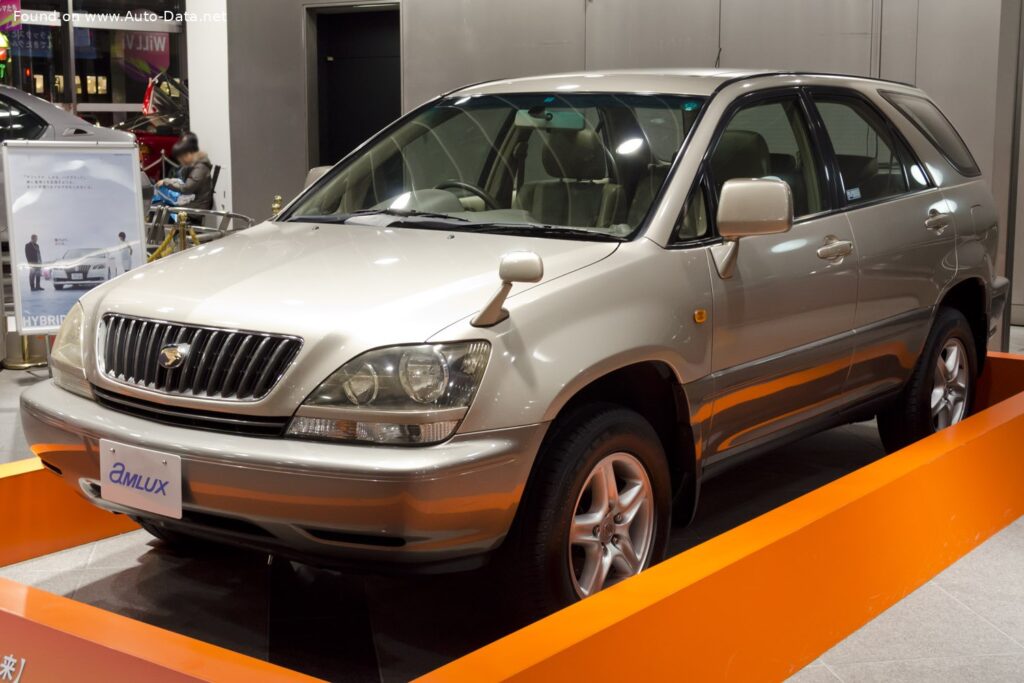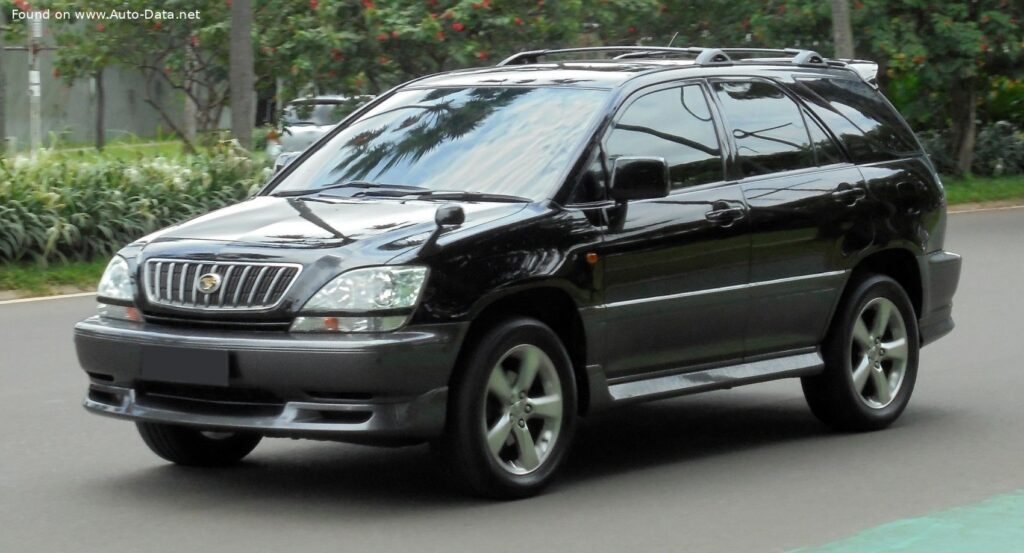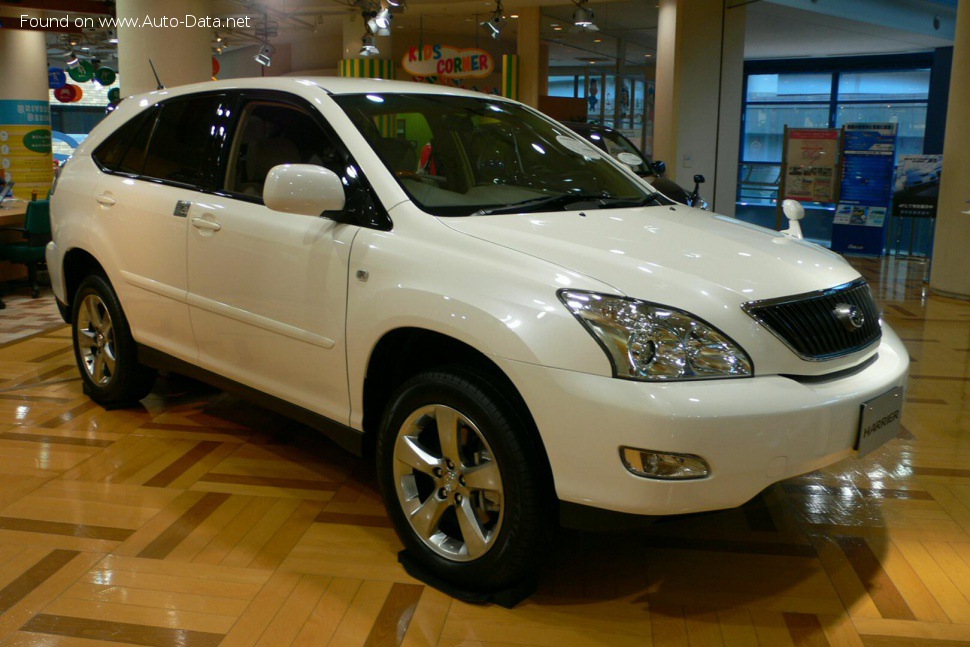
The Toyota Harrier II (XU30) represents the second generation of Toyota’s mid-size luxury crossover SUV, a vehicle celebrated for its sophisticated blend of car-like comfort and SUV practicality. Produced from 2006 to 2013, the XU30 series continued the Harrier’s legacy as a premium offering in its primary markets, which predominantly included Japan and other Asian regions. While North American consumers knew this vehicle as the Lexus RX, the Harrier maintained its distinct identity and branding in its home market, catering to a discerning clientele seeking refinement, advanced technology, and robust performance without the full-fledged ruggedness of a traditional SUV. The Harrier occupied a unique space, bridging the gap between traditional SUVs and more comfort-oriented crossovers, appealing to buyers who desired versatility without sacrificing luxury.
The specific variant under examination, the 3.5 V6 24V (280 Hp) 4×4 Automatic, stood as a pinnacle of performance and luxury within the Harrier lineup. It was designed to provide a smooth, powerful, and secure driving experience, leveraging a potent V6 engine and an advanced all-wheel-drive system. This iteration of the Harrier exemplified Toyota’s commitment to engineering excellence and luxury, solidifying its position as a segment leader in the burgeoning crossover market during its production run. Its appeal lay in its ability to combine urban elegance with the versatility expected of a modern utility vehicle, making it a highly desirable choice for families and individuals alike.
Toyota Harrier II (XU30): A Detailed Overview
The Harrier II (XU30) built upon the success of its predecessor, introducing a more refined design, enhanced interior features, and improved performance. Toyota strategically positioned the Harrier as a more accessible alternative to the Lexus RX, offering a similar level of luxury and technology at a slightly lower price point, particularly within the Japanese domestic market. This allowed Toyota to capture a broader segment of the premium crossover market. The XU30 generation saw significant advancements in safety technology, ride comfort, and overall build quality, further cementing the Harrier’s reputation as a desirable and reliable vehicle.
Engine & Performance: The 2GR-FE Powertrain
At the core of the Toyota Harrier II (XU30) 3.5 V6 24V (280 Hp) 4×4 Automatic was Toyota’s renowned 2GR-FE engine. This 3.5-liter (3456 cm³ or 210.9 cu. in.) V6 powerplant was a masterpiece of modern engineering, featuring a DOHC (Dual Overhead Camshaft) valvetrain with VVT-i (Variable Valve Timing with intelligence). Naturally aspirated, the engine delivered a robust 280 horsepower at 6200 rpm, providing ample power for both spirited driving and comfortable cruising. Torque output was equally impressive, peaking at 255.2 lb.-ft. at 4700 rpm, ensuring strong acceleration and responsive performance across a wide range of driving conditions. The engine’s smooth power delivery and refined character were key attributes contributing to the Harrier’s luxurious driving experience.
Power was transmitted to all four wheels via a six-speed automatic transmission, providing seamless gear changes and contributing to the vehicle’s overall efficiency. The 4×4 system employed a sophisticated torque distribution mechanism, automatically adjusting power delivery between the front and rear axles to optimize traction and stability in various driving conditions. This system enhanced handling and control, particularly on slippery surfaces or during inclement weather. The combination of the powerful V6 engine and the capable all-wheel-drive system made the Harrier II a confident and capable performer, whether navigating city streets or embarking on longer journeys.
Design & Features: Luxury and Practicality Combined
The Toyota Harrier II (XU30) showcased a sleek and modern exterior design, characterized by its flowing lines, sculpted body panels, and prominent grille. The vehicle’s overall aesthetic was refined and sophisticated, reflecting its premium positioning. The interior was equally well-appointed, featuring high-quality materials, comfortable seating, and a spacious cabin. Attention to detail was evident throughout, with features such as woodgrain trim, leather upholstery, and a well-integrated infotainment system.
The Harrier II offered a range of features designed to enhance comfort, convenience, and safety. Standard equipment typically included automatic climate control, power-adjustable seats, a premium audio system, and a multi-function steering wheel. Safety features were comprehensive, encompassing anti-lock brakes (ABS), electronic stability control (ESC), multiple airbags, and a range of active safety systems designed to mitigate the risk of accidents. Higher trim levels offered additional features such as a navigation system, a rearview camera, and advanced driver-assistance systems. The vehicle’s spacious cargo area and versatile seating configuration further enhanced its practicality, making it well-suited for families and individuals with active lifestyles.
The Harrier II’s design prioritized both aesthetics and functionality. The vehicle’s relatively compact dimensions made it easy to maneuver in urban environments, while its spacious interior provided ample room for passengers and cargo. The overall design language was consistent with Toyota’s broader design philosophy, emphasizing quality, reliability, and a refined driving experience.
Technical Specifications
| Engine Type | 3.5L V6, 24-Valve, DOHC |
| Engine Code | 2GR-FE |
| Displacement | 3,456 cc (210.9 cu in) |
| Horsepower | 280 hp @ 6200 rpm |
| Torque | 255.2 lb-ft @ 4700 rpm |
| Transmission | 6-Speed Automatic |
| Drivetrain | 4×4 (All-Wheel Drive) |
| Fuel System | Electronic Fuel Injection |
| Fuel Capacity | 70 liters (18.5 gallons) |
| Curb Weight | 1,860 kg (4,099 lbs) (approximate) |
| Length | 4,760 mm (187.4 in) |
| Width | 1,820 mm (71.7 in) |
| Height | 1,725 mm (67.9 in) |
The Toyota Harrier II (XU30) 3.5 V6 4×4 Automatic remains a highly regarded vehicle, particularly within its primary markets. Its combination of luxury, performance, and reliability has ensured its enduring appeal. While not officially sold in the United States under the Harrier name, its Lexus RX counterpart enjoyed considerable success, demonstrating the underlying quality and desirability of the platform. The Harrier II represents a significant chapter in Toyota’s history, showcasing the company’s ability to create sophisticated and capable crossover SUVs that cater to a discerning clientele.