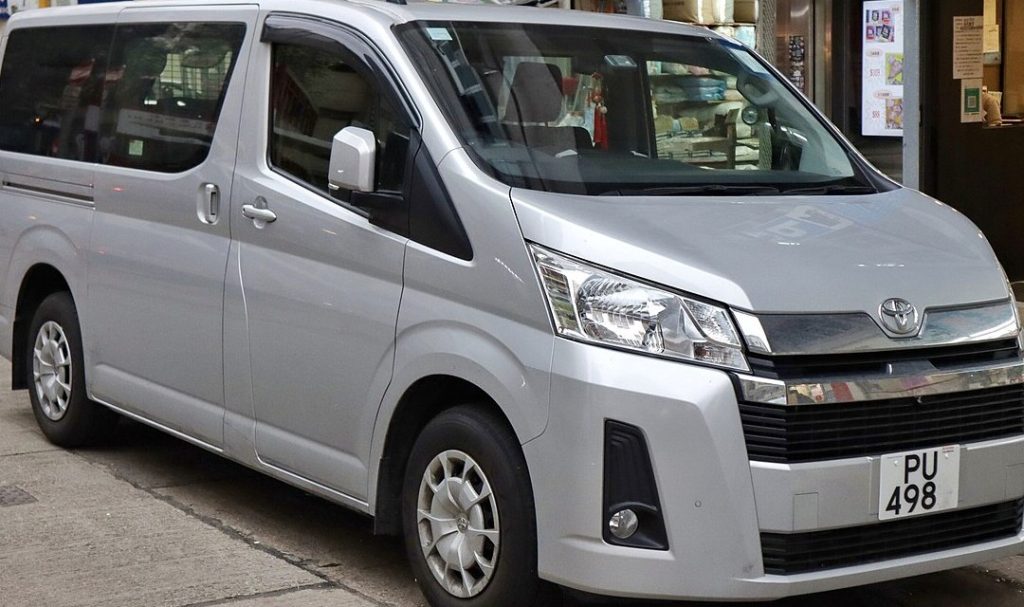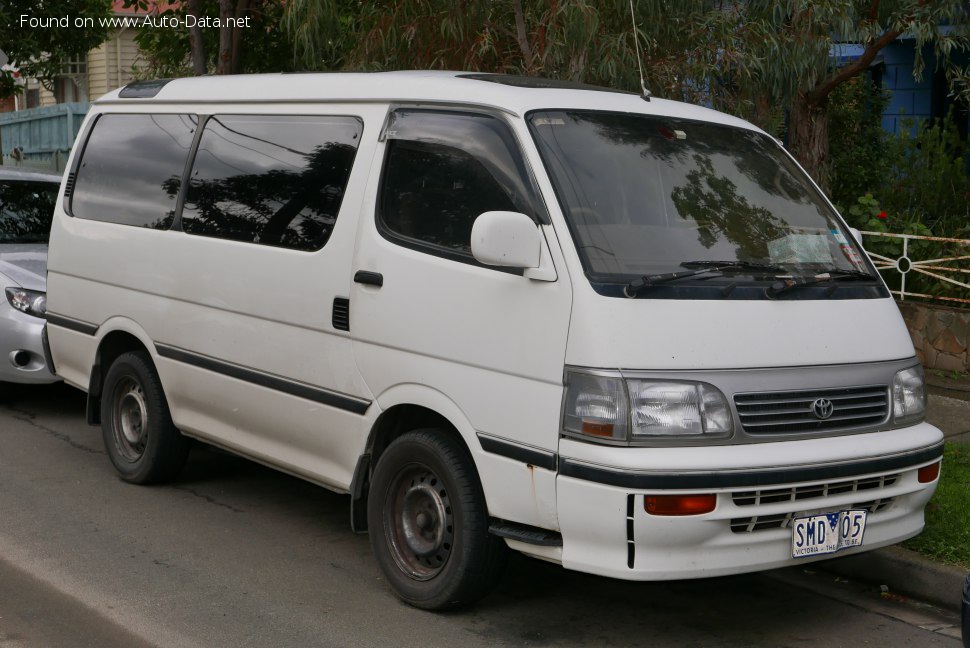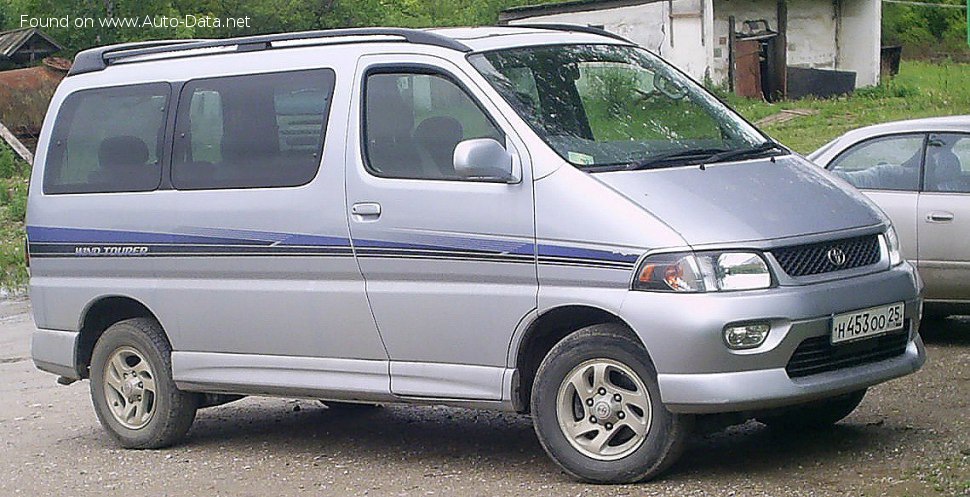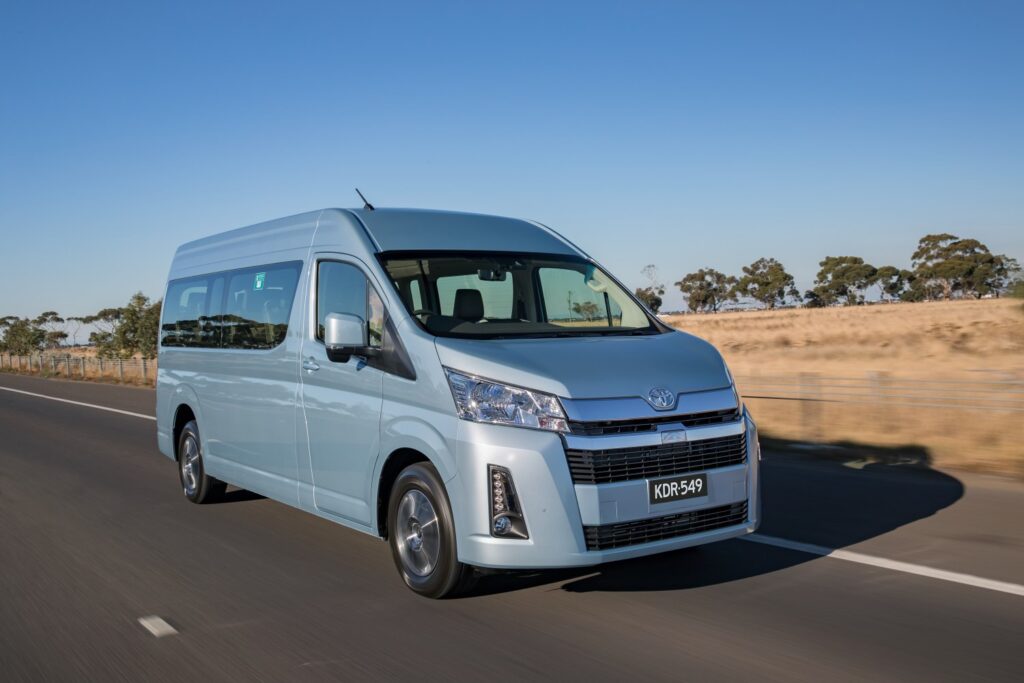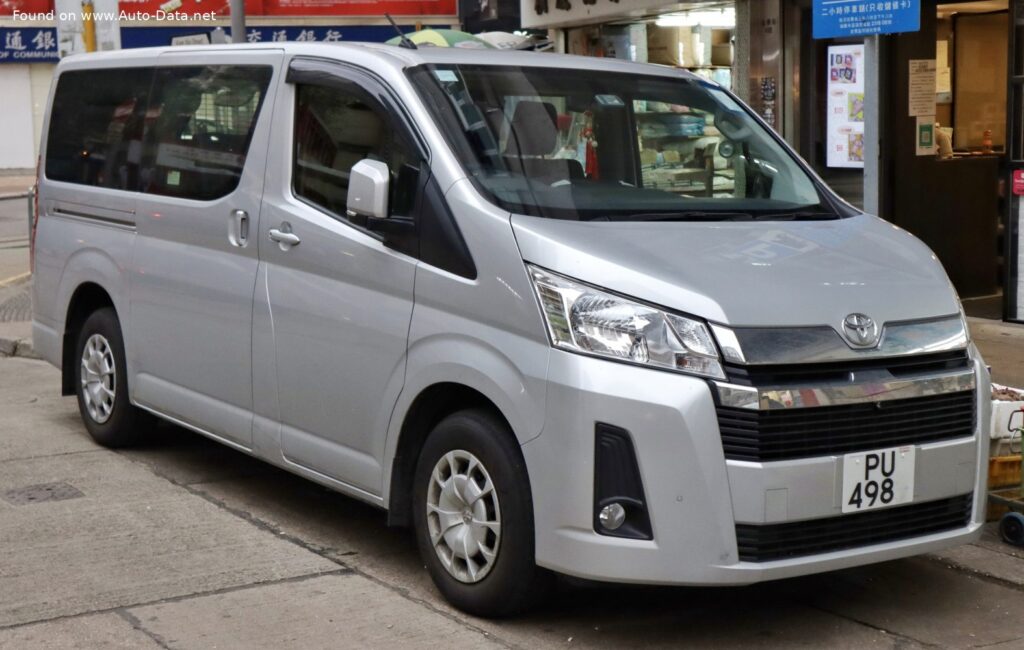
The Toyota HiAce, a name synonymous with reliability and utility across various global markets, entered its sixth generation (H300) in 2019, marking a significant evolution in its long and storied history. Specifically, the Toyota HiAce VI (H300) Commuter L1H1 2.8 D-4D (177 Hp) variant represents a robust and versatile passenger van configuration, designed to meet the demanding needs of commercial transport, tourism, and large families outside the North American market. This iteration of the HiAce moved away from its traditional cab-over design, adopting a semi-bonneted layout for enhanced safety, comfort, and noise reduction, aligning it more closely with modern automotive design principles while retaining its core attributes of durability and practicality.
While the HiAce nameplate might not be as prevalent in the United States as some of Toyota’s other offerings, it is an absolute cornerstone in markets such as Asia, Australia, New Zealand, Africa, Latin America, and parts of Europe. The Commuter L1H1 designation indicates a specific body length (L1) and roof height (H1) combination, optimized for passenger capacity, typically ranging from 10 to 15 seats. Powered by a potent 2.8-liter D-4D diesel engine, this model is engineered to deliver a compelling blend of power, torque, and fuel efficiency crucial for its heavy-duty applications.
Engine & Performance of the Toyota HiAce VI (H300) Commuter L1H1 2.8 D-4D (177 Hp)
At the heart of the Toyota HiAce VI (H300) Commuter L1H1 2.8 D-4D (177 Hp) lies Toyota’s renowned 1GD-FTV engine, a 2.8-liter (2755 cm³ or 168.12 cu. in.) inline four-cylinder diesel powerplant. This engine is a testament to Toyota’s expertise in developing robust and efficient diesel technology. It features a DOHC (Double Overhead Camshaft) valvetrain with four valves per cylinder, ensuring optimal airflow and combustion efficiency. The power output stands at a respectable 177 horsepower, achieved at 3400 rpm, providing ample thrust for highway cruising and city driving, even when fully loaded.
However, it is the torque delivery that truly defines this commercial vehicle’s performance. The 1GD-FTV engine generates a substantial 420 Nm (309.78 lb.-ft.) of torque, available across a broad and usable rev range from 1400 to 2600 rpm. This low-end torque is critical for a vehicle designed to carry significant passenger or cargo loads, enabling strong acceleration from a standstill, confident hill-climbing capabilities, and effortless towing. The engine’s aspiration system, comprising a turbocharger and intercooler, further enhances performance by forcing compressed and cooled air into the cylinders, leading to more efficient combustion and greater power output.
Fuel delivery is managed by a sophisticated Diesel Commonrail injection system, which precisely controls fuel pressure and timing for improved fuel economy and reduced emissions. Modern features such as a Start & Stop System and a Particulate Filter are integrated to comply with contemporary environmental standards and enhance efficiency. Power is transmitted to the rear wheels via a durable 6-speed manual transmission, a choice that underscores the vehicle’s focus on driver engagement, robustness, and suitability for diverse operating conditions. With a weight-to-power ratio of 12.2 kg/Hp (81.8 Hp/tonne) and a weight-to-torque ratio of 5.2 kg/Nm (194 Nm/tonne), the HiAce demonstrates a well-balanced power-to-weight profile for its class, ensuring it can handle its maximum payload of up to 1335 kg (2943.17 lbs.) and a maximum trailer load with brakes of 1500 kg (3306.93 lbs.) with confidence.
Design & Features
The sixth-generation Toyota HiAce, particularly the Commuter L1H1 variant, boasts a functional yet modern design that prioritizes practicality, safety, and passenger comfort. Its body type is a traditional van with four doors, offering easy access to the spacious interior. The shift to a semi-bonneted design, where the engine is located ahead of the cabin rather than directly beneath the driver’s seat, has several advantages. It significantly improves frontal collision safety by providing a crumple zone, enhances driver and passenger comfort by reducing engine noise and heat intrusion, and facilitates easier engine maintenance.
Measuring 207.28 inches (5265 mm) in length, 76.77 inches (1950 mm) in width, and 78.35 inches (1990 mm) in height, the HiAce Commuter L1H1 provides generous interior volume. The substantial 126.38-inch (3210 mm) wheelbase contributes to a stable ride and ample cabin space, allowing for flexible seating arrangements for 10 to 15 passengers, depending on market-specific configurations. The high roof (H1) ensures excellent headroom for all occupants, making long journeys more comfortable. The minimum turning circle of 36.09 feet (11 m) is commendable for a vehicle of its size, aiding maneuverability in urban environments.
Underneath, the HiAce employs a tried-and-true suspension setup optimized for heavy loads and varying road conditions. The front features an independent McPherson strut system with coil springs and an anti-roll bar, providing a comfortable ride and stable handling. The rear utilizes a rigid axle suspension with robust leaf springs, a classic design choice for commercial vehicles due to its exceptional load-carrying capacity and durability. Braking performance is handled by ventilated discs at the front for effective heat dissipation and traditional drum brakes at the rear, which are reliable and cost-effective for commercial applications. An Anti-lock Braking System (ABS) is standard, enhancing safety by preventing wheel lock-up during hard braking. The hydraulic rack and pinion steering system ensures predictable and responsive control, an important factor for a vehicle of its size and purpose. The vehicle rides on 215/70 R16 tires mounted on 7J x 16 wheel rims, providing a good balance of load capacity and ride comfort.
Technical Specifications: Toyota HiAce VI (H300) Commuter L1H1 2.8 D-4D (177 Hp)
| Category | Specification |
| Brand | Toyota |
| Model | HiAce |
| Generation | HiAce VI (H300) Commuter L1H1 |
| Type (Engine) | 2.8 D-4D (177 Hp) |
| Start of Production | 2019 |
| Powertrain Architecture | Internal Combustion engine |
| Body Type | Van |
| Seats | 10-15 |
| Doors | 4 |
| Performance Specs | |
| Fuel Type | Diesel |
| Weight-to-Power Ratio | 12.2 kg/Hp, 81.8 Hp/tonne |
| Weight-to-Torque Ratio | 5.2 kg/Nm, 194 Nm/tonne |
| Engine Specs | |
| Power | 177 Hp @ 3400 rpm |
| Power per Liter | 64.2 Hp/l |
| Torque | 420 Nm @ 1400-2600 rpm (309.78 lb.-ft. @ 1400-2600 rpm) |
| Engine Layout | Front, Longitudinal |
| Engine Model/Code | 1GD-FTV |
| Engine Displacement | 2755 cm³ (168.12 cu. in.) |
| Number of Cylinders | 4 |
| Engine Configuration | Inline |
| Cylinder Bore | 92 mm (3.62 in.) |
| Piston Stroke | 103.6 mm (4.08 in.) |
| Compression Ratio | 15.6:1 |
| Number of Valves per Cylinder | 4 |
| Fuel Injection System | Diesel Commonrail |
| Engine Aspiration | Turbocharger, Intercooler |
| Valvetrain | DOHC |
| Engine Oil Capacity | 7.1 l (7.5 US qt | 6.25 UK qt) |
| Engine Oil Specification | Not specified |
| Coolant Capacity | 9.7 l (10.25 US qt | 8.53 UK qt) |
| Engine Systems | Start & Stop System, Particulate filter |
| Space, Volume and Weights | |
| Kerb Weight | 2165-2380 kg (4773.01 – 5247 lbs.) |
| Max. Weight (GVWR) | 3500 kg (7716.18 lbs.) |
| Max Load | 1120-1335 kg (2469.18 – 2943.17 lbs.) |
| Fuel Tank Capacity | 70 l (18.49 US gal | 15.4 UK gal) |
| Permitted Trailer Load with Brakes (12%) | 1500 kg (3306.93 lbs.) |
| Permitted Trailer Load without Brakes | 400 kg (881.85 lbs.) |
| Permitted Towbar Download | 150 kg (330.69 lbs.) |
| Dimensions | |
| Length | 5265 mm (207.28 in.) |
| Width | 1950 mm (76.77 in.) |
| Height | 1990 mm (78.35 in.) |
| Wheelbase | 3210 mm (126.38 in.) |
| Front Track | 1675 mm (65.94 in.) |
| Rear (Back) Track | 1670 mm (65.75 in.) |
| Front Overhang | 950 mm (37.4 in.) |
| Rear Overhang | 1105 mm (43.5 in.) |
| Ride Height (Ground Clearance) | 175 mm (6.89 in.) |
| Minimum Turning Circle (Turning Diameter) | 11 m (36.09 ft.) |
| Drivetrain, Brakes and Suspension Specs | |
| Drivetrain Architecture | The Internal combustion engine (ICE) drives the rear wheels of the vehicle. |
| Drive Wheel | Rear wheel drive |
| Number of Gears and Type of Gearbox | 6 gears, manual transmission |
| Front Suspension | Independent, type McPherson with coil spring and anti-roll bar |
| Rear Suspension | Rigid axle suspension, Leaf spring |
| Front Brakes | Ventilated discs |
| Rear Brakes | Drum |
| Assisting Systems | ABS (Anti-lock braking system) |
| Steering Type | Steering rack and pinion |
| Power Steering | Hydraulic Steering |
| Tires Size | 215/70 R16 |
| Wheel Rims Size | 7J x 16 |
Legacy and Market Impact
The Toyota HiAce nameplate carries a formidable legacy, having been a global bestseller in the commercial van segment since its introduction in 1967. The sixth-generation H300 series, and particularly the Toyota HiAce VI (H300) Commuter L1H1 2.8 D-4D (177 Hp), continues this tradition by reinforcing the brand’s reputation for unparalleled reliability, durability, and low total cost of ownership. These attributes are paramount for commercial operators, who rely on their vehicles to be consistently operational and withstand rigorous daily use.
In its primary markets, the HiAce Commuter is a ubiquitous sight, serving as the backbone for various industries. It’s a popular choice for public transport (minibuses, shared taxis), airport shuttle services, hotel transfers, tourism operators, and even as a versatile platform for conversions into ambulances or mobile workshops. Its robust chassis, powerful diesel engine, and high passenger capacity make it an ideal solution for moving people efficiently and comfortably over long distances or through challenging urban environments. The vehicle’s strong resale value is another testament to its enduring quality and demand.
Competitors in the HiAce’s segment vary by region but generally include models like the Ford Transit, Mercedes-Benz Sprinter, Volkswagen Crafter, Hyundai H350, and Nissan NV350 Urvan. However, the HiAce often distinguishes itself through its legendary reliability and a vast service network, particularly in developing markets where these factors are critical. The H300 generation’s move to a semi-bonneted design was a significant step, addressing evolving safety standards and consumer expectations for driving dynamics, bringing the HiAce into a more modern era without sacrificing its core utility.
While this specific diesel-powered HiAce Commuter variant is not offered in the United States, its impact globally is undeniable. The U.S. market’s preference for gasoline engines in passenger vehicles and differing emissions regulations for light commercial diesels, alongside the availability of larger, purpose-built American vans, means the HiAce caters to distinct market needs elsewhere. Nevertheless, the HiAce VI (H300) Commuter L1H1 2.8 D-4D (177 Hp) stands as a prime example of Toyota’s commitment to delivering fit-for-purpose vehicles that excel in their intended roles, cementing its status as a truly international automotive expert’s choice for robust and dependable commercial transport.