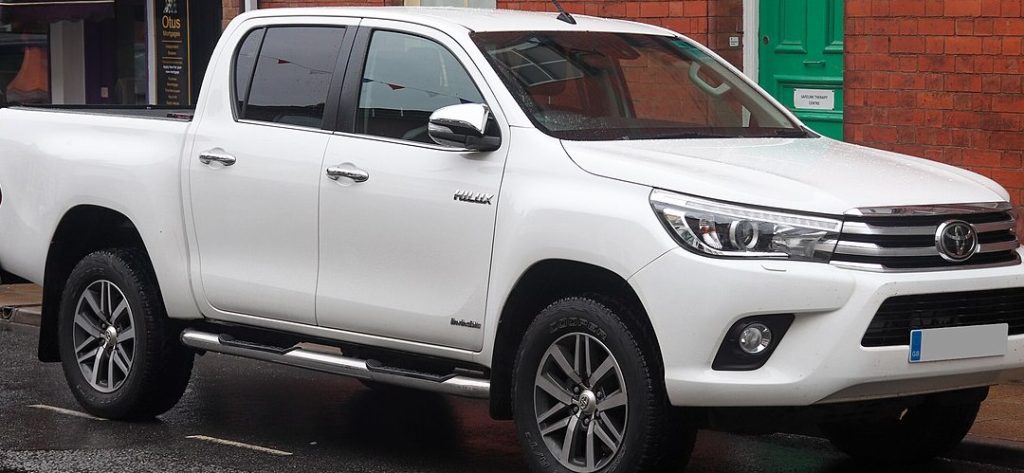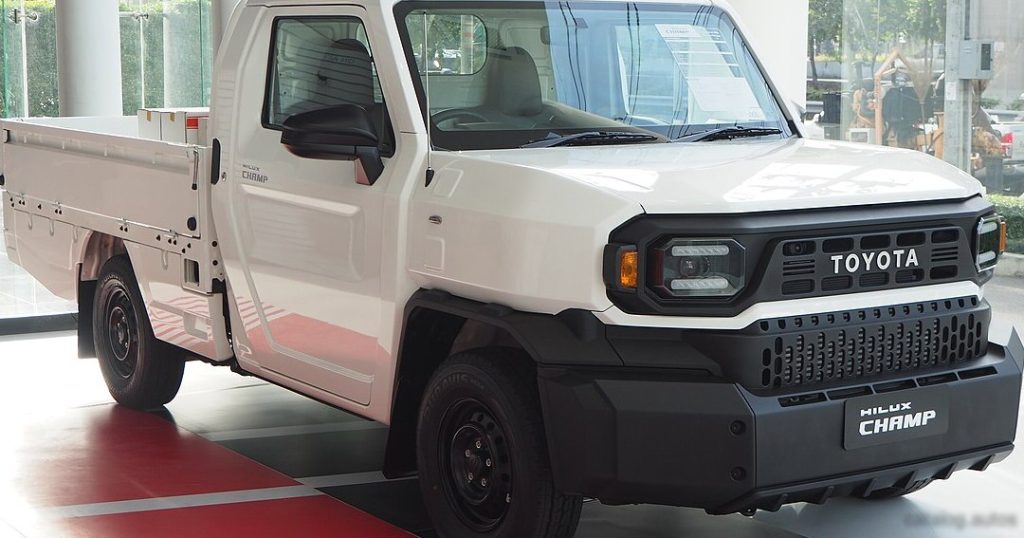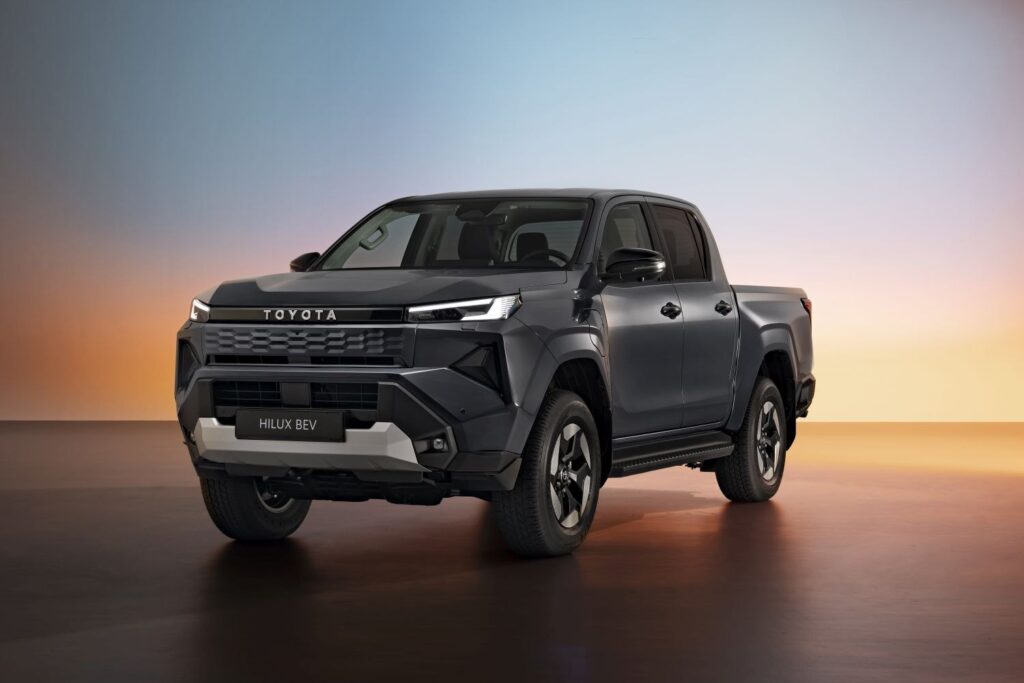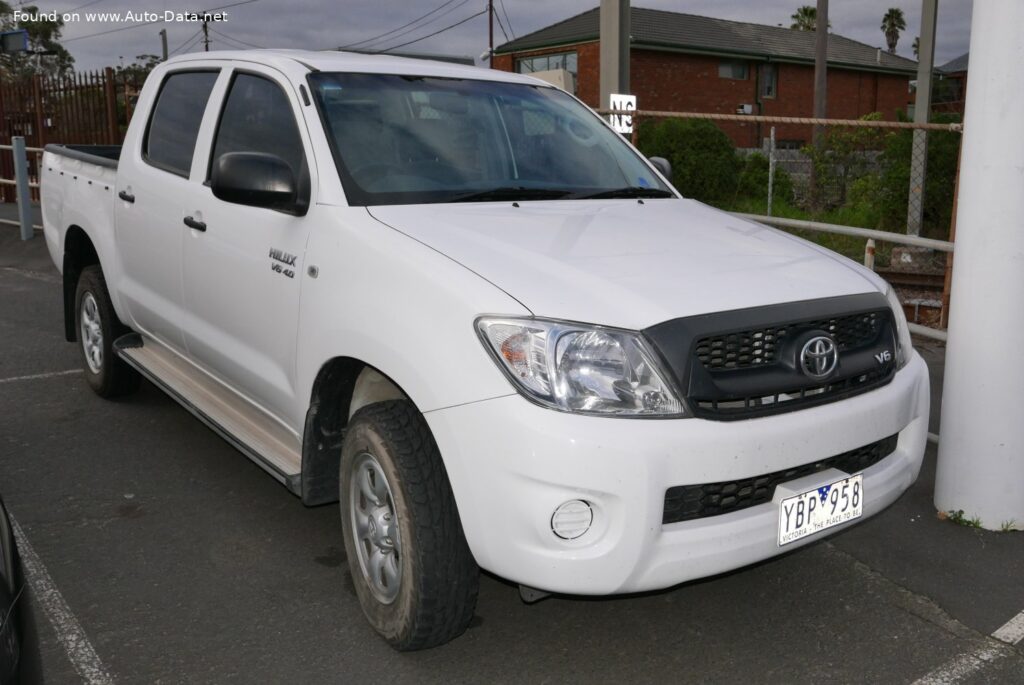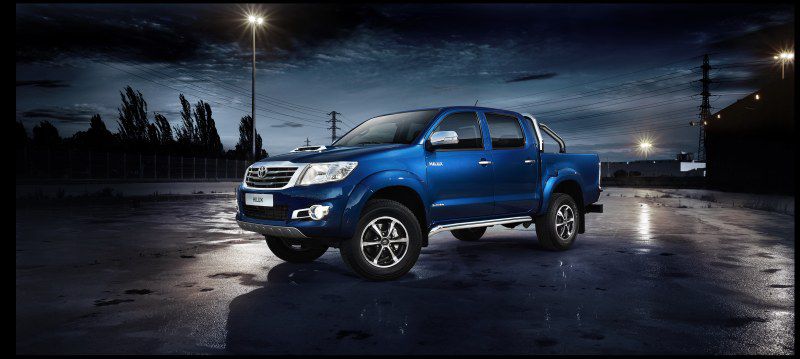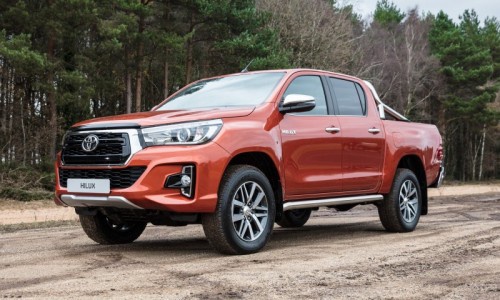
The Toyota Hilux Double Cab VIII, specifically the facelifted version introduced in November 2017 and produced through June 2020, represents a significant iteration of Toyota’s globally renowned pickup truck. While not a primary model in the United States market – where Toyota focuses on larger trucks like the Tacoma and Tundra – the Hilux holds immense popularity in markets like Australia, Asia, Africa, and Europe as a robust and reliable workhorse. This generation, and particularly the 2.8d 4×4 Automatic variant, aimed to balance practicality with improved comfort and technology, catering to both commercial and personal use. The Hilux Double Cab offers seating for five passengers, making it a versatile option for families and crews alike.
Toyota Hilux Double Cab VIII (2017-2020): A Global Workhorse
The Hilux has a long and storied history, dating back to 1968. The eighth generation, launched in 2016, brought a substantial redesign and a focus on increased durability and refinement. The 2017 facelift further enhanced the model with styling updates and improvements to the interior. In regions where it’s sold, the Hilux competes with vehicles like the Ford Ranger, Isuzu D-Max, and Nissan Navara. Its reputation for reliability, even in harsh conditions, is a key selling point, and the Double Cab configuration expands its appeal beyond purely utilitarian applications.
Engine & Performance
The 2017-2020 Toyota Hilux Double Cab VIII 2.8d 4×4 Automatic is powered by the 1GD-FTV, a 2.8-liter inline-four cylinder diesel engine. This engine produces 177 horsepower at 3400 rpm and 450 Newton-meters (331.9 lb.-ft.) of torque between 1600 and 2400 rpm. The engine utilizes a turbocharger with an intercooler and a diesel common rail fuel injection system to optimize performance and fuel efficiency. The longitudinal engine layout contributes to a balanced weight distribution. The power-to-weight ratio of 11.6 kg/Hp and 86.6 Hp/tonne demonstrates a respectable level of performance for a vehicle of this type. The automatic transmission, featuring six gears, provides smooth shifting and enhances drivability. The 4×4 drivetrain ensures excellent traction in a variety of terrains, making it suitable for both on-road and off-road use.
Design & Features
The Hilux Double Cab VIII maintains the traditional pickup truck body style, characterized by a separate cabin and cargo bed. The Double Cab configuration provides a spacious cabin with seating for five occupants, offering a more comfortable and practical alternative to standard cab pickups. The 2017 facelift brought subtle but noticeable changes to the front fascia, including a revised grille and headlight design. Inside, the Hilux features a functional and durable interior with a focus on practicality. Standard features typically include air conditioning, power windows, and a basic audio system. Higher trim levels may offer features such as a touchscreen infotainment system, navigation, and upgraded interior materials. Safety features, crucial in modern vehicles, include ABS (Anti-lock Braking System) and, depending on the market and trim level, may also include stability control, traction control, and multiple airbags. The Hilux’s robust construction and durable materials are designed to withstand the rigors of demanding work environments.
Technical Specifications
| General Information | |
| Brand | Toyota |
| Model | Hilux |
| Generation | Hilux Double Cab VIII (facelift 2017) |
| Type (Engine) | 2.8d (177 Hp) 4×4 Automatic |
| Start of production | November, 2017 |
| End of production | June, 2020 |
| Powertrain Architecture | Internal Combustion engine |
| Body type | Pick-up |
| Seats | 5 |
| Doors | 4 |
| Performance Specs | |
| Fuel Type | Diesel |
| Weight-to-power ratio | 11.6 kg/Hp |
| Hp/tonne | 86.6 Hp/tonne |
| Weight-to-torque ratio | 4.5 kg/Nm |
| Nm/tonne | 220 Nm/tonne |
| Power | 177 Hp @ 3400 rpm |
| Power per litre | 64.2 Hp/l |
| Torque | 450 Nm @ 1600-2400 rpm |
| Torque (lb.-ft.) | 331.9 lb.-ft. @ 1600-2400 rpm |
| Engine Specs | |
| Engine layout | Front, Longitudinal |
| Engine Model/Code | 1GD-FTV |
| Engine displacement | 2755 cm3 |
| Engine displacement (cu. in.) | 168.12 cu. in. |
| Number of cylinders | 4 |
| Engine configuration | Inline |
| Cylinder Bore | 92 mm |
| Cylinder Bore (in.) | 3.62 in. |
| Piston Stroke | 103.6 mm |
| Piston Stroke (in.) | 4.08 in. |
| Compression ratio | 15.6:1 |
| Number of valves per cylinder | 4 |
| Fuel injection system | Diesel Commonrail |
| Engine aspiration | Turbocharger, Intercooler |
| Valvetrain | DOHC |
| Engine oil capacity | 7.5 l |
| Engine oil capacity (US qt) | 7.93 US qt |
| Engine oil capacity (UK qt) | 6.6 UK qt |
| Coolant | 7.9 l |
| Coolant (US qt) | 8.35 US qt |
| Coolant (UK qt) | 6.95 UK qt |
| Space, Volume and Weights | |
| Kerb Weight | 2045 kg |
| Kerb Weight (lbs.) | 4508.45 lbs. |
| Max. weight | 3000 kg |
| Max. weight (lbs.) | 6613.87 lbs. |
| Max load | 955 kg |
| Max load (lbs.) | 2105.41 lbs. |
| Fuel tank capacity | 80 l |
| Fuel tank capacity (US gal) | 21.13 US gal |
| Fuel tank capacity (UK gal) | 17.6 UK gal |
| Dimensions | |
| Length | 5330 mm |
| Length (in.) | 209.84 in. |
| Width | 1855 mm |
| Width (in.) | 73.03 in. |
| Height | 1815 mm |
| Height (in.) | 71.46 in. |
| Wheelbase | 3085 mm |
| Wheelbase (in.) | 121.46 in. |
| Front track | 1535 mm |
| Front track (in.) | 60.43 in. |
| Rear (Back) track | 1550 mm |
| Rear (Back) track (in.) | 61.02 in. |
| Drivetrain, Brakes and Suspension | |
| Drive wheel | All wheel drive (4×4) |
| Number of gears and type of gearbox | 6 gears, automatic transmission |
| Front suspension | Double wishbone |
| Rear suspension | Double wishbone |
| Front brakes | Ventilated discs |
| Rear brakes | Drum |
| Assisting systems | ABS (Anti-lock braking system) |
| Steering type | Steering rack and pinion |
| Power steering | Hydraulic Steering |
| Tires size | 265/65 R17; 265/60 R18 |
| Wheel rims size | 7.5J x 17; 7.5J x 18 |