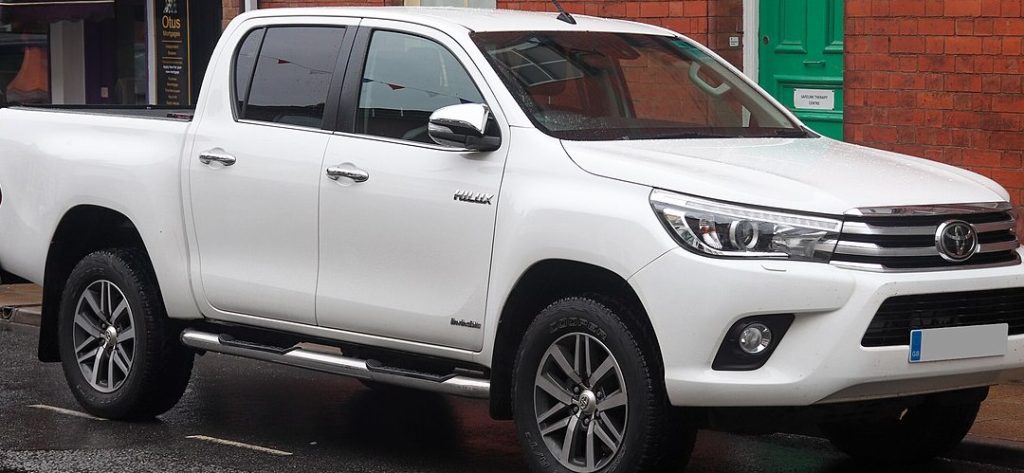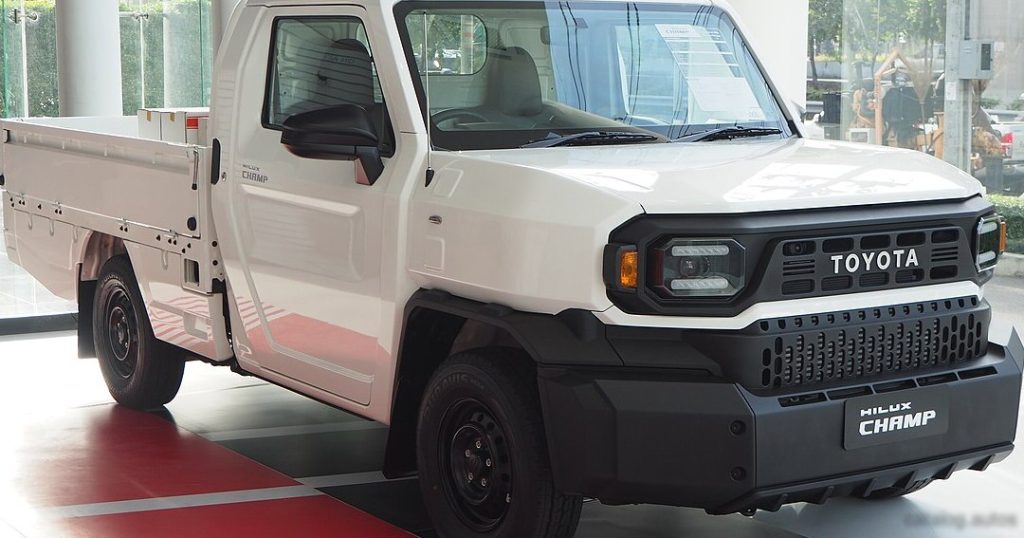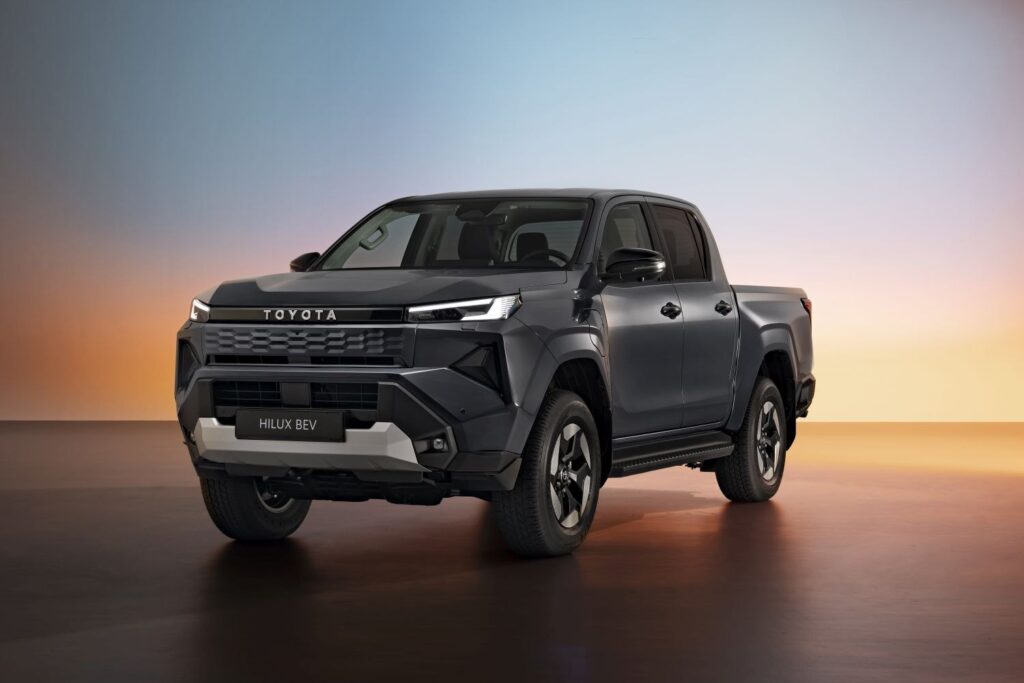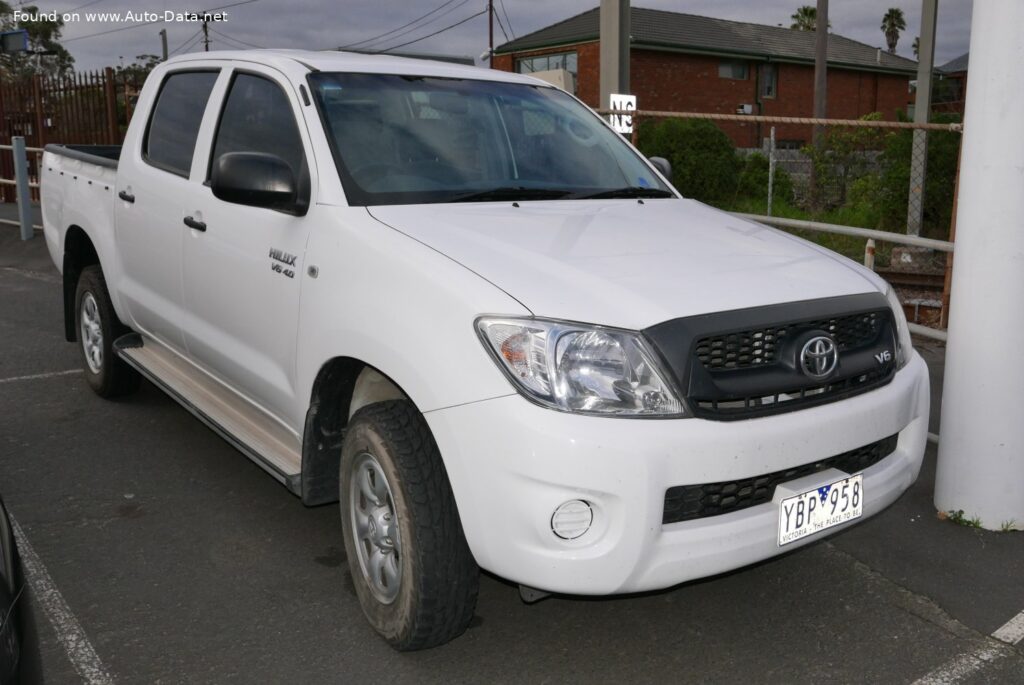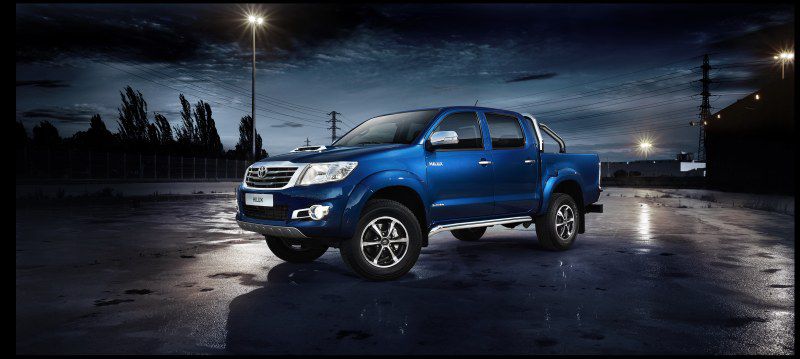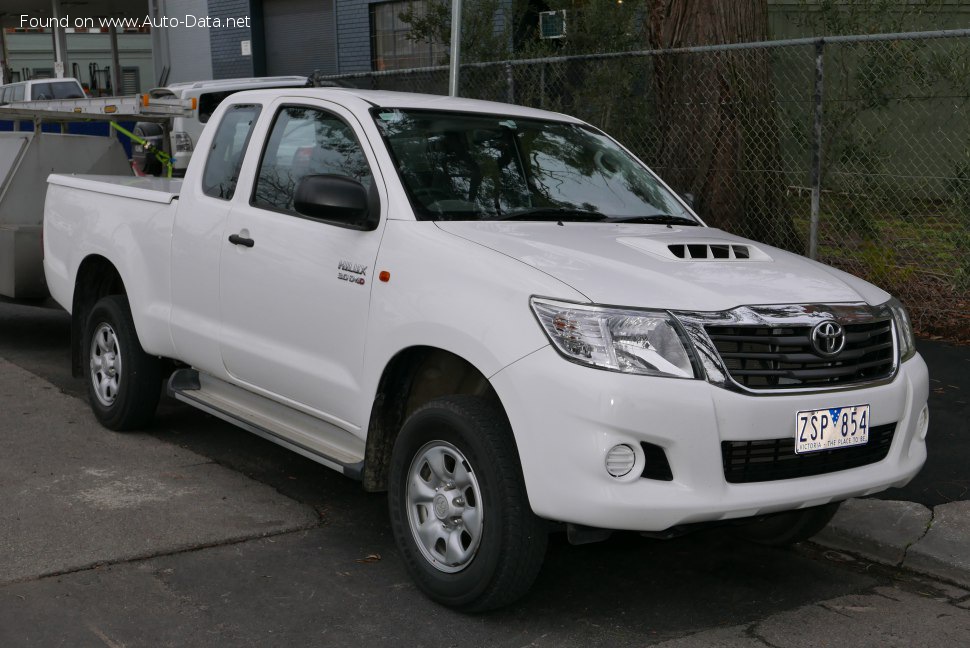
The Toyota Hilux Extra Cab VII, specifically the facelifted version introduced in 2011, represents a significant iteration of Toyota’s globally renowned pickup truck. This model, powered by a 2.5-liter D-4D diesel engine producing 144 horsepower, was primarily aimed at markets outside of North America, where the Hilux was not officially sold during this generation. Instead, it held a dominant position in regions like Europe, Australia, Asia, and Latin America, prized for its ruggedness, reliability, and versatility as a workhorse vehicle. The Extra Cab configuration offered a compromise between the single-cab’s practicality and the double-cab’s passenger space, featuring smaller rear seats suitable for occasional use.
Toyota Hilux Extra Cab VII (2011-2015): A Global Workhorse
The Hilux has a long and storied history, dating back to 1968. The seventh generation, launched in 2005 and facelifted in 2011, continued this legacy. The 2011 facelift brought cosmetic updates, improved safety features, and refinements to the engine for better efficiency and reduced emissions. This generation of Hilux was designed to cater to a broad spectrum of needs, from commercial applications like farming and construction to recreational use. The Extra Cab variant, with its extended cabin, provided a flexible solution for those needing both cargo space and limited passenger capacity.
Engine & Performance
The heart of the 2011-2015 Toyota Hilux Extra Cab VII is the 2KD-FTV 2.5-liter inline-four cylinder diesel engine. This engine delivers 144 horsepower at 3400 rpm and a substantial 343 Nm (252.98 lb.-ft.) of torque between 1600 and 2800 rpm. The engine utilizes a turbocharger with an intercooler and a diesel common rail fuel injection system, contributing to its efficiency and power delivery. The 2.5-liter displacement provides a good balance between fuel economy and the necessary grunt for hauling and towing. Paired with a 5-speed manual transmission and a four-wheel-drive system, the Hilux offers capable off-road performance and the ability to tackle challenging terrain. Acceleration from 0 to 100 km/h (0-62 mph) takes approximately 13.3 seconds, while 0 to 60 mph is achieved in around 12.6 seconds. The vehicle has a maximum speed of 170 km/h (105.63 mph).
Design & Features
The Hilux Extra Cab VII maintains the traditional pickup truck silhouette, characterized by a robust and utilitarian design. The Extra Cab configuration adds a small rear seating area behind the front seats, offering limited space for passengers. The body-on-frame construction provides exceptional durability and load-carrying capacity. The 2011 facelift included subtle styling changes to the front fascia, headlights, and grille, giving the vehicle a more modern appearance. Inside, the Hilux prioritizes functionality over luxury, with durable materials and a straightforward layout. Key features include a spacious cargo bed, capable four-wheel-drive system, and a range of safety features for the time, including ABS (Anti-lock Braking System). The Hilux was designed to withstand harsh conditions and provide reliable transportation in a variety of environments. The vehicle’s design focused on practicality and durability, making it a popular choice for commercial and agricultural applications.
Technical Specifications
| Brand | Toyota |
| Model | Hilux |
| Generation | Hilux Extra Cab VII (facelift 2011) |
| Type (Engine) | 2.5 D-4D (144 Hp) 4WD |
| Start of production | 2011 |
| End of production | 2015 |
| Powertrain Architecture | Internal Combustion engine |
| Body type | Pick-up |
| Seats | 4 |
| Doors | 3 |
| Fuel consumption (urban) | 8.6 l/100 km (27.4 US mpg / 32.8 UK mpg / 11.6 km/l) |
| Fuel consumption (extra urban) | 6.6 l/100 km (35.6 US mpg / 42.8 UK mpg / 15.2 km/l) |
| Fuel consumption (combined) | 7.3 l/100 km (32.2 US mpg / 38.7 UK mpg / 13.7 km/l) |
| CO2 emissions | 194 g/km |
| Fuel Type | Diesel |
| Acceleration 0 – 100 km/h | 13.3 sec |
| Acceleration 0 – 62 mph | 13.3 sec |
| Acceleration 0 – 60 mph | 12.6 sec |
| Maximum speed | 170 km/h (105.63 mph) |
| Emission standard | Euro 5 |
| Power | 144 Hp @ 3400 rpm |
| Torque | 343 Nm @ 1600-2800 rpm (252.98 lb.-ft. @ 1600-2800 rpm) |
| Engine layout | Front, Transverse |
| Engine Model/Code | 2KD-FTV |
| Engine displacement | 2494 cm3 (152.19 cu. in.) |
| Number of cylinders | 4 |
| Engine configuration | Inline |
| Cylinder Bore | 92 mm (3.62 in.) |
| Piston Stroke | 93.8 mm (3.69 in.) |
| Compression ratio | 15.6:1 |
| Number of valves per cylinder | 4 |
| Fuel injection system | Diesel Commonrail |
| Engine aspiration | Turbocharger, Intercooler |
| Valvetrain | DOHC |
| Engine oil capacity | 6.9 l (7.29 US qt | 6.07 UK qt) |
| Coolant | 9 l (9.51 US qt | 7.92 UK qt) |
| Max. weight | 2620 kg (5776.11 lbs.) |
| Trunk (boot) space – minimum | 1100 l (38.85 cu. ft.) |
| Fuel tank capacity | 80 l (21.13 US gal | 17.6 UK gal) |
| Max. roof load | 50 kg (110.23 lbs.) |
| Permitted trailer load with brakes (12%) | 2500 kg (5511.56 lbs.) |
| Permitted trailer load without brakes | 750 kg (1653.47 lbs.) |
| Length | 5260 mm (207.09 in.) |
| Width | 1760 mm (69.29 in.) |
| Height | 1835 mm (72.24 in.) |
| Wheelbase | 3085 mm (121.46 in.) |
| Front track | 1510 mm (59.45 in.) |
| Rear (Back) track | 1510 mm (59.45 in.) |
| Minimum turning circle (turning diameter) | 13.2 m (43.31 ft.) |
| Drive wheel | All wheel drive (4×4) |
| Number of gears and type of gearbox | 5 gears, manual transmission |
| Front suspension | Double wishbone |
| Rear suspension | Leaf spring |
| Front brakes | Ventilated discs |
| Rear brakes | Disc |
| Assisting systems | ABS (Anti-lock braking system) |
| Steering type | Steering rack and pinion |
| Tires size | 205/80 R16C |
| Wheel rims size | 6J x 16 |
The Toyota Hilux Extra Cab VII (2011-2015) 2.5 D-4D 4WD remains a popular choice in many parts of the world, known for its dependability, off-road capability, and practicality. While not sold in the US market during this period, its global success is a testament to Toyota’s engineering prowess and its ability to create a vehicle that meets the diverse needs of customers worldwide.