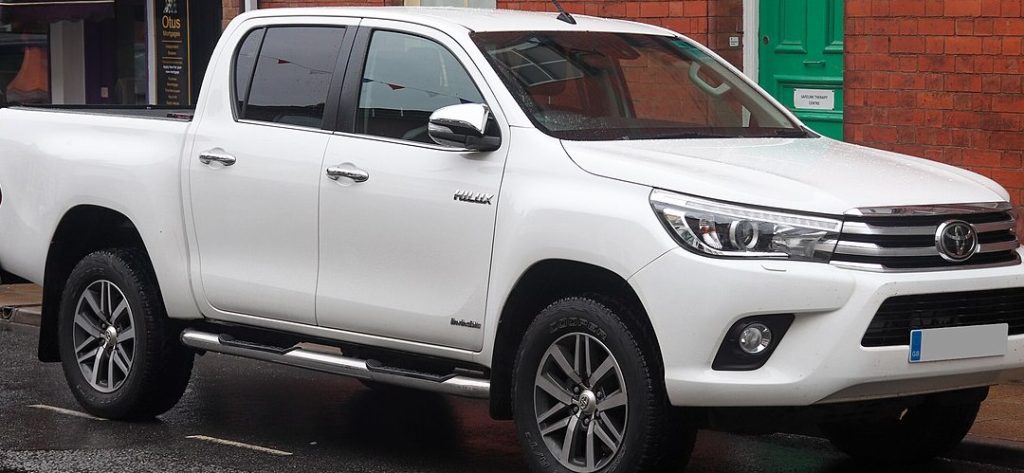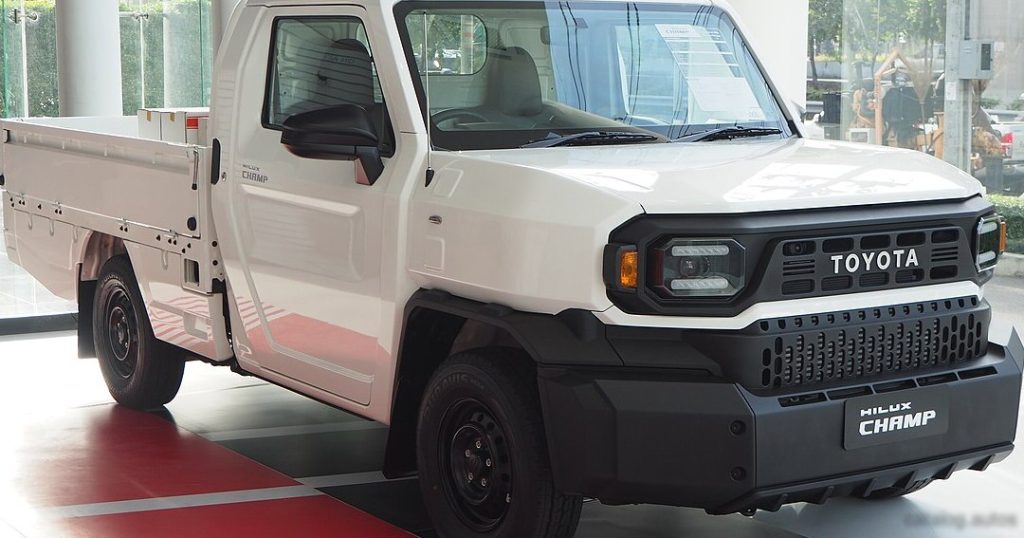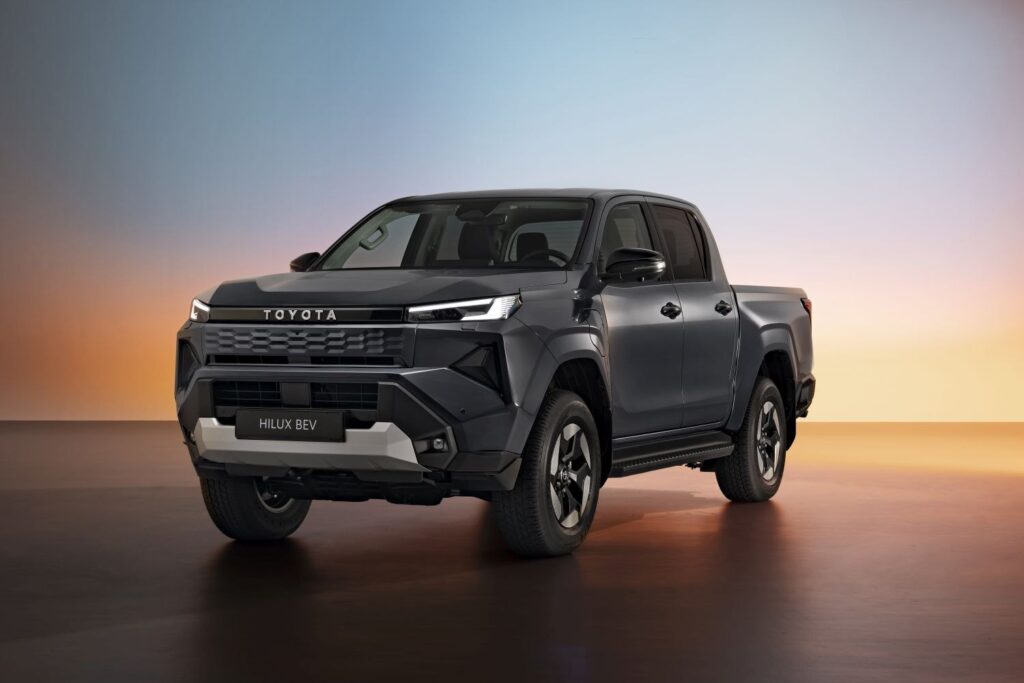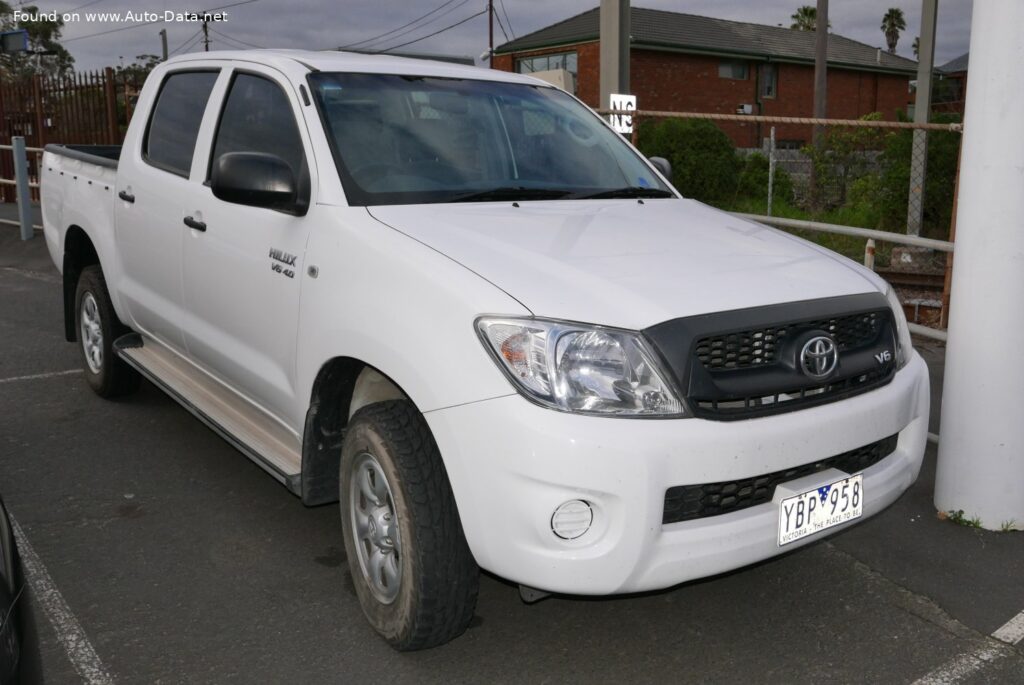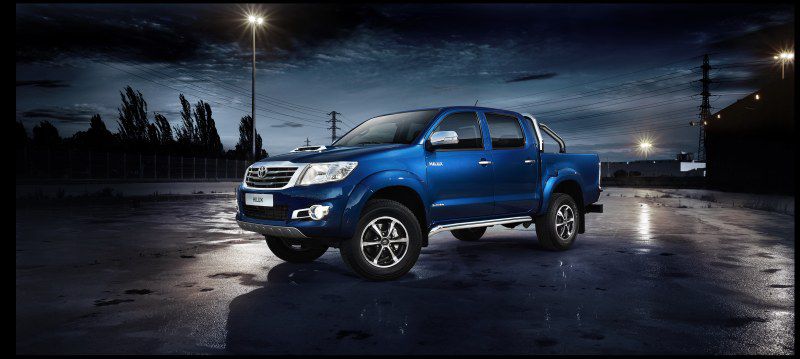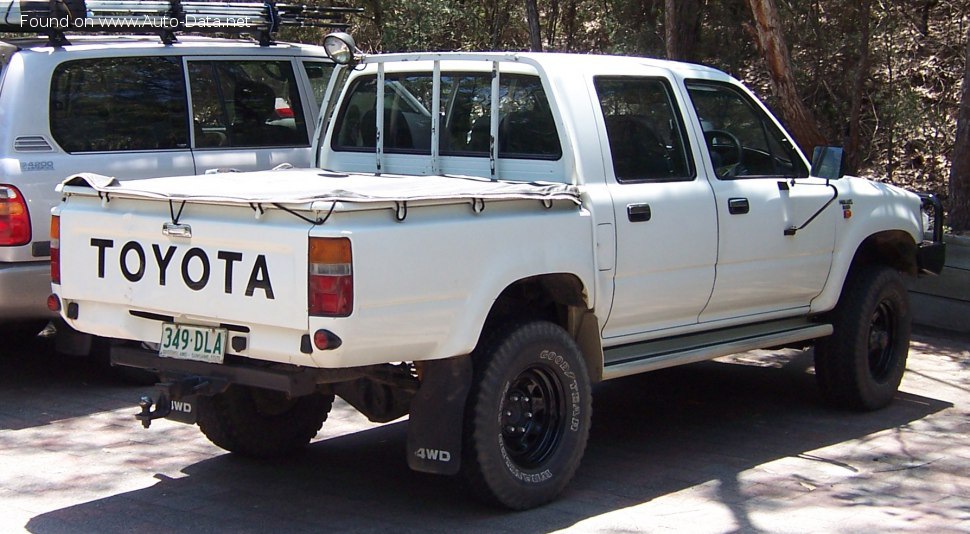
The Toyota Hilux Pick-Up 2.0 i (88 Hp), produced between 1991 and 1995, represents a significant iteration of Toyota’s globally renowned Hilux line. This particular generation, known as the Hilux Pick-Up, was primarily aimed at markets outside of North America, where the more substantial Hilux trucks were already established. It served as a versatile and robust workhorse, particularly popular in regions requiring a smaller, more maneuverable pickup truck. While not officially sold in the United States during this period, the Hilux Pick-Up embodies Toyota’s commitment to durability, reliability, and practicality, characteristics that have defined the Hilux nameplate for decades. This model filled a niche for those needing a dependable vehicle for both commercial and personal use, offering a blend of affordability and capability.
Toyota Hilux Pick-Up 2.0 i: A Detailed Overview
The Hilux Pick-Up 2.0 i was designed to cater to a broad spectrum of needs, from agricultural work to light commercial transport. Its compact dimensions and four-wheel-drive capability made it well-suited for challenging terrains and confined spaces. The 2.0-liter gasoline engine, while not exceptionally powerful by modern standards, provided sufficient torque for everyday tasks and moderate hauling. This generation of Hilux Pick-Up was known for its simple, yet effective engineering, prioritizing functionality over luxury. It was a vehicle built to withstand harsh conditions and deliver years of dependable service.
Engine & Performance
The heart of the Toyota Hilux Pick-Up 2.0 i is the 3Y-E engine, a 2.0-liter (1998 cm3 or 121.93 cu. in.) inline-four cylinder gasoline engine. This naturally aspirated engine produces 88 horsepower (Hp) at 4800 rpm and 155 Nm (114.32 lb.-ft.) of torque at 3400 rpm. The engine’s configuration is a V-engine, with a cylinder bore and piston stroke of 86 mm (3.39 in.) each. The compression ratio is set at 8:1. While the power output may seem modest today, it was considered adequate for the vehicle’s intended purpose and weight class. The longitudinal engine layout contributes to a balanced weight distribution, enhancing handling and stability. The powertrain is designed for reliability and ease of maintenance, reflecting Toyota’s engineering philosophy of the time. The 4×4 drivetrain provides enhanced traction in various conditions, making it suitable for both on-road and off-road applications.
Design & Features
The Toyota Hilux Pick-Up 2.0 i features a traditional pick-up truck body style with four doors and seating for five passengers. Its dimensions are 4435 mm (174.61 in.) in length, 1690 mm (66.54 in.) in width, and 1750 mm (68.9 in.) in height. The wheelbase measures 2650 mm (104.33 in.), with front and rear tracks of 1430 mm (56.3 in.) and 1410 mm (55.51 in.), respectively. The vehicle’s design prioritizes practicality and durability. The exterior styling is functional, with a focus on maximizing cargo space and providing protection for the engine and mechanical components. The interior is basic but comfortable, offering essential features for both driver and passengers. The braking system consists of disc brakes on the front wheels and drum brakes on the rear, providing adequate stopping power for the vehicle’s weight and performance capabilities. The Hilux Pick-Up’s design reflects its role as a utilitarian vehicle, built to withstand the rigors of daily use and provide reliable transportation in a variety of environments.
Technical Specifications
| Brand | Toyota |
| Model | Hilux |
| Generation | Hilux Pick-Up |
| Type (Engine) | 2.0 i (88 Hp) |
| Start of production | 1991 year |
| End of production | 1995 year |
| Powertrain Architecture | Internal Combustion engine |
| Body type | Pick-up |
| Seats | 5 |
| Doors | 4 |
| Fuel Type | Petrol (Gasoline) |
| Power | 88 Hp @ 4800 rpm |
| Power per litre | 44 Hp/l |
| Torque | 155 Nm @ 3400 rpm |
| Torque (lb.-ft.) | 114.32 lb.-ft. @ 3400 rpm |
| Engine layout | Front, Longitudinal |
| Engine Model/Code | 3Y-E |
| Engine displacement | 1998 cm3 |
| Engine displacement (cu. in.) | 121.93 cu. in. |
| Number of cylinders | 4 |
| Engine configuration | V-engine |
| Cylinder Bore | 86 mm |
| Cylinder Bore (in.) | 3.39 in. |
| Piston Stroke | 86 mm |
| Piston Stroke (in.) | 3.39 in. |
| Compression ratio | 8:1 |
| Engine aspiration | Naturally aspirated engine |
| Length | 4435 mm |
| Length (in.) | 174.61 in. |
| Width | 1690 mm |
| Width (in.) | 66.54 in. |
| Height | 1750 mm |
| Height (in.) | 68.9 in. |
| Wheelbase | 2650 mm |
| Wheelbase (in.) | 104.33 in. |
| Front track | 1430 mm |
| Front track (in.) | 56.3 in. |
| Rear (Back) track | 1410 mm |
| Rear (Back) track (in.) | 55.51 in. |
| Drive wheel | All wheel drive (4×4) |
| Front brakes | Disc |
| Rear brakes | Drum |
In conclusion, the Toyota Hilux Pick-Up 2.0 i (88 Hp) of the 1991-1995 period represents a practical and reliable vehicle that served a vital role in numerous markets. Its robust construction, four-wheel-drive capability, and efficient engine made it a popular choice for those seeking a dependable workhorse. While not a luxury vehicle, it offered a compelling combination of affordability, functionality, and durability, cementing its place in the Hilux legacy.