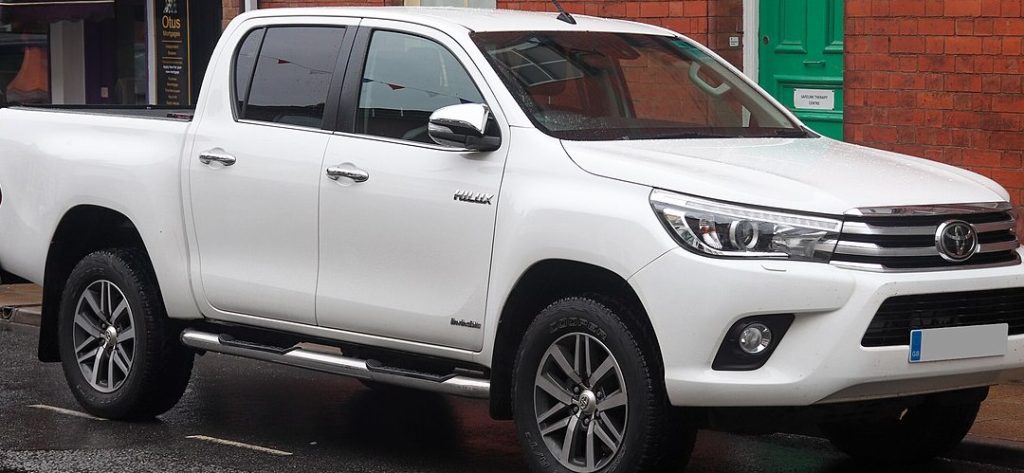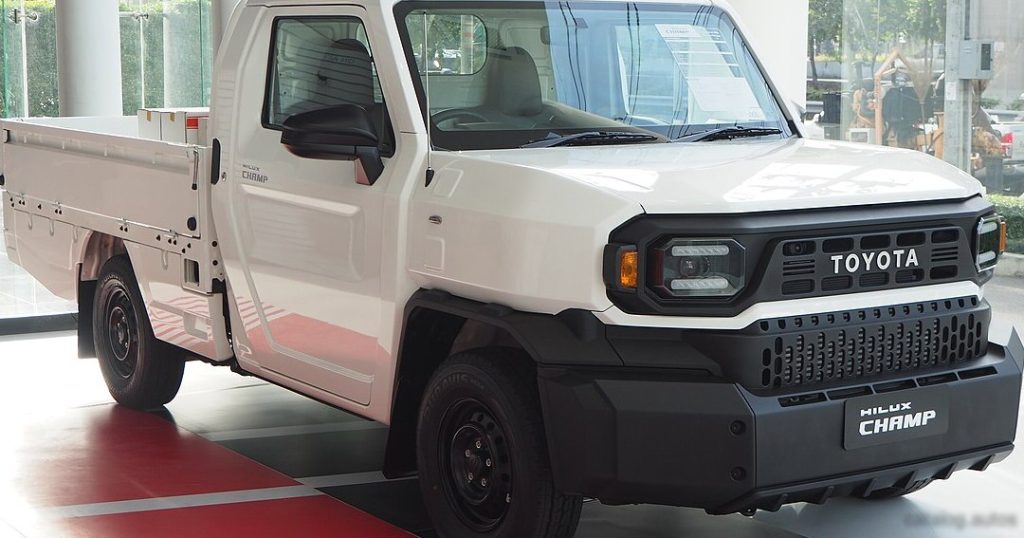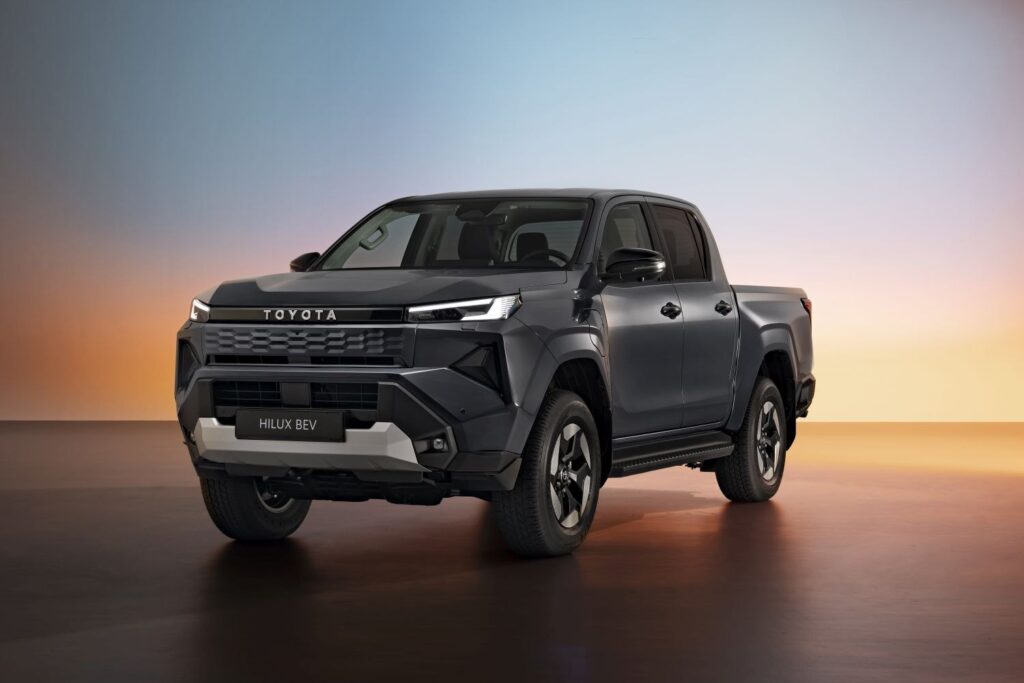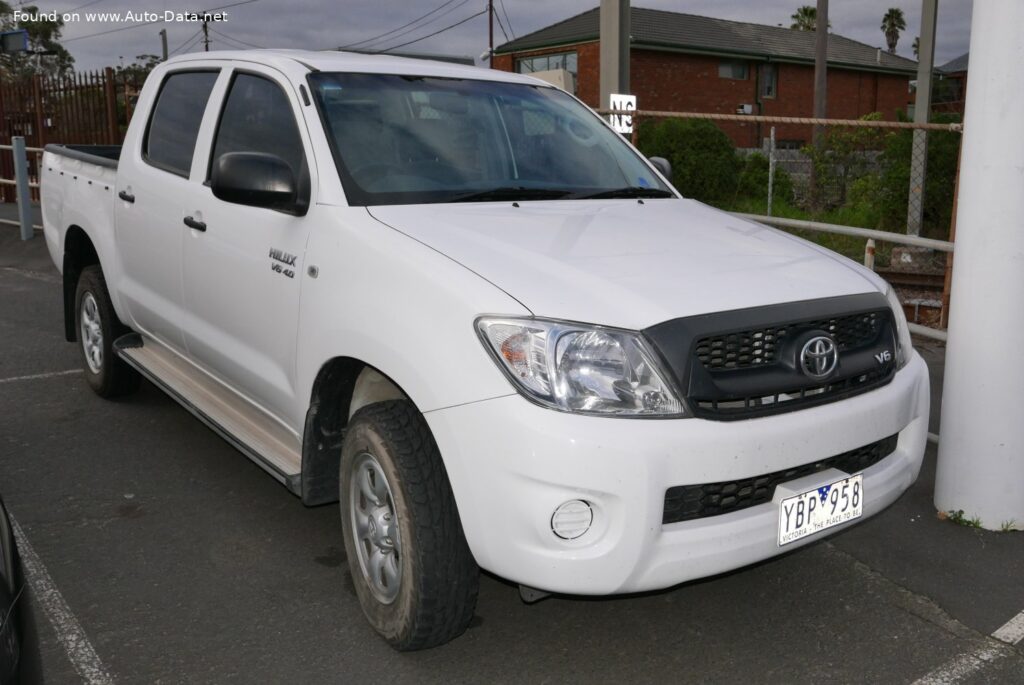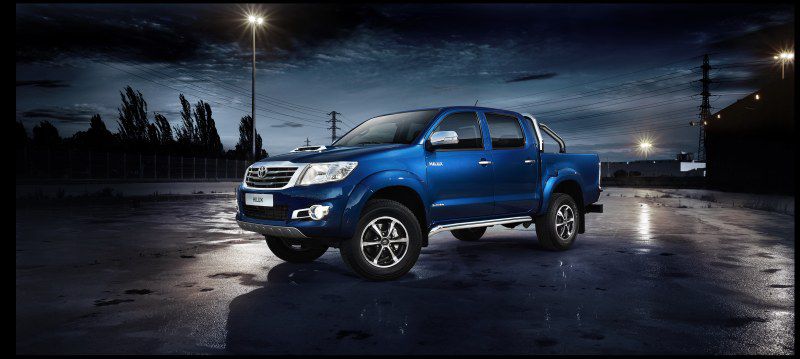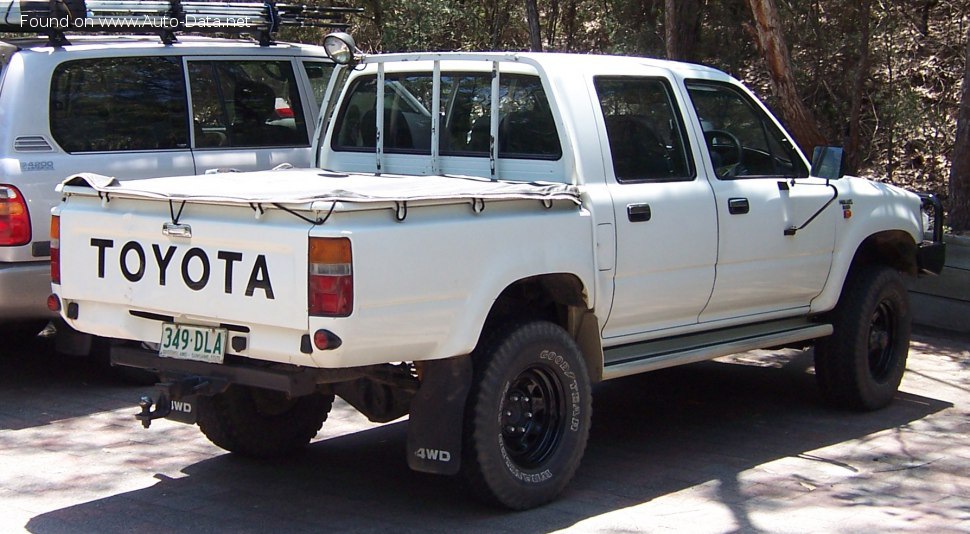
The Toyota Hilux Pick-Up 2.8 D (91 Hp) represents a significant iteration of Toyota’s globally renowned Hilux line, produced between 1991 and 1997. This generation, known as the Hilux Pick-Up, served as a workhorse vehicle primarily targeted towards markets outside of North America, where the Hilux was not officially sold during this period. Instead, Toyota offered the Tacoma as its compact pickup truck in the US. The Hilux Pick-Up 2.8 D was designed for durability, reliability, and practicality, catering to commercial users, farmers, and those requiring a robust vehicle for challenging terrains. It was a staple in regions like Australia, Asia, and parts of Europe, known for its ability to withstand harsh conditions and provide dependable transportation.
Toyota Hilux Pick-Up 2.8 D: A Detailed Overview
The Hilux has a long and storied history, dating back to 1968. The Pick-Up designation, used for several generations, specifically refers to the more utilitarian, basic versions of the Hilux, often prioritizing function over luxury. The 1991-1997 iteration continued this tradition, offering a no-nonsense approach to pickup truck design. This model year saw improvements in engine refinement and durability compared to earlier versions, solidifying the Hilux’s reputation as an almost indestructible vehicle. The 2.8 D variant, powered by the 3L diesel engine, was particularly popular due to its fuel efficiency and torque output, making it ideal for hauling and towing.
Engine & Performance
The heart of the Toyota Hilux Pick-Up 2.8 D is its 2.8-liter (2779 cm3 / 169.58 cu. in.) inline-four cylinder diesel engine, designated the 3L. This engine produced 91 horsepower (Hp) at 4000 rpm and 188 Newton-meters (Nm) of torque at 2400 rpm, which translates to 138.66 lb.-ft. of torque. While the horsepower figure might seem modest by modern standards, the engine’s strength lay in its low-end torque, providing ample pulling power for demanding tasks. The engine employed a precombustion chamber injection system, a common diesel technology of the era, and featured an overhead camshaft (OHC) valvetrain with two valves per cylinder. The naturally aspirated configuration contributed to its simplicity and reliability. The engine’s longitudinal front-engine layout optimized weight distribution and provided a stable platform for both on-road and off-road driving. The engine required 5.8 liters (6.13 US qt / 5.1 UK qt) of engine oil, adhering to specific oil specifications for optimal performance and longevity.
Design & Features
The Toyota Hilux Pick-Up 2.8 D is a classic four-door pickup truck with a seating capacity of five passengers. Its body-on-frame construction provided a robust and durable foundation, capable of withstanding significant stress and strain. The exterior design was functional and utilitarian, prioritizing practicality over aesthetics. The vehicle’s dimensions – 4435 mm (174.61 in.) in length, 1690 mm (66.54 in.) in width, and 1750 mm (68.9 in.) in height – positioned it as a compact pickup, making it relatively easy to maneuver in tight spaces. The wheelbase measured 2650 mm (104.33 in.), contributing to a stable ride. Track widths were 1430 mm (56.3 in.) at the front and 1410 mm (55.51 in.) at the rear. The Hilux Pick-Up featured a four-wheel-drive (4×4) system, enhancing its off-road capabilities. Braking duties were handled by disc brakes at the front and drum brakes at the rear, a common configuration for pickups of this era. Safety features were relatively basic compared to modern vehicles, typically including seatbelts and a robust chassis designed to absorb impacts. The focus was on building a durable vehicle rather than incorporating advanced safety technologies.
Technical Specifications
| Brand | Toyota |
| Model | Hilux |
| Generation | Hilux Pick Up |
| Type (Engine) | 2.8 D (91 Hp) |
| Start of production | 1991 year |
| End of production | 1997 year |
| Powertrain Architecture | Internal Combustion engine |
| Body type | Pick-up |
| Seats | 5 |
| Doors | 4 |
| Fuel Type | Diesel |
| Power | 91 Hp @ 4000 rpm |
| Power per litre | 32.7 Hp/l |
| Torque | 188 Nm @ 2400 rpm / 138.66 lb.-ft. @ 2400 rpm |
| Engine layout | Front, Longitudinal |
| Engine Model/Code | 3L |
| Engine displacement | 2779 cm3 / 169.58 cu. in. |
| Number of cylinders | 4 |
| Engine configuration | Inline |
| Cylinder Bore | 96 mm / 3.78 in. |
| Piston Stroke | 96 mm / 3.78 in. |
| Compression ratio | 8:1 |
| Number of valves per cylinder | 2 |
| Fuel injection system | Precombustion chamber injection |
| Engine aspiration | Naturally aspirated engine |
| Valvetrain | OHC |
| Engine oil capacity | 5.8 l / 6.13 US qt | 5.1 UK qt |
| Length | 4435 mm / 174.61 in. |
| Width | 1690 mm / 66.54 in. |
| Height | 1750 mm / 68.9 in. |
| Wheelbase | 2650 mm / 104.33 in. |
| Front track | 1430 mm / 56.3 in. |
| Rear (Back) track | 1410 mm / 55.51 in. |
| Drive wheel | All wheel drive (4×4) |
| Front brakes | Disc |
| Rear brakes | Drum |
The Toyota Hilux Pick-Up 2.8 D (91 Hp) remains a highly regarded vehicle among enthusiasts and those seeking a reliable and durable workhorse. Its simple design, robust construction, and capable diesel engine have ensured its longevity and continued use in many parts of the world. While not officially sold in the United States during its production run, the Hilux’s reputation for toughness and dependability has earned it a global following, cementing its place as one of the most iconic pickup trucks ever created.