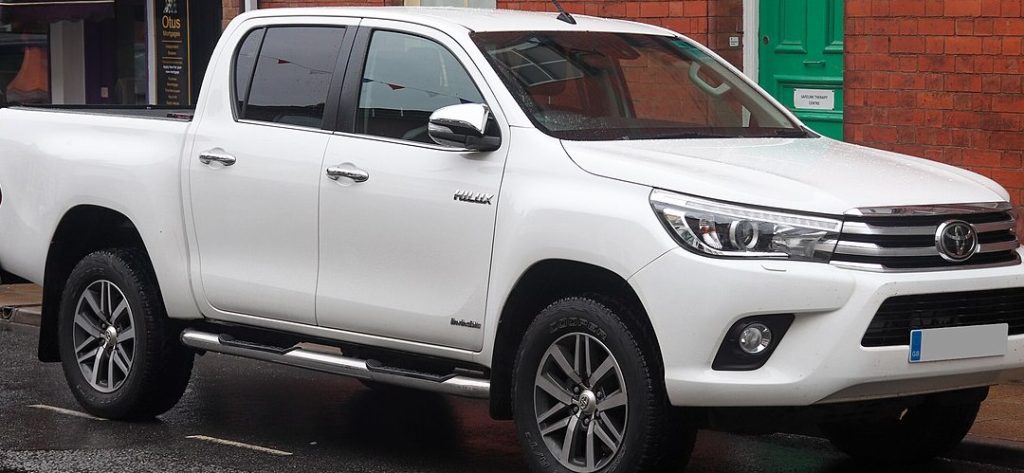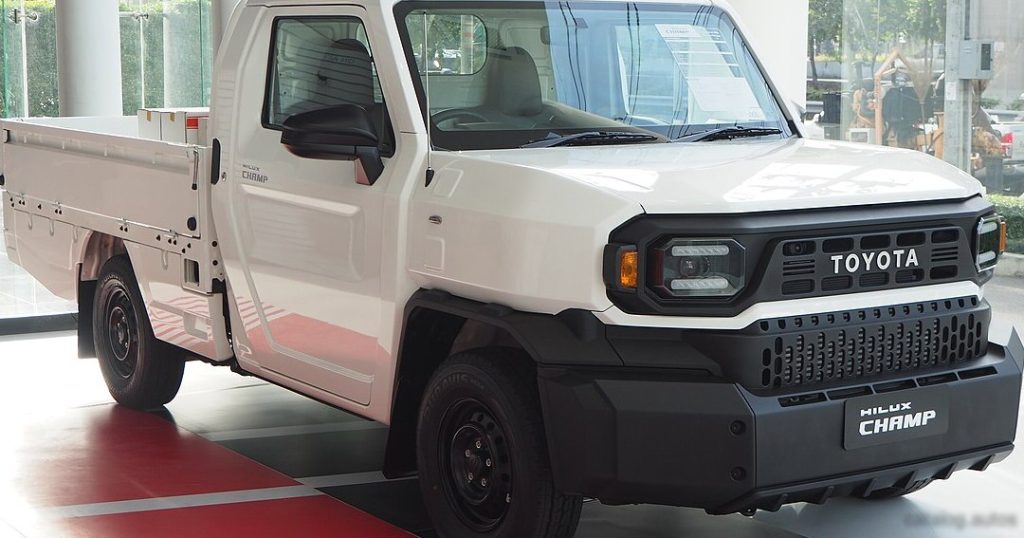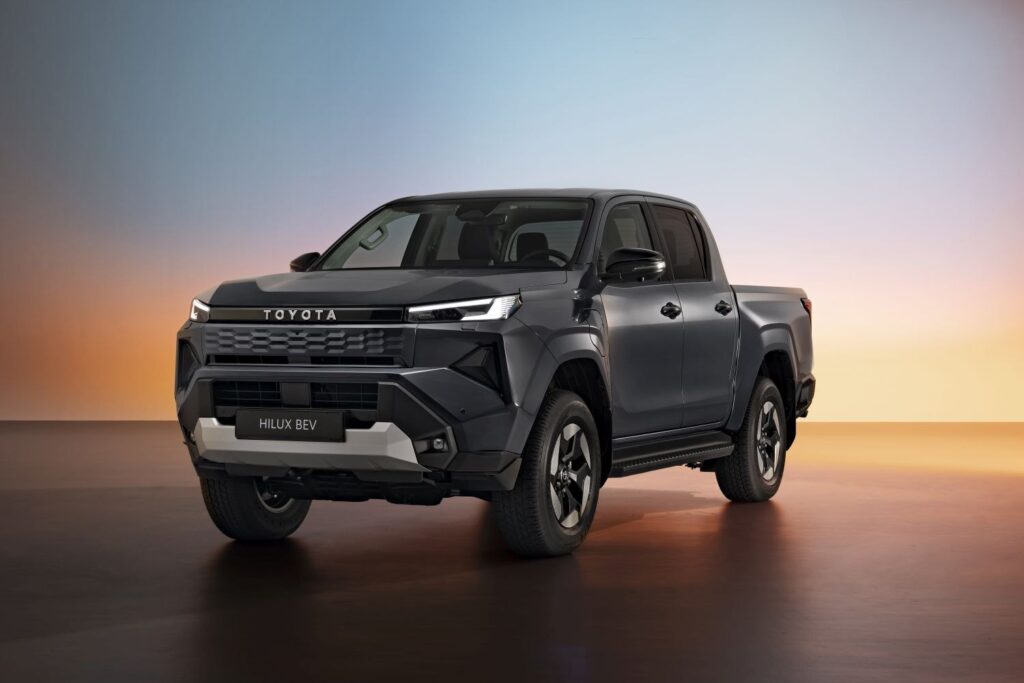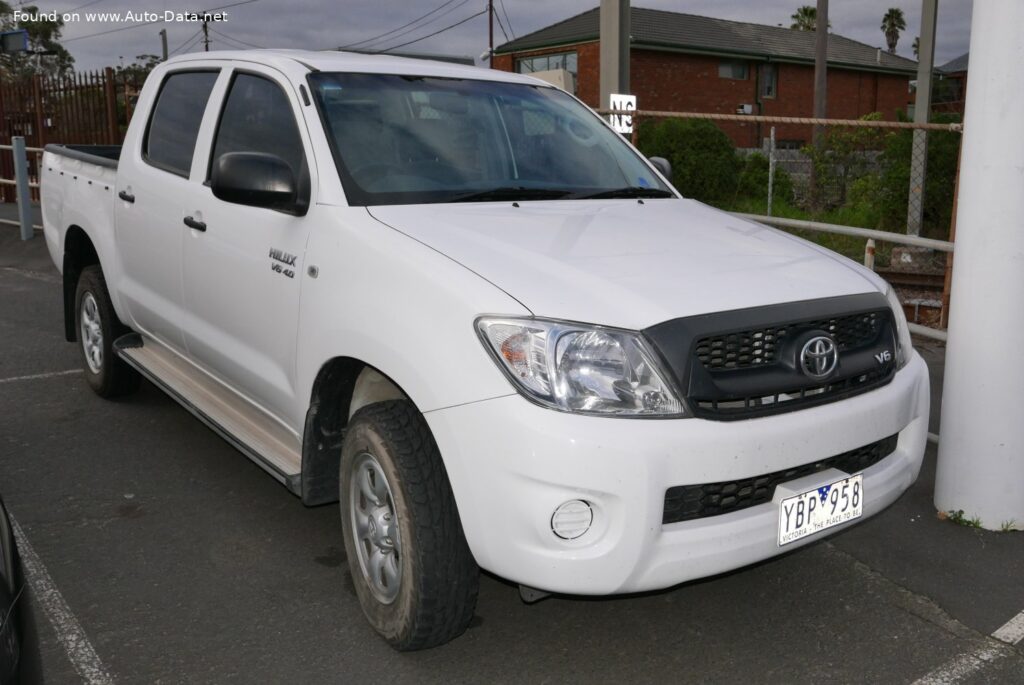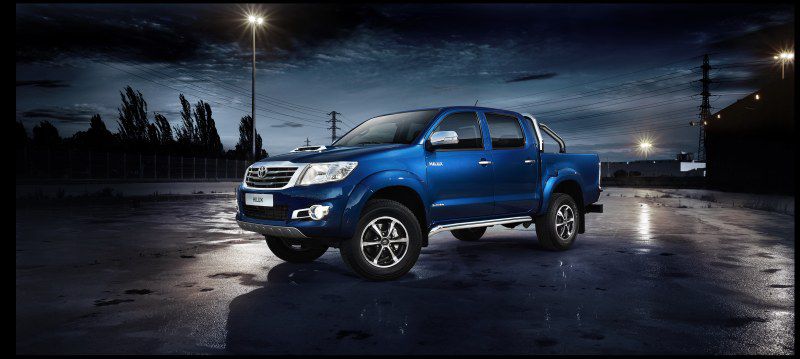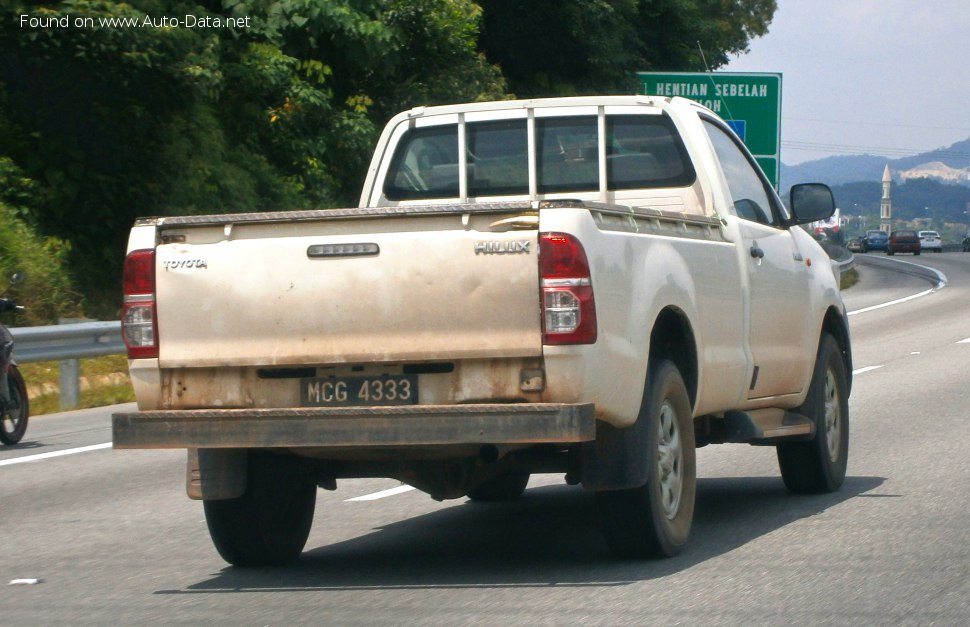
The Toyota Hilux is a globally recognized nameplate, synonymous with durability and reliability. The Hilux Single Cab VII, produced from 2005 to 2015, represents a significant iteration of this workhorse vehicle. The 2011 facelift brought updated styling and refinements to the already robust platform. This particular version, equipped with the 2.5 D-4D diesel engine and four-wheel drive, was primarily marketed outside of North America, serving as a crucial model in markets like Europe, Australia, and Asia where compact to mid-size pickup trucks remain highly popular. The Hilux consistently ranks among the best-selling vehicles in these regions, prized for its off-road capability and longevity.
Toyota Hilux Single Cab VII (2011 Facelift): A Detailed Overview
The Hilux Single Cab VII, particularly the 2011 facelift, catered to a segment demanding a practical and rugged vehicle. Unlike the larger full-size pickups common in the United States, the Hilux focused on maneuverability and fuel efficiency, making it ideal for both commercial and personal use in diverse terrains. The single-cab configuration prioritized cargo space and utility over passenger comfort, appealing to tradespeople, farmers, and those requiring a dependable vehicle for challenging work environments. The 2011 facelift included minor cosmetic updates, primarily to the front fascia, and refinements to the interior, enhancing its appeal without compromising its core functionality.
Engine & Performance
The heart of the 2011 Toyota Hilux Single Cab VII 2.5 D-4D 4WD is a 2.5-liter inline-four cylinder diesel engine, designated the 2KD-FTV. This engine produces 144 horsepower at 3400 rpm and 343 Nm (252.98 lb.-ft.) of torque between 1600 and 2800 rpm. The diesel commonrail fuel injection system and turbocharger with intercooler contribute to a balance of power and fuel economy. While not designed for outright speed, the engine delivers sufficient power for hauling and navigating challenging terrain. Acceleration from 0 to 100 km/h (0-62 mph) takes 13.3 seconds, and 0 to 60 mph is achieved in 12.6 seconds. The Hilux boasts a maximum speed of 170 km/h (105.63 mph). Fuel economy is a strong point, with combined cycle consumption rated at 7.3 l/100 km (32.2 US mpg, 38.7 UK mpg), and CO2 emissions of 194 g/km, meeting Euro 5 emission standards.
Design & Features
The Hilux Single Cab VII maintains the traditional pickup truck silhouette. Its three-door body style and two-seat configuration emphasize practicality. The vehicle’s dimensions – 5260 mm (207.09 in) in length, 1760 mm (69.29 in) in width, and 1795 mm (70.67 in) in height – provide a compact footprint for navigating urban environments while still offering a substantial cargo bed. The cargo bed volume is a generous 1500 liters (52.97 cu. ft.). The Hilux features a robust suspension system – double wishbone at the front and leaf springs at the rear – designed to handle heavy loads and rough terrain. Braking is handled by ventilated discs at the front and drums at the rear, supplemented by an Anti-lock Braking System (ABS) for enhanced safety. The 4WD system provides excellent traction in off-road conditions. Key features for this generation included a steering rack and pinion, and tires sized 205/80 R16C mounted on 6J x 16 wheel rims.
Technical Specifications
| Brand | Toyota |
| Model | Hilux |
| Generation | Hilux Single Cab VII (facelift 2011) |
| Type (Engine) | 2.5 D-4D (144 Hp) 4WD |
| Start of production | 2011 |
| End of production | 2015 |
| Powertrain Architecture | Internal Combustion engine |
| Body type | Pick-up |
| Seats | 2 |
| Doors | 3 |
| Fuel consumption (urban) | 8.6 l/100 km (27.4 US mpg, 32.8 UK mpg, 11.6 km/l) |
| Fuel consumption (extra urban) | 6.6 l/100 km (35.6 US mpg, 42.8 UK mpg, 15.2 km/l) |
| Fuel consumption (combined) | 7.3 l/100 km (32.2 US mpg, 38.7 UK mpg, 13.7 km/l) |
| CO2 emissions | 194 g/km |
| Fuel Type | Diesel |
| Acceleration 0 – 100 km/h | 13.3 sec |
| Acceleration 0 – 62 mph | 13.3 sec |
| Acceleration 0 – 60 mph | 12.6 sec |
| Maximum speed | 170 km/h (105.63 mph) |
| Emission standard | Euro 5 |
| Power | 144 Hp @ 3400 rpm |
| Torque | 343 Nm @ 1600-2800 rpm (252.98 lb.-ft. @ 1600-2800 rpm) |
| Engine layout | Front, Transverse |
| Engine Model/Code | 2KD-FTV |
| Engine displacement | 2494 cm3 (152.19 cu. in.) |
| Number of cylinders | 4 |
| Engine configuration | Inline |
| Cylinder Bore | 92 mm (3.62 in.) |
| Piston Stroke | 93.8 mm (3.69 in.) |
| Compression ratio | 15.6:1 |
| Number of valves per cylinder | 4 |
| Fuel injection system | Diesel Commonrail |
| Engine aspiration | Turbocharger, Intercooler |
| Valvetrain | DOHC |
| Engine oil capacity | 6.9 l (7.29 US qt | 6.07 UK qt) |
| Coolant | 9 l (9.51 US qt | 7.92 UK qt) |
| Max. weight | 2640 kg (5820.2 lbs.) |
| Trunk (boot) space – minimum | 1500 l (52.97 cu. ft.) |
| Fuel tank capacity | 80 l (21.13 US gal | 17.6 UK gal) |
| Max. roof load | 50 kg (110.23 lbs.) |
| Permitted trailer load with brakes (12%) | 2500 kg (5511.56 lbs.) |
| Permitted trailer load without brakes | 750 kg (1653.47 lbs.) |
| Permitted towbar download | 100 kg (220.46 lbs.) |
| Length | 5260 mm (207.09 in.) |
| Width | 1760 mm (69.29 in.) |
| Height | 1795 mm (70.67 in.) |
| Wheelbase | 3085 mm (121.46 in.) |
| Front track | 1510 mm (59.45 in.) |
| Rear (Back) track | 1510 mm (59.45 in.) |
| Minimum turning circle (turning diameter) | 13.2 m (43.31 ft.) |
| Drive wheel | All wheel drive (4×4) |
| Number of gears and type of gearbox | 5 gears, manual transmission |
| Front suspension | Double wishbone |
| Rear suspension | Leaf spring |
| Front brakes | Ventilated discs |
| Rear brakes | Drum |
| Assisting systems | ABS (Anti-lock braking system) |
| Steering type | Steering rack and pinion |
| Tires size | 205/80 R16C |
| Wheel rims size | 6J x 16 |