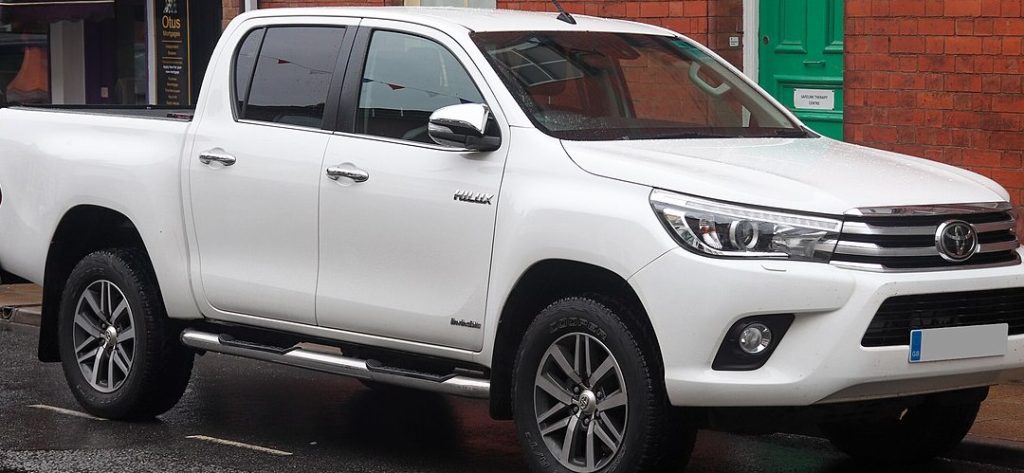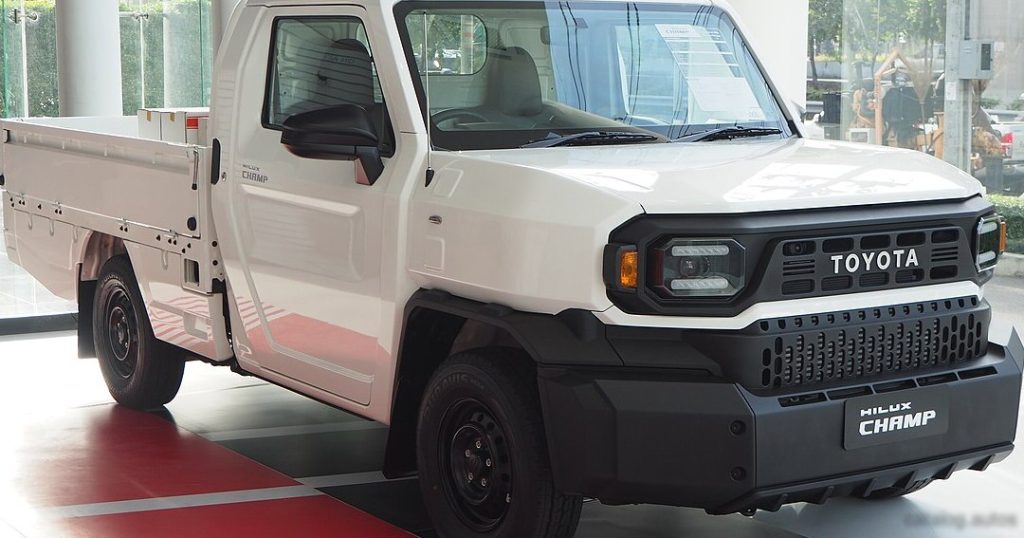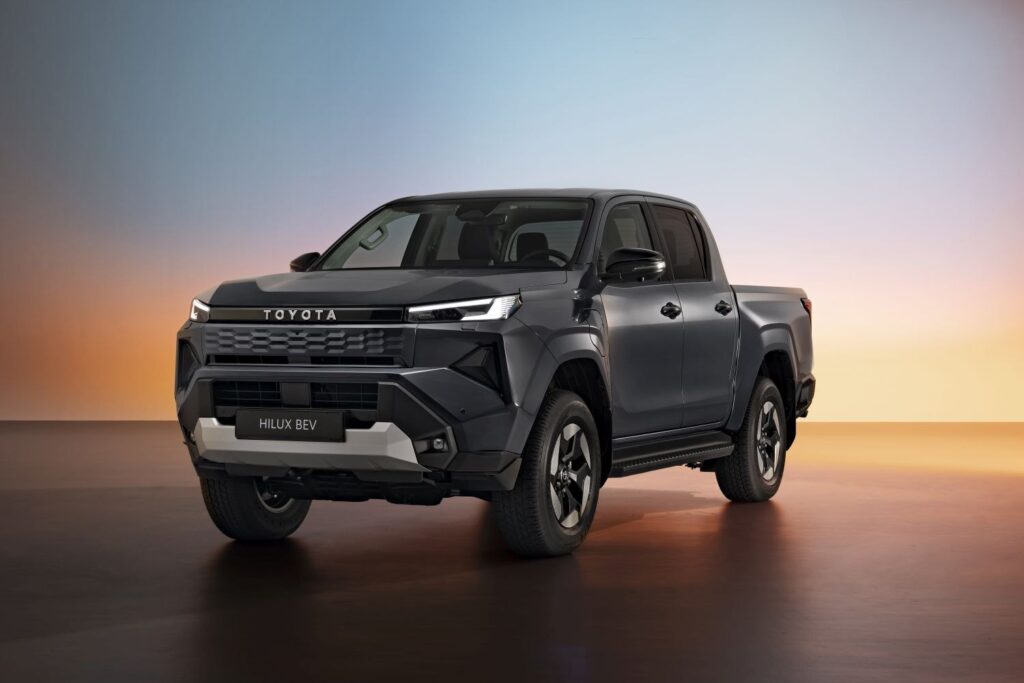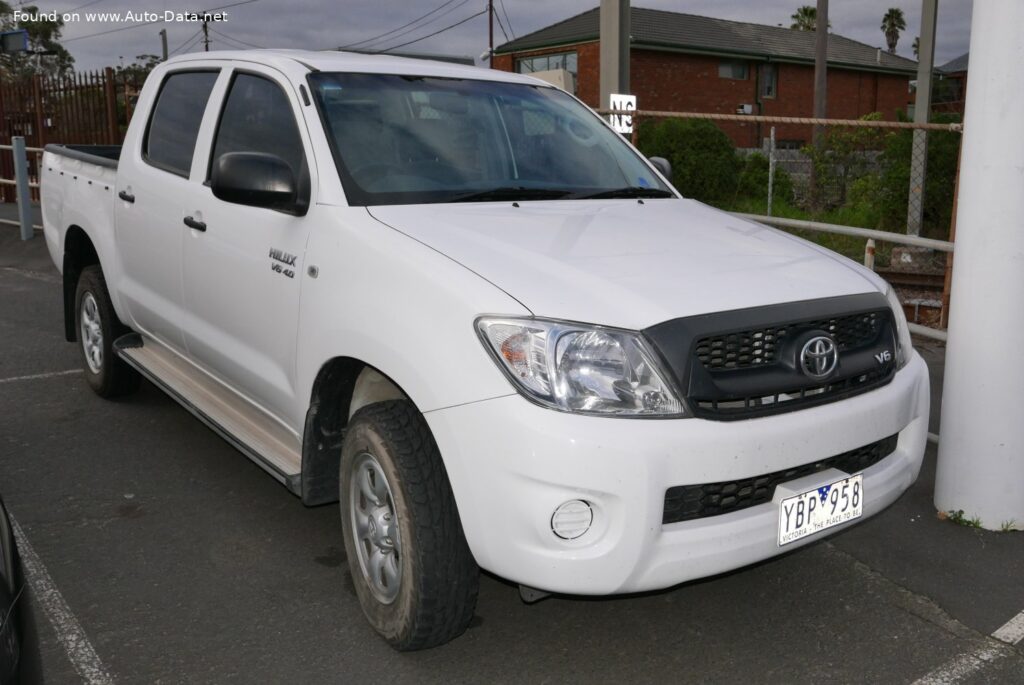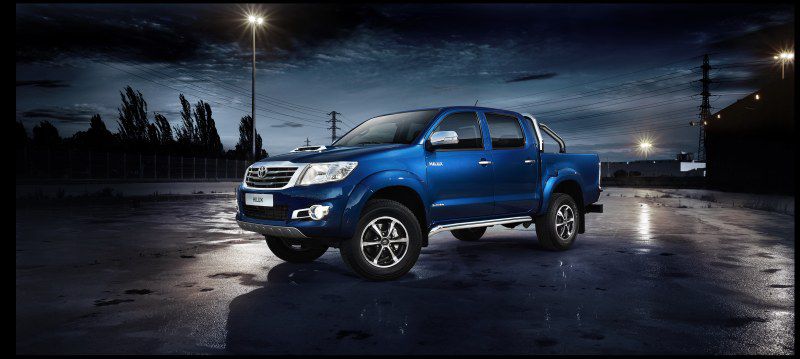
The Toyota Hilux is a globally recognized nameplate synonymous with durability and reliability. The Hilux Single Cab VIII, produced between 2015 and 2017, represents the eighth generation of this popular pickup truck. While not extensively sold in the United States in this specific configuration, the Hilux holds a dominant position in markets like Europe, Australia, Asia, and South America as a workhorse vehicle favored for its ruggedness and off-road capability. This iteration, powered by the 2.4 D-4D engine, offered a practical and efficient solution for commercial and personal use, particularly where a smaller footprint and enhanced maneuverability were desired compared to larger double-cab models.
Toyota Hilux Single Cab VIII 2.4 D-4D: An Overview
The Hilux Single Cab VIII 2.4 D-4D (150 Hp) 4WD is a three-door, two-seater pickup truck designed for utility and practicality. It caters to buyers needing a robust vehicle for work, agriculture, or off-road adventures. The “Single Cab” designation indicates a single row of seating, prioritizing cargo space over passenger capacity. The 2.4 D-4D engine signifies a diesel powerplant, known for its fuel efficiency and torque, while the “4WD” denotes a four-wheel-drive system, enhancing its all-terrain capabilities. This model was primarily aimed at markets where pickup trucks are a common sight and are often used for demanding tasks.
Engine & Performance
At the heart of the Hilux Single Cab VIII 2.4 D-4D is the 2GD-FTV 2.4-liter inline-four cylinder diesel engine. This engine produces 150 horsepower at 3400 rpm and 400 Nm (295.02 lb.-ft.) of torque between 1600 and 2000 rpm. The engine features a turbocharger with intercooler and a diesel commonrail fuel injection system, contributing to its efficiency and power delivery. The longitudinal engine layout optimizes space within the chassis. Acceleration from 0 to 100 km/h (0-62 mph) takes 13.2 seconds, while 0 to 60 mph is achieved in approximately 12.5 seconds. The Hilux boasts a maximum speed of 170 km/h (105.63 mph). The engine’s power-to-weight ratio is 12 kg/Hp, and the torque-to-weight ratio is 4.5 kg/Nm, indicating a good balance between power and vehicle mass. The engine meets Euro 6 emission standards, reflecting a commitment to reducing environmental impact.
Design & Features
The Hilux Single Cab VIII maintains the traditional pickup truck silhouette, characterized by a separate cabin and cargo bed. Its three-door configuration provides access to the two seats. The vehicle’s dimensions – 5335 mm (210.04 in.) in length, 1800 mm (70.87 in.) in width, and 1795 mm (70.67 in.) in height – make it relatively compact compared to larger pickup trucks. A key feature is its substantial ground clearance of 277 mm (10.91 in.), enabling it to navigate challenging terrain. The approach and departure angles of 30° and 25° respectively, further enhance its off-road prowess. The Hilux is equipped with a robust suspension system, featuring double wishbones at the front and leaf springs at the rear, designed to handle heavy loads and rough surfaces. Safety features include an Anti-lock Braking System (ABS). The vehicle’s drag coefficient of 0.394 contributes to its aerodynamic efficiency. The Hilux is capable of towing up to 3500 kg (7716.18 lbs.) with brakes and 750 kg (1653.47 lbs.) without brakes.
Technical Specifications
| Brand | Toyota |
| Model | Hilux |
| Generation | Hilux Single Cab VIII |
| Type (Engine) | 2.4 D-4D (150 Hp) 4WD |
| Start of production | 2015 |
| End of production | 2017 |
| Powertrain Architecture | Internal Combustion engine |
| Body type | Pick-up |
| Seats | 2 |
| Doors | 3 |
| Fuel consumption (combined) | 7.1 l/100 km |
| Fuel consumption (US mpg) | 33.1 US mpg |
| Fuel consumption (UK mpg) | 39.8 UK mpg |
| Fuel consumption (km/l) | 14.1 km/l |
| CO2 emissions | 187 g/km |
| Fuel Type | Diesel |
| Acceleration 0 – 100 km/h | 13.2 sec |
| Acceleration 0 – 62 mph | 13.2 sec |
| Acceleration 0 – 60 mph | 12.5 sec |
| Maximum speed | 170 km/h (105.63 mph) |
| Emission standard | Euro 6 |
| Weight-to-power ratio | 12 kg/Hp |
| Weight-to-torque ratio | 4.5 kg/Nm |
| Power | 150 Hp @ 3400 rpm |
| Torque | 400 Nm @ 1600-2000 rpm (295.02 lb.-ft. @ 1600-2000 rpm) |
| Engine layout | Front, Longitudinal |
| Engine Model/Code | 2GD-FTV |
| Engine displacement | 2393 cm3 (146.03 cu. in.) |
| Number of cylinders | 4 |
| Engine configuration | Inline |
| Cylinder Bore | 92 mm (3.62 in.) |
| Piston Stroke | 90 mm (3.54 in.) |
| Compression ratio | 15.6:1 |
| Number of valves per cylinder | 4 |
| Fuel injection system | Diesel Commonrail |
| Engine aspiration | Turbocharger, Intercooler |
| Valvetrain | DOHC |
| Engine oil capacity | 7.5 l (7.93 US qt | 6.6 UK qt) |
| Coolant | 8.9 l (9.4 US qt | 7.83 UK qt) |
| Kerb Weight | 1800-1850 kg (3968.32 – 4078.55 lbs.) |
| Fuel tank capacity | 80 l (21.13 US gal | 17.6 UK gal) |
| Permitted trailer load with brakes (12%) | 3500 kg (7716.18 lbs.) |
| Permitted trailer load without brakes | 750 kg (1653.47 lbs.) |
| Length | 5335 mm (210.04 in.) |
| Width | 1800 mm (70.87 in.) |
| Height | 1795 mm (70.67 in.) |
| Wheelbase | 3085 mm (121.46 in.) |
| Front track | 1495 mm (58.86 in.) |
| Rear track | 1510 mm (59.45 in.) |
| Front overhang | 1000 mm (39.37 in.) |
| Rear overhang | 1250 mm (49.21 in.) |
| Ride height (ground clearance) | 277 mm (10.91 in.) |
| Drag coefficient (Cd) | 0.394 |
| Minimum turning circle | 13.4 m (43.96 ft.) |
| Approach angle | 30° |
| Departure angle | 25° |
| Drive wheel | All wheel drive (4×4) |
| Number of gears | 6 gears, manual transmission |
| Front suspension | Double wishbone |
| Rear suspension | Leaf spring |
| Front brakes | Ventilated discs |
| Rear brakes | Drum |
| Assisting systems | ABS (Anti-lock braking system) |
| Steering type | Steering rack and pinion |
| Power steering | Electric Steering |
| Tires size | 265/65 R17 |
| Wheel rims size | 7.5J x 17 |