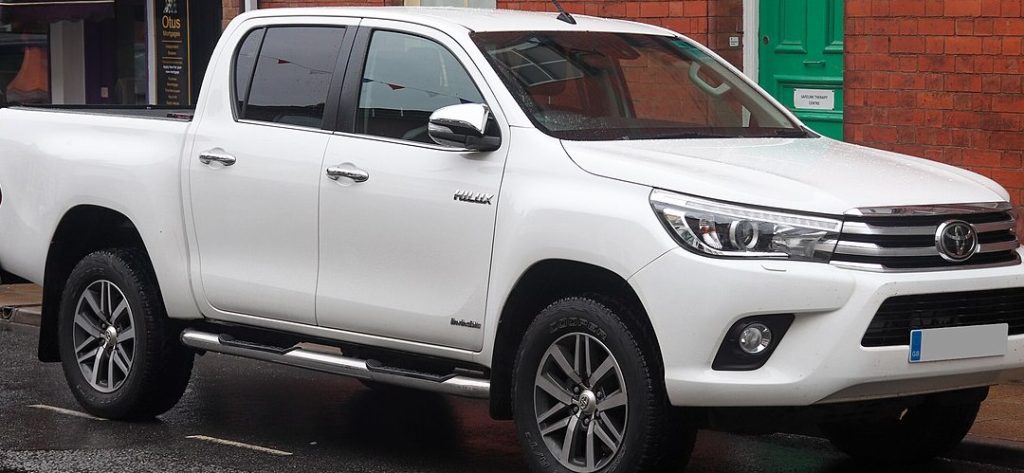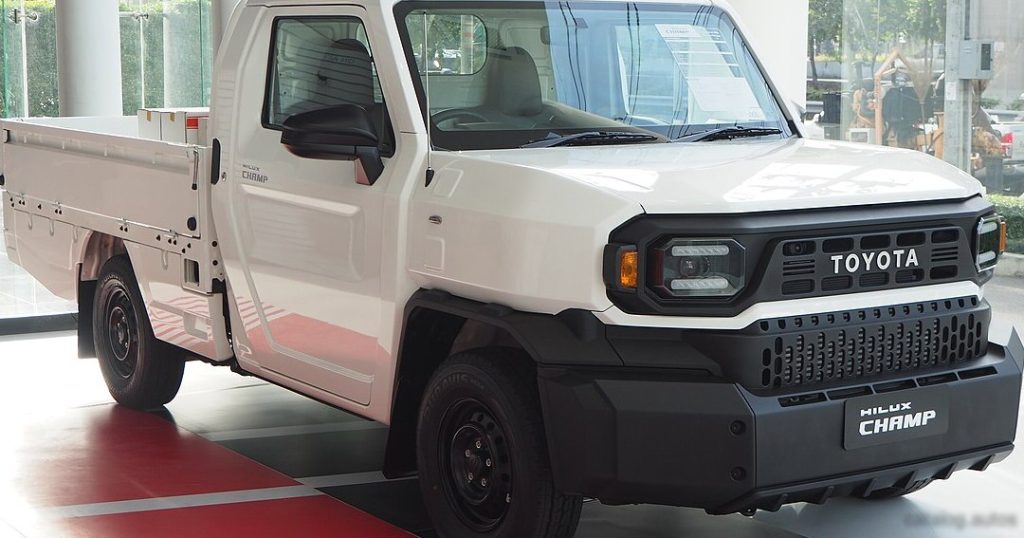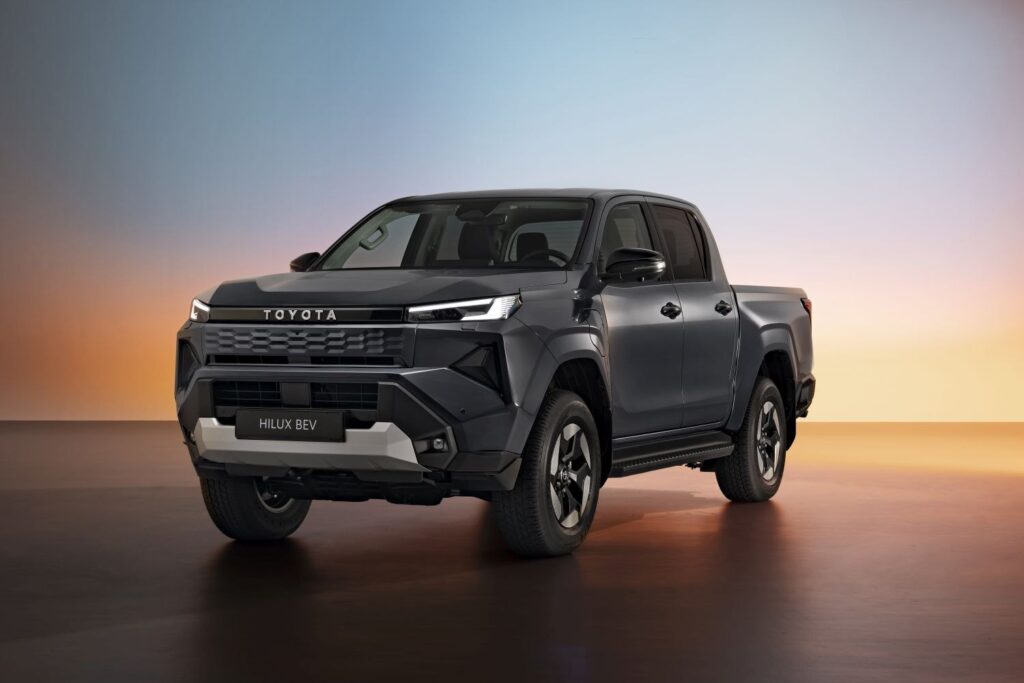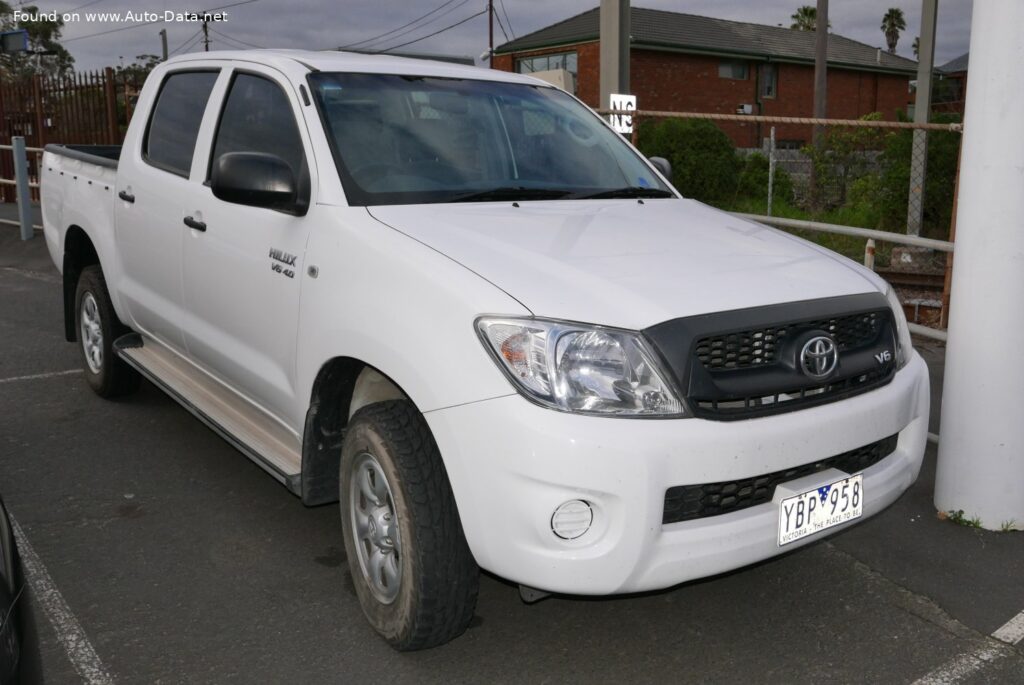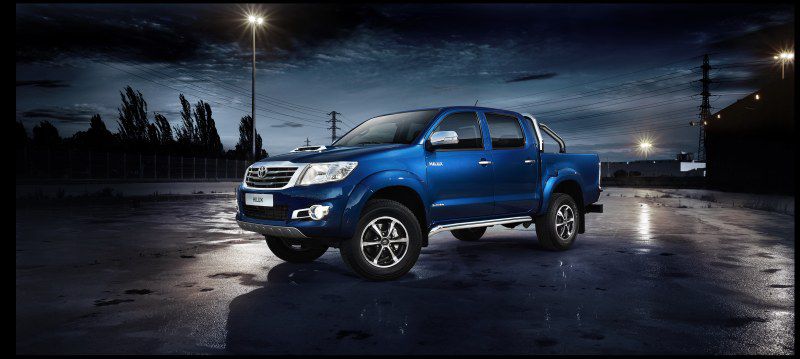
The Toyota Hilux is a globally recognized nameplate, synonymous with durability and reliability. The Hilux Single Cab VIII, specifically the facelifted version introduced in November 2017 and continuing through June 2020, represents a significant iteration of this workhorse vehicle. While not widely sold in the United States in this specific configuration, the Hilux holds a dominant position in markets like Australia, Asia, and Europe as a versatile pickup truck catering to both commercial and personal use. This generation focused on refining the existing strengths of the Hilux – its ruggedness and dependability – while incorporating updated technology and improved efficiency. The Single Cab configuration, with its two-seat layout, prioritizes cargo space and utility over passenger comfort, making it ideal for tradespeople, farmers, and those requiring a no-nonsense vehicle for demanding tasks.
Toyota Hilux Single Cab VIII (2017-2020): A Detailed Overview
The 2017 facelift brought subtle but important changes to the Hilux Single Cab VIII, enhancing its appearance and functionality. These updates included revisions to the front fascia, interior trim, and available equipment. The core appeal, however, remained the Hilux’s robust build quality and its ability to withstand harsh conditions. This model year is characterized by its 2.4-liter diesel engine, offering a balance of power and fuel economy, coupled with a selectable four-wheel-drive system for enhanced traction. The Hilux Single Cab VIII is a testament to Toyota’s engineering philosophy of creating vehicles that simply endure.
Engine & Performance
Powering the Toyota Hilux Single Cab VIII (facelift 2017) is the 2GD-FTV 2.4-liter inline-four cylinder diesel engine. This engine produces 150 horsepower at 3400 rpm and 400 Nm (295.02 lb.-ft.) of torque between 1600 and 2000 rpm. The engine utilizes a turbocharger with intercooling and a diesel common rail fuel injection system to optimize performance and efficiency. The longitudinal engine layout contributes to a balanced weight distribution. The power-to-weight ratio is 11.8 kg/Hp, or 84.5 Hp/tonne, while the torque-to-weight ratio is 4.4 kg/Nm, or 225.4 Nm/tonne. This configuration provides ample low-end torque, crucial for hauling and navigating challenging terrain. The engine’s 15.6:1 compression ratio and DOHC valvetrain further contribute to its efficiency and responsiveness. The engine requires 7.5 liters (7.93 US qt | 6.6 UK qt) of engine oil and 7.9 liters (8.35 US qt | 6.95 UK qt) of coolant for optimal operation.
Design & Features
The Hilux Single Cab VIII maintains the traditional pickup truck silhouette, characterized by a separate cab and cargo bed. Its two-door configuration and two-seat capacity prioritize practicality and cargo volume. The 2017 facelift brought minor styling updates to the front grille, headlights, and bumper, giving the truck a more modern appearance. The interior, while functional, is designed with durability in mind, featuring hard-wearing materials and a straightforward layout. Key features include a robust four-wheel-drive system, allowing for selectable drive modes to suit various conditions. Safety features, while not as extensive as in modern passenger vehicles, include an Anti-lock Braking System (ABS). The Hilux’s design emphasizes functionality and resilience, making it a reliable tool for work and adventure. The vehicle’s dimensions include a height of 1795 mm (70.67 in.), a wheelbase of 3085 mm (121.46 in.), and a kerb weight ranging from 1775 to 1795 kg (3913.21 – 3957.3 lbs.).
Technical Specifications
| General Information | |
| Brand | Toyota |
| Model | Hilux |
| Generation | Hilux Single Cab VIII (facelift 2017) |
| Type (Engine) | 2.4d (150 Hp) 4×4 |
| Start of production | November, 2017 |
| End of production | June, 2020 |
| Powertrain Architecture | Internal Combustion engine |
| Body type | Pick-up |
| Seats | 2 |
| Doors | 2 |
| Performance Specs | |
| Fuel Type | Diesel |
| Weight-to-power ratio | 11.8 kg/Hp |
| Weight-to-torque ratio | 4.4 kg/Nm |
| Power | 150 Hp @ 3400 rpm |
| Power per litre | 62.7 Hp/l |
| Torque | 400 Nm @ 1600-2000 rpm / 295.02 lb.-ft. @ 1600-2000 rpm |
| Engine Specs | |
| Engine layout | Front, Longitudinal |
| Engine Model/Code | 2GD-FTV |
| Engine displacement | 2393 cm3 / 146.03 cu. in. |
| Number of cylinders | 4 |
| Engine configuration | Inline |
| Cylinder Bore | 92 mm / 3.62 in. |
| Piston Stroke | 90 mm / 3.54 in. |
| Compression ratio | 15.6:1 |
| Number of valves per cylinder | 4 |
| Fuel injection system | Diesel Commonrail |
| Engine aspiration | Turbocharger, Intercooler |
| Valvetrain | DOHC |
| Engine oil capacity | 7.5 l / 7.93 US qt | 6.6 UK qt |
| Coolant | 7.9 l / 8.35 US qt | 6.95 UK qt |
| Space, Volume and Weights | |
| Kerb Weight | 1775-1795 kg / 3913.21 – 3957.3 lbs. |
| Max. weight | 3000 kg / 6613.87 lbs. |
| Max load | 1205-1225 kg / 2656.57 – 2700.66 lbs. |
| Fuel tank capacity | 80 l / 21.13 US gal | 17.6 UK gal |
| Permitted trailer load with brakes (12%) | 3200 kg / 7054.79 lbs. |
| Permitted trailer load without brakes | 750 kg / 1653.47 lbs. |
| Dimensions | |
| Height | 1795 mm / 70.67 in. |
| Wheelbase | 3085 mm / 121.46 in. |
| Front track | 1495 mm / 58.86 in. |
| Rear (Back) track | 1510 mm / 59.45 in. |
| Front overhang | 1000 mm / 39.37 in. |
| Drivetrain, Brakes and Suspension | |
| Drive wheel | All wheel drive (4×4) |
| Number of gears and type of gearbox | 6 gears, manual transmission |
| Front suspension | Double wishbone |
| Rear suspension | Double wishbone |
| Front brakes | Ventilated discs |
| Rear brakes | Drum |
| Assisting systems | ABS (Anti-lock braking system) |
| Steering type | Steering rack and pinion |
| Power steering | Hydraulic Steering |
| Tires size | 225/70 R17 |
| Wheel rims size | 6J x 17 |