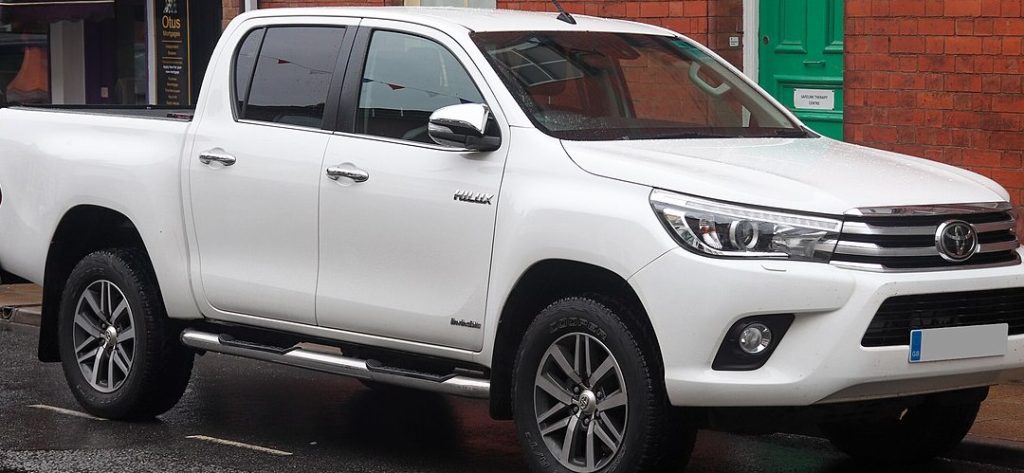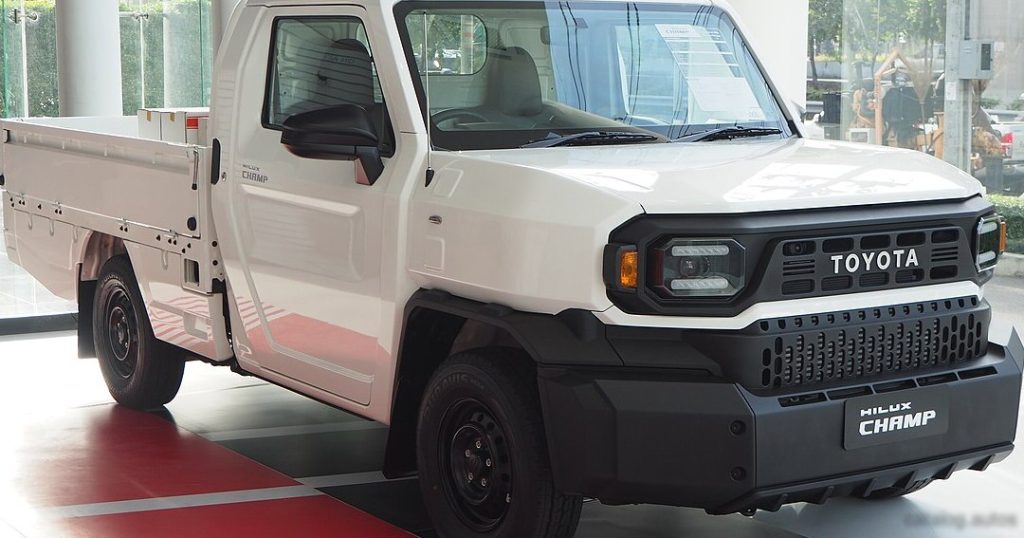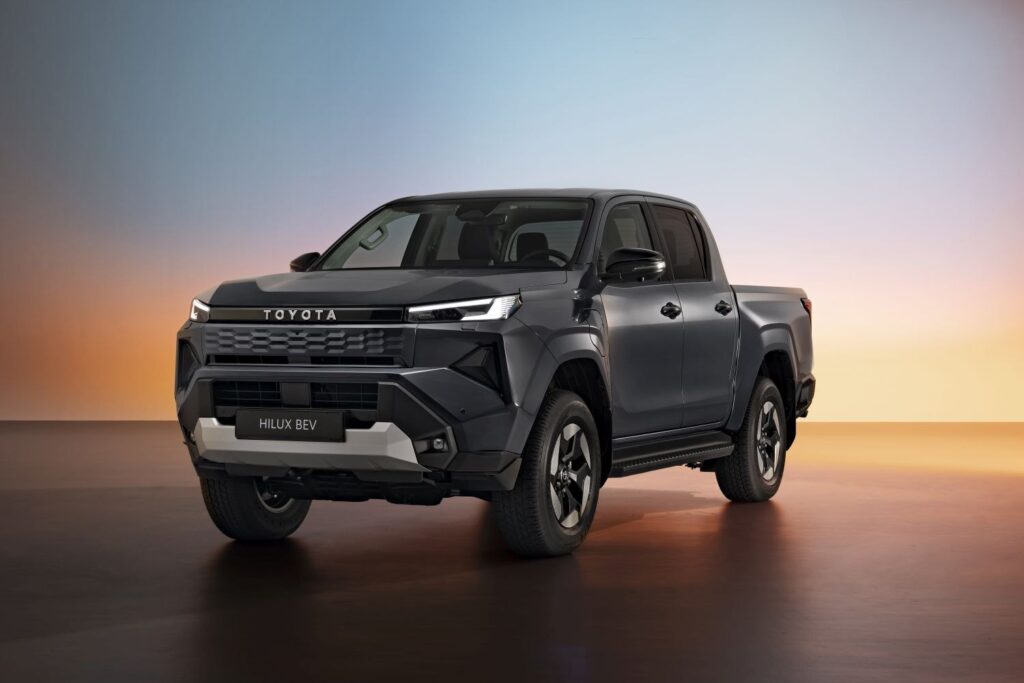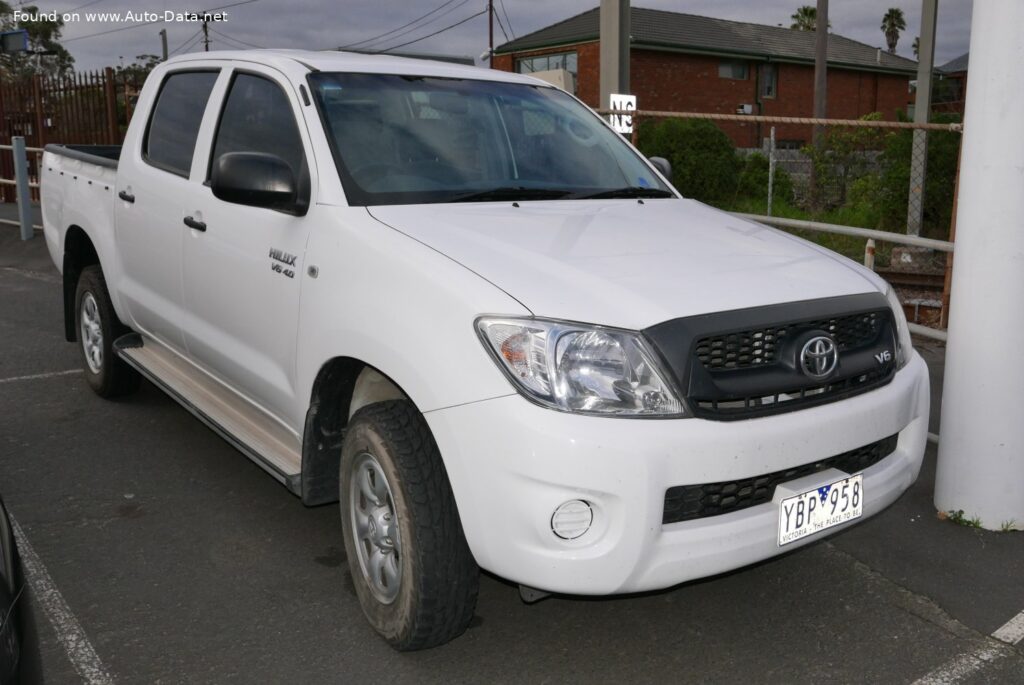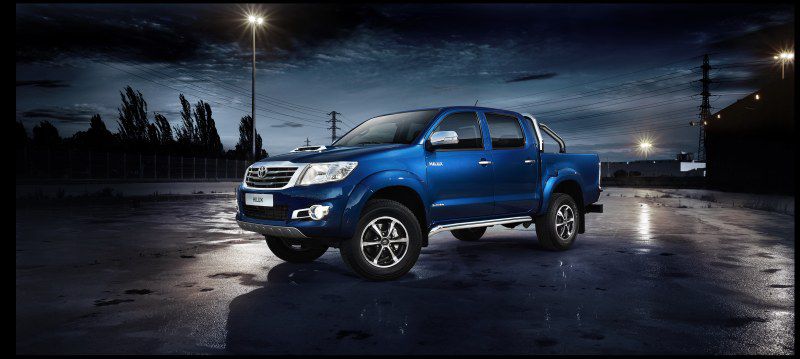
The Toyota Hilux Single Cab VIII (facelift 2017) 2.7i (166 Hp) represents a continuation of Toyota’s globally renowned Hilux line, a pickup truck celebrated for its durability and reliability. This particular iteration, produced from November 2017 to June 2020, was primarily aimed at markets outside of North America, where the Hilux isn’t officially sold. Instead, it served as a crucial workhorse in regions like Europe, Asia, Australia, and Latin America, offering a robust and practical solution for commercial and personal use. The facelift brought minor cosmetic and equipment updates to the eighth-generation Hilux, solidifying its position as a leading mid-size pickup in those territories. This model specifically features a 2.7-liter inline-four gasoline engine, offering a balance of power and fuel efficiency for a variety of applications.
Toyota Hilux Single Cab VIII (facelift 2017) 2.7i: Overview
The Hilux has a long and storied history, dating back to 1968. Over generations, it has earned a reputation for being virtually indestructible, a claim often put to the test in challenging environments. The eighth generation, introduced in 2016, built upon this legacy with improved comfort, refinement, and technology. The 2017 facelift further enhanced these aspects, addressing customer feedback and keeping the Hilux competitive in a rapidly evolving market. The Single Cab configuration, with its two seats and extended cargo bed, caters to those prioritizing utility and functionality over passenger space. It’s a popular choice for businesses, farmers, and individuals requiring a dependable vehicle for hauling and work-related tasks.
Engine & Performance
Powering the Toyota Hilux Single Cab VIII (facelift 2017) 2.7i is the 2TR-FE 2.7-liter inline-four gasoline engine. This naturally aspirated engine produces 166 horsepower at 5200 rpm and 245 Nm (180.7 lb.-ft.) of torque at 4000 rpm. While not the most powerful engine in the Hilux range (diesel options were also available), the 2.7i provides adequate performance for everyday tasks and moderate towing needs. The engine’s power-to-weight ratio is 8.9 kg/Hp, and 112.5 Hp/tonne, indicating a reasonable level of responsiveness. The weight-to-torque ratio is 6 kg/Nm, or 166.1 Nm/tonne. It’s paired with a 5-speed manual transmission, delivering power to the rear wheels. The longitudinal engine layout contributes to a balanced weight distribution. The engine utilizes a multi-port manifold fuel injection system and a DOHC, D-VVT-i valvetrain for optimized efficiency and performance.
Design & Features
The Hilux Single Cab VIII (facelift 2017) maintains the traditional pickup truck silhouette, characterized by a robust and utilitarian design. The Single Cab configuration features a two-door body style with a spacious cargo bed, ideal for transporting goods and equipment. The 2017 facelift included subtle styling updates to the front fascia, such as a revised grille and bumper, enhancing its visual appeal. Inside, the cabin is functional and durable, prioritizing practicality over luxury. While not lavishly equipped, it offers essential features for driver comfort and convenience. Safety features include an Anti-lock Braking System (ABS), a standard inclusion for the time. The hydraulic power steering provides responsive handling, and the suspension system, comprised of double wishbones on both the front and rear axles, ensures a comfortable ride even when carrying heavy loads. The vehicle rides on 215/65 R16 tires mounted on 6J x 16 inch wheel rims.
Technical Specifications
| Brand | Toyota |
| Model | Hilux |
| Generation | Hilux Single Cab VIII (facelift 2017) |
| Type (Engine) | 2.7i (166 Hp) |
| Start of production | November, 2017 |
| End of production | June, 2020 |
| Powertrain Architecture | Internal Combustion engine |
| Body type | Pick-up |
| Seats | 2 |
| Doors | 2 |
| Fuel Type | Petrol (Gasoline) |
| Weight-to-power ratio | 8.9 kg/Hp |
| Weight-to-torque ratio | 6 kg/Nm |
| Power | 166 Hp @ 5200 rpm |
| Power per litre | 61.6 Hp/l |
| Torque | 245 Nm @ 4000 rpm / 180.7 lb.-ft. @ 4000 rpm |
| Engine layout | Front, Longitudinal |
| Engine Model/Code | 2TR-FE |
| Engine displacement | 2694 cm3 / 164.4 cu. in. |
| Number of cylinders | 4 |
| Engine configuration | Inline |
| Cylinder Bore | 95 mm / 3.74 in. |
| Piston Stroke | 95 mm / 3.74 in. |
| Compression ratio | 10.2:1 |
| Number of valves per cylinder | 4 |
| Fuel injection system | Multi-port manifold injection |
| Engine aspiration | Naturally aspirated engine |
| Valvetrain | DOHC, D-VVT-i |
| Engine oil capacity | 5.6 l / 5.92 US qt | 4.93 UK qt |
| Coolant | 7.8 l / 8.24 US qt | 6.86 UK qt |
| Kerb Weight | 1475 kg / 3251.82 lbs |
| Max. weight | 2700 kg / 5952.48 lbs |
| Max load | 1225 kg / 2700.66 lbs |
| Fuel tank capacity | 80 l / 21.13 US gal | 17.6 UK gal |
| Permitted trailer load with brakes (12%) | 2500 kg / 5511.56 lbs |
| Permitted trailer load without brakes | 750 kg / 1653.47 lbs |
| Height | 1690 mm / 66.54 in. |
| Wheelbase | 3085 mm / 121.46 in. |
| Front track | 1510 mm / 59.45 in. |
| Rear (Back) track | 1510 mm / 59.45 in. |
| Front overhang | 1000 mm / 39.37 in. |
| Drivetrain Architecture | Rear wheel drive |
| Number of gears and type of gearbox | 5 gears, manual transmission |
| Front suspension | Double wishbone |
| Rear suspension | Double wishbone |
| Front brakes | Ventilated discs |
| Rear brakes | Drum |
| Assisting systems | ABS (Anti-lock braking system) |
| Steering type | Steering rack and pinion |
| Power steering | Hydraulic Steering |
| Tires size | 215/65 R16 |
| Wheel rims size | 6J x 16 |
The Toyota Hilux Single Cab VIII (facelift 2017) 2.7i remains a popular choice for those seeking a dependable and capable pickup truck, particularly in markets where its practicality and durability are highly valued. While not available in the US market, it represents a significant part of Toyota’s global success story.