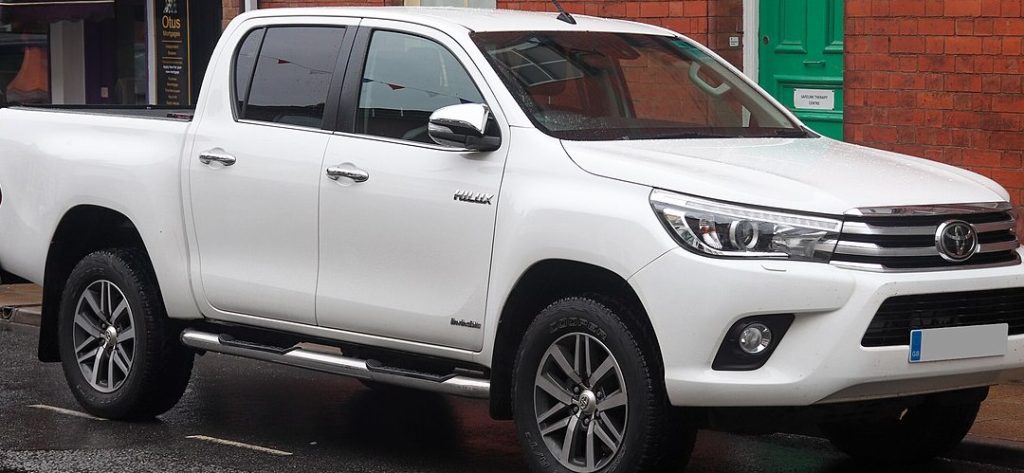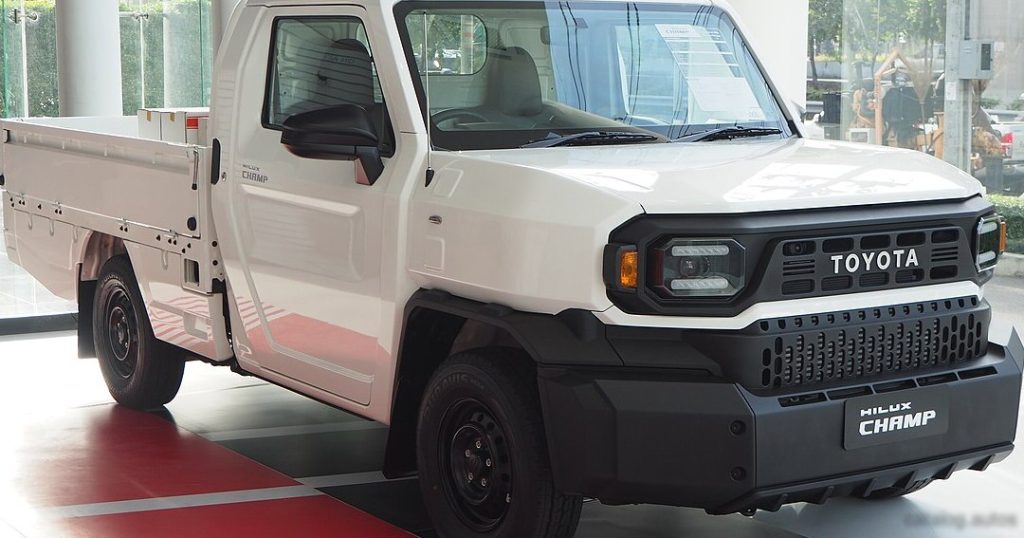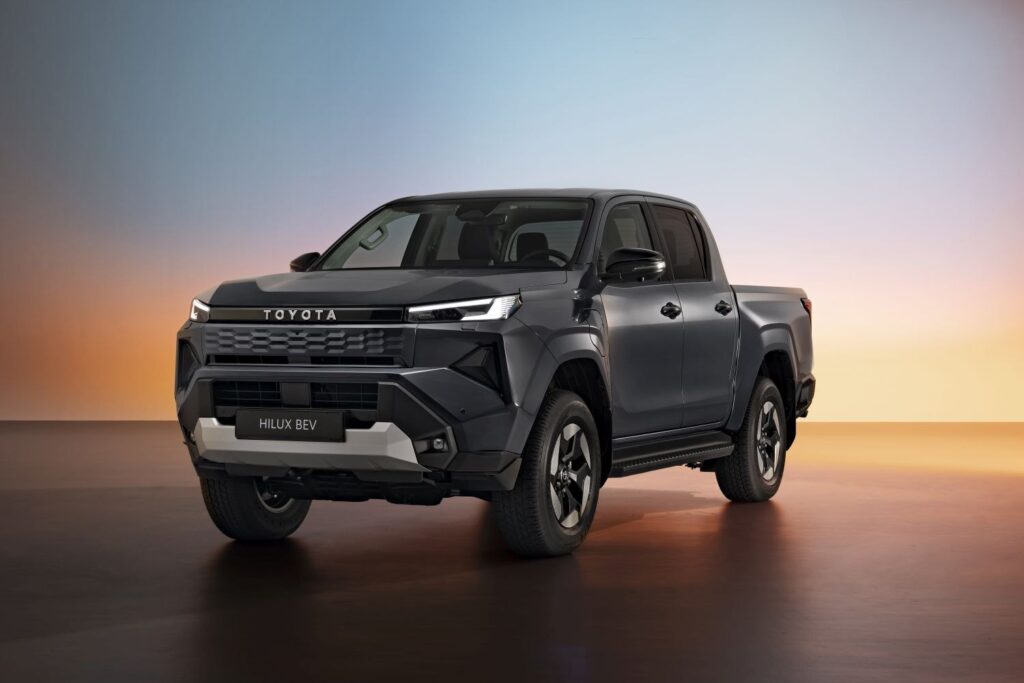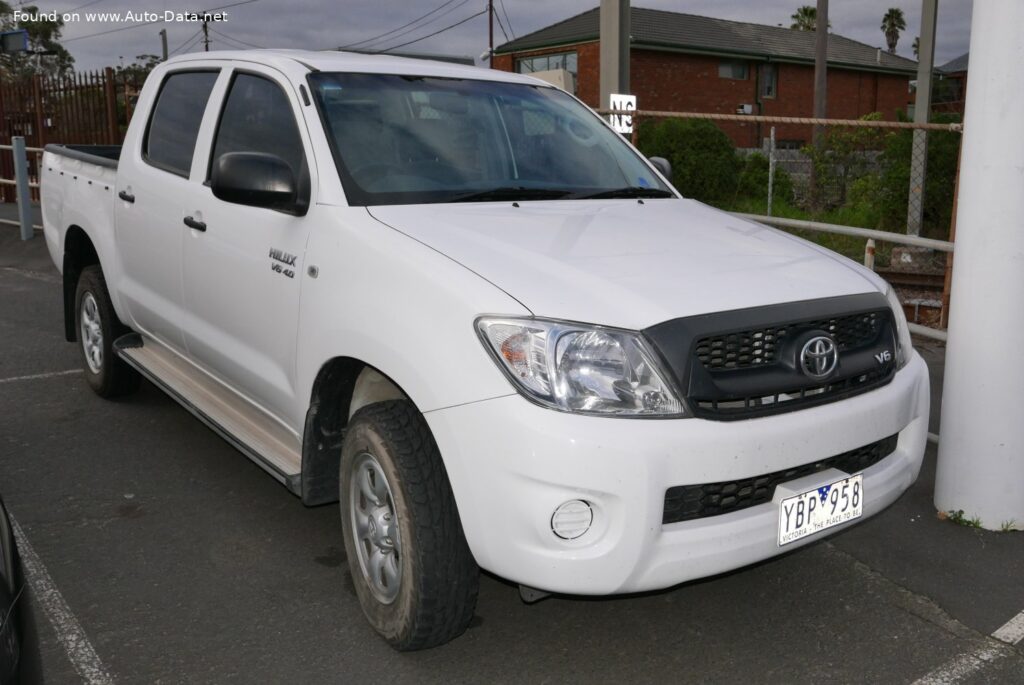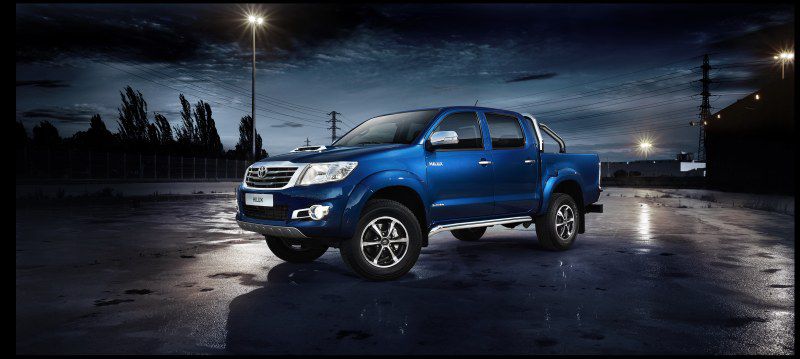
The Toyota Hilux Single Cab VIII (facelift 2017) 2.8d (177 Hp) 4×4 Automatic represents a significant iteration of Toyota’s globally renowned pickup truck. Introduced in November 2017 and continuing through June 2020, this model served primarily as a workhorse vehicle in markets outside of North America, particularly in Europe, Australia, Asia, and South America. While the Hilux has a long and storied history in the US with earlier generations, this specific eighth-generation facelift was not officially sold here. It catered to buyers needing a robust, reliable, and capable vehicle for commercial and off-road applications. The Single Cab configuration, with its two-seat layout, prioritized practicality and cargo space over passenger comfort, making it ideal for businesses and individuals requiring a dedicated utility vehicle.
Toyota Hilux Single Cab VIII: A Global Workhorse
The Hilux has earned a reputation for unparalleled durability and reliability, often operating in some of the world’s harshest environments. The eighth-generation, and particularly the 2017 facelift, built upon this legacy with improvements to its powertrain, chassis, and features. This version of the Hilux was designed to meet increasingly stringent emissions standards while maintaining its core strengths of toughness and off-road capability. The 2.8-liter diesel engine, coupled with a six-speed automatic transmission and a four-wheel-drive system, provided a balance of power, efficiency, and usability. The Single Cab configuration, while less common in North America, remains a popular choice in many regions where cargo capacity and utilitarian functionality are paramount.
Engine & Performance
At the heart of the Toyota Hilux Single Cab VIII (facelift 2017) 2.8d 4×4 Automatic lies the 1GD-FTV 2.8-liter inline-four cylinder diesel engine. This engine produces 177 horsepower at 3400 rpm and 450 Newton-meters (331.9 lb.-ft.) of torque between 1600 and 2400 rpm. The engine’s common-rail direct injection system and turbocharger with intercooler contribute to its efficient operation and responsive power delivery. The longitudinal engine layout optimizes weight distribution, enhancing handling and stability. The six-speed automatic transmission provides smooth and efficient gear changes, making it suitable for both on-road driving and challenging off-road conditions. The weight-to-power ratio of 10.1 kg/Hp and the weight-to-torque ratio of 4 kg/Nm demonstrate a good balance between engine output and vehicle weight, resulting in respectable performance. The engine’s displacement of 2755 cm3 (168.12 cu. in.) and a compression ratio of 15.6:1 further contribute to its efficiency and power.
Design & Features
The Toyota Hilux Single Cab VIII (facelift 2017) is a traditional pickup truck design, featuring a two-door configuration and a separate cargo bed. The Single Cab layout provides a spacious cargo area, making it ideal for hauling equipment, materials, or tools. The vehicle’s robust construction and high ground clearance contribute to its off-road capability. The 2017 facelift brought subtle styling updates, including revised front fascia and lighting elements, enhancing its modern appearance. Key features include a double wishbone suspension system both front and rear, providing a comfortable ride and good handling characteristics. Ventilated front disc brakes and drum brakes on the rear provide adequate stopping power. Safety features, such as ABS (Anti-lock Braking System), were standard, enhancing driver control in emergency situations. The Hilux’s utilitarian interior focuses on durability and functionality, with durable materials and a straightforward layout. The vehicle is equipped with hydraulic power steering for ease of maneuverability. The standard tire size is 225/70 R17, mounted on 6J x 17 inch wheel rims.
Technical Specifications
| General Information | |
| Brand | Toyota |
| Model | Hilux |
| Generation | Hilux Single Cab VIII (facelift 2017) |
| Type (Engine) | 2.8d (177 Hp) 4×4 Automatic |
| Start of production | November, 2017 |
| End of production | June, 2020 |
| Powertrain Architecture | Internal Combustion engine |
| Body type | Pick-up |
| Seats | 2 |
| Doors | 2 |
| Performance Specs | |
| Fuel Type | Diesel |
| Weight-to-power ratio | 10.1 kg/Hp |
| Weight-to-torque ratio | 4 kg/Nm |
| Engine Specs | |
| Power | 177 Hp @ 3400 rpm |
| Power per litre | 64.2 Hp/l |
| Torque | 450 Nm @ 1600-2400 rpm / 331.9 lb.-ft. @ 1600-2400 rpm |
| Engine layout | Front, Longitudinal |
| Engine Model/Code | 1GD-FTV |
| Engine displacement | 2755 cm3 / 168.12 cu. in. |
| Number of cylinders | 4 |
| Engine configuration | Inline |
| Cylinder Bore | 92 mm / 3.62 in. |
| Piston Stroke | 103.6 mm / 4.08 in. |
| Compression ratio | 15.6:1 |
| Number of valves per cylinder | 4 |
| Fuel injection system | Diesel Commonrail |
| Engine aspiration | Turbocharger, Intercooler |
| Valvetrain | DOHC |
| Engine oil capacity | 7.5 l / 7.93 US qt | 6.6 UK qt |
| Coolant | 7.9 l / 8.35 US qt | 6.95 UK qt |
| Space, Volume and Weights | |
| Kerb Weight | 1795 kg / 3957.3 lbs. |
| Max. weight | 3000 kg / 6613.87 lbs. |
| Max load | 1205 kg / 2656.57 lbs. |
| Fuel tank capacity | 80 l / 21.13 US gal | 17.6 UK gal |
| Permitted trailer load with brakes (12%) | 3200 kg / 7054.79 lbs. |
| Permitted trailer load without brakes | 750 kg / 1653.47 lbs. |
| Dimensions | |
| Height | 1795 mm / 70.67 in. |
| Wheelbase | 3085 mm / 121.46 in. |
| Front track | 1495 mm / 58.86 in. |
| Rear (Back) track | 1510 mm / 59.45 in. |
| Front overhang | 1000 mm / 39.37 in. |
| Drivetrain, Brakes and Suspension Specs | |
| Drive wheel | All wheel drive (4×4) |
| Number of gears and type of gearbox | 6 gears, automatic transmission |
| Front suspension | Double wishbone |
| Rear suspension | Double wishbone |
| Front brakes | Ventilated discs |
| Rear brakes | Drum |
| Assisting systems | ABS (Anti-lock braking system) |
| Steering type | Steering rack and pinion |
| Power steering | Hydraulic Steering |
| Tires size | 225/70 R17 |
| Wheel rims size | 6J x 17 |