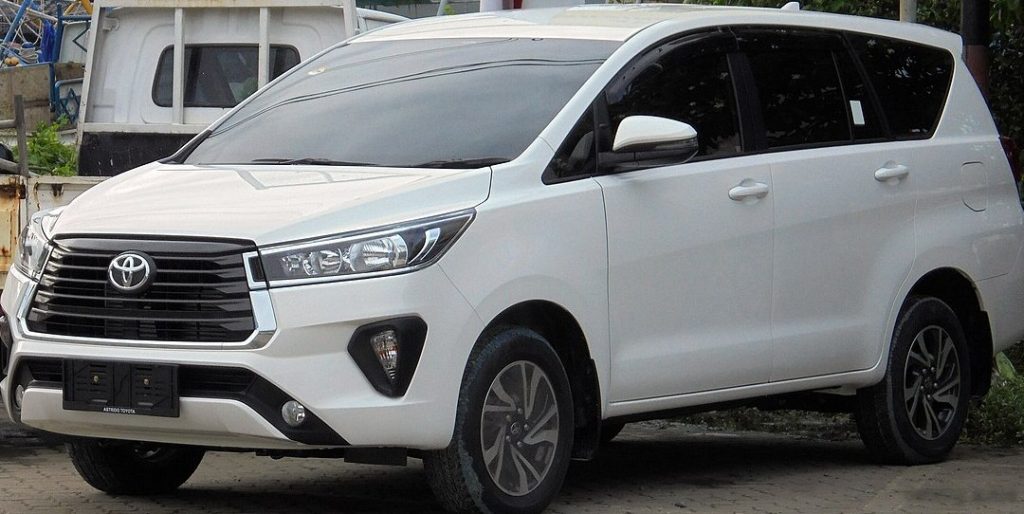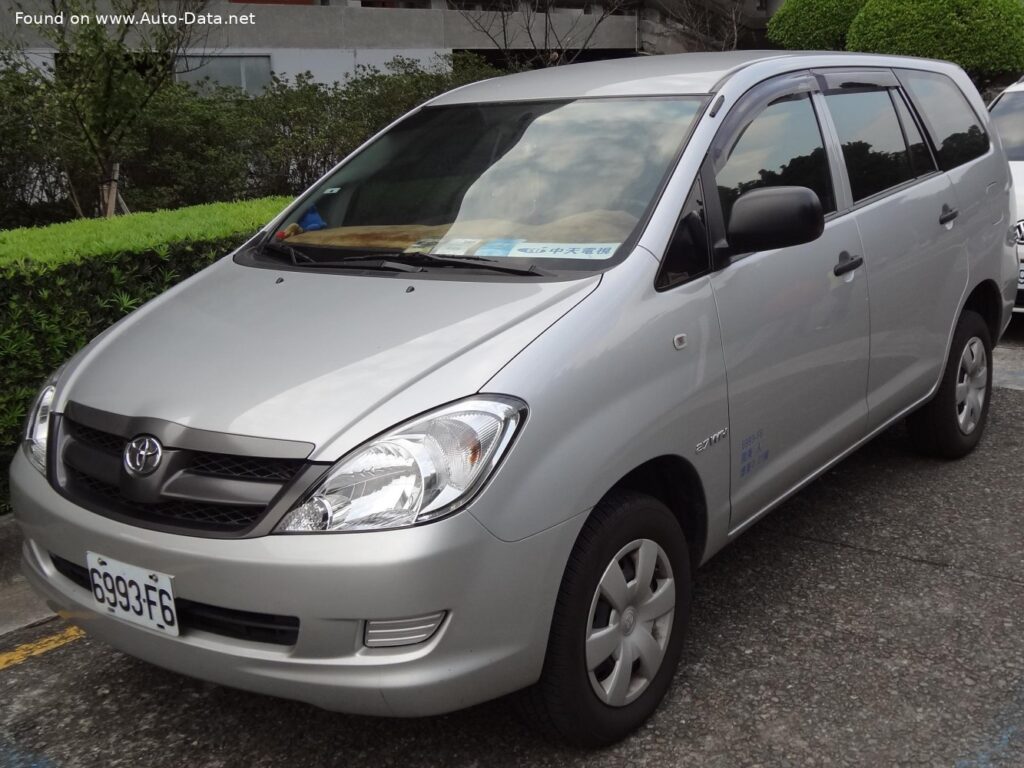
The Toyota Innova I 2.0 VVT-i, produced from 2004 to 2008, represents Toyota’s entry into the Asian Multi-Purpose Vehicle (MPV) market. While not officially sold in the United States, the Innova held significant popularity in Southeast Asia, India, and other developing markets where affordable, spacious, and reliable family transportation was paramount. It served as a crucial model for Toyota, bridging the gap between smaller, more basic vehicles and larger, more expensive offerings. The Innova I was designed to cater to the needs of large families and businesses requiring a versatile vehicle capable of carrying both passengers and cargo. It quickly became known for its durability, relatively low running costs, and comfortable ride, establishing a strong foothold for Toyota in the competitive MPV segment.
Toyota Innova I 2.0 VVT-i: A Detailed Overview
The Innova I was a significant departure from previous Toyota MPV offerings in many key markets. It moved away from the more van-like designs of earlier models, adopting a more modern and car-based aesthetic. This shift was intended to appeal to a broader range of customers, including those who prioritized style and comfort alongside practicality. The vehicle was built on a ladder-frame chassis, a common construction method for vehicles intended for use on varied road conditions, contributing to its robust nature. The 2.0 VVT-i model, equipped with the 1TR-FE engine, was a popular choice, offering a balance of performance and fuel efficiency.
Engine & Performance
The heart of the Toyota Innova I 2.0 VVT-i is the 1TR-FE 2.0-liter naturally aspirated four-cylinder gasoline engine. This engine produces 136 horsepower, providing adequate power for everyday driving and typical MPV duties. The VVT-i (Variable Valve Timing-intelligent) technology optimizes engine performance across the rev range, improving both power delivery and fuel economy. While not a high-performance engine, the 1TR-FE is renowned for its reliability and longevity, characteristics highly valued in the target markets. The engine is mated to a 5-speed manual transmission, delivering power to the rear wheels. This rear-wheel-drive configuration, while less common in modern passenger vehicles, contributes to the Innova’s load-carrying capacity and stability. The weight-to-power ratio of 12.2 kg/Hp (or 81.7 Hp/tonne) reflects the vehicle’s substantial weight and the engine’s moderate output. Fuel consumption is rated at 10.2 liters per 100 kilometers in urban conditions, equating to approximately 23.1 US mpg or 27.7 UK mpg.
Design & Features
The Toyota Innova I features a traditional MPV body style with five doors and seating for six passengers. The interior is designed with practicality in mind, offering ample headroom and legroom for all occupants. The vehicle’s design prioritized functionality over outright luxury, but it still offered a reasonable level of comfort and convenience for its price point. Features typically included air conditioning, power steering, and basic audio systems. Safety features were relatively basic by modern standards, reflecting the vehicle’s production era and target market. However, it generally included seatbelts for all occupants and a robust body structure designed to withstand the rigors of daily use. The Innova’s large cabin volume and flexible seating arrangements made it ideal for families, businesses, and even use as a taxi or shuttle vehicle. The rear-wheel-drive layout allowed for a relatively flat floor, maximizing interior space. The exterior styling was conservative but functional, with a focus on durability and ease of maintenance.
Market Position and Impact
The Toyota Innova I quickly became a dominant force in the Asian MPV market. Its combination of reliability, affordability, and spaciousness resonated with consumers who needed a versatile vehicle capable of handling a variety of tasks. It competed with other MPVs from manufacturers like Mitsubishi, Isuzu, and Chevrolet, but consistently outsold many of its rivals. The Innova’s success helped Toyota solidify its position as a leading automotive manufacturer in the region. It also paved the way for subsequent generations of the Innova, which have continued to build on the original model’s strengths. The Innova’s impact extended beyond simply providing transportation; it became a symbol of family life and economic progress in many developing countries.
Technical Specifications
| Brand | Toyota |
| Model | Innova |
| Generation | Innova I |
| Type (Engine) | 2.0 VVT-i (136 Hp) |
| Start of production | 2004 |
| End of production | 2008 |
| Powertrain Architecture | Internal Combustion engine |
| Body type | MPV |
| Seats | 6 |
| Doors | 5 |
| Fuel consumption (urban) | 10.2 l/100 km (23.1 US mpg, 27.7 UK mpg, 9.8 km/l) |
| Fuel Type | Petrol (Gasoline) |
| Weight-to-power ratio | 12.2 kg/Hp (81.7 Hp/tonne) |
| Power | 136 Hp |
| Engine Model/Code | 1TR-FE |
| Engine aspiration | Naturally aspirated |
| Engine oil capacity | 5.6 l (5.92 US qt, 4.93 UK qt) |
| Coolant capacity | 7 l (7.4 US qt, 6.16 UK qt) |
| Kerb Weight | 1665 kg (3670.7 lbs) |
| Fuel tank capacity | 55 l (14.53 US gal, 12.1 UK gal) |
| Length | 4555 mm (179.33 in) |
| Width | 1770 mm (69.69 in) |
| Height | 1750 mm (68.9 in) |
| Wheelbase | 2750 mm (108.27 in) |
| Drivetrain Architecture | Rear wheel drive, Internal Combustion engine |
| Drive wheel | Rear wheel drive |
| Number of gears | 5 |
| Gearbox type | Manual transmission |