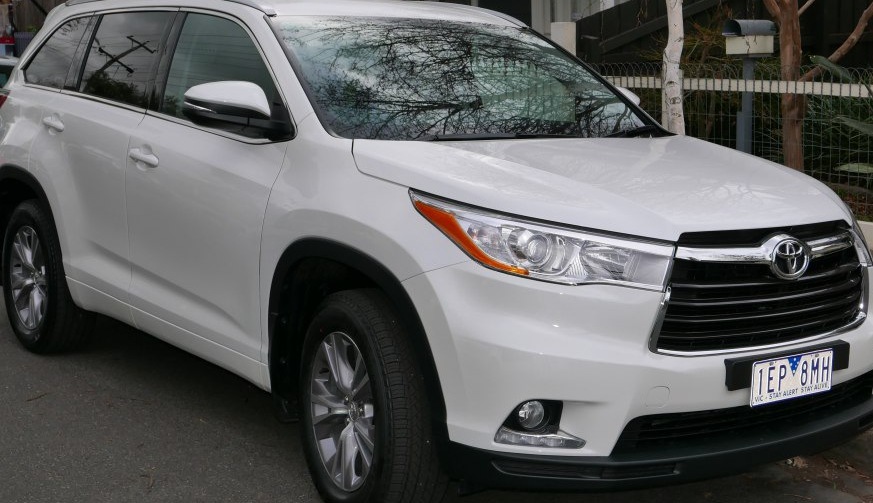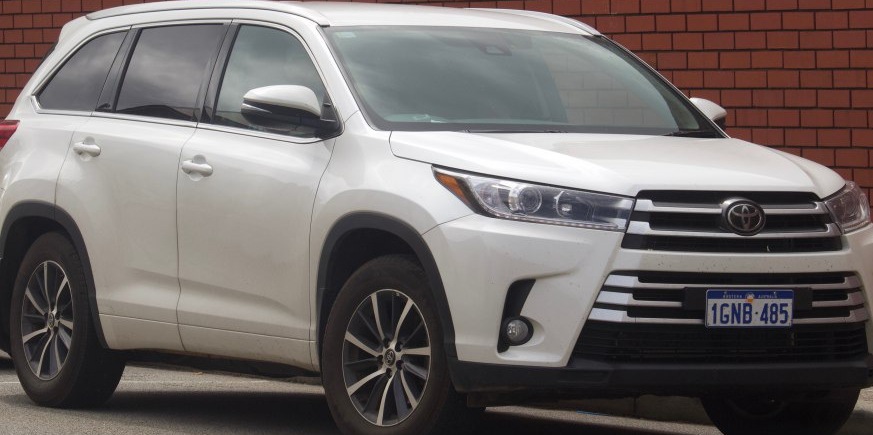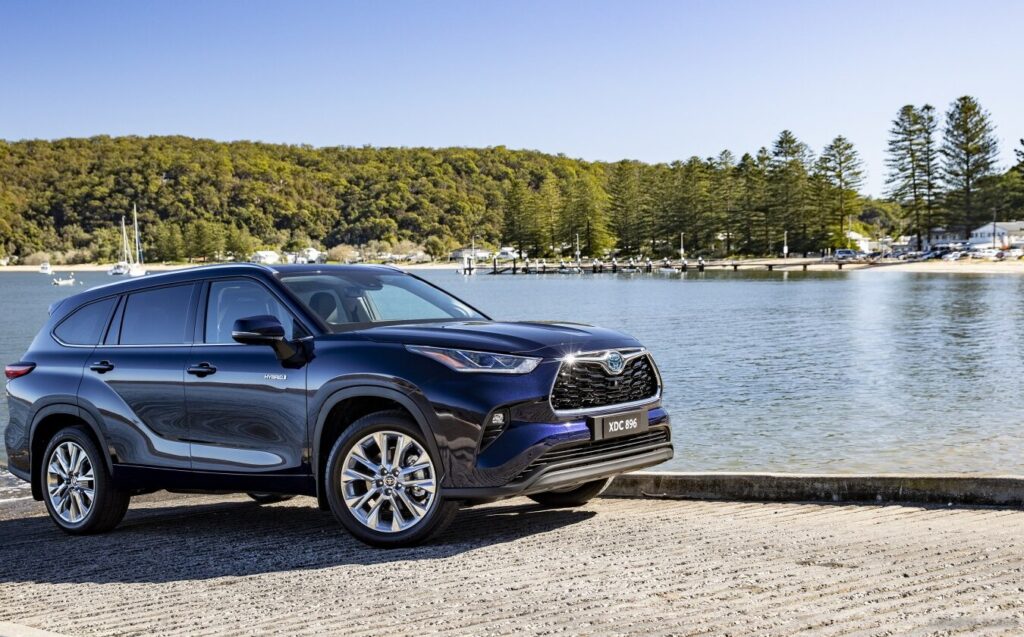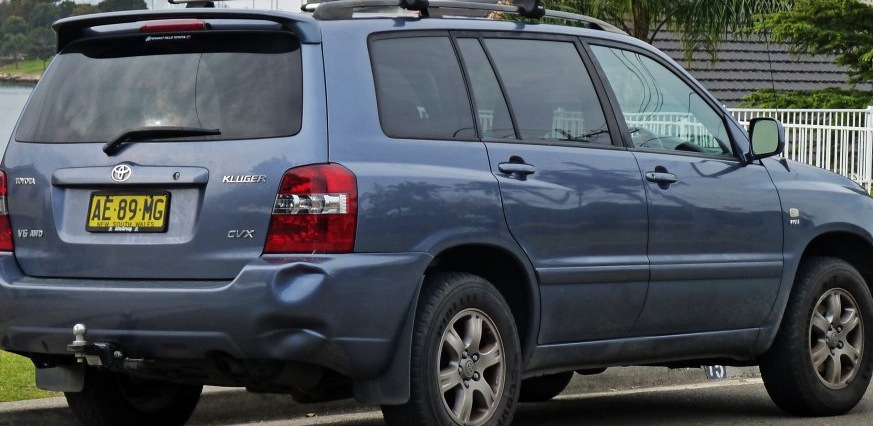
The Toyota Kluger, known as the Highlander in North America, represented Toyota’s entry into the mid-size SUV segment. Introduced in November 2000 and continuing through May 2007 for the first generation (XU20 series), the Kluger aimed to provide a more spacious and comfortable alternative to smaller SUVs while remaining more manageable than full-size options. The 3.0-liter V6 24V variant, producing 220 horsepower, occupied a mid-range position within the Kluger lineup, offering a balance of performance and fuel efficiency. This model was primarily sold in markets like Australia, Japan, and parts of Asia, differing from the North American Highlander which had distinct engine and trim options.
Technical Specifications
| Brand | Toyota |
| Model | Kluger |
| Generation | Kluger I |
| Type (Engine) | 3.0 V6 24V (220 Hp) |
| Start of production | November, 2000 |
| End of production | May, 2007 |
| Powertrain Architecture | Internal Combustion engine |
| Body type | SUV |
| Seats | 5 |
| Doors | 5 |
| Fuel Type | Petrol (Gasoline) |
| Weight-to-power ratio | 7.4 kg/Hp, 135 Hp/tonne |
| Weight-to-torque ratio | 5.4 kg/Nm, 184.7 Nm/tonne |
| Power | 220 Hp @ 5800 rpm |
| Power per litre | 73.5 Hp/l |
| Torque | 301 Nm @ 4400 rpm, 222.01 lb.-ft. @ 4400 rpm |
| Engine layout | Front, Longitudinal |
| Engine Model/Code | 1MZ-FE |
| Engine displacement | 2995 cm3, 182.77 cu. in. |
| Number of cylinders | 6 |
| Engine configuration | V-engine |
| Cylinder Bore | 87.5 mm, 3.44 in. |
| Piston Stroke | 83 mm, 3.27 in. |
| Compression ratio | 10.5:1 |
| Number of valves per cylinder | 4 |
| Fuel injection system | Multi-port manifold injection |
| Engine aspiration | Naturally aspirated engine |
| Valvetrain | DOHC |
| Engine oil capacity | 4.7 l, 4.97 US qt | 4.14 UK qt |
| Coolant | 9 l, 9.51 US qt | 7.92 UK qt |
| Kerb Weight | 1630 kg, 3593.53 lbs |
| Max. weight | 1905 kg, 4199.81 lbs |
| Max load | 275 kg, 606.27 lbs |
| Fuel tank capacity | 72 l, 19.02 US gal | 15.84 UK gal |
| Length | 4685 mm, 184.45 in |
| Width | 1825 mm, 71.85 in |
| Height | 1720 mm, 67.72 in |
| Wheelbase | 2715 mm, 106.89 in |
| Front track | 1575 mm, 62.01 in |
| Rear (Back) track | 1555 mm, 61.22 in |
| Drive wheel | All wheel drive (4×4) |
| Number of gears and type of gearbox | 4 gears, automatic transmission |
| Front suspension | Wishbone |
| Rear suspension | Coil spring |
| Front brakes | Ventilated discs |
| Rear brakes | Disc |
| Assisting systems | ABS (Anti-lock braking system) |
| Steering type | Steering rack and pinion |
| Power steering | Hydraulic Steering |
| Tires size | 215/70 R16 S |
Powertrain & Engine Architecture
The heart of this Kluger variant is the 1MZ-FE engine, a 3.0-liter (2995 cc) naturally aspirated V6. This engine utilizes a 60-degree V-angle, contributing to a relatively compact engine bay footprint. The 1MZ-FE features a cast iron block with an aluminum cylinder head, a common configuration for Toyota engines of this era. It employs multi-port fuel injection, delivering fuel directly to each intake port for optimized combustion. The engine’s double overhead camshaft (DOHC) valvetrain, with four valves per cylinder, enhances volumetric efficiency and contributes to its power output. The four-speed automatic transmission, a common choice for this class of vehicle, was designed for smooth and comfortable shifting. While not offering the sportiness of a manual transmission, it catered to the preferences of buyers seeking convenience and ease of driving.
Driving Characteristics
The 220 horsepower and 301 Nm (222 lb-ft) of torque provided by the 3.0L V6 and automatic transmission combination delivered adequate performance for everyday driving. Acceleration was respectable, though not particularly brisk, with a 0-60 mph time estimated around 9-10 seconds. The automatic transmission’s gear ratios were tuned for fuel efficiency and smooth cruising rather than aggressive acceleration. Compared to the available manual transmission, the automatic resulted in a slight performance decrease, but offered a more relaxed driving experience. The all-wheel-drive system provided enhanced traction in various weather conditions, making it a capable vehicle for both on-road and light off-road use. The Kluger’s weight, around 1630 kg (3593 lbs), was noticeable during spirited driving, but the V6 engine provided enough power to manage the vehicle’s mass effectively.
Equipment & Trim Levels
The 3.0-liter V6 automatic Kluger typically came equipped with a reasonable level of standard features. These included air conditioning, power windows and locks, a basic audio system, and alloy wheels. Interior upholstery was generally cloth, with optional leather available on higher trim levels. Depending on the market and optional packages, features like a sunroof, upgraded audio systems, and woodgrain interior trim could be added. Safety features such as ABS (Anti-lock Braking System) were standard. The specific trim level determined the extent of these features, with higher trims offering more luxury and convenience items.
Chassis & Braking
The Kluger I utilized a traditional body-on-frame construction, providing a robust and durable chassis. Front suspension consisted of a wishbone setup, while the rear employed a coil spring arrangement. This suspension configuration aimed to balance ride comfort with handling stability. Braking duties were handled by ventilated discs at the front and solid discs at the rear, providing adequate stopping power for the vehicle’s weight. The hydraulic power steering offered a reasonable level of assistance, making maneuvering easy. The all-wheel-drive system contributed to improved stability and traction, particularly on slippery surfaces.
Market Reception & Comparison
The Toyota Kluger 3.0 V6 automatic was generally well-received by critics as a practical and comfortable family SUV. It was praised for its spacious interior, smooth ride, and Toyota’s reputation for reliability. However, some reviewers noted that the engine, while adequate, wasn’t particularly exciting, and the automatic transmission could feel somewhat dated compared to newer transmissions with more gears. Compared to other trims in the Kluger lineup, the 3.0L V6 automatic offered a good balance between performance and fuel economy. It was more affordable than the higher-output engine options, while still providing sufficient power for most drivers. Fuel economy was rated around 18-22 mpg combined, depending on driving conditions.
Legacy
The 1MZ-FE engine, found in the Kluger, is known for its durability and relatively straightforward maintenance. While not without its potential issues (such as oil leaks and timing belt replacements), it’s generally considered a reliable powerplant. Today, used Klugers with this engine and transmission combination are still relatively common, and well-maintained examples can offer a cost-effective and dependable transportation option. The Kluger I established Toyota as a major player in the mid-size SUV segment, paving the way for subsequent generations of the Highlander/Kluger that continue to be popular vehicles worldwide. The 3.0L V6 automatic variant remains a solid choice for buyers seeking a practical and reliable SUV with a proven track record.